Personnaliser mon voyage


A Complete 2026 Oaxaca Mezcal Tour Guide
Oaxaca mezcal tour guide: which palenques to visit, how tastings really work, fair pricing and named producers. From Rutopía's Oaxaca-based team.

Contenu
Ils mettent en valeur notre travail



Des voyages uniques au Mexique.
Fait sur mesure pour vous.
Demandez votre voyageFait sur mesure pour vous.
Laissez un guide local vous aider à planifier votre voyage au Mexique
Commencez un voyage sur mesureA mezcal tour in Oaxaca is, at its best, a lesson in patience. The Mezcal you're tasting may have grown for twelve years before it was harvested. The fermentation took a week in an open wooden vat. The distillation ran for a full day over a wood fire. A serious mezcal tour traces that process from the field to the clay cup and makes the experience of tasting something that took a decade to produce feel completely different from drinking something that took twelve minutes to bottle. Oaxaca produces a significant share of Mexico's mezcal, and the range of what's available, from espadín at 180 MXN a bottle to a wild-harvest tepextate at 3,500 MXN, is wider than most visitors realize before they arrive. If you want a mezcal visit built into a custom Oaxaca trip, our trip planners start there.
What makes Oaxacan mezcal different
Mexico's mezcal-producing regions include Guerrero, Durango, San Luis Potosí, and several others, but Oaxaca's combination of altitude, biodiversity of wild agave species, and deep Zapotec production traditions gives it a different depth. The Central Valleys around the city sit between 1,400 and 1,600 meters; the Sierra Sur villages where some of the most respected producers work run higher still. Temperature swings between day and night affect how the agave stores its sugars. The microorganisms that carry out fermentation are local and unstandardized. Two mezcals made by the same process in the same village in different years will taste different. That inconsistency is the point.
The regulatory framework matters for understanding what you're buying. Mexico's NOM-070 standard divides mezcal into three categories. Mezcal (industrial): mechanically crushed, fermented in stainless steel, efficient. Mezcal Artesanal: the middle tier, including tahona-crushed agave and wooden or animal-hide fermentation vats. Mezcal Ancestral: the strictest category, requiring clay pot distillation (olla de barro) and no mechanical crushing whatsoever. Most serious tourist-facing palenques produce artesanal or ancestral. Understanding which category you're tasting tells you something before you take a sip.
The top Oaxaca tours hub covers where a mezcal day fits within a broader Oaxaca itinerary.
Agave species: the most important thing to understand before you taste
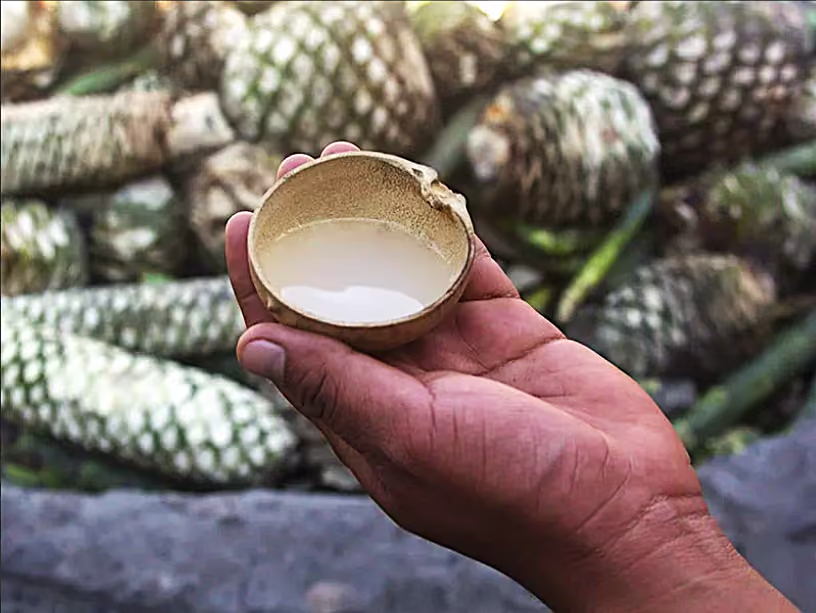
Mezcal can be made from over 30 agave species in Oaxaca alone. The species determines the flavor more than almost any other variable, and it determines the price, because agave maturity time varies enormously.
Espadín (Agave angustifolia): The workhorse. It's cultivated rather than wild, matures in 7 to 10 years, and accounts for the majority of Oaxacan mezcal production. It produces a clean, versatile spirit. An espadín from a good producer is excellent. It is also the entry point for understanding what mezcal is before you go further.
Tobalá (Agave potatorum): Wild-harvested, matures in 12 to 15 years, grows in rocky mountain soils. Smaller piña (agave heart), lower yield, and a flavor profile that tends toward floral and slightly sweet compared to espadín's smoke. Price at a palenque: 800 to 2,000 MXN a bottle.
Tepextate (Agave marmorata): Wild, matures in 25 years or more. That age shows in the complexity. Tepextate mezcals have an almost herbal, sometimes mushroomy character that serious mezcal drinkers seek out. A bottle of Mezcal may vary in price, some are expensive, sometimes 2,000 to 4,000 MXN a bottle at the source, because the agave cannot be cultivated at scale and each harvest is a one-time extraction
Madrecuixe and cuishe (Agave karwinskii varieties): Tall, narrow agave that grow wild in the valley. Matures in 12 to 18 years. The mezcals tend toward lean, mineral, and high in acidity. Interesting as a contrast to espadín's richness.
At a tasting, ask the producer which species you're drinking and where it was harvested. A good palenquero will tell you immediately. A vague answer ("it's a local variety") is a yellow flag.
How mezcal is actually made: the palenque process
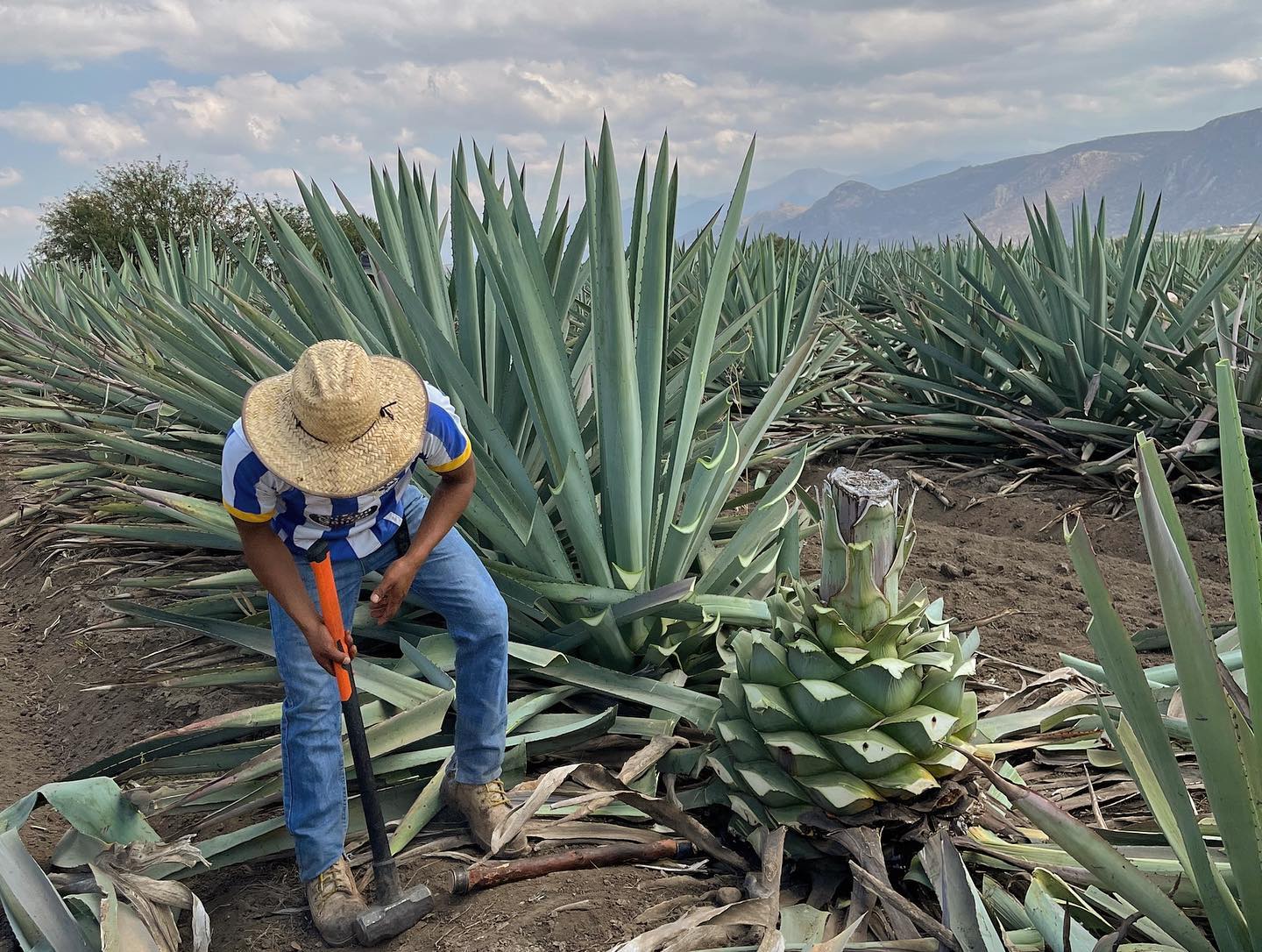
The palenque is the production facility, often a family compound with a roasting pit, a crushing area, open fermentation vats, and a still. Watching the process at different stages makes tasting the final product land differently.
Harvest: The agave is cut at maturity, the leaves trimmed back to expose the piña. The harvester (jimador) judges maturity by the plant, not a calendar. Wild agave, once harvested, does not regrow.
Roasting: The piñas go into an underground pit (horno), layered over heated volcanic rocks and wood coals, then covered with agave fiber and left for 3 to 5 days. This is where the smokiness develops. The intensity of smoke in the final spirit depends on wood type, pit depth, and roasting duration. Not all mezcals are equally smoky; good producers have control over this.
Crushing: The roasted piña is crushed to extract the juice. The traditional tool is the tahona, a massive stone wheel pulled by horse or mule in a circular track. Mechanical shredders are faster and more efficient. The NOM-070 artesanal category permits mechanical assistance; the ancestral category does not. You can usually see the tahona at a working palenque and watch the process if timing aligns.
Fermentation: The crushed agave fiber (bagazo) and juice ferment together in open wooden vats or, in some ancestral operations, animal-hide bags. Wild, ambient yeast drives the fermentation. This takes 5 to 30 days depending on temperature and yeast activity, and the variation is a feature: each batch is distinct.
Distillation: Double-distilled in copper pot stills or clay olla de barro pots (the latter required for ancestral designation). Clay pot distillation produces a slightly different flavor profile, softer and more mineral.
Types of mezcal experiences and which one fits your trip
A production visit only: 2 to 3 hours at one palenque close to Oaxaca city, see the process, taste 3 to 5 spirits, buy a bottle if you want. Works well as an add-on to a central valley day. Good for curious travelers who don't want a full day structured around mezcal.
A tasting-focused circuit: 2 to 3 producers in an afternoon, each offering a different style or agave focus. No deep production tour, emphasis on the range of flavors and the conversations with the producers. Better for people who have already seen a palenque or who are primarily interested in the spirits themselves. This can be done in Oaxca de Juarez City center.
A full immersive day: One producer in depth, time to watch the tahona running, lunch with the family, a tasting that moves through espadín to the wild varieties, time to talk. This format requires a producer who has the relationship and the time, and it's the format that produces the trip report travelers write about for years. Our team connects travelers with specific families for this kind of access. The Palenque for this tour may be a bit further than the rest.
The villages that matter and why each is different

Santiago Matatlán: 48 km from Oaxaca City, the highest concentration of registered palenques in the world. Some are large, some are family-scale. The variety here is the widest anywhere in Oaxaca. Matatlán is best for a circuit visit that covers multiple producers; it's less intimate than the smaller villages but more accessible as an introduction.
Santa Catarina Minas: About 60 km from Oaxaca City near Ocotlán, known almost exclusively for ancestral mezcal made in clay olla de barro pots. The production here is small, the mezcals are softer and more mineral, and the village is worth a dedicated visit if clay-pot distillation interests you. Real Minero is the internationally known name from this village.
San Luis del Río: Remote, in the Sierra Norte rather than the valley, reached by a mountain road that requires several hours of driving from Oaxaca City. Known for tobalá and other wild-harvest spirits from high-altitude agave. This is a full-day commitment and usually requires a private driver who knows the road and the producers. Not for first visits; for the traveler who already knows what they're looking for.
For the artisan circuits that often pair with a valley mezcal visit, the Oaxaca artisan villages guide covers Teotitlán, Atzompa, and San Martín Tilcajete. For the full itinerary picture, the Oaxaca itinerary packages guide shows how a mezcal day fits into a 5 or 7-day route without crowding the schedule.
How tastings work and what fair pricing looks like
A legitimate tasting at a palenque usually involves:
- A brief explanation of the production process
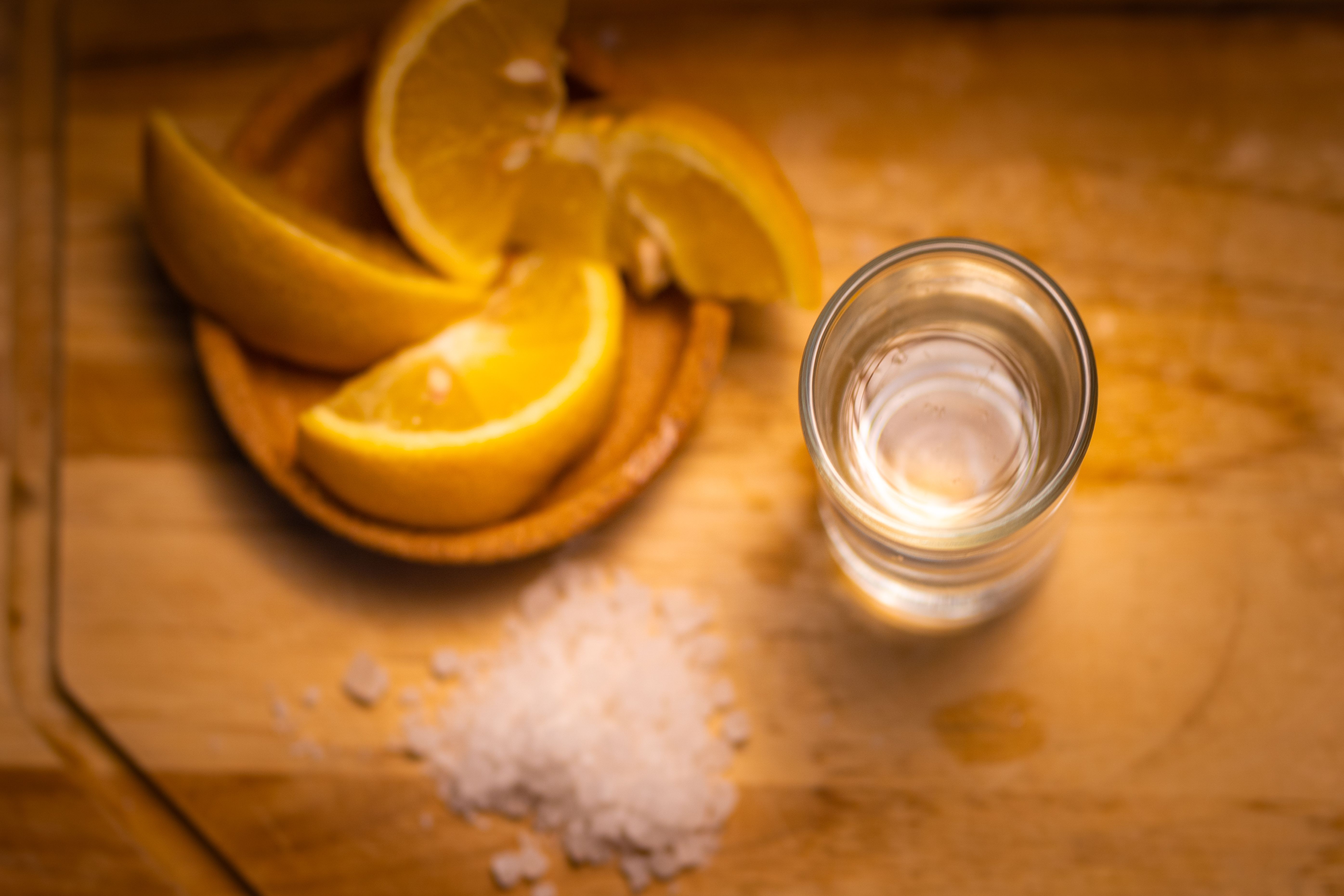
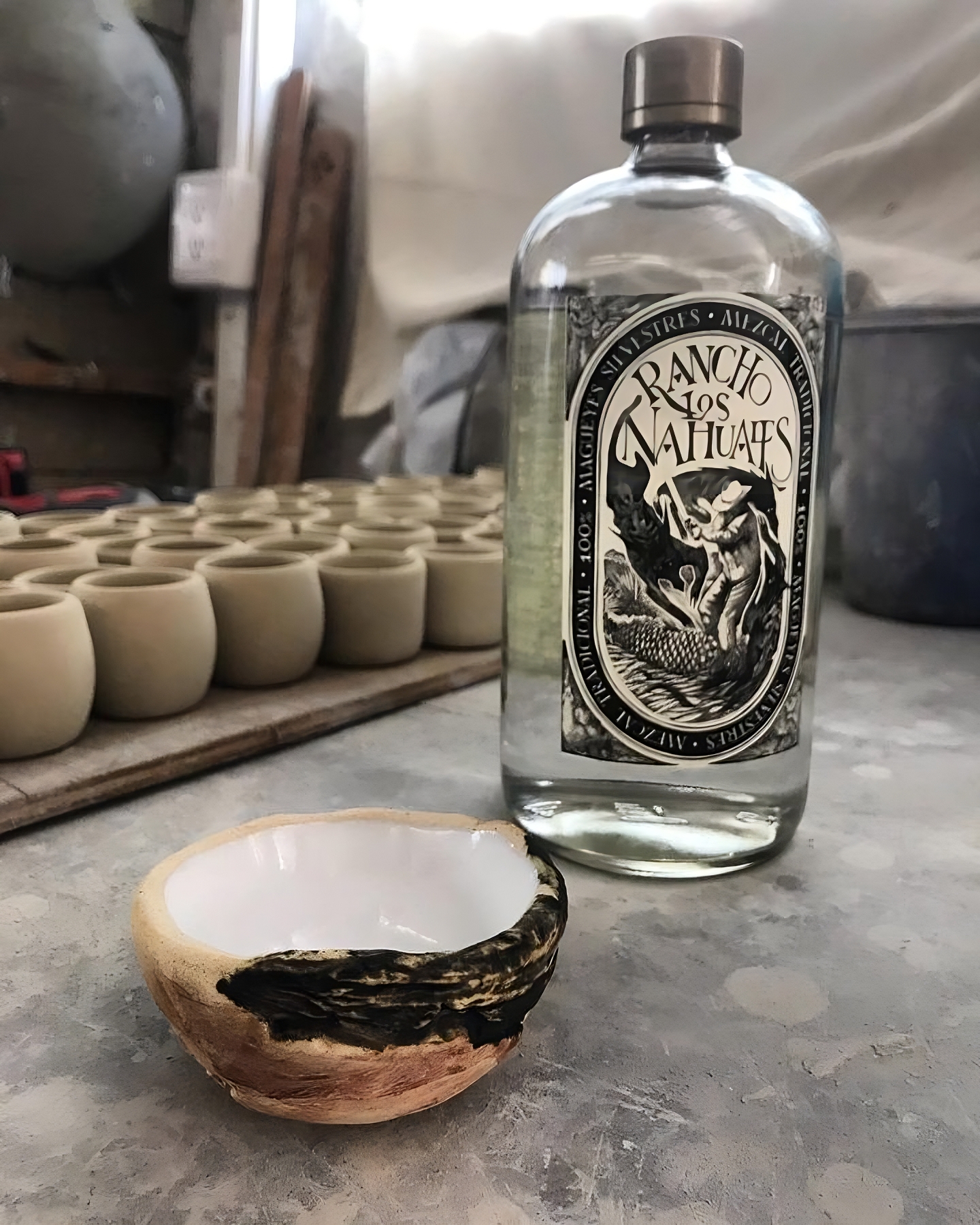
- 3 to 6 spirits poured in small caballitos (unglazed clay cups, which soften the alcohol on the nose)
- Accompaniments: orange slices, sal de gusano (a salt mixed with dried agave worm and dried chile), and sometimes chapulines (toasted grasshoppers)
- A clear price list for bottles and the option to buy what you liked
Tasting fees in 2026 range from free (if you buy a bottle) to 80 to 200 MXN ($4 to $10 USD) for a formal guided tasting. The tasting fee is a signal of seriousness: producers who charge a small fee are selecting for engaged visitors rather than freeloader tourism.
Fair bottle prices at the source: espadín runs 200 to 500 MXN ($10 to $25 USD). Tobalá 800 to 2,000 MXN. Tepextate 2,000 MXN and up. If you are offered a tobalá for 250 MXN, something is wrong with either the production or the labeling.
Red flags and green flags at a palenque
Green flags: The producer can name the agave species and the harvest location. There is a NOM number on the bottles. The tasting is structured and includes explanation. The production area is active or recently used. The family members are present, not just a tourism handler. The mezcal tastes different from bottle to bottle.
Red flags: Unlimited tasting without structure or cost. Mezcals without NOM numbers or vague labeling. A producer who cannot or will not explain the agave species. A facility that looks staged rather than working. Prices that are implausibly low for the stated species.
The Oaxaca private tours guide explains how a good Oaxaca operator pre-vets the producers they work with, which is the clearest shortcut to avoiding the staged-tourism problem.
Bookable tours with Rutopia
- Only tasting:
Tasting in the city center: no transportation needed. You will meet your guide and begin the visit at a cantina, where you will taste several varieties of mezcal. Make sure to eat beforehand and always stay hydrated by drinking water. - Palenque and tastings:
Combine the tasting experience with the cultural process of production. Learn how mezcal is made, from agave cultivation to drinking it in a traditional “caballito.” This tour requires transportation to a mezcal factory near Palenque. - Combined tours:
Add a tour that includes the mezcal experience, combined with activities such as visiting Hierve el Agua or nearby indigenous communities, including experiences with ceramics, textiles, and other local crafts.
Pricing at a glance
.jpg)
FAQ
Do I need to know anything about mezcal before visiting a palenque? No. Our guides will walk you through everything. Going in without preconceptions often produces a better experience than arriving with a list of producers you read about online, because you're more likely to actually listen to the person in front of you.
Can I bring bottles home? Yes. Mezcal is legal to import to most countries in limited quantities (typically 1 to 2 liters duty-free for U.S. travelers; check your country's customs rules). Buy directly from the producer at the palenque rather than at airport duty-free where prices are higher and provenance is harder to verify, make sure is in the codumented luggage and protect it with your clothes,
What's the difference between mezcal and tequila? Both are made from agave. Tequila is made specifically from blue agave (Agave tequilana Weber) in a designated region centered on Jalisco, and production is largely industrial. Mezcal uses a wide range of agave species, is produced across several Mexican states, and uses roasting processes that give it smoke. Not all mezcal is smoky, and not all tequila is light.
Is it safe to drink at multiple palenques in one day? The caballitos pours are small (around 30 to 40 ml per sample) and spread over a full day. A three-producer day involves six to nine small pours across 6 to 8 hours. Eat before you go, pace yourself, and decline samples that don't interest you. The producers respect that. Always bring your Thermos with water.
Looking for more Mexico travel resources? Be sure to check out:
Rédigé par
Design your trip to Mexico with a local travel designer. Unique activities and lodging, 100% tailor-made and stress-free.
.webp)

Rejoignez-nous à ce sujet
voyage
Planifiez votre voyage avec nousvoyage
Inscrivez-vous à notre newsletter pour être tenu au courant des nouveautés.
Oups ! Une erreur s'est produite lors de l'envoi du formulaire.
Ready to experience the real Mexico?
Travel with local experts and get hangds-on supoort every step of the way... from planning to arrival.


Your Travel Companion in Mexico, 24/7
We're with you from arrival to departure via WhatsApp for anything you need.
Trusted by thousand of travelers with a 4.9 rating on Google