Personalizar mi viaje


Tu itinerario para Ciudad de México y Oaxaca 2026
Un itinerario de 7 a 10 días por Ciudad de México y Oaxaca: gastronomía en CDMX, Teotihuacán, Monte Albán y mezcal. Ruta 2026 diseñada por los expertos de Rutopía.

Contenido
Destacan nuestro trabajo



Viajes únicos en México.
Hecho a medida para ti.
Solicita tu viajeHecho a medida para ti.
Deja que un guía local te ayude a planificar tu viaje a México
Comience un viaje a medidaLa combinación de Ciudad de México y Oaxaca es el viaje al que siempre regresan los amantes de la gastronomía, los viajeros culturales y quienes visitan México por primera vez. No es porque ofrezca los paisajes más espectaculares (ese sería Chiapas) ni la mayor cantidad de sitios arqueológicos (Yucatán), sino porque ambas ciudades comparten un hilo conductor gastronómico y cultural que se fortalece a lo largo del recorrido. Ciudad de México es el punto donde converge e interpreta la diversidad culinaria del país. Oaxaca es donde se origina parte de esa materia prima: los siete moles, el mezcal, las tradiciones textiles indígenas y el legado arqueológico zapoteco. Viajar a ambos destinos de forma consecutiva permite llegar a Oaxaca con un contexto previo adquirido en CDMX, lo que hace que todo en el valle sea más comprensible. Esta guía ofrece un itinerario base para 7 y 10 días. Para una versión personalizada según tus fechas de viaje, nuestros planificadores utilizan estas plantillas y las ajustan según las variables que son importantes para ti.
Por qué funciona esta combinación
La mayoría de quienes visitan México por primera vez eligen entre Ciudad de México u Oaxaca en lugar de combinarlas. Esto suele ser un error, ya que ambas ciudades se explican mutuamente.
En Ciudad de México, comes en restaurantes oaxaqueños en la Roma Norte que sirven tlayudas, mole negro y mezcal. Tienes una referencia, pero no la fuente. Si visitaras Oaxaca por separado semanas después, el mole negro carecería de contexto: es delicioso, pero no sabrías qué estás probando más allá del sabor inmediato.
En esta secuencia, llegas a Oaxaca habiendo probado ya el mole negro en CDMX, visitado los murales del Palacio Nacional donde Rivera plasmó las tradiciones agrícolas aztecas que compartían las civilizaciones zapotecas, y explorado las colecciones precolombinas del Museo Nacional de Antropología. No empiezas de cero. El taller de tejido en Teotitlán cobra más sentido porque ya has visto una urna zapoteca en una vitrina. La ciudad en la cima de Monte Albán se entiende mejor porque ya has visto las capas de excavación del Templo Mayor en el Centro Histórico. El viaje se construye de forma acumulativa en lugar de ser solo una suma de paradas.
Para profundizar en la parte de Oaxaca de este viaje, el centro de tours en Oaxaca cubre el menú completo de experiencias. Para la parte de CDMX, el el mejor centro de tours en Ciudad de México abarca todo lo que la ciudad tiene para ofrecer.
Logística: cómo trasladarse entre ciudades
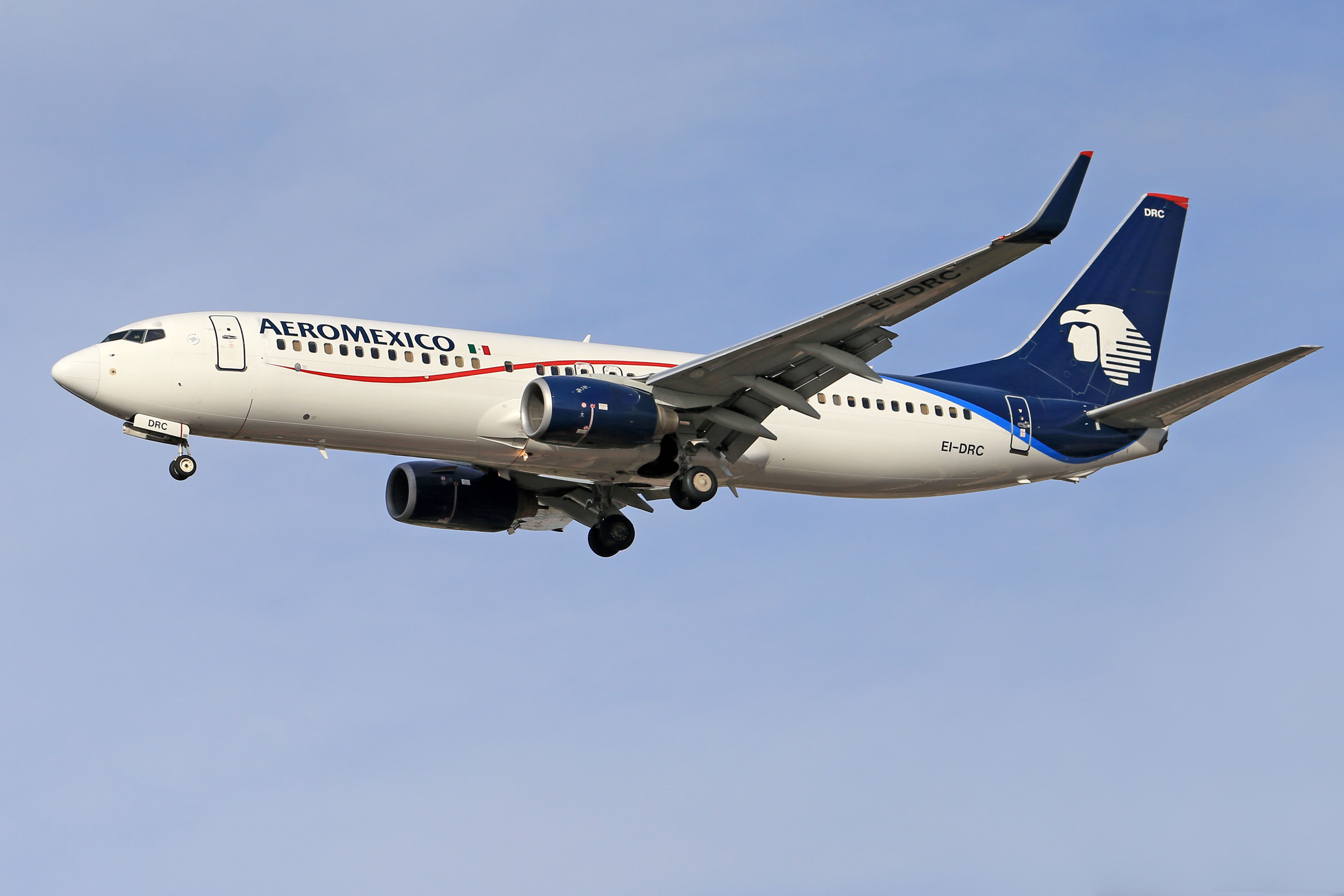
De Ciudad de México a Oaxaca por aire: aproximadamente 1 hora y 15 minutos. Operado por Aeroméxico, Volaris y VivaAerobus desde el Aeropuerto Internacional Benito Juárez (MEX) de la Ciudad de México. Las tarifas oscilan entre 800 y 2,500 MXN (de 40 a 125 USD) por trayecto, dependiendo de la antelación de la reserva y la temporada. Volar es, sin duda, la opción más recomendada para esta ruta.
De Ciudad de México a Oaxaca por carretera: aproximadamente 6 horas por la autopista de cuota 135D, más tiempo si se hacen paradas. Es una opción viable para quienes desean disfrutar del paisaje entre ambas ciudades (la autopista pasa por Puebla y Tehuacán), pero no se recomienda como conexión estándar a menos que se tenga un motivo específico para conducir. El autobús (ADO desde TAPO o TAPO Sur) tarda entre 7 y 8 horas; es limpio y cómodo, pero implica dedicar todo un día al traslado.
Reserva el vuelo CDMX–Oaxaca con la mayor antelación posible: Los vuelos nacionales en México se agotan con meses de antelación en fechas clave (Día de Muertos, Guelaguetza, Navidad), e incluso los vuelos en temporada media durante los viernes y domingos por la tarde se llenan rápidamente. Si tus fechas son flexibles, reserva el vuelo antes que el alojamiento.
Dónde alojarse en cada ciudad
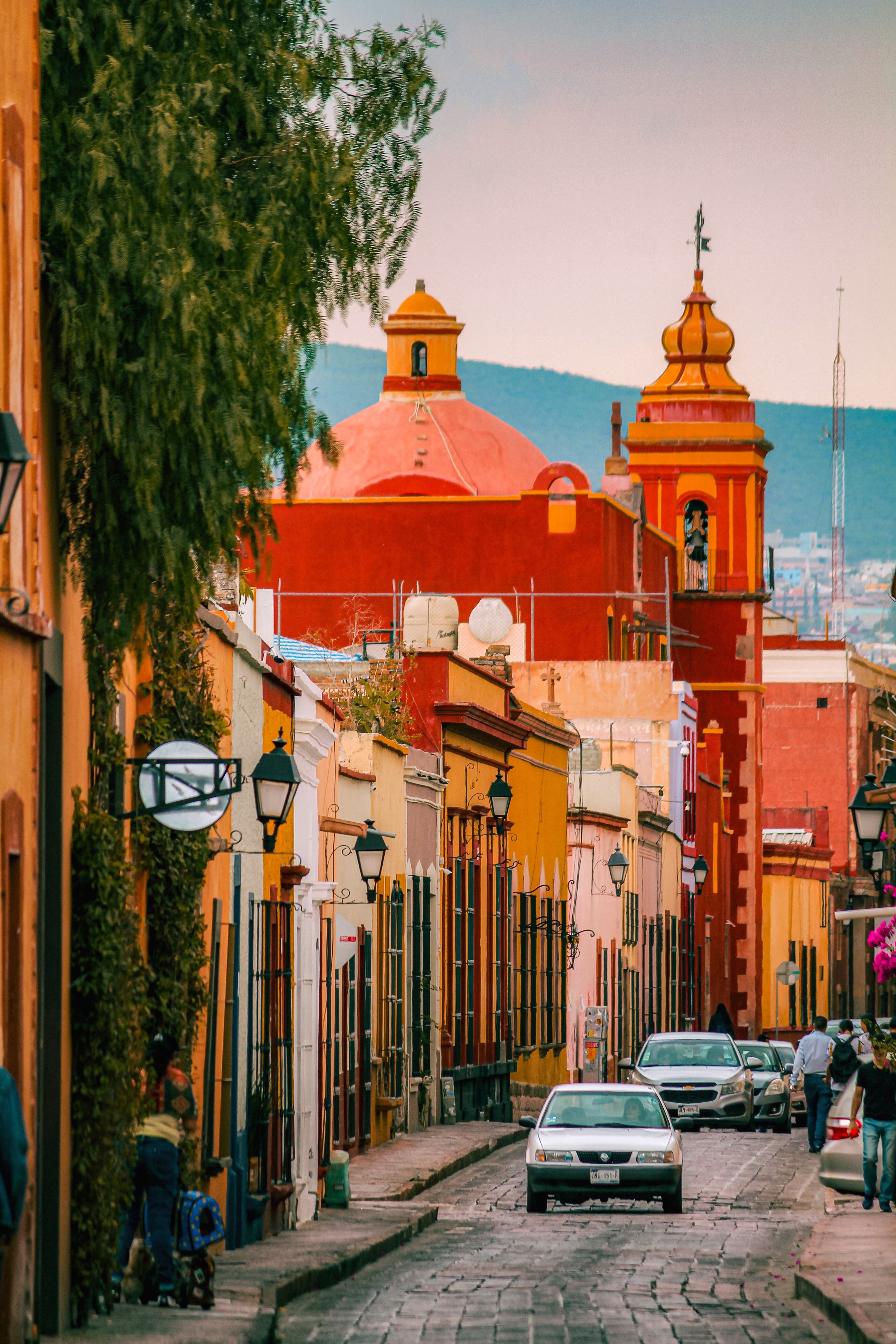
En Ciudad de México: Roma Norte o Condesa son las zonas ideales para esta combinación: céntricas respecto a la oferta gastronómica y cultural, con fácil acceso al aeropuerto y excelentes restaurantes para las noches que pases en la ciudad. Polanco es una alternativa excelente para quienes buscan mayor comodidad y cercanía a Chapultepec. El artículo sobre consejos de seguridad analiza las opciones de barrios con mayor detalle.
En Oaxaca: El centro histórico de la ciudad de Oaxaca es lo suficientemente compacto como para que casi cualquier hotel a menos de 10 minutos a pie del Zócalo sea una buena opción. Los hoteles boutique en las calles cercanas al barrio de Jalatlaco (un tranquilo barrio colonial al norte del centro principal) ofrecen la mejor combinación de ambiente y accesibilidad. Evita alojarte fuera del centro a menos que tengas una razón específica (algunos eco-lodges valen la pena a pesar de la distancia por una o dos noches).
Itinerario de 7 días en Ciudad de México y Oaxaca
Este itinerario asume que llegarás a Ciudad de México la noche anterior al día 1 o a primera hora de la mañana del día 1.
Días 1 a 3: Ciudad de México
Día 1: Aclimatación y orientación en el Centro. Zócalo y Catedral Metropolitana, murales del Palacio Nacional (escalinata de Rivera, 60 minutos), caminata hacia el exterior de Bellas Artes y cena en la Roma Norte. Evita actividades extenuantes el primer día para adaptarte a la altitud.
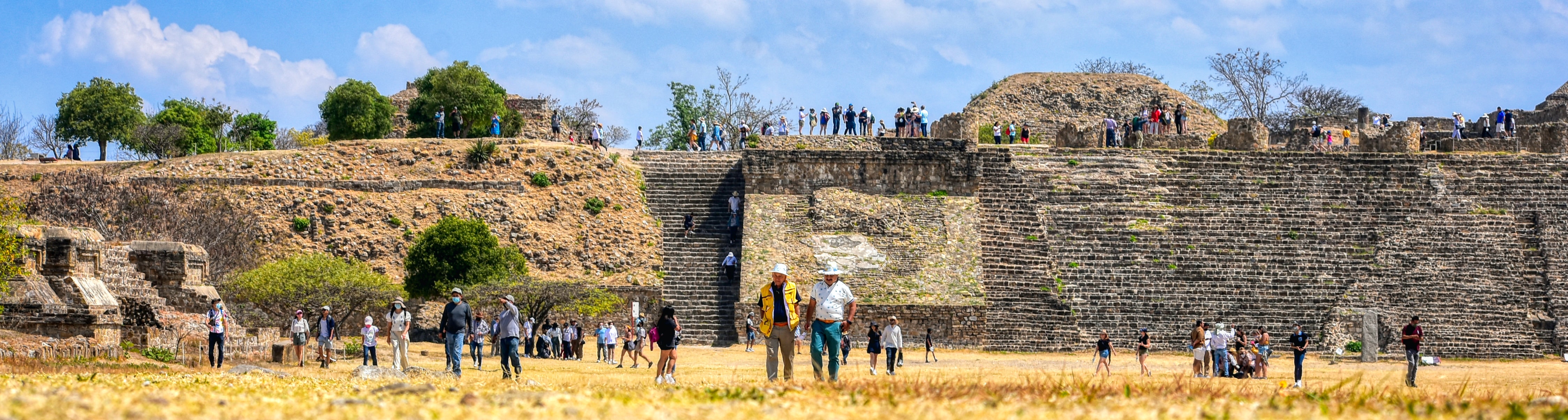
Día 2: Teotihuacán. Salida del hotel a las 7:00 a. m. con guía certificado. Llegada al sitio antes de las 9:00 a. m. Tres horas de recorrido: Pirámide de la Luna, Calzada de los Muertos, Pirámide del Sol y La Ciudadela. Regreso a primera hora de la tarde. Tarde: recorrido gastronómico por Condesa o Roma (por cuenta propia o con guía).
Día 3: Coyoacán y enfoque gastronómico. Mañana: Museo Frida Kahlo con entrada reservada. Almuerzo en el mercado de Coyoacán. Tarde: caminata por el Mercado de la Merced para conocer el contexto local, o visita a los murales de la SEP si prefieres profundizar en el arte y la arqueología. Noche: tour nocturno de tacos o tiempo libre.
Días 4 a 7: Oaxaca
Día 4: Vuelo a Oaxaca. Llegada a media mañana si hay vuelos disponibles. Instálate y camina por el Zócalo y el Andador Turístico Macedonio Alcalá. Tarde: iglesia de Santo Domingo y el Museo de las Culturas de Oaxaca dentro del exconvento. Noche: visita a una mezcalería en el centro.
Consejo local: No te pierdas una cata privada de mezcal: Tu primera parada será una mezcalería tradicional, donde disfrutarás de una degustación mientras tu guía comparte información sobre la historia del mezcal, los diferentes tipos que existen y las costumbres asociadas a esta bebida. Más tarde, continuarás tu caminata por la ciudad hasta llegar a una segunda mezcalería, donde complementarás la experiencia con catas adicionales y explicaciones que profundizarán tu conocimiento sobre el mezcal.
Día 5: Monte Albán y los mercados de la ciudad. Monte Albán a las 9:00 a. m. con guía certificado (de 2 a 2.5 horas). Regreso al mediodía. Almuerzo en el Mercado 20 de Noviembre. Tarde libre: recorre las calles y visita un segundo bar de mezcal.
Día 6: Circuito artesanal de los Valles Centrales. Día completo con conductor-guía privado. Árbol del Tule (30 minutos), taller de tejido en Teotitlán del Valle con demostración de tintes naturales (2 horas), almuerzo en el valle y taller de alebrijes en San Martín Tilcajete (1 hora). Regreso a las 5:00 p. m.
Día 7: Clase de cocina y salida. Mañana: clase de cocina de 4 a 5 horas (visita al mercado y cocina tradicional). Almuerzo con lo que preparaste. Traslado al aeropuerto por la tarde para tu vuelo nocturno.
Consejo local: Si tienes un poco más de tiempo en Oaxaca, nuestra experiencia gastronómica favorita es un tour rural en los pueblos zapotecos tradicionales de Teotitlán del Valle o Santa Ana del Valle. A diferencia de los recorridos gastronómicos o caminatas clásicas en la ciudad, esta es una experiencia profundamente personal y fuera de lo común, donde pasarás el día dentro de una comunidad local, lejos de las rutas turísticas habituales.
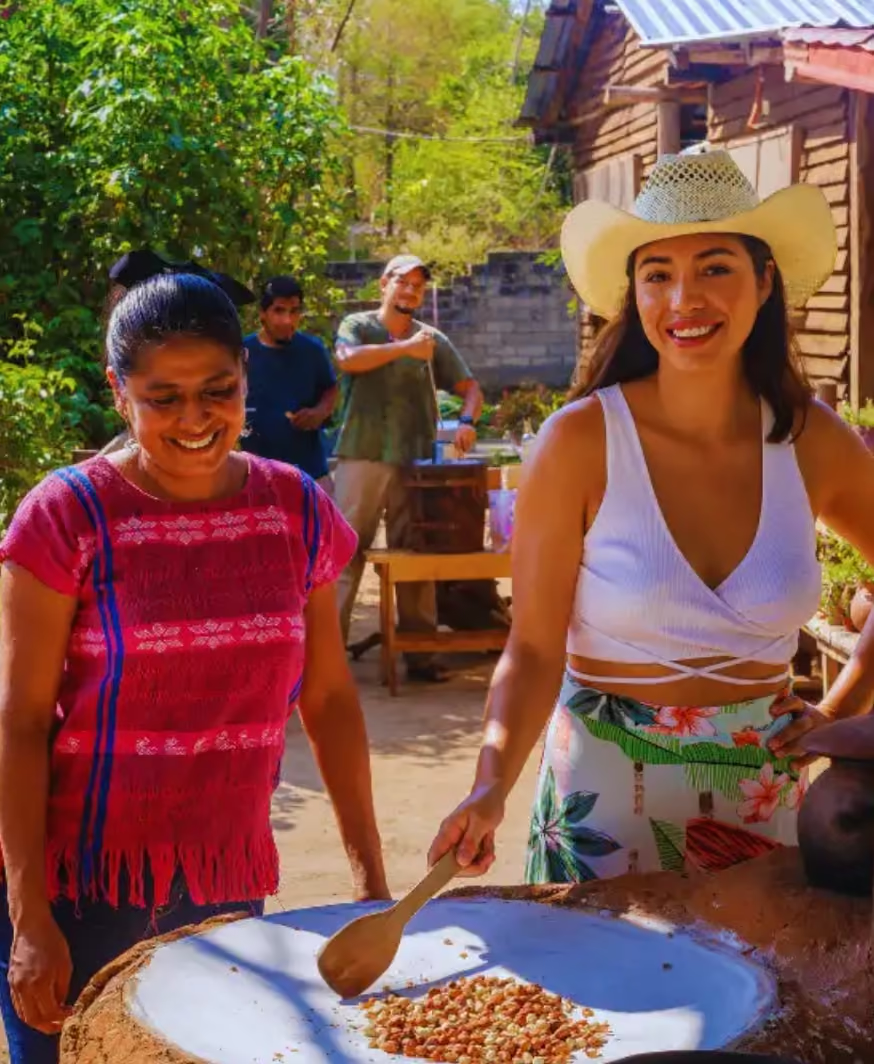
Visitarás el mercado local con una comidera —una mujer muy respetada, conocida por preparar banquetes tradicionales para las celebraciones del pueblo—, quien te enseñará a elegir ingredientes locales antes de recibirte en la cocina de su hogar. Juntos, prepararán platillos ancestrales usando estufas de leña, metates y molcajetes: sopas hechas a mano, mole tradicional, postres locales, café y chocolate. La experiencia se siente íntima, auténtica e increíblemente especial; más que un tour, es como ser invitado a formar parte de la tradición familiar de alguien por un día.
Qué incluye esta ruta de 7 días: Las experiencias culturales y arqueológicas esenciales de ambas ciudades, el circuito artesanal de los Valles Centrales, la introducción al mezcal, la tradición muralista y la gastronomía de ambas ciudades. Lo que no incluye: Hierve el Agua (para un segundo viaje), la Sierra Norte, Puebla como excursión de un día y cualquier extensión a la costa.

El itinerario de 10 días por Ciudad de México y Oaxaca
Días 1 a 4: Ciudad de México (ampliado de la versión de 7 días)
Día 1: Orientación en el Centro (igual que en el itinerario de 7 días). Día 2: Teotihuacán (igual que en el itinerario de 7 días). Día 3: Chapultepec — Museo Nacional de Antropología (2.5 a 3 horas), almuerzo en Polanco, Museo Soumaya (1.5 horas). Tarde-noche: Ballet Folklórico en Bellas Artes si hay función programada. Día 4: Coyoacán — Museo Frida Kahlo, mercado de Coyoacán, Anahuacalli (la colección prehispánica de Rivera), paseo por la tarde en San Ángel.
Día 5 — Traslado: Excursión matutina a Puebla (opcional, requiere salir muy temprano), O mañana libre para explorar la gastronomía y los mercados de la Roma Norte, vuelo por la tarde a Oaxaca.
Días 6 al 10 — Oaxaca (ampliado de la versión de 7 días)
Día 6: Llegada a Oaxaca, caminata por la ciudad, bar de mezcal, descanso temprano. Día 7: Monte Albán con guía certificado (por la mañana). Tour gastronómico por Oaxaca por la tarde (2 a 3 horas, incluye el Mercado 20 de Noviembre y paradas específicas de comida callejera). Día 8: Valle Central día completo — Hierve el Agua (las cascadas petrificadas, a 65 km al este), incluyendo paradas en el valle de Tlacolula (El Tule, ruinas de Mitla, tejidos de Teotitlán). Día 9: Día de mezcal — día completo en la Sierra Sur con un productor específico, incluyendo una cata de variedades silvestres y una demostración de producción. Esta es la experiencia que no cabe en el itinerario de 7 días. Día 10: Clase de cocina por la mañana. Tarde libre o compras de artesanías. Vuelo por la noche o salida a la mañana siguiente.
Lo que añade la versión de 10 días: El Museo Nacional de Antropología (que profundiza en Teotihuacán y Monte Albán), la conexión precolombina de Anahuacalli/Rivera, Hierve el Agua, un día dedicado al mezcal con un solo productor y un tour gastronómico en Oaxaca independiente de la clase de cocina.
Qué priorizar si tienes que recortar algo
En cuanto a CDMX, en orden de importancia:
- Teotihuacán — visita obligada
- Murales del Palacio Nacional — 60 minutos, gratuito, fundamental
- Museo Nacional de Antropología — esencial para 10 días, prescindible para 7
- Museo Frida Kahlo — muy valioso, pero a veces no hay entradas disponibles; ten un plan B (Anahuacalli es una excelente alternativa)
- Barrio de Coyoacán — agradable, pero no esencial si el tiempo es limitado
En el lado de Oaxaca, por orden de importancia:
- Monte Albán: visita obligada
- Circuito artesanal de los Valles Centrales (mínimo Teotitlán)
- Clase de cocina o tour gastronómico (al menos uno)
- Visita a una destilería de mezcal (al menos una parada en un palenque, aunque no sea un día completo)
- Hierve el Agua: muy recomendable, pero depende de la logística (posibles bloqueos en la carretera)
Orden de reserva y plazos
- Vuelos (resérvelos primero, todo lo demás se ajusta a ellos): llegada a CDMX, CDMX–Oaxaca, salida desde Oaxaca.
- Entradas con horario para el Museo Frida Kahlo (se agotan con semanas de antelación para los fines de semana): reserve en cuanto confirme los vuelos.
- Alojamiento en Oaxaca (para el Día de Muertos o la Guelaguetza: reserve con 6 a 12 meses de antelación; fechas normales: de 4 a 6 semanas antes).
- Alojamiento en CDMX: de 3 a 6 semanas de antelación para fechas normales.
- Días con guía privado (Teotihuacán, Monte Albán): de 2 a 4 semanas de antelación para fechas normales.
- Clase de cocina y día de mezcal: de 2 a 3 semanas de antelación.
Precios de paquetes para 2026
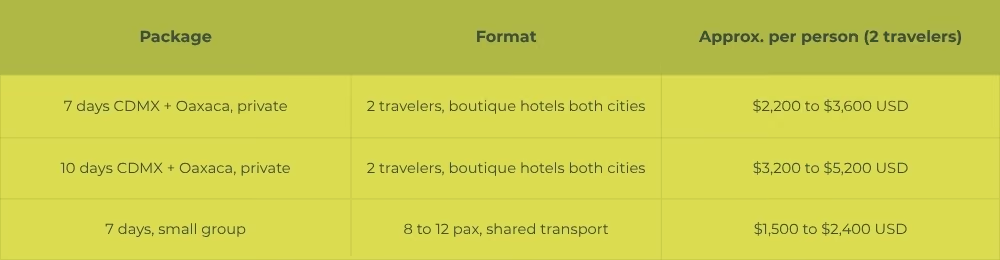
No incluye: vuelos internacionales, seguro de viaje, comidas personales, propinas, entradas al Museo Frida Kahlo. [VERIFICAR ANTES DE PUBLICAR: confirmar todos los rangos con la lista de tarifas actual de Rutopía]
Opciones disponibles para reserva
- Tour en grupo reducido de 7 días por CDMX y Oaxaca (Intrepid Travel o G Adventures): Formato grupal, ambas ciudades, solo transporte terrestre. Aproximadamente de 1,800 a 2,400 USD por persona.
- Ruta privada personalizada de 7 o 10 días por CDMX y Oaxaca (Rutopía): Diseñada según tus intereses, con guías certificados en ambas ciudades y gestión de reserva de hoteles. Contáctanos para consultar disponibilidad y precios actuales.
Preguntas frecuentes
¿Qué ciudad debería visitar primero, CDMX u Oaxaca? Casi siempre, primero la Ciudad de México. La ciudad ofrece un contexto cultural y arqueológico que hace que la experiencia en Oaxaca sea mucho más enriquecedora. Además, la CDMX te ayuda a aclimatarte a la altitud (2,240 m) antes de llegar a Oaxaca (1,550 m); aunque Oaxaca está técnicamente a menor altura, las dos semanas de exposición acumulada hacen que la adaptación sea insignificante. Si llegas a Oaxaca directamente desde el nivel del mar, necesitarás un día adicional para adaptarte a la altitud.
¿Puedo hacer esta ruta en menos de 7 días? Mínimo 5 días: 2 noches en CDMX (Teotihuacán + orientación de la ciudad) y 3 noches en Oaxaca (Monte Albán + un día en el valle + clase de cocina). Es posible, pero resulta en una versión apresurada de ambas ciudades. 7 días es el mínimo recomendable.
¿Es caro el vuelo de CDMX a Oaxaca? No. Los vuelos nacionales en México son significativamente más baratos que los internacionales. Reservar con 6 a 8 semanas de antelación en Volaris o VivaAerobus suele ofrecer tarifas de 800 a 1,500 MXN (40 a 75 USD) por trayecto. Las tarifas de última hora son más elevadas; reserva en cuanto confirmes tus fechas de viaje.
¿Cuál es el punto culminante gastronómico del viaje combinado? Es subjetivo, pero la respuesta constante de los viajeros que han hecho ambos es: la clase de cocina en Oaxaca, específicamente el momento en que el mole negro que han estado preparando toda la mañana se añade a la olla y comienza a reducirse. Para ese punto del viaje, ya han probado mole en CDMX, han comido mole en los mercados de Oaxaca y han visto el proceso; por primera vez, entienden lo que han estado degustando.
¿Puedo extender el viaje a Chiapas después de Oaxaca? Sí, y es una extensión natural. Vuela de Oaxaca a Tuxtla Gutiérrez (generalmente vía CDMX) y luego continúa hacia San Cristóbal de las Casas para recorrer Chiapas. El plan de itinerario para Oaxaca y Chiapas cubre esa extensión por completo.
Looking for more Mexico travel resources? Be sure to check out:
- Los mejores tours en Ciudad de México para reservar en 2026
- Los mejores tours en Oaxaca para reservar en 2026 (hub)
- Los mejores paquetes de itinerario en Ciudad de México para viajar en 2026
- Qué saber sobre los paquetes de itinerario en Oaxaca para 2026
- Guía de tours a Teotihuacán desde Ciudad de México para 2026
- Guía completa de tours a Monte Albán para 2026
Escrito por
Design your trip to Mexico with a local travel designer. Unique activities and lodging, 100% tailor-made and stress-free.
.webp)
Publicaciones relacionadas

Duration:
Blog title heading will go here
Days
15-lugares-unicos-en-mexico
Explora 15 lugares únicos en México que destacan por su belleza natural, cultura y autenticidad. Desde playas escondidas hasta pueblos mágicos, descubre destinos sorprendentes que te mostrarán otra faceta de México.
Leer más
Duration:
Blog title heading will go here
Days
Chiapas Visit Guide
Visitar Chiapas ayuda a entender México. Es el estado con los paisajes naturales más impresionantes y hogar de comunidades indígenas.
Leer más

Duration:
Blog title heading will go here
Days
Best Yucatán Itinerary Packages For 2026 Travel
Best Yucatán itinerary packages for 7, 10 and 14 days: ruins, cenotes, coast and Mérida. Ready templates from Rutopía's Yucatán trip team.
Leer más
Únete a nosotros sobre esto
viaje
Planifica tu viaje con nosotrosviaje
Únete a nuestro newsletter para mantenerte al tanto de novedades y consejos para tus viajes.
¡Vaya! Se ha producido un error al enviar el formulario.
Ready to experience the real Mexico?
Travel with local experts and get hangds-on supoort every step of the way... from planning to arrival.
Your Travel Companion in Mexico, 24/7
We're with you from arrival to departure via WhatsApp for anything you need.

Trusted by thousand of travelers with a 4.9 rating on Google