Customize my trip


When Is The Best Time To Book Oaxaca Tours?
Best time to book Oaxaca tours: Guelaguetza, Day of the Dead, rainy season months and high-price weeks. Booking windows from our local team.

Content
They highlight our work



Unique trips in Mexico.
Tailor made for you.
Request your tripTailor made for you.
Let a local guide help you plan your trip to Mexico
Start tailor-made tripThe best time to book Oaxaca tours depends on two things that most travel guides conflate: when to visit, and when to book. The first is about weather, festivals, and crowds. The second is about lead time — how far ahead you need to lock in guides, accommodation, and experiences before they're gone. They don't always align. Day of the Dead in Oaxaca is one of the most remarkable events in Mexico, and booking for it when the weather question says "go in November" is already too late. This guide separates the two clearly and covers both. For a trip with specific dates, our team knows the current availability picture.
The two seasons: dry and rainy, honestly assessed
Oaxaca City sits at 1,550 meters in the Central Valleys. Its climate is semi-arid and mild year-round by the standards of tropical Mexico: temperatures rarely exceed 30°C in summer or drop below 5°C in winter nights. The dominant seasonal variable is rain.
Dry season (November through May): Clear skies, dusty valleys, comfortable daytime temperatures. The archetypal Oaxaca weather. Also the most crowded period, especially December through January and March through April when international tourism peaks alongside Mexican school holidays.
Rainy season (June through October): Afternoon rain, usually arriving between 2:00 and 5:00 p.m. and clearing by evening. The mornings are often clear and cool. The valleys turn green, the vegetation around Hierve el Agua is lush, and the city's flowers come into full color. The rain is not a reason to avoid Oaxaca; it's a reason to schedule outdoor activities in the morning and embrace the afternoon rhythm. Prices for hotels and many experiences drop 15 to 30 percent compared to dry-season peaks.
One note that often surprises travelers: the rainy season in Oaxaca is far more manageable than the rainy season on Mexico's coasts or in Chiapas. The Sierra Norte gets heavy rain, which affects the Pueblos Mancomunados trails (they stay open but become muddier). The Central Valleys get moderate afternoon rain that clears reliably. Oaxaca City itself rarely experiences flooding or serious weather disruption.
Month-by-month: what each month actually offers
January: Dry, clear, cold nights. Post-holiday lull means good availability and moderate prices. An excellent month for first-time visitors who want the best weather without the December festival premium.
February: Dry and warm by midday. Valentine's Day sees a small uptick in couples travel and boutique hotel bookings. One of the more underrated months overall.
March: Spring break for U.S. and Mexican schools makes this one of the busiest months of the year. Prices rise, Monte Albán gets crowded, and boutique hotel availability in the centro tightens. Book 3 to 4 months ahead for this window.
April: Holy Week (Semana Santa) is the peak crowd event of the dry season, typically the last week of March or first week of April. The city fills with Mexican domestic travelers. Accommodation books out fast. If you're visiting during Semana Santa intentionally, book 4 to 6 months ahead; if you're avoiding it, give the weeks around Easter a wide berth.
May: Shoulder month. The last of the dry weather, fewer crowds than March or April, and reasonable prices. Hierve el Agua is accessible and the valley vegetation is at its most dramatic before the rains arrive. A genuinely good month that few guides highlight.
June: First rains arrive, usually in the second half of the month. The Guelaguetza festival (see below) dominates the second half of July but the preceding weeks see accommodation filling for the wider festival period. Book by January for late June to July.

July: Guelaguetza month. The most important indigenous dance festival in Mexico draws visitors from across the country and internationally. The city is busy, loud, beautiful, and worth experiencing once. Hotels are full for the two key Mondays. Beyond the festival itself, July is a strong birdwatching month in the Sierra Norte despite the rain.
August: Post-Guelaguetza lull, with the rainy season at its most consistent. Good availability, lower prices, and afternoon rain that creates dramatic skies over the valley. Underrated.
September: Deep rainy season. The Pueblos Mancomunados trails can be heavy; the roads to Hierve el Agua are occasionally affected by runoff. Oaxaca City is calm and local-feeling. Good for travelers who want to avoid tourist infrastructure entirely. Plus visiting during these transition months directly supports the community forest conservation projects.
October: The transition month, and one of the most interesting in the Oaxaca calendar. Rain tapers off by mid-month. The city begins preparing for Day of the Dead: marigolds appear in the markets, altars are built, the energy of the city shifts noticeably in the last two weeks. Accommodation for October 28 to November 2 is already gone by the time October arrives if you haven't booked.
November: Day of the Dead occupies the first four days (October 28 to November 2, with the most intense night being November 1 to 2 at the cemeteries). After that, Oaxaca settles into its best weather window: dry, clear, and at its most beautiful. November through mid-December is arguably the finest month for a non-festival Oaxaca visit.
December: Christmas markets, Radish Night (Noche de Rábanos) on December 23, Posadas processions through the streets, and New Year's celebrations. Beautiful and crowded. Prices are at their highest and accommodation must be booked months ahead.
The four festival windows that change the booking calculus
Guelaguetza — Late July (specific dates vary by year; always the last two Mondays of July. The festival is a competition of traditional dance from Oaxaca's eight regions, performed at the Cerro del Fortín amphitheater above the city. Main-stage tickets for the Guelaguetza performances sell out fast after release; free bleacher seating is available but fills early on the day. Hotels for festival week should be booked by January of the same year. Beyond the main event, the weeks around Guelaguetza include satellite events, parades, and market activity that make the whole month more interesting.
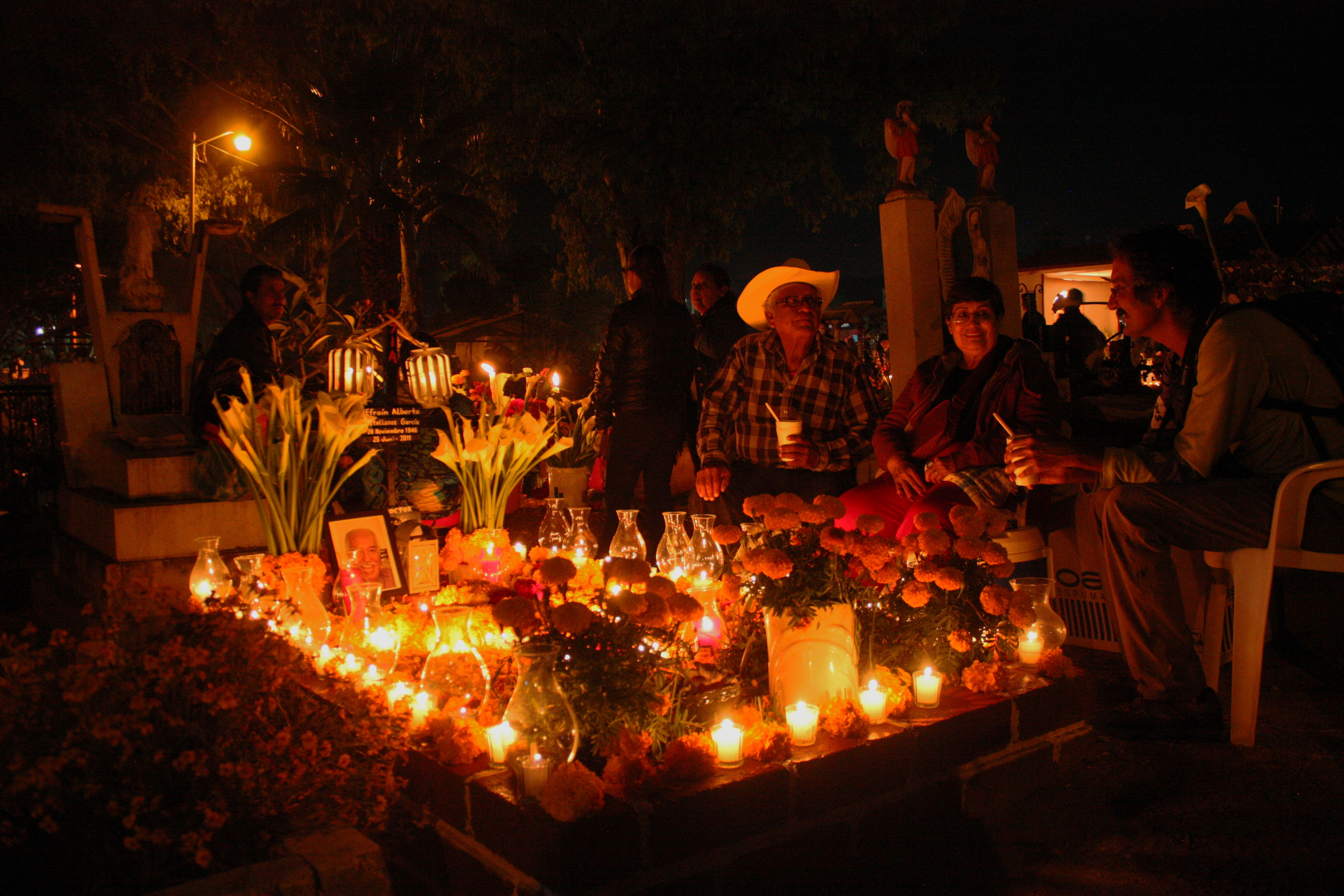
Day of the Dead — October 28 to November 2 This is the single most sought-after event on the Oaxaca calendar, and the booking lead time reflects it. The key experiences: cemetery visits at Xoxocotlán and Etla (local cemeteries that welcome visitors during the all-night vigil of November 1 to 2), the marigold altars throughout the city, the market activity. Accommodation for this week should be booked by February or March of the same year. Guided experiences with vetted operators for the cemetery visits should be arranged by the same timeline — the guides who do this well book out far ahead of anyone who does it badly. If you're reading this in September hoping to attend Day of the Dead in October, contact us immediately; availability may still exist through last-minute cancellations but it is not guaranteed.
Christmas and New Year — December 23 to January 2 Noche de Rábanos (Radish Night, December 23) is a peculiarly Oaxacan tradition: artisans carve elaborate scenes from giant radishes grown specifically for the occasion, and the finished works are displayed in the zócalo. It draws enormous local crowds and is one of the most genuinely local events in the Oaxaca calendar. The period from December 23 through New Year's Day is the most expensive window for accommodation, with many properties requiring minimum stays. Book by September.
Semana Santa — March/April Holy Week brings the largest volume of domestic Mexican travelers to Oaxaca City. The historic center is packed from Thursday to Sunday. If the city energy during a major festival appeals to you, book 4 months ahead. If it doesn't, avoid this window.
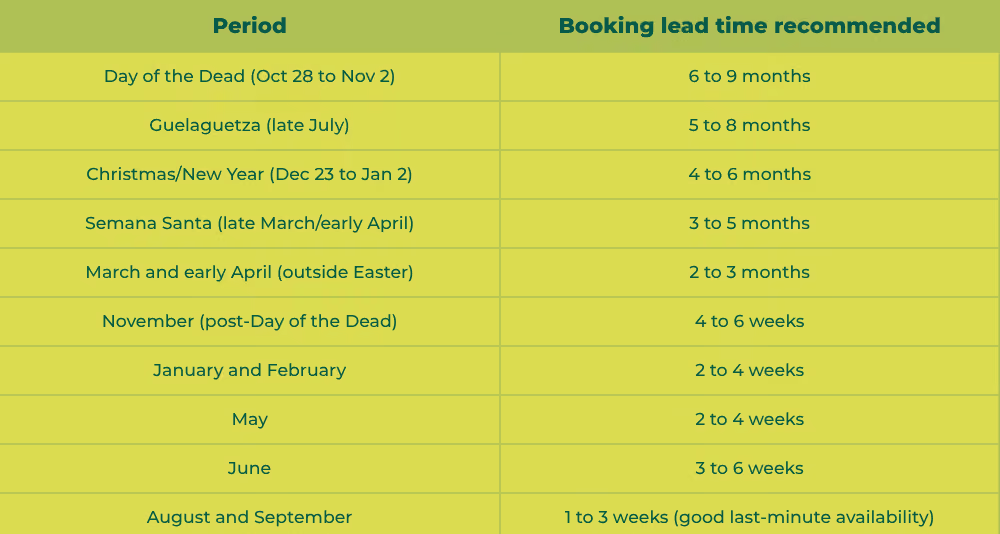
When to book for each period: lead time by season
The underrated months: where the value actually is
May: Our most consistent recommendation for travelers who want excellent weather, low crowds, and a Oaxaca that feels local rather than touristic. The valley is at its driest and most dramatic before the rains arrive. Artisan workshops have time for longer visits. Private guide availability is good. Hotel prices are off-peak.
November (after November 3): The Day of the Dead crowds clear abruptly, the weather turns perfect (dry, clear, warm days, cool nights), and the city is at its most settled. This is the window locals tend to describe as their favorite time. Accommodation still needs to be booked a few weeks ahead because some travelers extend their Day of the Dead trips, but the urgency of the October window is gone.
February: Dry, warm, and genuinely quiet. Valentines Day creates a small bump in couples travel, but the month overall has some of the best boutique hotel availability and pricing of the dry season. A good month for travelers who want to move slowly and have workshops and guides to themselves.
Weather by activity: which conditions suit which tours
.avif)
Oaxaca has it all: rhythms, climates, and a ton of possibilities. That's why the perfect trip depends entirely on what you want to experience. Once we understand that, we can play with the region’s geography and seasons to put together an incredible experience that also leaves a positive impact. For example, if your vacation falls during the hottest time in the valleys (March and April), that's the perfect excuse to shift the route toward the coast and cool off at the beach. Now, if what you're after is the magic of the big festivals like the Guelaguetza or Day of the Dead, then yes, the absolute key is to book very far in advance. But watch out: the most authentic and regenerative way to experience these dates isn't by staying holed up in the city center. The real experience is out exploring the rural communities of the Central Valleys or the Sierra. That's where the traditions feel truly alive, with a deep sense of community, without crowds of people, and ensuring the economic benefit goes directly to local families.
Price variation across the year
A rough index for accommodation and guide costs relative to the annual average:
- December 23 to January 2: 40 to 60 percent above average
- Guelaguetza week (late July): 30 to 50 percent above average
- Day of the Dead (Oct 28 to Nov 2): 30 to 60 percent above average (boutique properties especially)
- Semana Santa week: 20 to 40 percent above average
- March and early April: 15 to 25 percent above average
- November (after Nov 3), January, February: At or near annual average
- May, June (early): 10 to 20 percent below average
- August, September: 15 to 30 percent below average
- October (before Oct 28): 5 to 15 percent below average (the best value window before Day of the Dead)
FAQ
Is the rainy season actually bad for travel? No. The afternoon rain in Oaxaca City is typically 1 to 3 hours and clears by early evening. Morning activities are unaffected. The city smells better, the flowers are more vivid, and the markets are less crowded. Travelers who visit in August or September often say it was their favorite time.
What is the absolute worst time to visit Oaxaca? There isn't one, really. The times that require the most planning are the festival weeks (Guelaguetza, Day of the Dead, Semana Santa) where accommodation and guide availability are tight. The times with the fewest visitors and the most value are August and September, which some travelers love and others find too quiet.
Can I attend Day of the Dead if I book late? Last-minute Day of the Dead trips to Oaxaca are possible but stressful. Accommodation in the historic center will be unavailable or very expensive; properties in outlying neighborhoods may still have rooms. Guided cemetery visits with good operators will be fully booked; independent visits to the cemeteries are possible but produce a different experience. Contact us as early as you can — we occasionally have cancellation slots, but they go fast.
Does the season affect mezcal tours? No. Palenques operate year-round and the mezcal in the bottle doesn't vary by tourist season. What does vary: producer availability (some smaller producers slow down during their own harvest seasons in late spring) and road conditions for the more remote Sierra Sur routes in heavy rain. Ask your operator about specific producer availability for your dates.
Is Oaxaca busier than it used to be? Yes, meaningfully so. The surge in international interest in Oaxacan food and mezcal from roughly 2018 onward has increased tourist volume substantially. The boutique hotel scene has grown to keep pace, but the best properties and the best guides still book out early during peak windows. The lead times in this guide reflect the current reality, not the more relaxed timelines that applied five years ago.
Given this boom, choosing to travel during shoulder seasons or choosing itineraries that decentralize tourism (directing economic flows away from the Historic Center toward less-visited communities in the Sierra or the valleys) is the best way to mitigate gentrification and ecological wear.
Looking for more Mexico travel resources? Be sure to check out:
Written by
Design your trip to Mexico with a local travel designer. Unique activities and lodging, 100% tailor-made and stress-free.
.webp)
Related posts
Duration:
Trip duration
Days
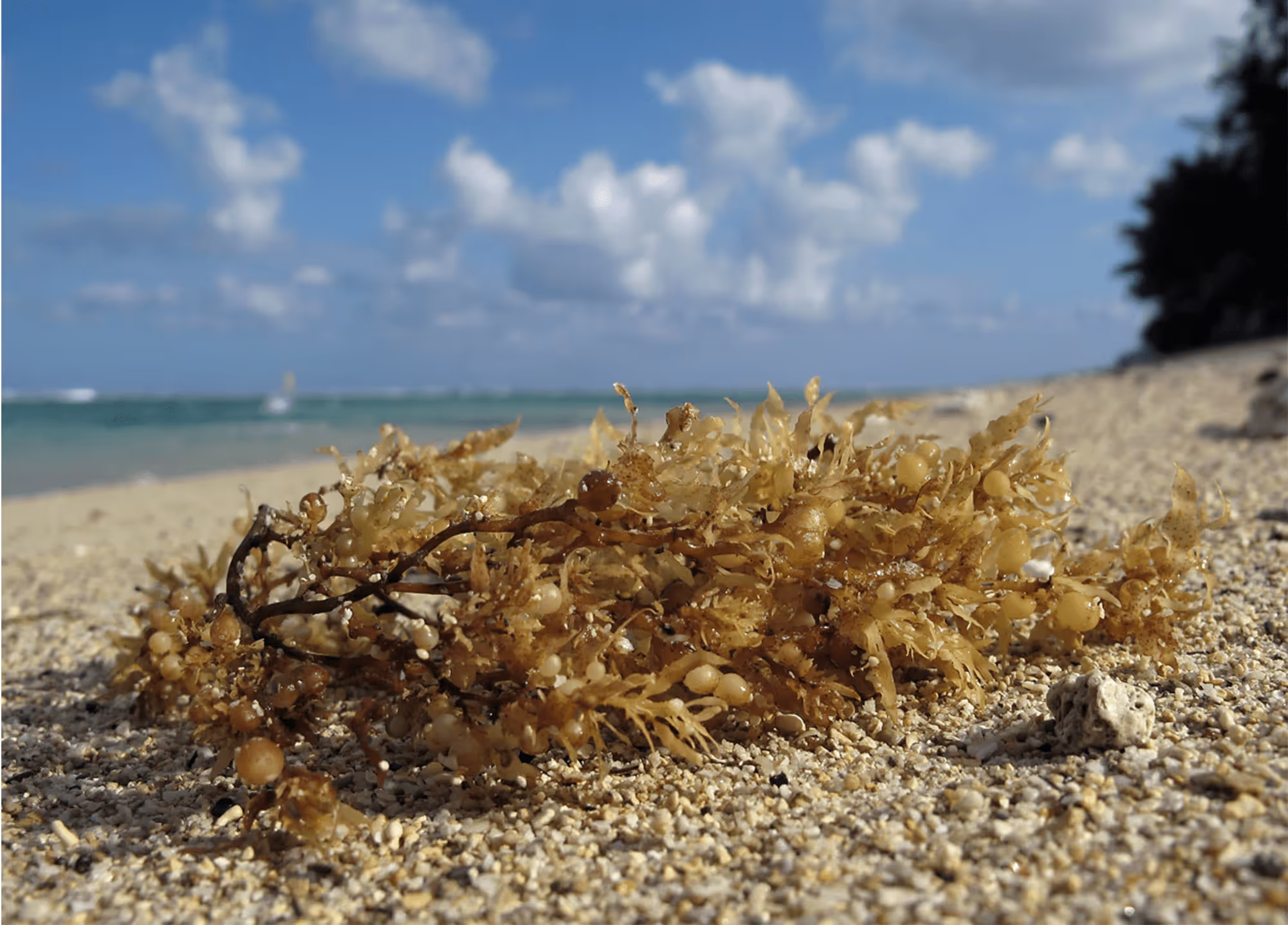
Sargassum Advice
Sargassum has arrived on Mexican beaches, but don't panic. The sargassum is temporary and doesn't reach all beaches.
Read more
Duration:
Trip duration
Days
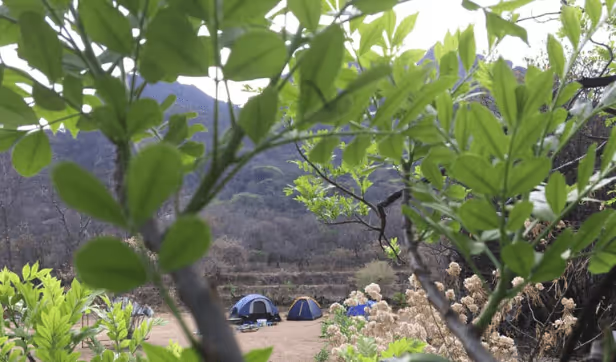
4 Places to Camp and Explore Near CDMX
Escape the bustle of CDMX and enjoy nature at these 4 ideal camping destinations, perfect for an adventure near the city.
Read more
Duration:
Trip duration
Days
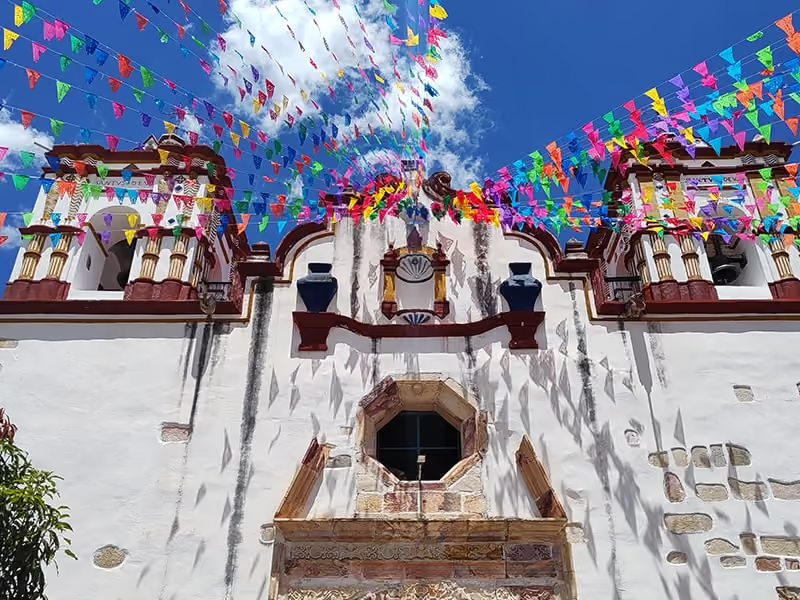
Best Oaxaca City Tour Options For 2026
Best Oaxaca city tour options compared for 2026: walking routes, food tours, private guides and which one fits your trip. From our Oaxaca-based team.
Read more
Join us on this
journey
Plan your trip with usjourney
Join our newsletter to stay up to date on features and releases.
Oups ! Une erreur s'est produite lors de l'envoi du formulaire.
Ready to experience the real Mexico?
Travel with local experts and get hangds-on supoort every step of the way... from planning to arrival.

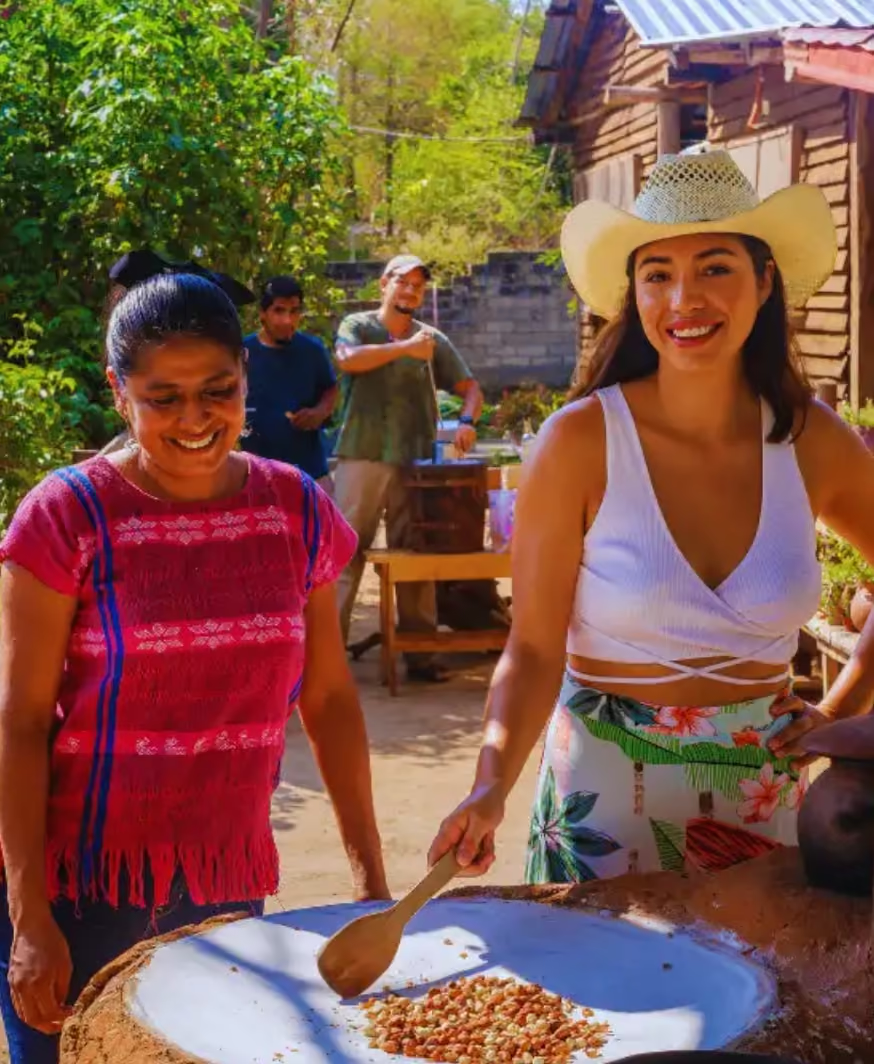
Your Travel Companion in Mexico, 24/7
We're with you from arrival to departure via WhatsApp for anything you need.
Trusted by thousand of travelers with a 4.9 rating on Google