Customize my trip


Puebla Tours: Where the World's Largest Pyramid Hides Inside a Hill
Welcome to Puebla: a UNESCO World Heritage colonial city built within sight of two volcanoes, where mole poblano was invented and the largest pyramid on Earth by volume is disguised as a hill. Rutopía takes you from Baroque church interiors to underground city tunnels, plus the Talavera workshops and mountain villages most day-trippers from Mexico City never reach.
Itineraries by duration:
Itineraries by interest:
By destinations:
A Colonial Capital in the Shadow of Volcanoes
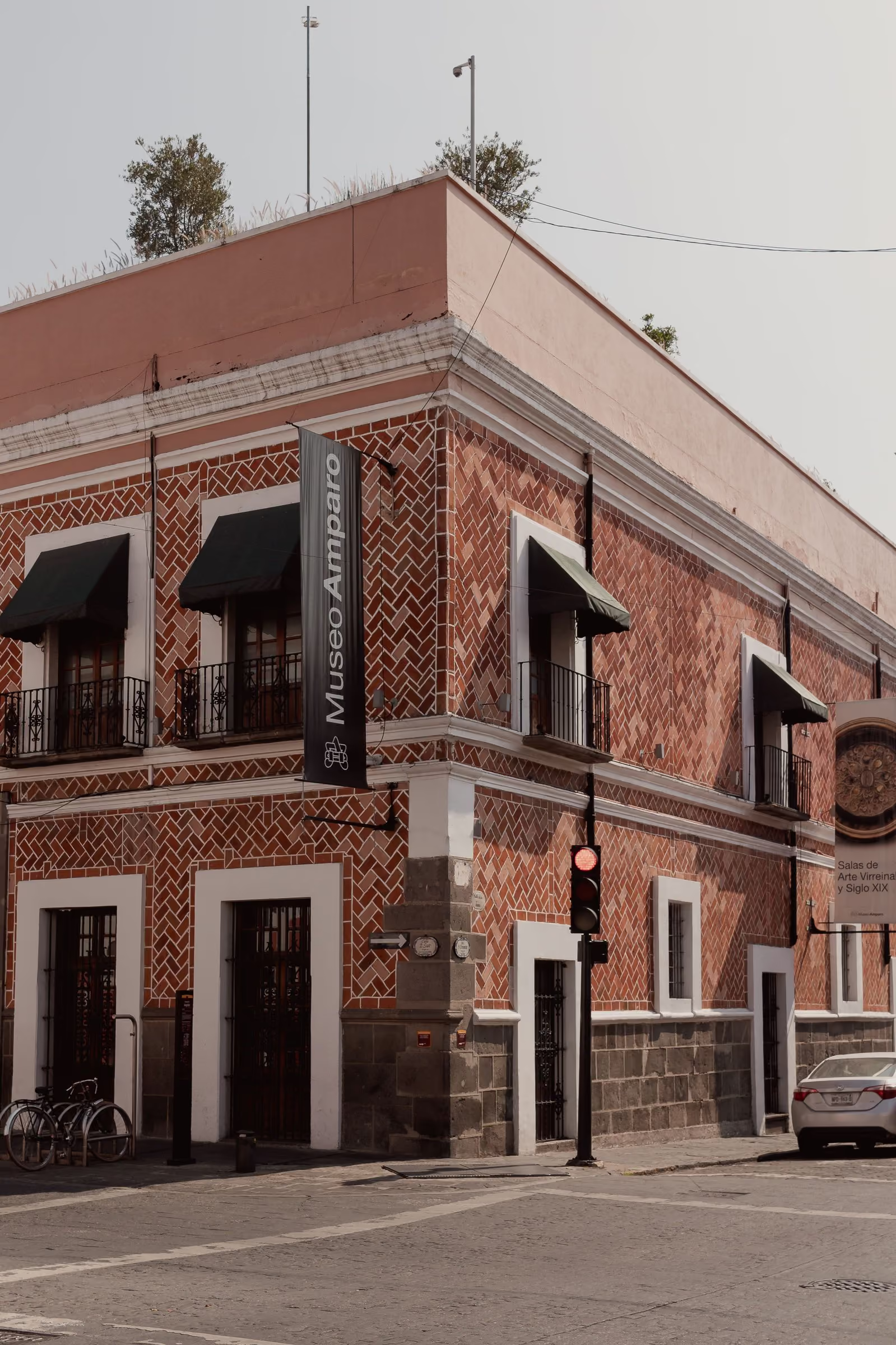
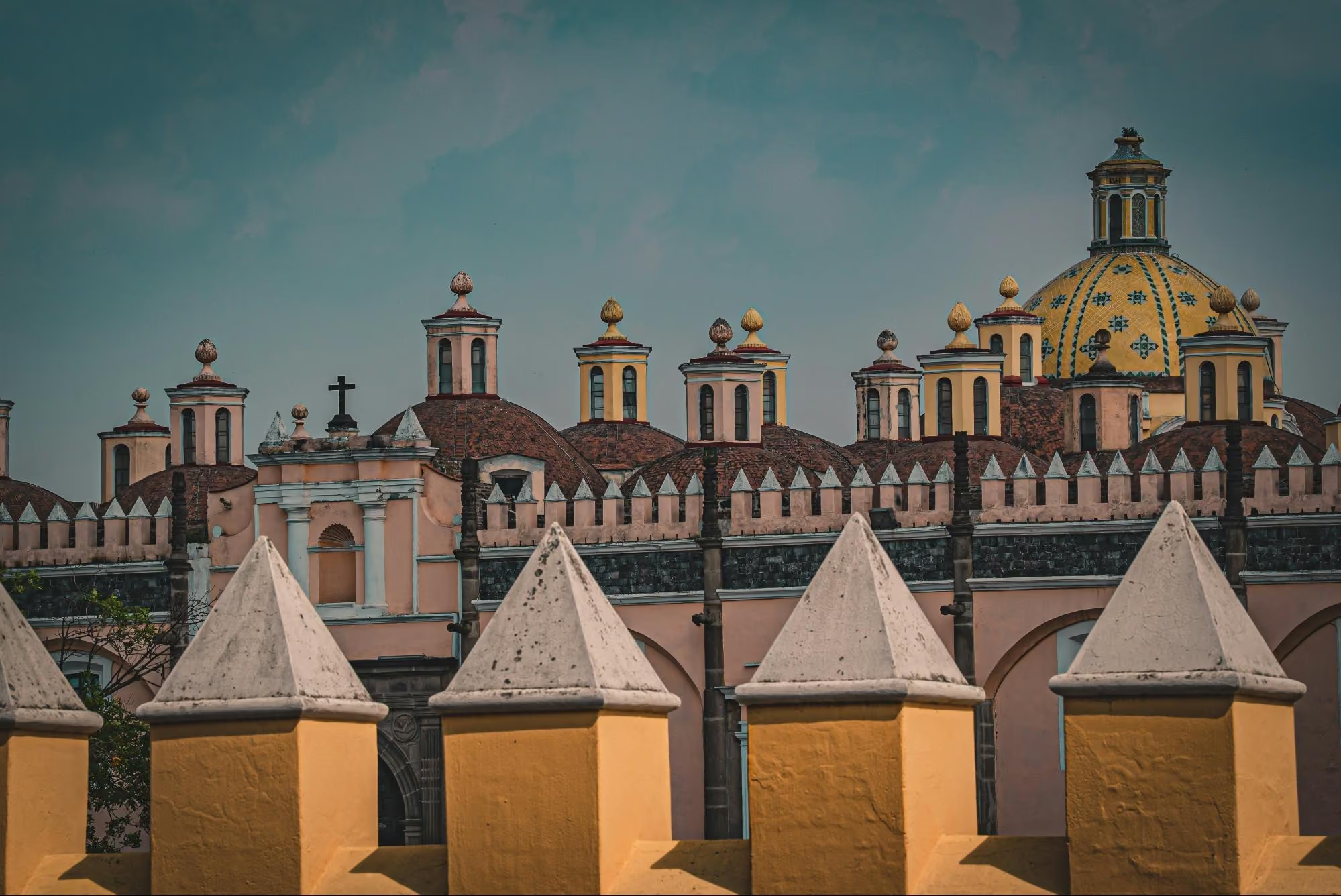
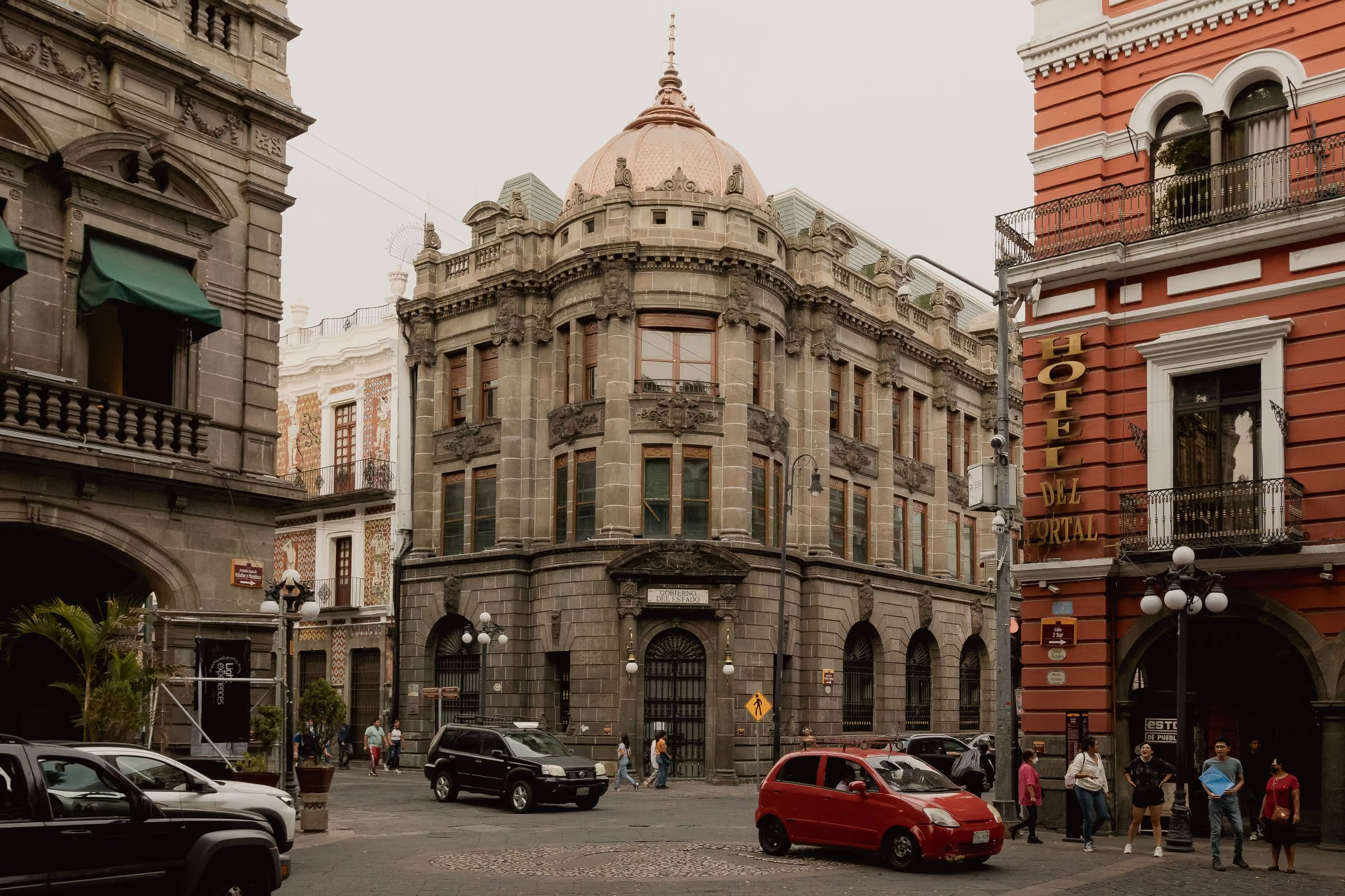
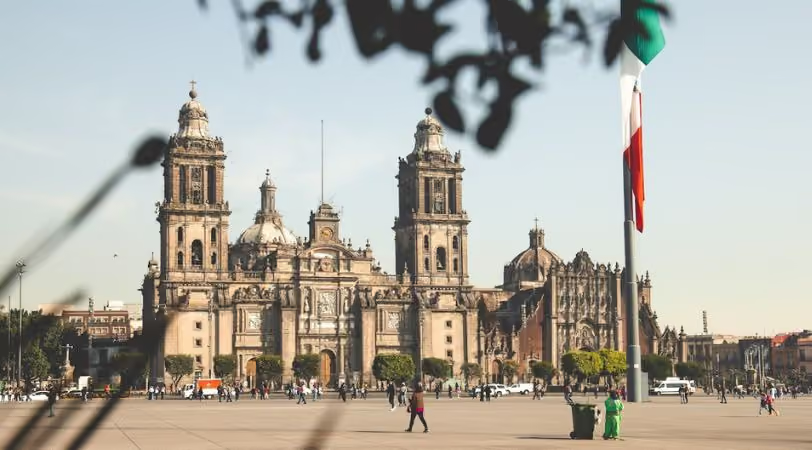
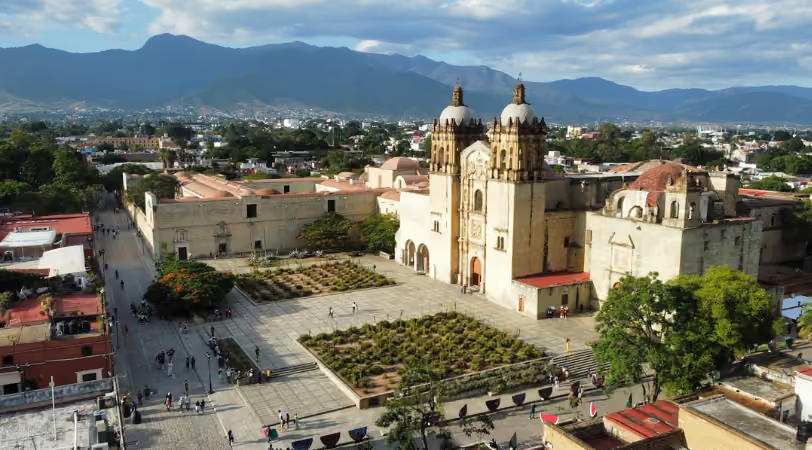
Puebla City's historic center is a UNESCO World Heritage Site with one of the highest concentrations of colonial architecture anywhere in Mexico, built around a cathedral with the tallest towers in the country. Just outside the center, a network of tunnels beneath the city, opened to visitors in 2005, reveals how colonial Puebla moved people and supplies underground, out of sight of the street above.
Puebla for Every Kind of Traveler
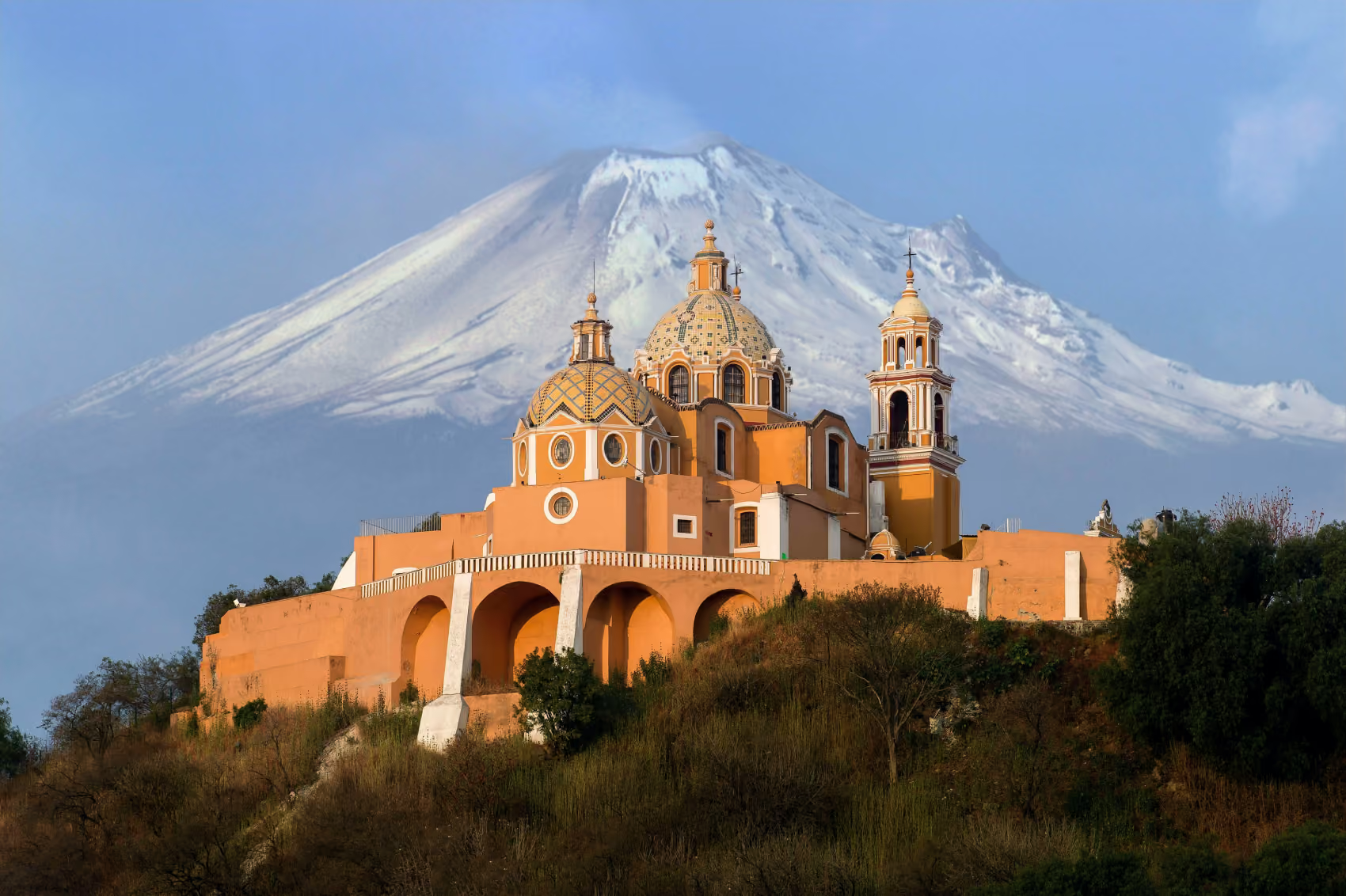
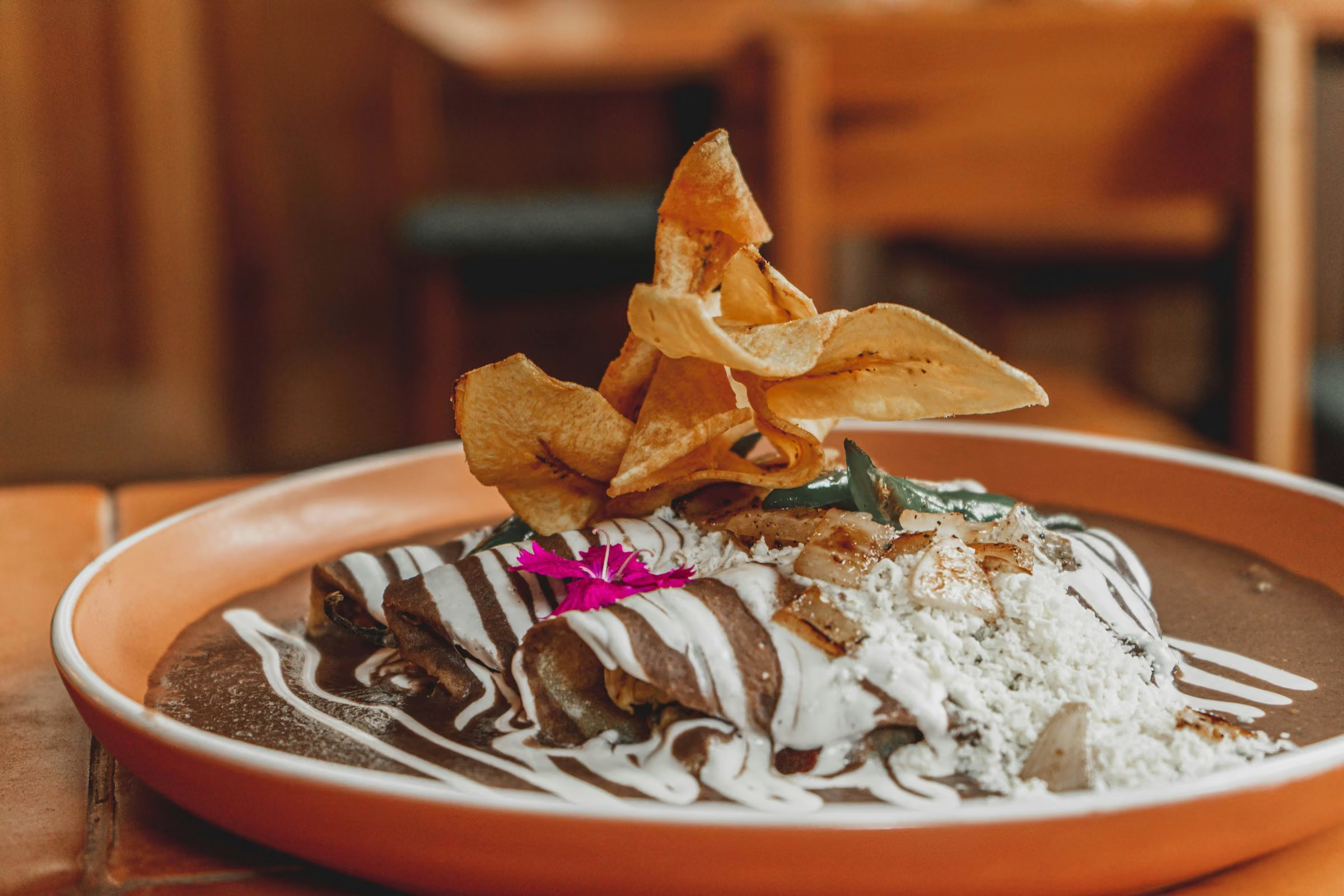
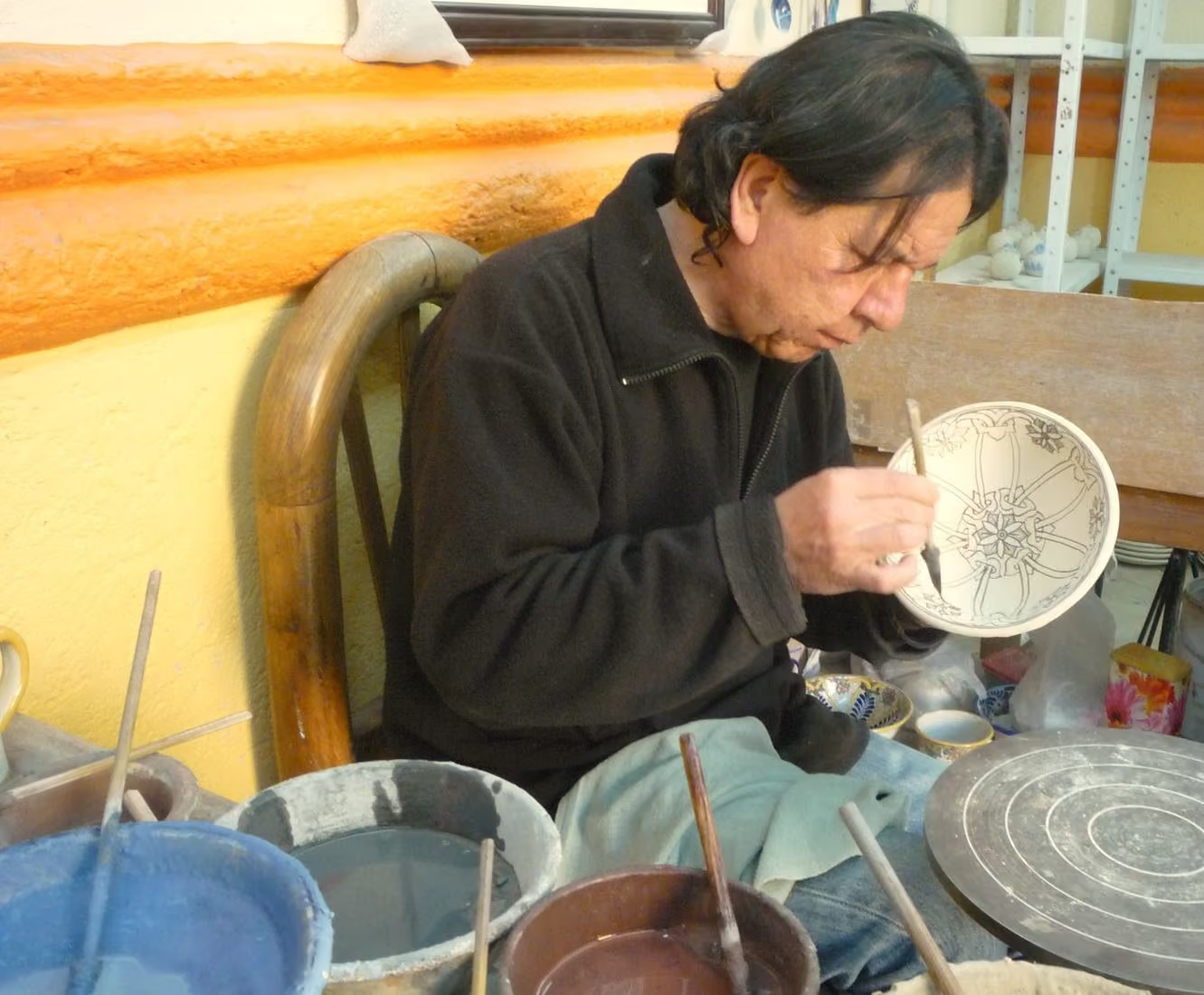
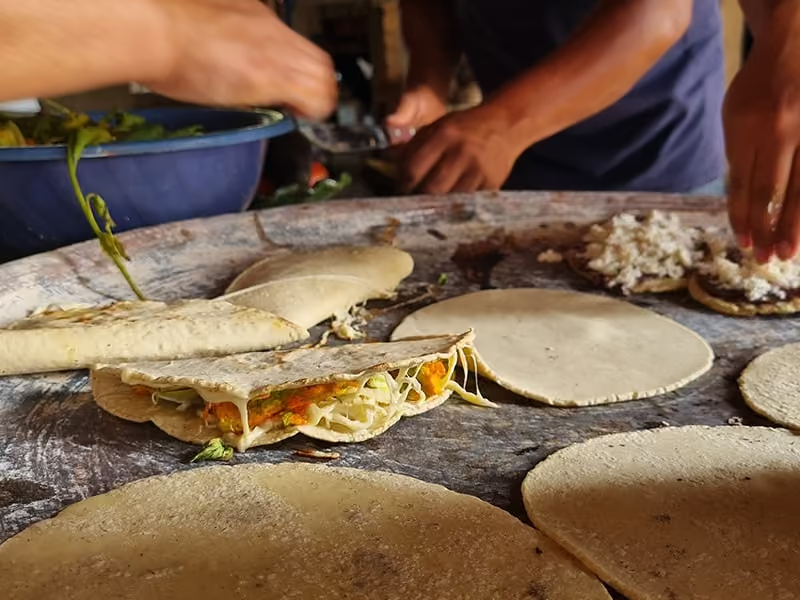
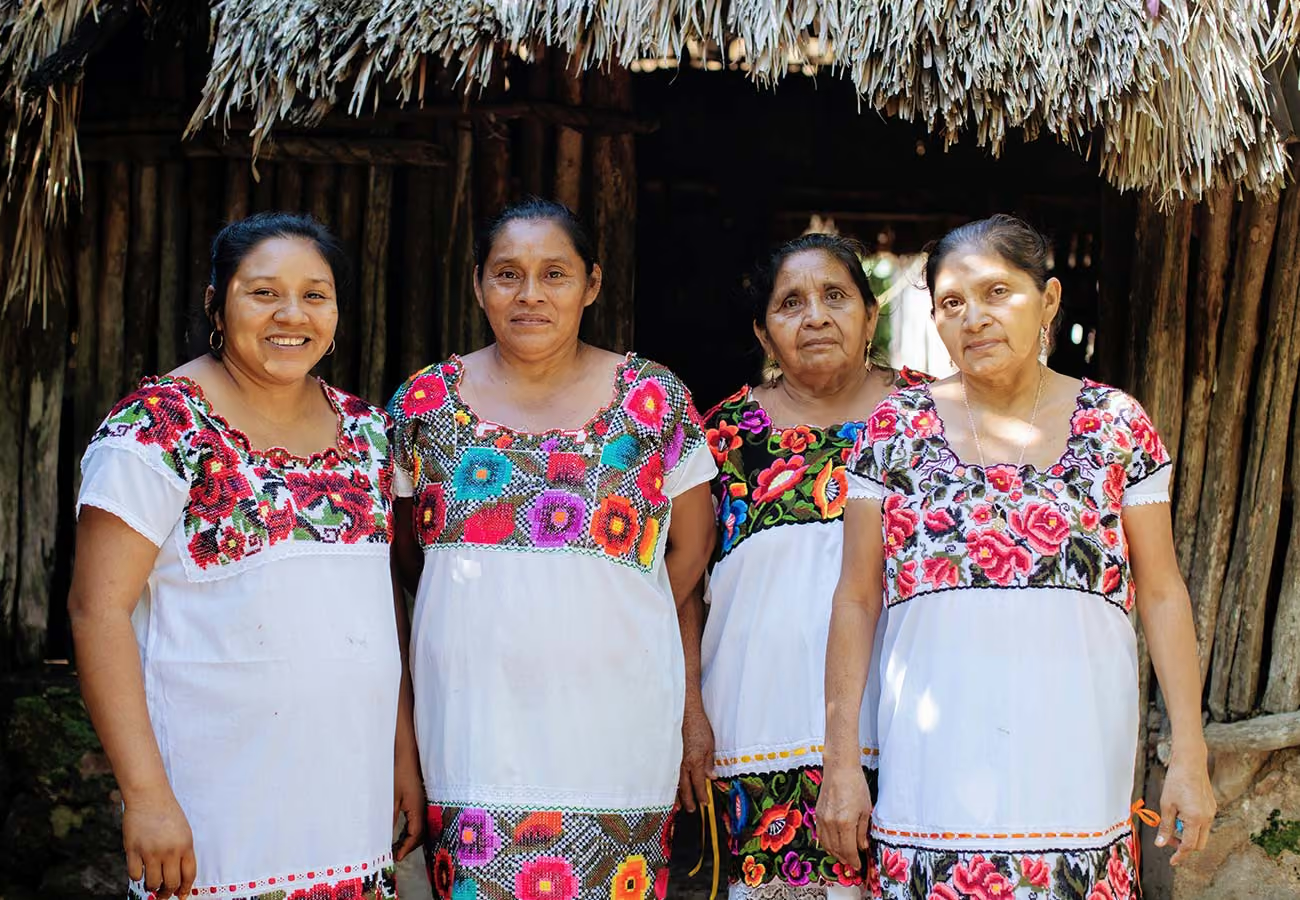
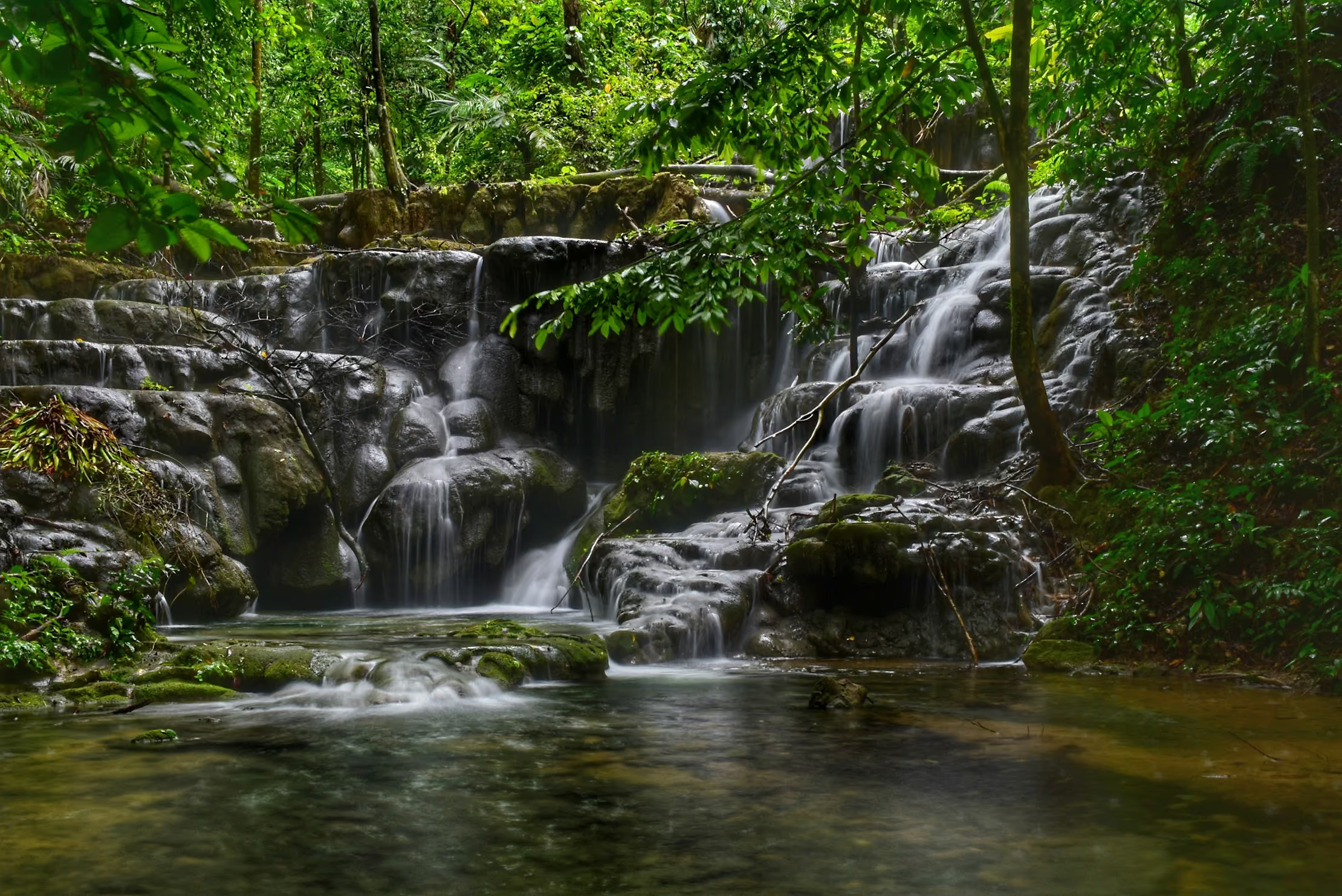
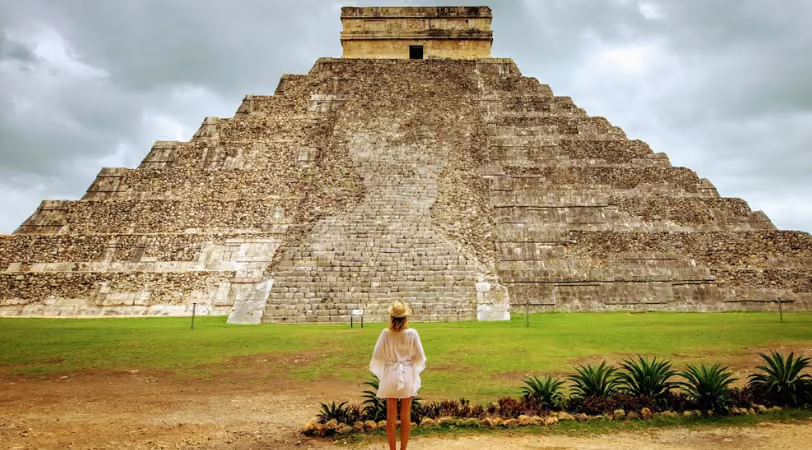
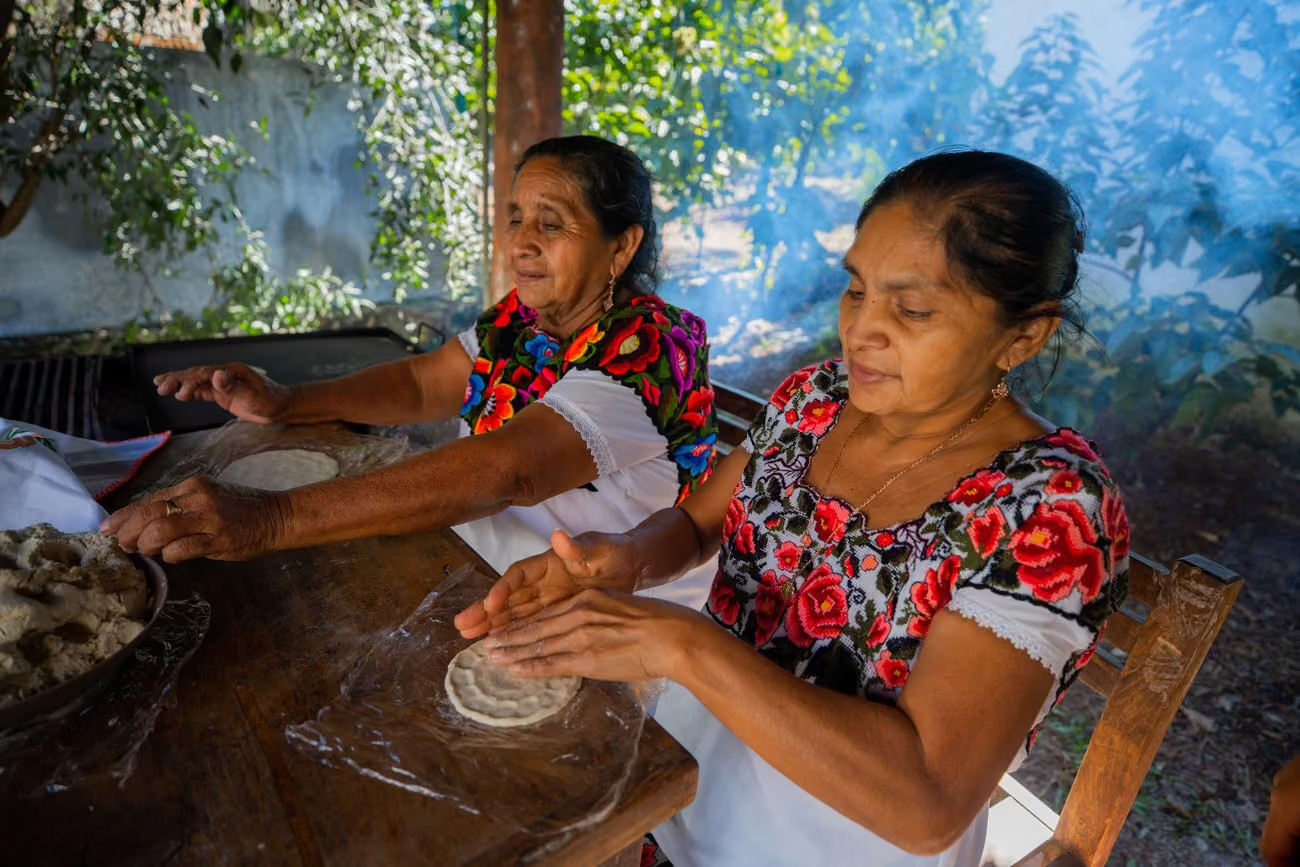
Come for mole poblano and chiles en nogada, the walnut-sauce stuffed pepper dish invented here and traditionally served in late summer. At Talavera de la Reyna, you can watch artisans mold, hand-paint, and fire pieces in wood-fired kilns using techniques passed down since the 16th century. Cross into Cholula for the Great Pyramid, the largest on Earth by volume, though centuries of overgrowth mean you might mistake it for a natural hill until you reach the colonial church built on top. And if you want to go further off the map, head into the Sierra Norte, where the Nahua and Totonac cooperative Tosepan Kali welcomes visitors for waterfall hikes, an organic coffee and native-bee honey tour, backstrap-loom weaving lessons, and a night in a bamboo cabin, or spend a morning in San Mateo Ozolco learning fifteen native corn varieties by their Nahuatl names before grinding, cooking, and eating them with the family that grew them.
Baroque Interiors and an Underground City
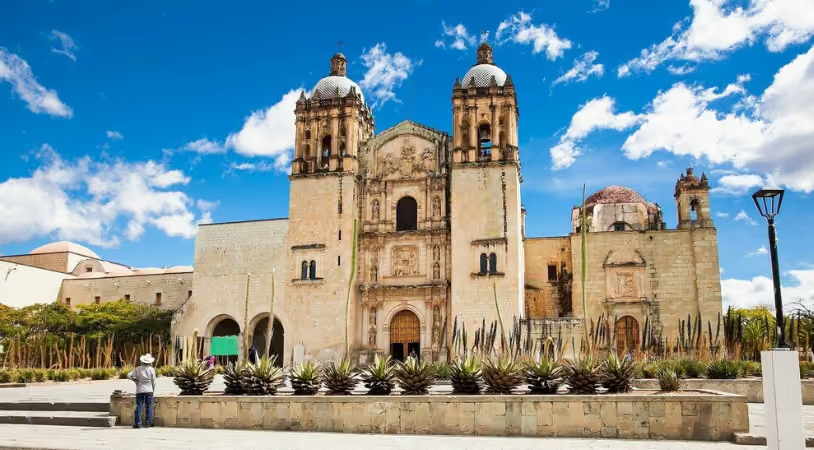
Puebla's Capilla del Rosario, inside the Templo de Santo Domingo, is one of the finest Baroque interiors in the Americas, a chapel covered floor to ceiling in gold leaf and stucco that locals still call the eighth wonder of the world. A few blocks away, the Biblioteca Palafoxiana holds the title of first public library in the Americas, founded in 1646 and recognized by UNESCO as a Memory of the World site.
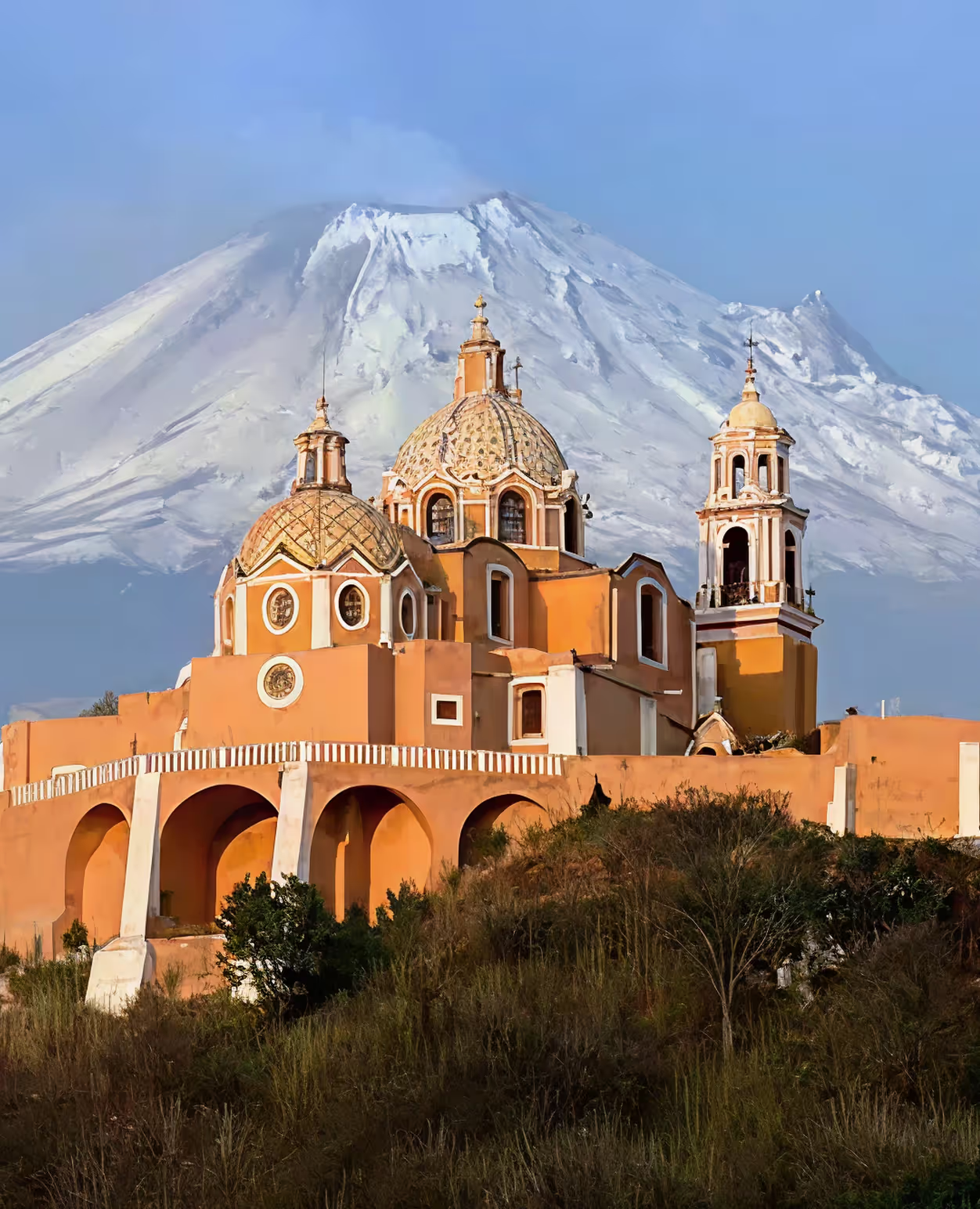
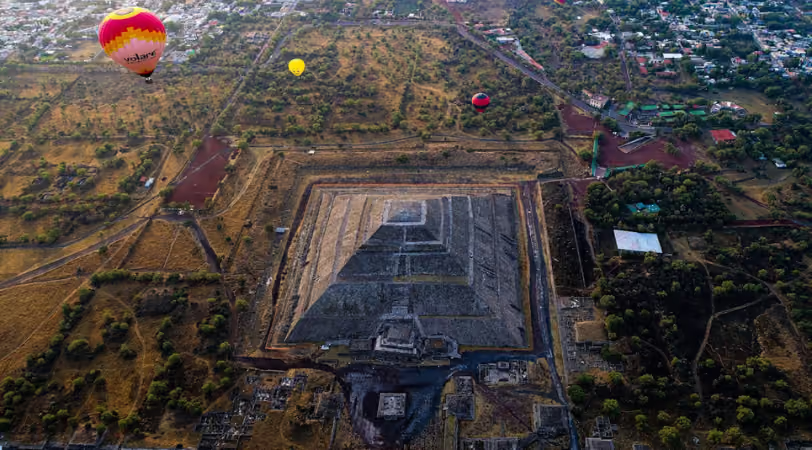
Eight kilometers away, Cholula flips the script entirely: its Great Pyramid, Tlachihuáltépetl, outweighs Egypt's Great Pyramid of Giza in total volume, yet spent centuries disguised as a hill until the colonial Sanctuary of Nuestra Señora de los Remedios was built on its summit. The town around it claims 37 churches, with Popocatépetl and Iztaccíhuatl volcanoes visible from the pyramid on a clear day.
Must-Visit Spots
Puebla pairs colonial grandeur with some of Mexico's most surprising archaeology, and a cooperative well worth the extra drive. Here's the shortlist.
Puebla City's Centro Histórico. UNESCO-listed colonial core anchored by a cathedral with the tallest towers in Mexico and a network of underground tunnels open to visitors.
Talavera de la Reyna Workshop. Watch artisans hand-paint and wood-fire traditional Talavera pottery using techniques still practiced as they were in the 16th century.
Cholula and the Great Pyramid. The largest pyramid on Earth by volume, disguised as a hill for centuries and topped by a colonial sanctuary with volcano views.
Tosepan Kali, Sierra Norte. A Nahua and Totonac cooperative in Cuetzalan offering waterfall hikes, coffee and honey tours, and weaving workshops well off Puebla's usual day-trip circuit.
See more
Explore tailor made itineraries
.avif)


Duration:
Trip duration
Days
From Pyramids to Tequila: A 13-Day Adventure of History, Culture and Flavor
Embark on a 13-day journey through Mexico, exploring ancient pyramids, vibrant street art, rich cultural traditions, and savoring exquisite local flavors from bustling markets to renowned vineyards.
Read more

.avif)


Loved by Travelers. Guided by Locals.

Google & Tripadvisor rating of
4.9 across 1,000+ travelers

Meet our travel experts
A common concern that a visitor experiences is how well the product or service will be supported. Introducing the team eases fears while showing confidence.







Join us on this
journey
Plan your trip with usjourney
Join our newsletter to stay up to date on features and releases.
Oups ! Une erreur s'est produite lors de l'envoi du formulaire.