Customize my trip


Yucatán Tours: Where Ancient Maya Cities Meet Colonial Mérida
Welcome to Yucatán: home to one of the New Seven Wonders of the World, a colonial capital built for gastronomy tours and Carnaval, and a coastline turned pink by nothing more than salt and algae. Rutopía takes you past Chichén Itzá's crowds and into cenotes, flamingo reserves, and Maya sites most itineraries never reach.
Itineraries by duration:
Itineraries by interest:
By destinations:
A State Built Around Mérida
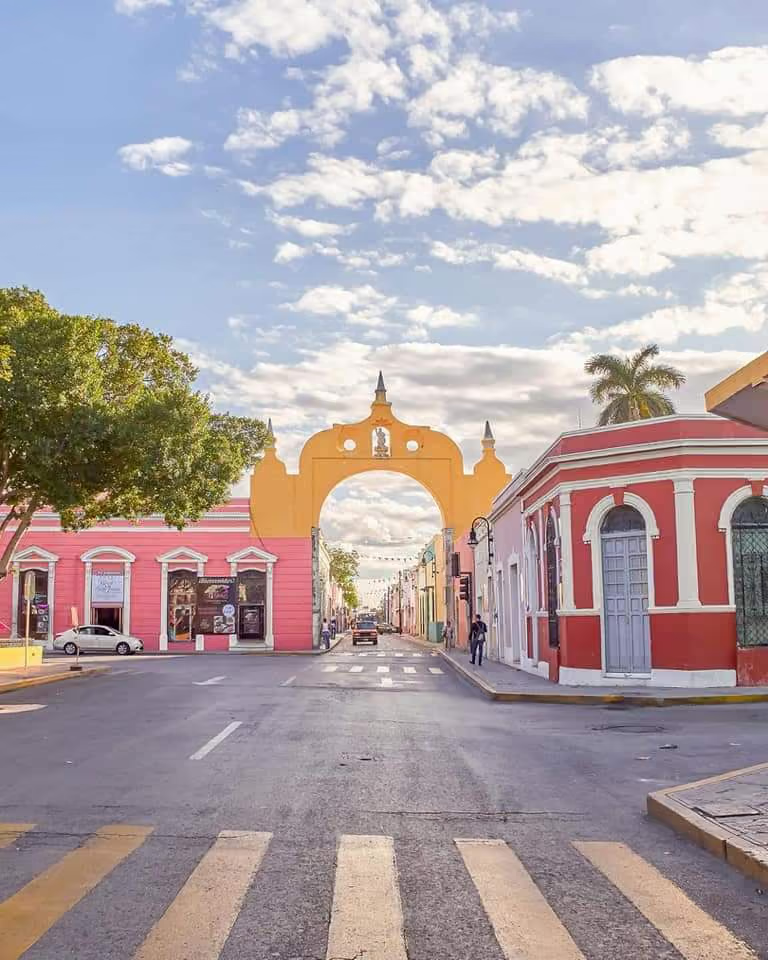
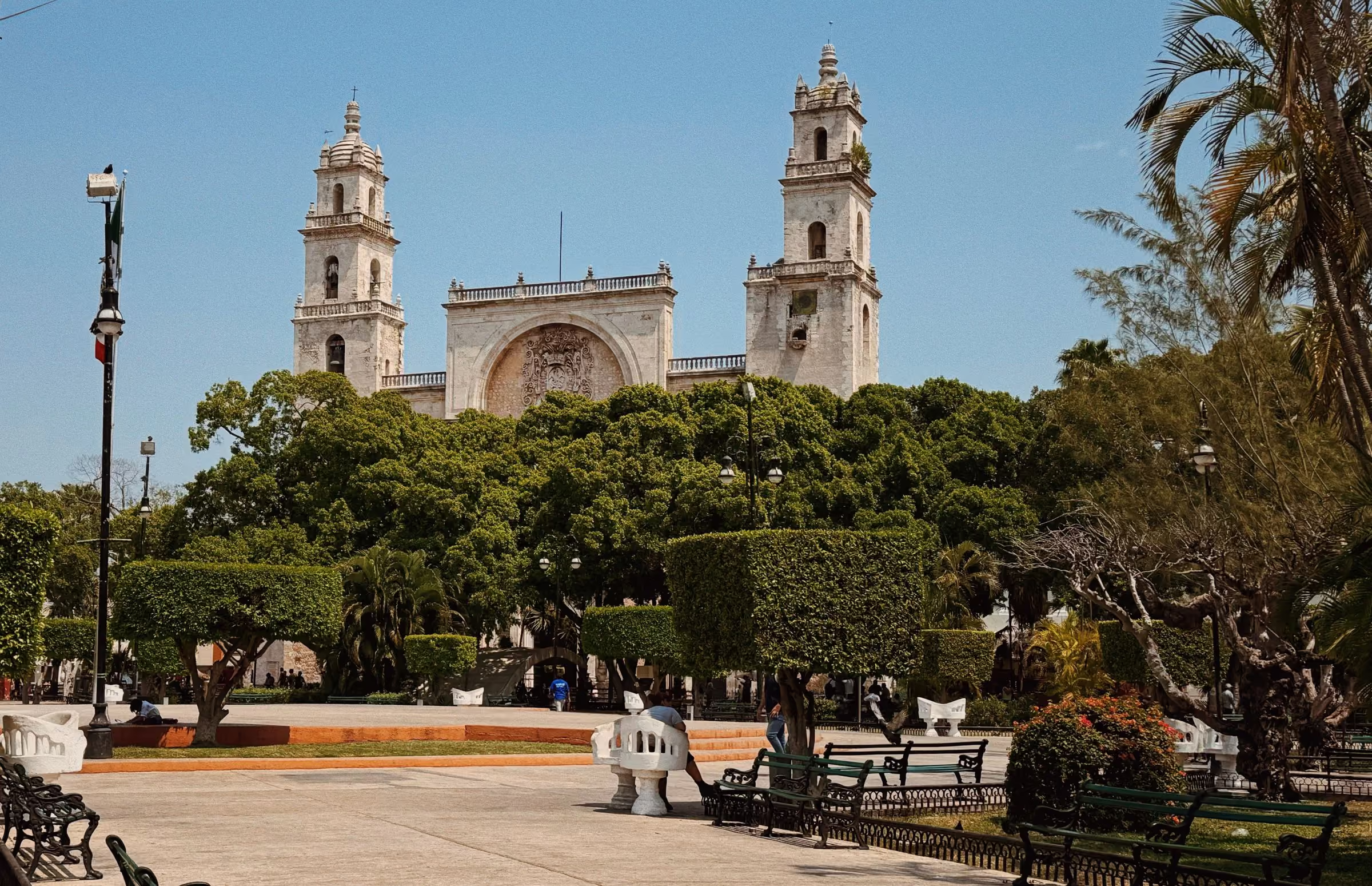
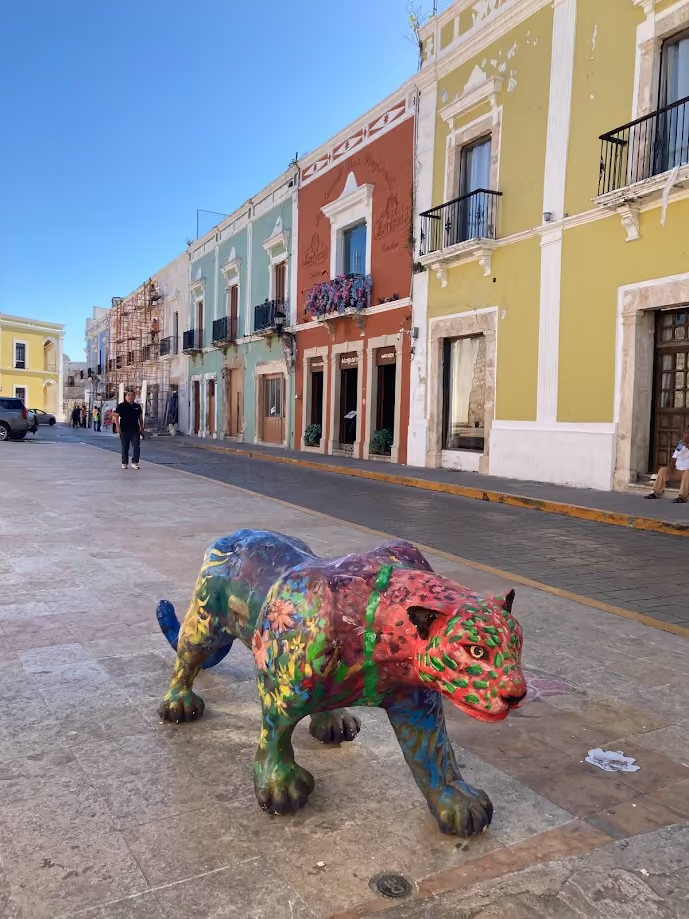
Mérida is the natural base for almost any Yucatán itinerary, a colonial capital with a walkable historic center, one of Mexico's largest Carnaval celebrations, and Paseo de Montejo, a boulevard of 19th-century mansions built during the state's henequen boom. From here, day trips reach nearly every major Maya site and cenote in the state without ever needing to change hotels.
Yucatán for Every Kind of Traveler
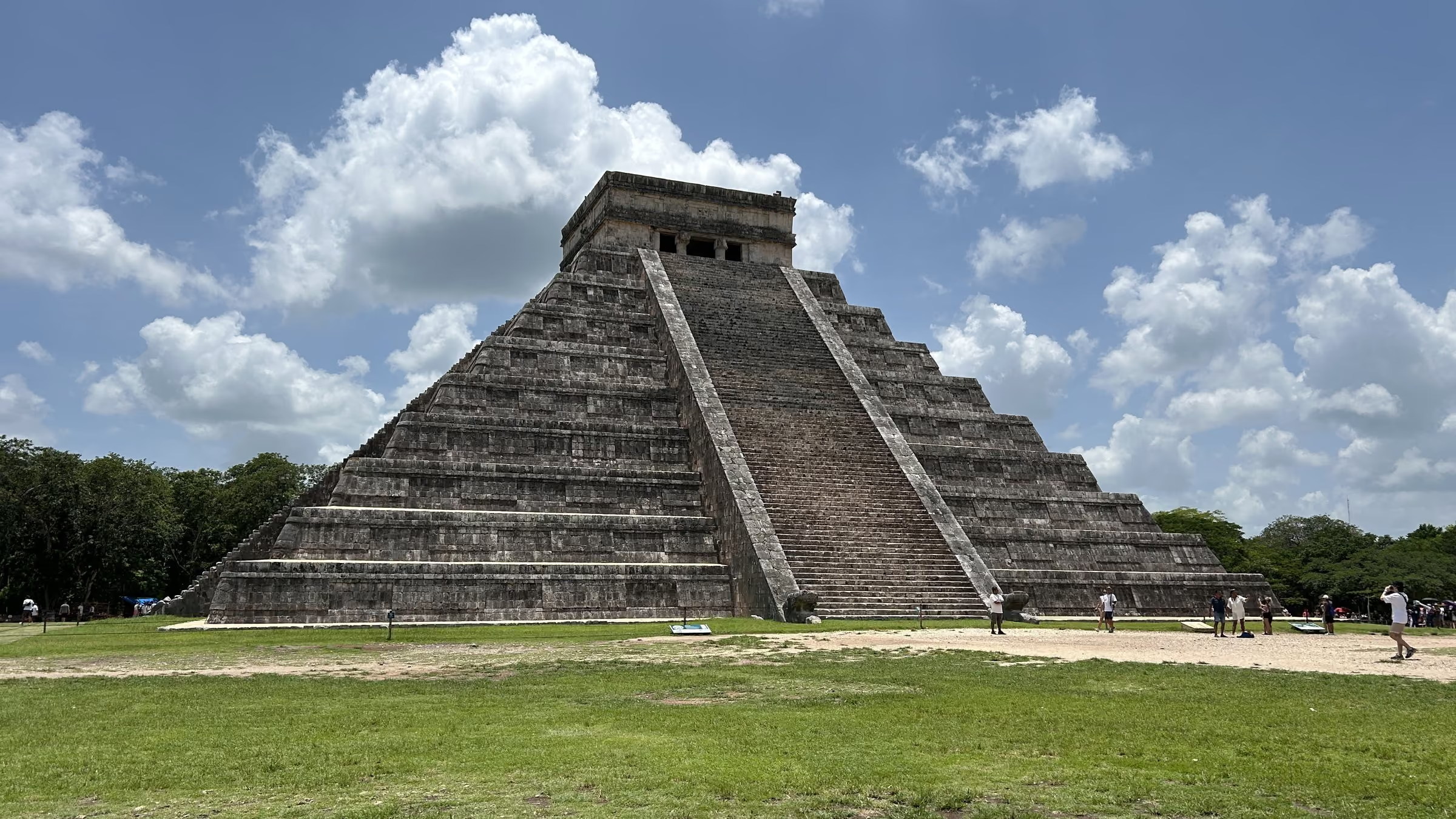
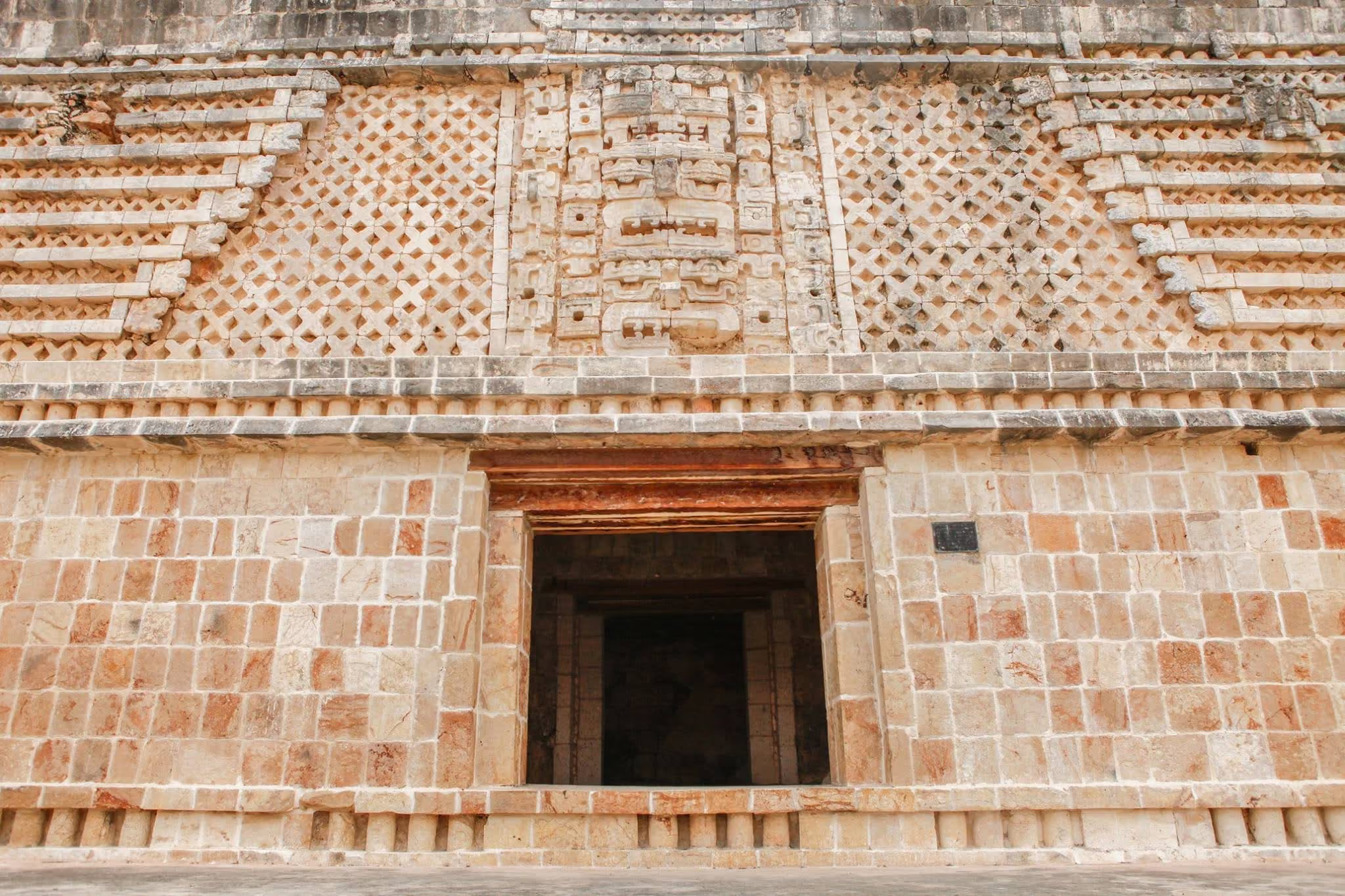
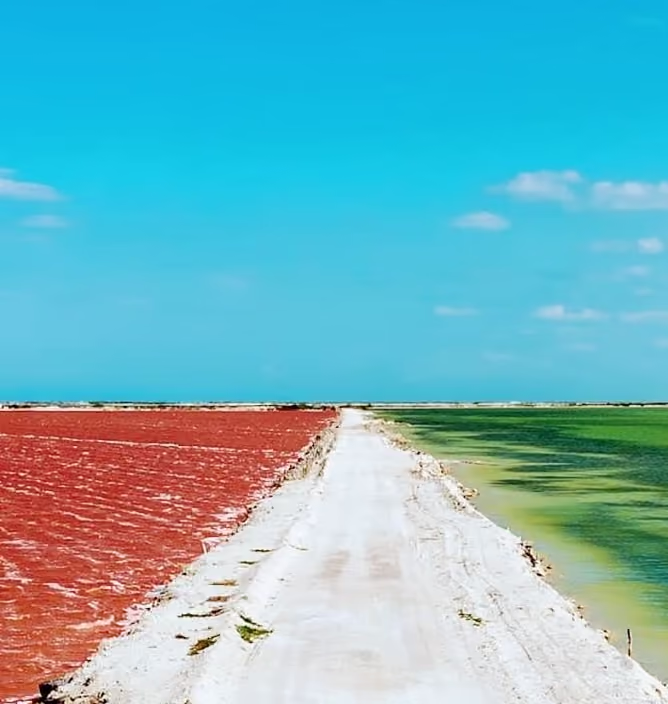
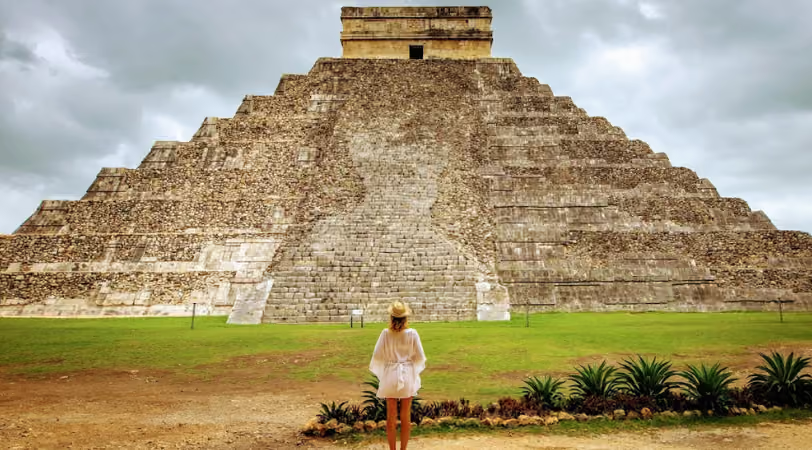
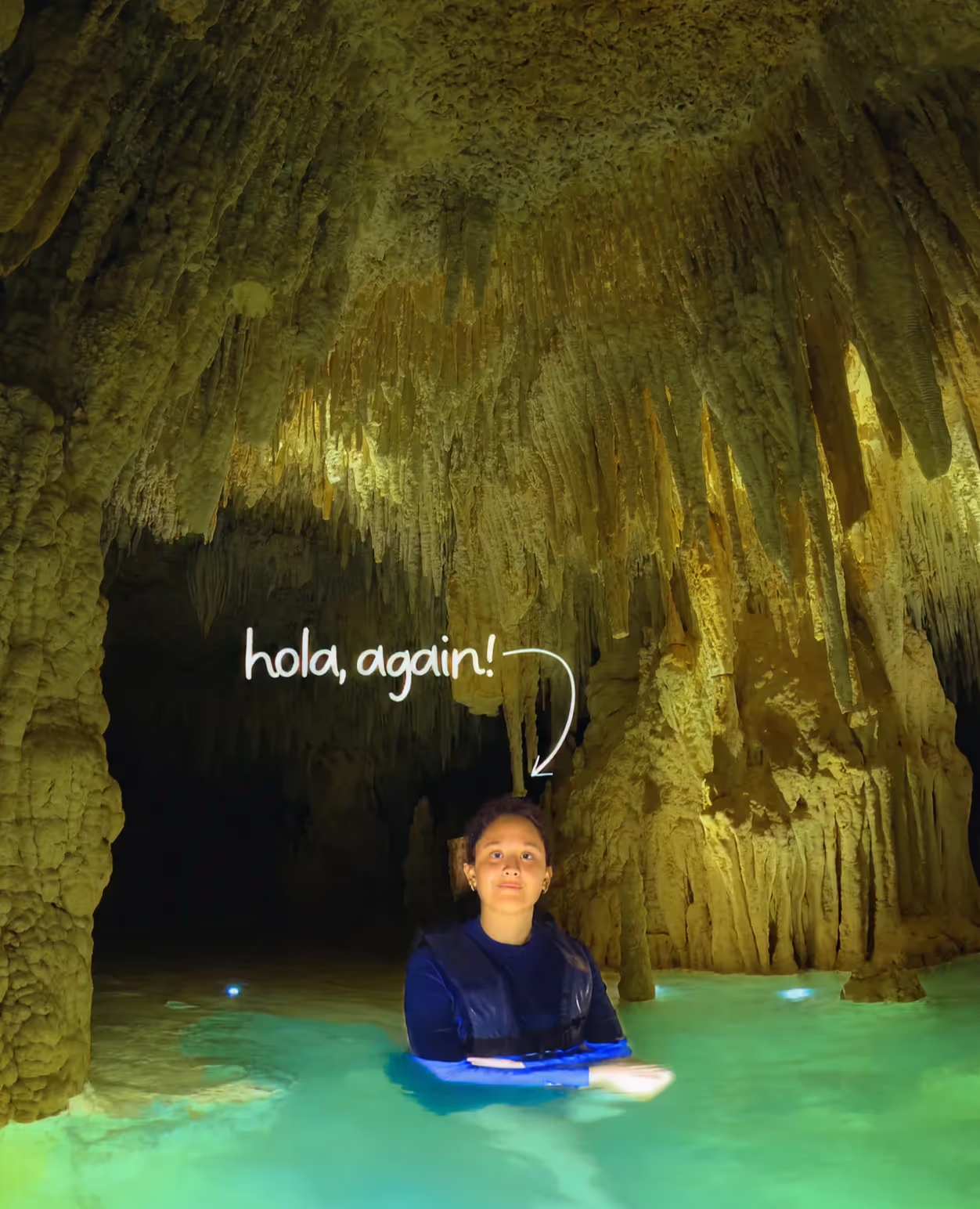
Start at Chichén Itzá if it's your first time, one of the New Seven Wonders, where a serpent-shaped shadow appears on El Castillo's steps every spring equinox. If ruins are what you're after, continue on to Uxmal and the Puuc Route to see the Pyramid of the Magician with a fraction of the crowds. Want to swim instead? Base yourself in Valladolid, a colonial town surrounded by swimmable cenotes, including Cenote Yokdzonot, restored and run by a women's cooperative from the village next door. And if you'd rather watch birds than climb pyramids, Celestún and Río Lagartos hold flamingo colonies, a beekeeping project in Sinanché where local families tend native stingless bees, and the pink salt-flat lakes of Las Coloradas.
Cenotes, Colonial Towns, and a Pink Coastline
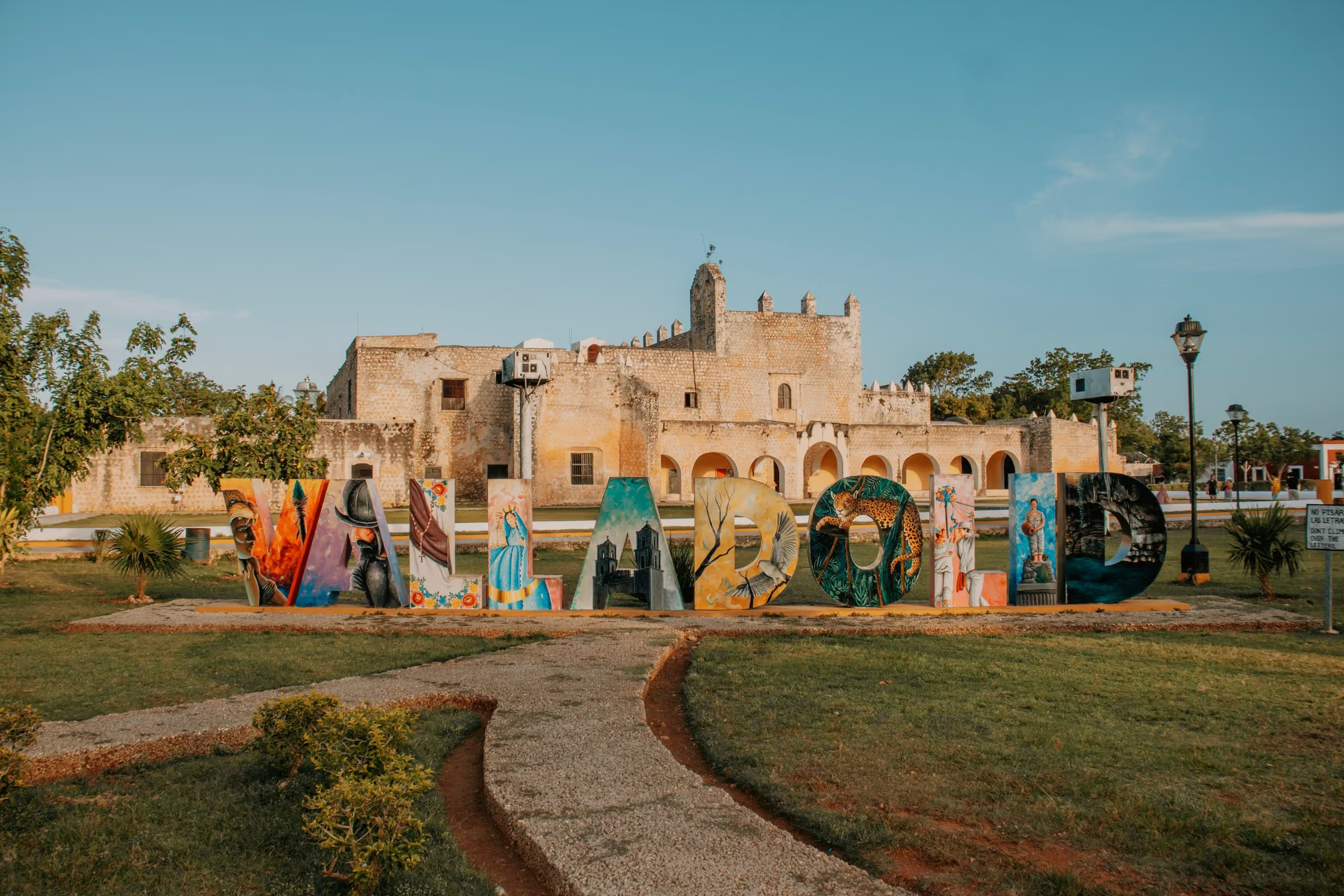
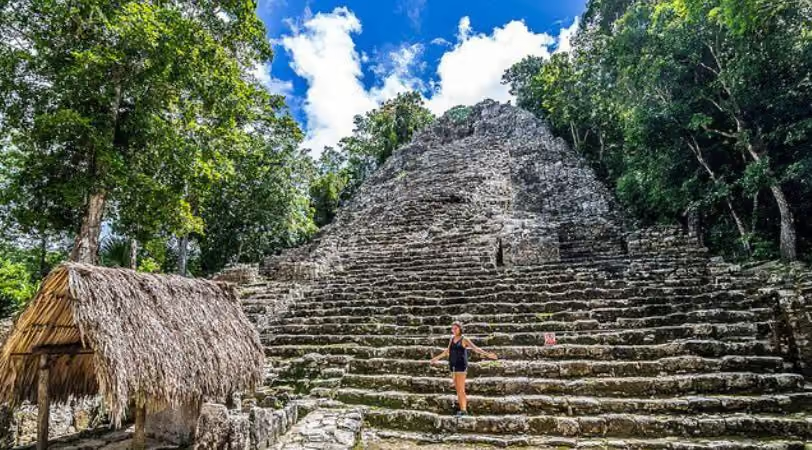
Valladolid makes an easy base for cenote-hopping, a walkable, bikeable colonial town close enough to dozens of swimmable sinkholes that most visitors never need to drive more than half an hour. Nearby, Ek Balam holds one of the Yucatán's best-preserved Maya façades, including the tomb of ruler Ukit Kan Lek Tok', with a fraction of the visitors that Chichén Itzá sees.
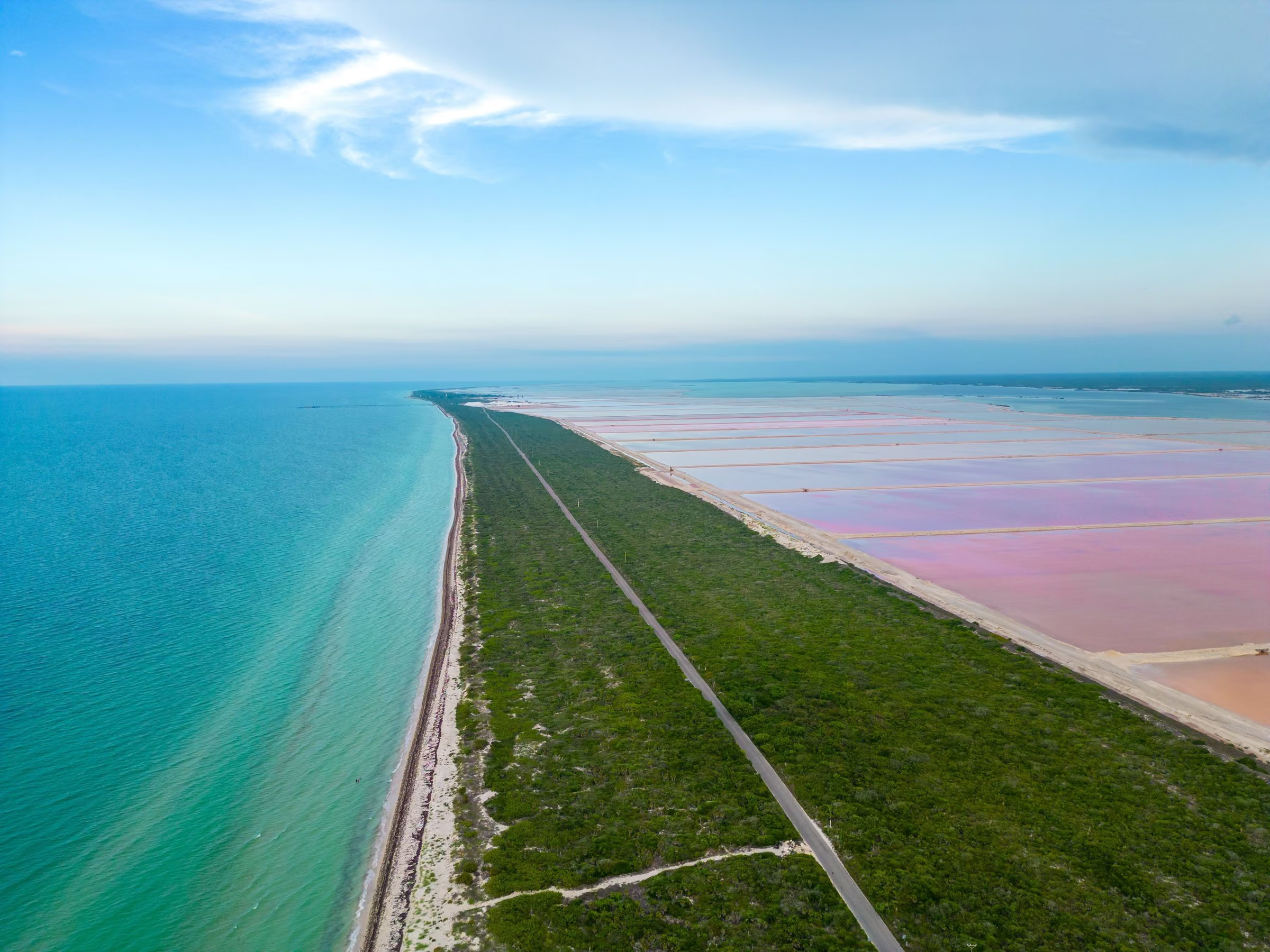
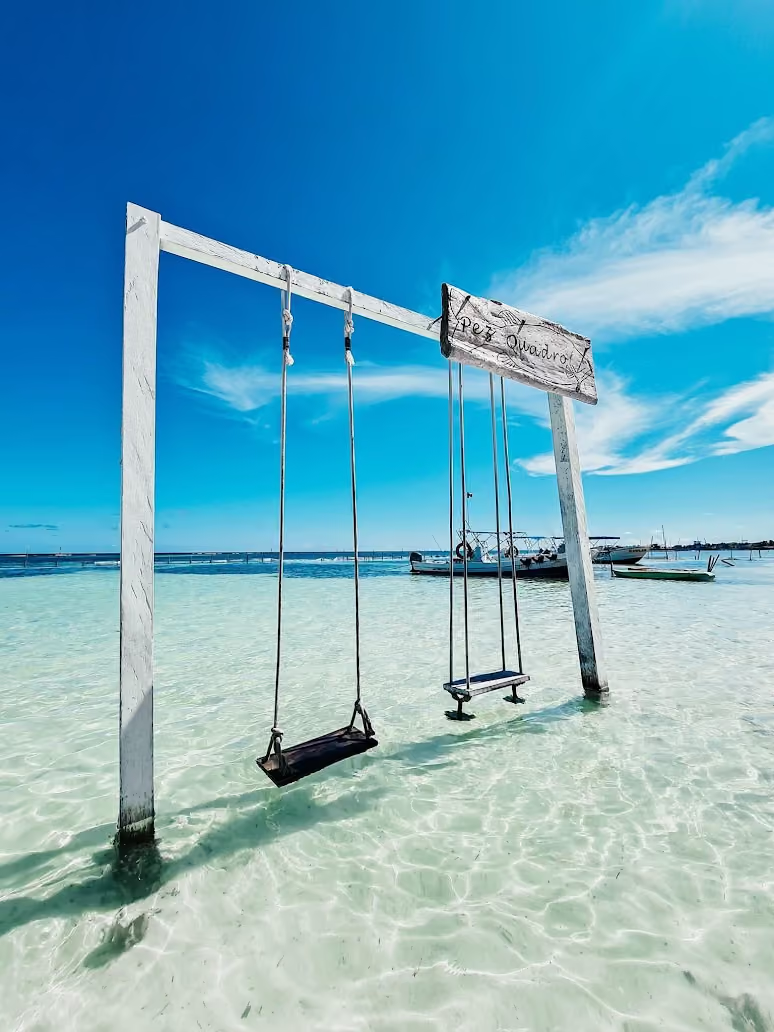
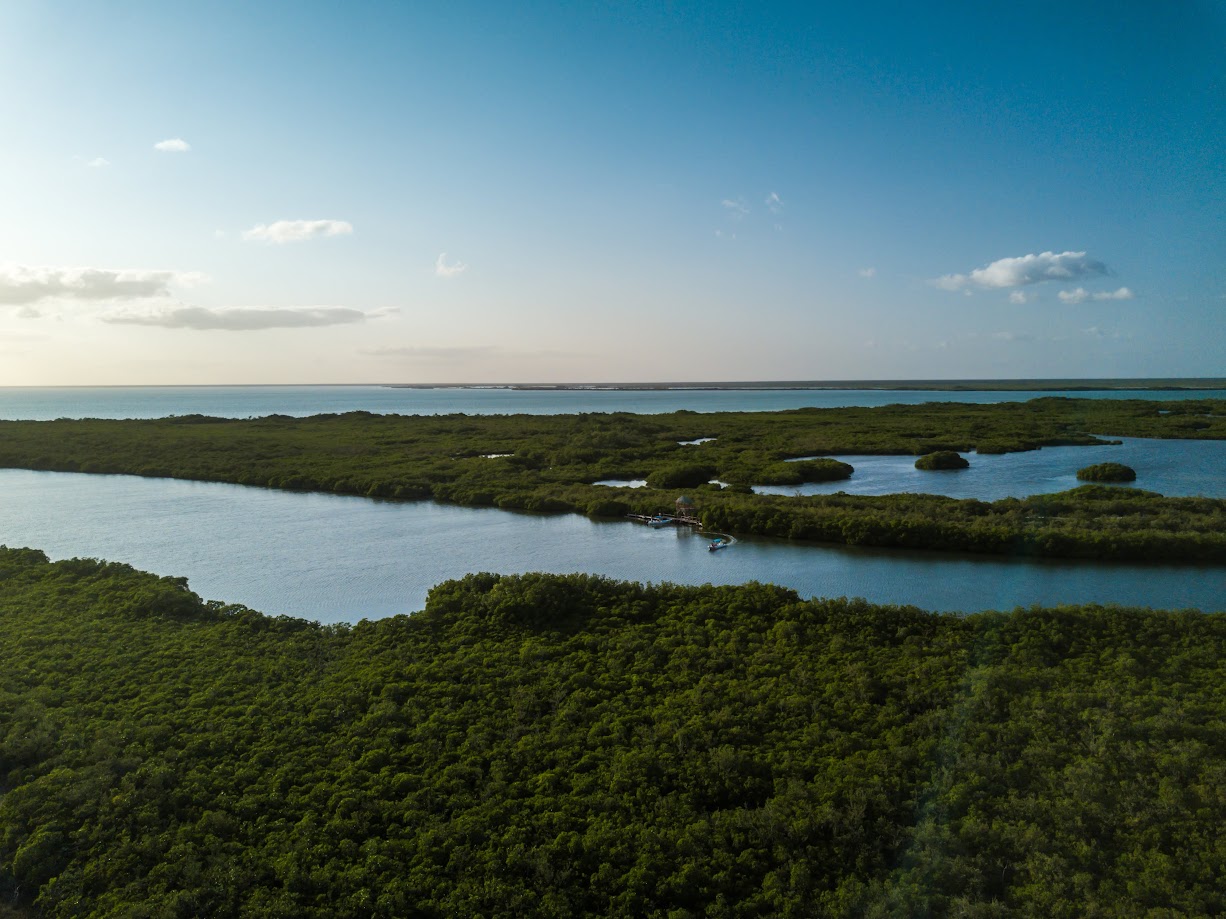
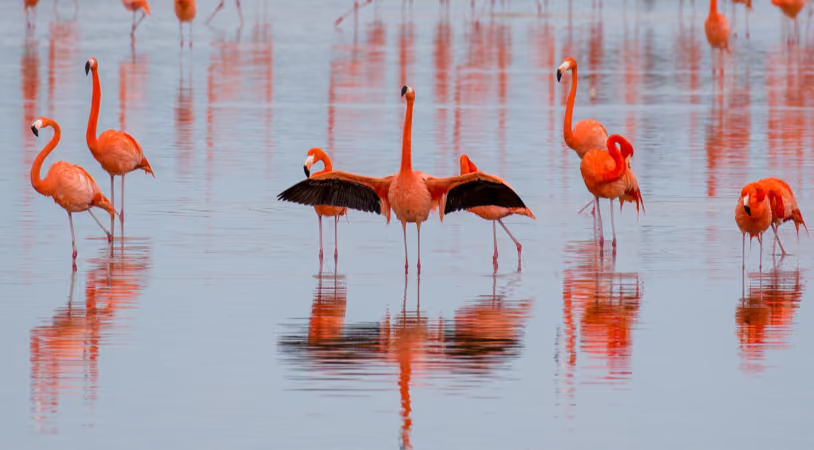
On the coast, Celestún and Río Lagartos protect flamingo colonies and migratory birds inside their own biosphere reserves, and at San Crisanto, a local cooperative leads salt-harvesting demonstrations and mangrove boat trips much as their families have for generations. Nearby, Las Coloradas turns the water itself pink, a natural effect of salinity and microorganisms in its shallow salt-flat lakes. Inland, a morning in the village of Yaxunah pairs a hands-on corn-planting lesson in a sacred milpa with a hammock-weaving workshop taught by the women who still make them by hand.
Must-Visit Spots
Yucatán pairs a colonial capital with some of the Maya world's most famous ruins, and a few community-run stops beyond them. Here's where to start.
Mérida's Historic Center and Paseo de Montejo. The state's colonial capital and natural base for exploring Yucatán, known for gastronomic tours and one of Mexico's largest Carnaval celebrations.
Chichén Itzá and the Puuc Route. A New Seven Wonders archaeological site famous for El Castillo pyramid, with Uxmal and the Puuc Route nearby for a quieter follow-up.
Valladolid and Cenote Yokdzonot. A walkable colonial town surrounded by swimmable cenotes, including Cenote Yokdzonot, restored and run by a women's cooperative from the village nearby.
Celestún, Sinanché, and Las Coloradas. A flamingo-filled biosphere reserve on the Gulf coast, near a native-bee beekeeping project in Sinanché and the naturally pink salt-flat lakes of Las Coloradas.
See more
Explore tailor made itineraries



Duration:
Trip duration
Days
From Pyramids to Tequila: A 13-Day Adventure of History, Culture and Flavor
Embark on a 13-day journey through Mexico, exploring ancient pyramids, vibrant street art, rich cultural traditions, and savoring exquisite local flavors from bustling markets to renowned vineyards.
Read more
.avif)

.avif)



Loved by Travelers. Guided by Locals.

Google & Tripadvisor rating of
4.9 across 1,000+ travelers

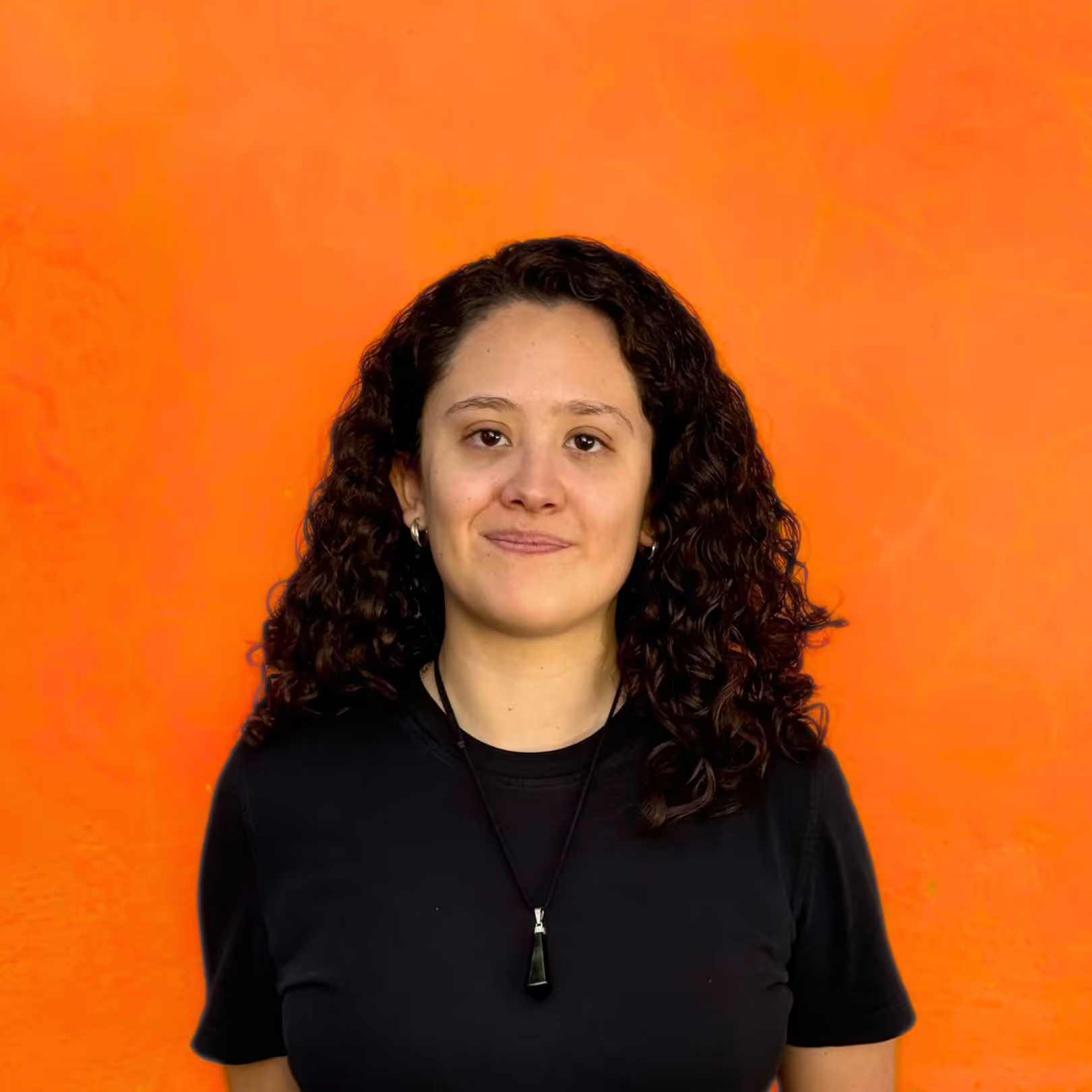
Meet our travel experts
A common concern that a visitor experiences is how well the product or service will be supported. Introducing the team eases fears while showing confidence.








Join us on this
journey
Plan your trip with usjourney
Join our newsletter to stay up to date on features and releases.
Oups ! Une erreur s'est produite lors de l'envoi du formulaire.