Personnaliser mon voyage



Cours de cuisine ou visite gastronomique à Oaxaca en 2026
Meta description : Cours de cuisine ou visite gastronomique à Oaxaca : coûts, durée, apprentissages et marchés visités. Un comparatif direct par l'équipe culinaire de Rutopía à Oaxaca.

Contenu
Ils mettent en valeur notre travail



Des voyages uniques au Mexique.
Fait sur mesure pour vous.
Demandez votre voyageFait sur mesure pour vous.
Laissez un guide local vous aider à planifier votre voyage au Mexique
Commencez un voyage sur mesureLa plupart des voyageurs à Oaxaca choisissent entre un cours de cuisine et une visite gastronomique comme ils choisiraient entre une carte et une promenade guidée : l'un semble plus autonome, l'autre plus organisé. Cet instinct n'est pas faux, mais il passe à côté de la distinction la plus utile. Une visite gastronomique est avant tout une question d'étendue et de contexte : vous goûtez à une grande variété de plats, vous comprenez comment la cuisine s'articule et vous repartez en sachant quoi commander pour le reste de votre séjour. Un cours de cuisine est une rencontre prolongée avec un plat ou une tradition : vous apprenez pourquoi le mole negro nécessite quatre heures et trente-deux ingrédients, et vous le comprenez d'une manière que la simple dégustation ne permet pas. Les deux valent le détour à Oaxaca. La question est de savoir lequel privilégier si vous avez peu de temps, et quel jour le faire. Pour intégrer l'un ou l'autre à un voyage sur mesure à Oaxaca, notre équipe de planification peut vous aider.
Le comparatif direct en un coup d'œil

Ce qu'une visite gastronomique couvre réellement à Oaxaca
Une visite gastronomique bien organisée à Oaxaca parcourt la géographie culinaire de la ville : les stands de plats cuisinés du Mercado 20 de Noviembre, quelques vendeurs de rue dans le centre, au moins une adresse où s'asseoir, et probablement un mezcal ou un arrêt pour déguster du tejate (la boisson précolombienne à base de cacao et de mamey) en chemin. Le guide tisse un récit à travers ces étapes : la place des chapulines (sauterelles grillées au citron vert et au piment) dans la chaîne alimentaire et pourquoi les habitants d'Oaxaca en consomment depuis bien avant que le maïs ne soit cultivé tel que nous le connaissons ; la différence entre le tasajo, la cecina et le chorizo negro ; pourquoi les pots en terre cuite utilisés pour préparer le mole noir ne sont pas les mêmes que ceux utilisés pour conserver le mezcal.
Les meilleures visites gastronomiques ne se contentent pas d'accumuler les arrêts. Elles les enchaînent pour dresser un tableau complet : commencer par du maïs de rue pour établir la base des saveurs d'Oaxaca, passer à la tlayuda (la grande tortilla grillée avec pâte de haricots noirs, asiento et garnitures) pour comprendre l'architecture d'un repas local, ajouter un arrêt pour des enfrijoladas afin de voir ce que deviennent les tortillas de la veille dans une cuisine oaxaquène, et terminer sur un stand de marché pour le tasajo afin de comprendre comment l'obsession locale pour la viande séchée et fumée est liée à l'altitude et au manque de réfrigération. Chaque bouchée éclaire la suivante.
Ce que les visites gastronomiques ne peuvent pas vous offrir, c'est le temps. Vous mangez à chaque arrêt, vous écoutez, vous repartez. Il n'y a pas d'attente pour laisser réduire une sauce, pas de compréhension de la manière dont le piment noir devient la pâte qui devient le mole.
Le contenu réel d'un cours de cuisine à Oaxaca

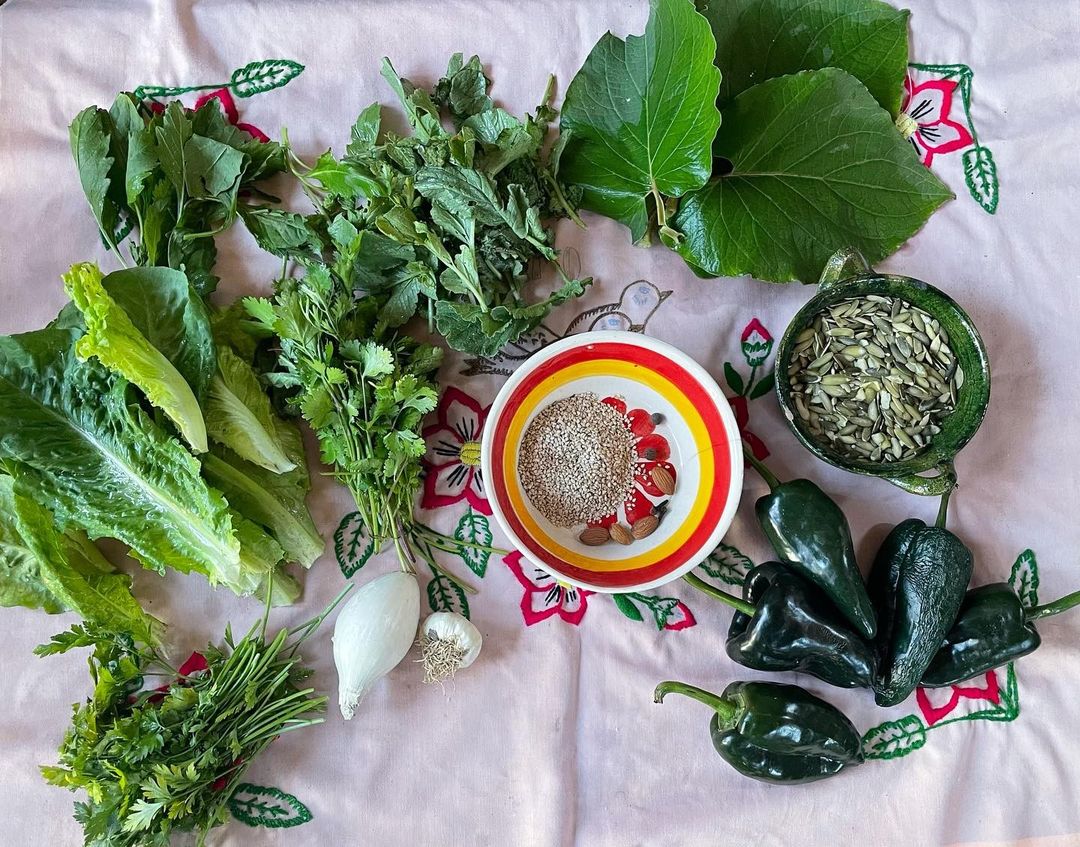
Un cours de cuisine à Oaxaca s'articule autour d'un événement culinaire unique : la préparation d'un repas. Le déroulement est similaire chez la plupart des organisateurs sérieux. Vous vous retrouvez le matin, vous vous rendez ensemble au marché pour choisir les ingrédients, et le guide ou le cuisinier vous explique ce qu'il sélectionne et pourquoi. La différence entre un piment guajillo, un pasilla negro et un mulato séchés pour un mole : la nuance dans le piquant, le goût et l'usage. L'épazote frais par rapport à l'épazote séché. La variété spécifique de piment qui ne pousse que dans la vallée à cette altitude et qui ne supporte pas le transport.
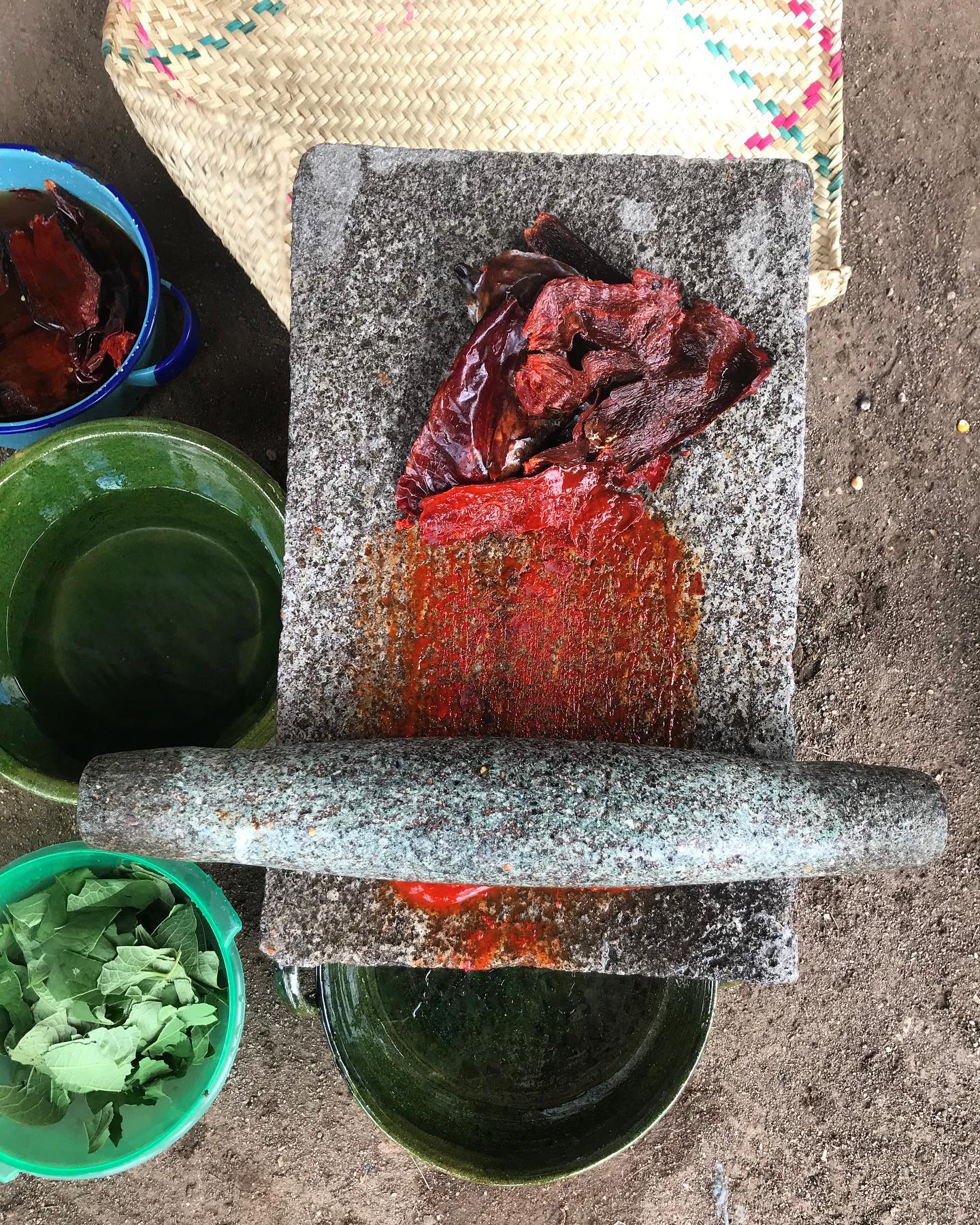
De retour en cuisine, le travail commence. On fait griller les piments séchés sur un comal jusqu'à ce qu'ils ramollissent et libèrent leurs huiles. On utilise un metate (cette pierre à moudre qui précède le mixeur de plusieurs millénaires et que les vrais chefs préfèrent encore pour le mole). L'idée n'est pas de vous apprendre à utiliser un metate, car vous ne le ferez probablement plus jamais chez vous. L'objectif est de comprendre ce qui arrive à un piment séché lorsqu'il est moulu plutôt que mixé : les huiles se comportent différemment, la texture change et la saveur n'est pas tout à fait la même. Ce savoir transforme votre façon de déguster le mole pour le reste de votre vie.
Le repas que vous dégustez à la fin est celui que vous avez préparé, sous la supervision du chef. C'est une satisfaction bien différente de celle d'être simplement servi, et cela laisse un souvenir impérissable.
La différence entre les marchés : qui vous emmène où
Cette distinction est plus importante que ce que la plupart des guides laissent entendre.
Les visites gastronomiques passent généralement beaucoup de temps au Mercado 20 de Noviembre, le marché où les habitants d'Oaxaca viennent manger. Les stands y proposent du tasajo, des tlayudas, des memelitas et du chocolate de agua. C'est le marché où l'on consomme le produit fini de la cuisine oaxaquène ; c'est l'endroit idéal pour comprendre le goût de cette cuisine dans son habitat naturel.
Les cours de cuisine se rendent généralement au Mercado Benito Juárez, le marché de produits frais adjacent, ou parfois chez des vendeurs spécialisés dans le quartier des abastos. L'objectif ici, ce sont les ingrédients, pas les plats préparés : les piments séchés, les herbes, la masa, le fromage frais (le quesillo, ce fromage à pâte filée oaxaquène, y est acheté au kilo et effiloché par le vendeur sous vos yeux). Comprendre l'origine et le coût des ingrédients change votre perception des plats qui en sont issus. Cela vous permet également de vous familiariser avec les habitudes d'achat quotidiennes des locaux, du choix de l'ingrédient sur l'étal à la manière dont les vendeurs interagissent avec leurs clients.
Certains cours de cuisine incluent un arrêt sur les deux marchés, ce qui est vraiment utile. Renseignez-vous avant de réserver.
Ce que vous en retirez : connaissances acquises vs expérience vécue
Un an après leur voyage, les voyageurs ayant participé à une visite gastronomique à Oaxaca se souviennent généralement de ce qu'ils ont mangé, des plats qui les ont surpris et de l'évolution globale de la cuisine locale. Ils sont capables de décrire le mole negro à quelqu'un qui n'y a jamais goûté. Ils ont probablement mieux commandé au restaurant durant le reste de leur séjour, car ils savaient ce qu'ils recherchaient.
Les voyageurs ayant suivi un cours de cuisine se souviennent davantage du cuisinier. Les mains d'une personne précise sur un metate. L'odeur des piments qui grillent. L'instant où la sauce a changé de couleur dans la marmite. Ils ne seront peut-être pas capables de reproduire la recette, mais ils savent, physiquement, ce qu'il faut pour la réaliser. C'est une forme de savoir différente, et elle a tendance à être plus durable.
Aucune des deux options n'est supérieure. Elles apportent des choses différentes.
Les différents types : tout ne se vaut pas
Les cours de cuisine se divisent en trois formats distincts :
Cuisine familiale: Le format le plus intime. Vous êtes chez quelqu'un, dans sa cuisine, avec la recette de sa grand-mère. Les groupes sont restreints (4 à 8 personnes). La qualité est au rendez-vous lorsque l'organisateur entretient une relation authentique avec la famille ; l'expérience est mise en scène lorsque la famille a été recrutée pour jouer la carte du foyer traditionnel à des fins touristiques. Demandez depuis combien de temps l'organisateur travaille avec ce cuisinier en particulier.
Format école de cuisine ou restaurant: Plus soigné, plus encadré, souvent davantage axé sur la technique. Vous en apprendrez plus sur les proportions et les processus ; vous vous sentirez moins comme un invité chez quelqu'un. Idéal pour les voyageurs qui souhaitent acquérir des techniques reproductibles tout en profitant de l'expérience culturelle.
Cours axé sur le marché: La visite du marché est plus longue et détaillée, tandis que la partie cuisine est plus courte. Idéal pour les voyageurs qui s'intéressent avant tout aux ingrédients et à la culture culinaire plutôt qu'à la technique.

Visites gastronomiques également divisées en plusieurs types :
Focus sur la cuisine de rue: Vendeurs, stands, coins de rue. Plus d'arrêts, de plus petites portions, un rythme plus soutenu. Idéal pour les gourmets aventureux qui veulent découvrir une grande variété de saveurs sans avoir besoin de s'asseoir. Cette visite permet aussi d'explorer bien plus que le marché, en découvrant la culture et les rues. C'est ce qu'un habitant mangerait au quotidien.
Immersion au marché: Concentrée sur un ou deux marchés, avec plus de temps passé à chaque stand et davantage d'échanges. Idéal pour les voyageurs qui préfèrent moins d'arrêts et plus de contexte.
Format « tournée des restaurants »: Combine des arrêts dans la rue avec une pause assise dans un restaurant oaxaquène reconnu. Mieux adapté aux voyageurs qui souhaitent une transition entre l'expérience du marché et les repas en autonomie.
Comment repérer un prestataire de qualité pour chaque format
Pour les cours de cuisine, tout dépend du cuisinier. Un cours animé par une personne qui a grandi en préparant ces plats est bien différent d'un cours où un coordinateur engage un cuisinier pour faire défiler les touristes selon un format standardisé. Demandez qui dirigera précisément le cours, quel est son parcours et si le menu change selon les saisons ou s'il reste identique toute l'année. Un cours qui s'adapte aux produits du marché est presque toujours préférable.
Pour les visites gastronomiques, le signe distinctif est la relation du guide avec les vendeurs. Un guide qui s'approche des stands où il est accueilli par son prénom, où un bref échange en zapotèque ou en espagnol local a lieu avant la dégustation, est un guide qui exerce depuis assez longtemps pour avoir tissé de vrais liens. Un guide qui fait son récit devant des stands où personne ne réagit est un guide qui récite un script.
Dans les deux cas, la taille du groupe compte : un cours ou une visite de plus de douze personnes perd la dimension personnelle qui fait tout l'intérêt de découvrir la culture culinaire oaxaquène.
Le guide des meilleures options de visites de la ville d'Oaxaca compare les formats privés et en groupe pour ces deux expériences, tarifs inclus.
Est-il possible de faire les deux ?
Oui, et ils se complètent parfaitement dans cet ordre. Une visite gastronomique le premier jour vous permet de vous orienter : vous découvrez le goût de la tlayuda, les marchés et le vocabulaire de base de la cuisine locale. Un cours de cuisine le troisième jour vous apporte de la profondeur : après avoir dégusté deux fois du mole negro au restaurant, apprendre à le préparer prend tout son sens grâce à vos souvenirs gustatifs. Cet enchaînement est bien plus enrichissant que chaque expérience prise isolément.
Pour les voyageurs ne disposant que de 5 jours à Oaxaca et de créneaux matinaux limités, le choix dépend généralement de ce qui vous importe le plus : la diversité ou l'approfondissement. Ceux qui souhaitent bien manger en toute confiance tout au long de leur séjour auront tout intérêt à privilégier une visite gastronomique dès le début. Ceux qui sont venus à Oaxaca spécifiquement pour la gastronomie, qui cuisinent déjà mexicain chez eux et veulent en comprendre les racines, préféreront commencer par un cours.
Pour vous aider à planifier votre voyage, le guide des itinéraires à Oaxaca indique où intégrer ces expériences culinaires dans des séjours de 5 ou 7 jours.
Options réservables
Une courte liste de formats disponibles sur différentes plateformes.
- Cours de cuisine familiale oaxaquène avec visite du marché (Airbnb Experiences) : Cuisine familiale, 4 à 5 heures, groupe de 4 à 8 personnes. Environ 70 à 100 USD par personne.
- Visite des marchés et de la cuisine de rue à Oaxaca (GetYourGuide) : 3 à 4 heures, 7 à 9 arrêts, petit groupe. Environ 50 à 75 USD par personne.
- Cours de cuisine privé : Mole Negro (Viator) : Focus sur un seul plat, format privé, 4 à 5 heures, 2 à 4 voyageurs. Environ 150 à 250 USD au total pour le groupe.
- Journée gastronomique sur mesure (Rutopía) : Nous pouvons organiser une visite gastronomique le matin et un cours de cuisine l'après-midi le même jour, avec le guide adapté pour chaque activité. Contactez-nous pour en discuter.
FAQ
Quels plats sont généralement préparés lors d'un cours de cuisine à Oaxaca ? Les options les plus courantes sont : le mole negro (une recette complexe à base de piments mulato et pasilla negro, de chocolat et de dizaines d'autres ingrédients), les tamales oaxaqueños (enveloppés dans une feuille de bananier, une spécialité locale), les enfrijoladas et au moins une salsa. Certains cours couvrent plusieurs plats, tandis que d'autres se concentrent en profondeur sur un seul mole. Renseignez-vous sur le menu avant de réserver.
Les visites gastronomiques sont-elles adaptées aux végétariens ? La cuisine d'Oaxaca fait la part belle à la viande, mais l'essentiel de ses saveurs distinctives provient des piments, des haricots et des préparations à base de maïs. Un bon guide saura éviter les étapes trop axées sur la viande tout en vous faisant découvrir l'essentiel de la gastronomie locale. Informez l'organisateur lors de votre réservation, mais sachez qu'un cours de cuisine pourrait être une meilleure option pour personnaliser l'expérience autour de plats traditionnellement végétariens.
À quel moment de la journée ont lieu ces activités ? Les cours de cuisine commencent presque toujours le matin (entre 8h00 et 10h00), car c'est le moment où les marchés sont les plus animés et cela permet de déguster le repas à l'heure du déjeuner. Les visites gastronomiques ont lieu aussi bien le matin que le soir ; une visite en soirée incluant une dégustation de mezcal offre une ambiance différente, plus détendue, qu'une visite matinale au marché. Les deux valent le détour.
Combien de personnes composent généralement ces groupes ? Pour les cours de cuisine réputés : 4 à 10 personnes. Pour les visites gastronomiques de qualité : 6 à 14 personnes. Des formats privés sont disponibles pour les deux et méritent d'être envisagés si vous voyagez en couple ou si vous avez des besoins alimentaires particuliers qui compliquent la logistique de groupe.
Looking for more Mexico travel resources? Be sure to check out:
- Les meilleures visites à réserver à Oaxaca en 2026
- Les meilleures options de visites de la ville d'Oaxaca pour 2026
- Guide complet des visites de mezcal à Oaxaca en 2026
- Les meilleures visites à Oaxaca pour les couples en 2026
- Les meilleures visites à Oaxaca pour les familles en 2026
- Tout savoir sur les forfaits d'itinéraires à Oaxaca en 2026
Rédigé par
Design your trip to Mexico with a local travel designer. Unique activities and lodging, 100% tailor-made and stress-free.
.webp)
Articles connexes
Duration:
Blog title heading will go here
Days
Wotoch Aayin Tour
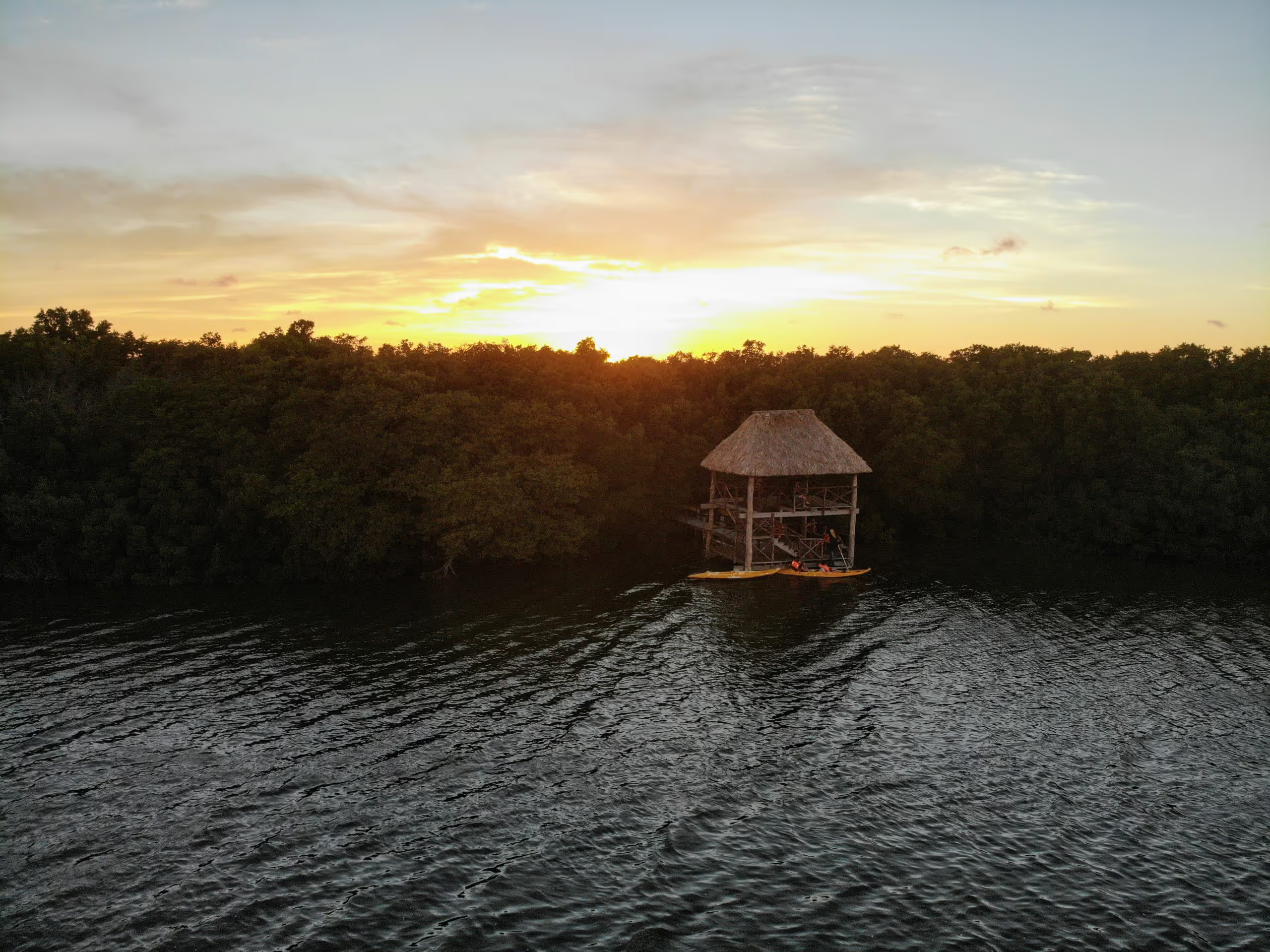
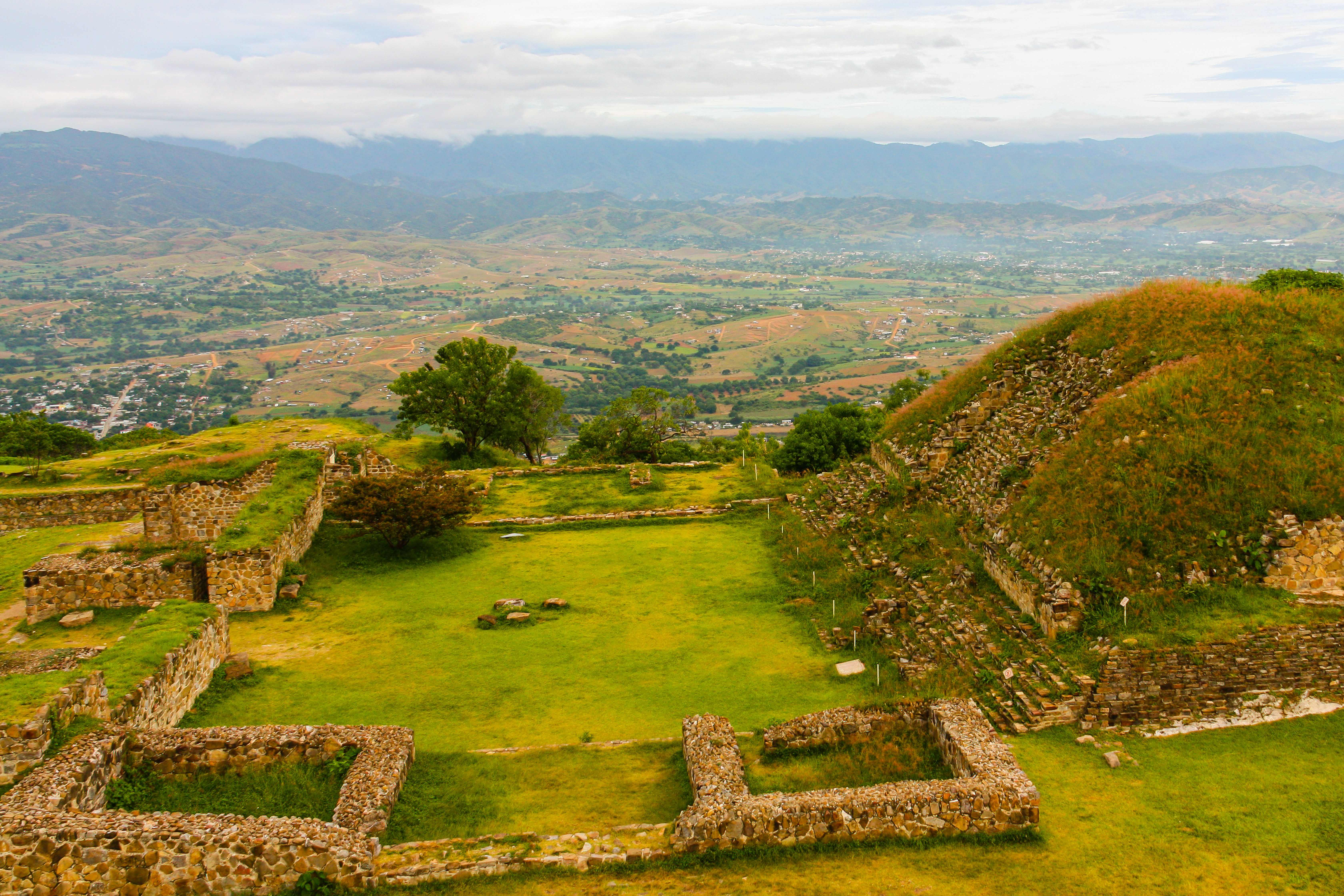
Le centre écotouristique Wotoch Aayin, un centre de loisirs dédié à la conservation naturelle, situé dans une communauté de pêcheurs descendants des Mayas.
En savoir plus
Duration:
Blog title heading will go here
Days
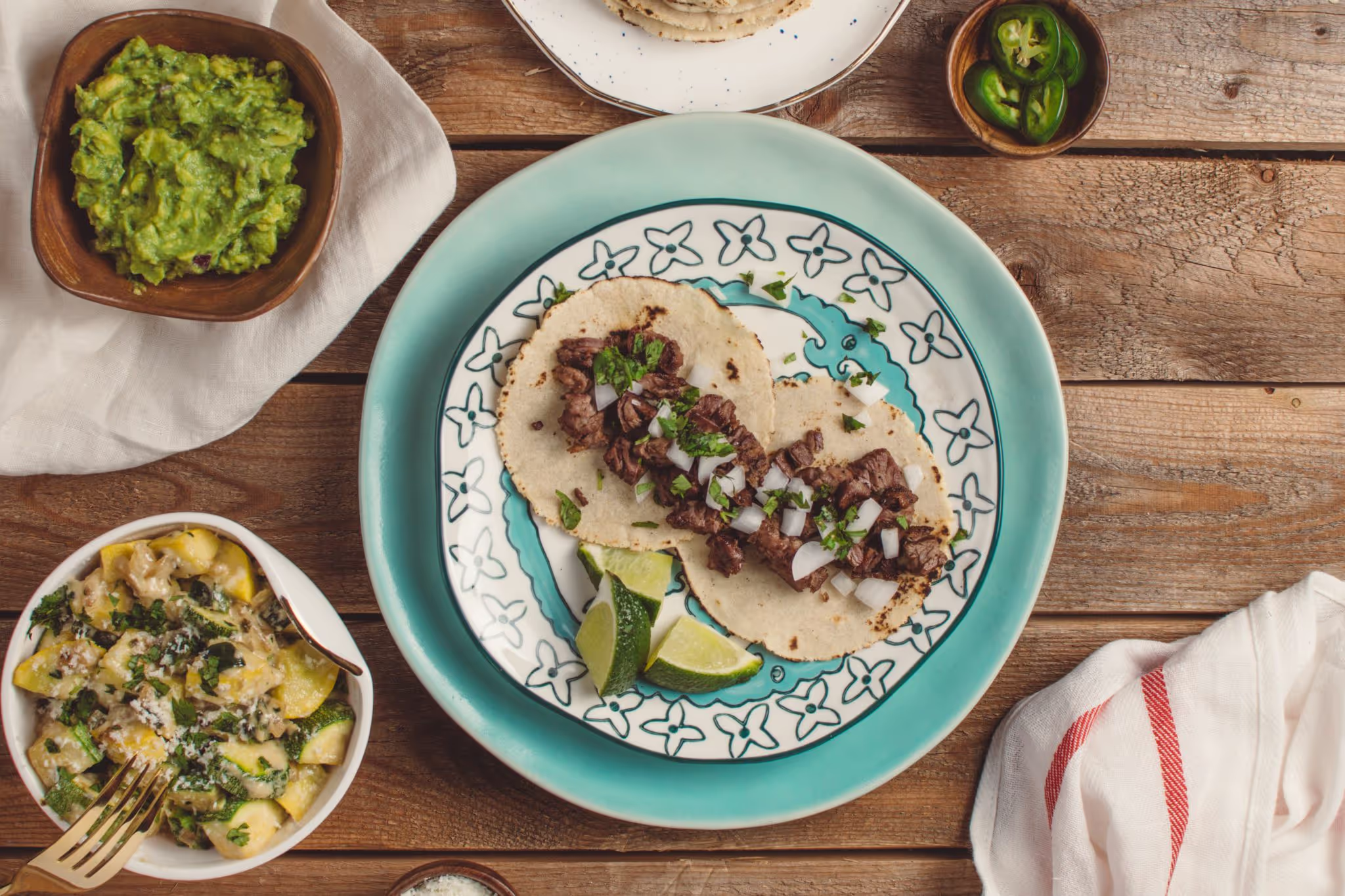
Le guide complet des visites de Monte Albán en 2026
Guide de visite de Monte Albán : la meilleure heure pour monter, les coûts des visites privées ou en groupe, ce qu'il faut éviter et les guides agréés. Conseils locaux de l'équipe Rutopía à Oaxaca.
En savoir plus
Duration:
Blog title heading will go here
Days
Culinary Vacation Mexico
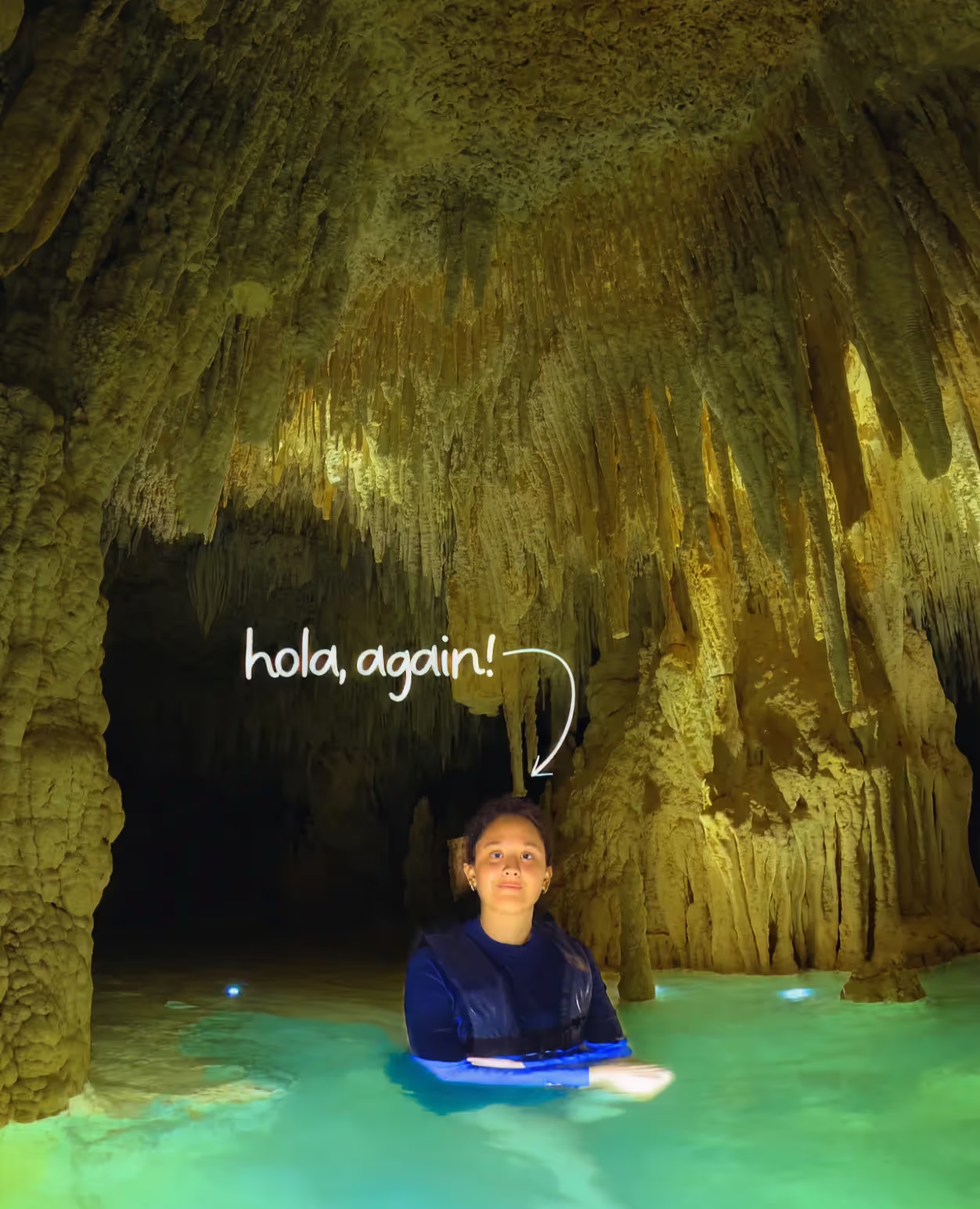
Idées de vacances culinaires au Mexique. Le Mexique est peut-être l’un des lieux les plus remarquables et incontournables si vous êtes un amateur de gastronomie.
En savoir plus
Rejoignez-nous à ce sujet
voyage
Planifiez votre voyage avec nousvoyage
Inscrivez-vous à notre newsletter pour être tenu au courant des nouveautés.
Oups ! Une erreur s'est produite lors de l'envoi du formulaire.
Ready to experience the real Mexico?
Travel with local experts and get hangds-on supoort every step of the way... from planning to arrival.

Your Travel Companion in Mexico, 24/7
We're with you from arrival to departure via WhatsApp for anything you need.
Trusted by thousand of travelers with a 4.9 rating on Google