Personnaliser mon voyage


Guide complet 2026 pour visiter Tolantongo
Guide de Tolantongo : navette ou transport privé, séjour sur place ou excursion à la journée, logistique réelle et horaires pour éviter la foule. Conseils 2026 de l'équipe Rutopía à Mexico.

Contenu
Ils mettent en valeur notre travail



Des voyages uniques au Mexique.
Fait sur mesure pour vous.
Demandez votre voyageFait sur mesure pour vous.
Laissez un guide local vous aider à planifier votre voyage au Mexique
Commencez un voyage sur mesureLes Grutas de Tolantongo sont une expérience thermale méconnue de la plupart des voyageurs internationaux visitant Mexico, mais que les habitants de la capitale connaissent depuis des décennies. Situé dans un canyon de l'État d'Hidalgo, à 180 km au nord de Mexico, le site est traversé par une rivière géothermale qui alimente une série de bassins naturels avant de s'engouffrer dans un système de grottes spectaculaire. L'eau y est maintenue entre 38 et 40 °C, les parois du canyon s'élèvent à des centaines de mètres de hauteur et le trajet à travers la vallée du Mezquital offre des paysages uniques dans le centre du Mexique. La logistique est plus complexe qu'une simple excursion à Teotihuacán, l'affluence le week-end peut être un véritable défi et la route est longue. Tout cela se gère très bien avec une bonne planification. Ce guide est là pour vous y aider. Pour intégrer Tolantongo à votre séjour à Mexico, notre équipe maîtrise les horaires et la logistique d'accès.
Ce que sont réellement les Grutas de Tolantongo
Le nom combine des termes nahuatl signifiant « lieu de la grotte cachée » et fait référence à la source thermale qui alimente le site. L'eau géothermale de Tolantongo jaillit des parois du canyon et circule à une température constante d'environ 38 à 40 °C, suffisamment chaude pour une relaxation profonde, mais assez tempérée pour y rester immergé longtemps sans surchauffe.
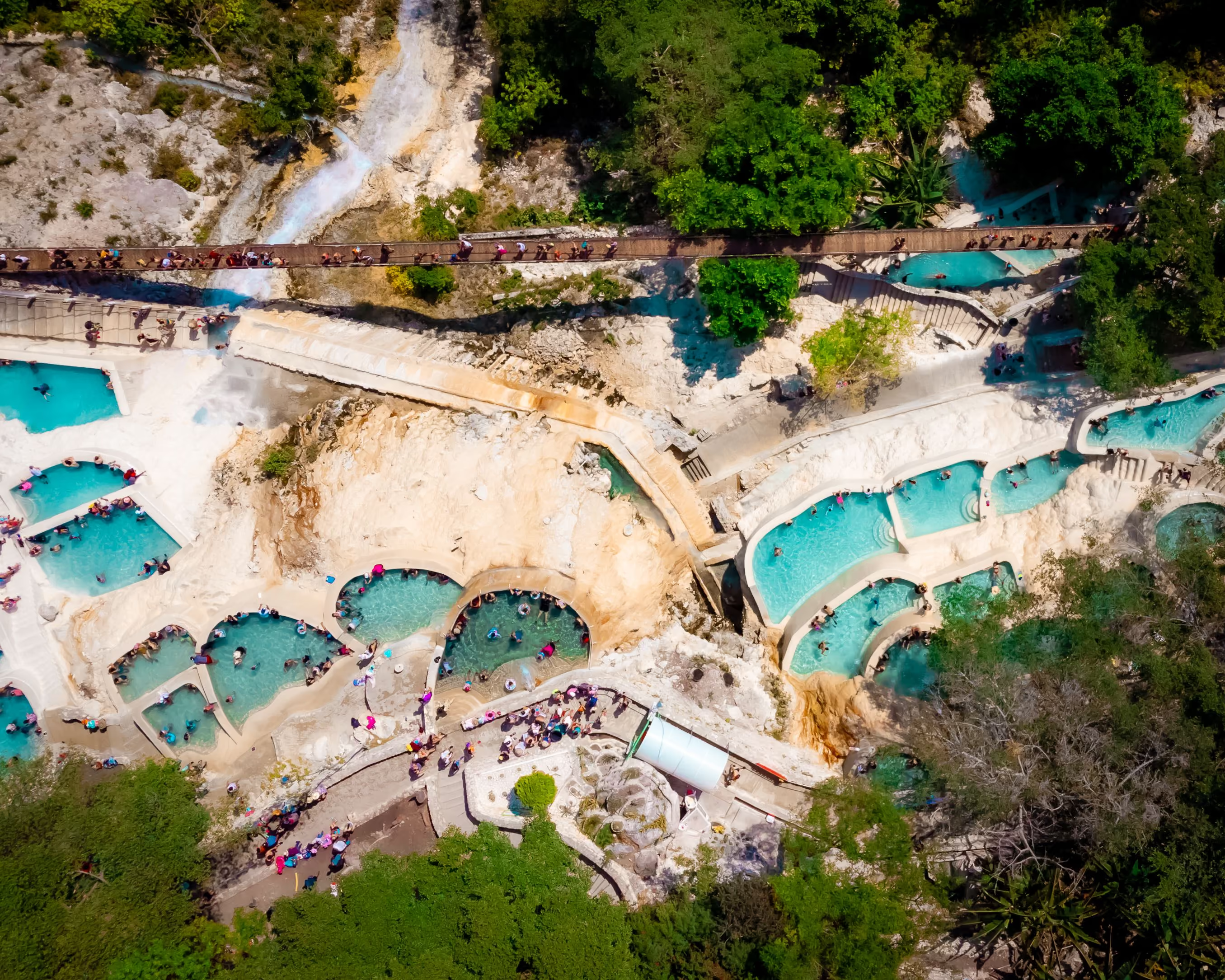
Le site est divisé en trois zones distinctes : la grotte du canyon (la gruta, l'expérience phare : un cours d'eau chaude traversant une cavité naturelle aux parois et plafonds chargés de dépôts minéraux), le lit de la rivière aménagé au fond du canyon avec une succession de bassins naturels de profondeurs variées, et une série de piscines en béton disposées en terrasses au-dessus de la rivière, offrant une vue plongeante sur le canyon.
Tolantongo est géré par la communauté locale de l'Ejido de San Cristóbal Hidalgo, qui exploite le site comme attraction touristique depuis plusieurs décennies. Les droits d'entrée sont directement reversés à la communauté, et les infrastructures (cabanes, restaurants, vestiaires, petit hôtel) sont gérées par celle-ci. Il ne s'agit pas d'un complexe hôtelier ou d'un spa de luxe, mais d'un site naturel doté d'installations simples et d'eaux thermales tout simplement spectaculaires.
Pour situer Tolantongo par rapport aux autres excursions au départ de Mexico, le guide des excursions à la journée depuis Mexico couvre l'ensemble des options. Le le meilleur guide des excursions à Mexico explique comment intégrer Tolantongo à votre séjour à Mexico.

Le problème de l'affluence et comment l'éviter
Les samedis et dimanches, de mars à novembre, Tolantongo accueille suffisamment de visiteurs pour que la piscine de la grotte principale et le cours de la rivière soient réellement bondés : des centaines de personnes dans l'eau en même temps et des files d'attente pour entrer dans la grotte aux heures de pointe. Ce n'est pas l'expérience que la plupart des voyageurs internationaux imaginent lorsqu'ils décident de s'y rendre.
Les solutions, par ordre d'efficacité :
Visitez en milieu de semaine: Du mardi au jeudi, le site fonctionne à une fraction de sa capacité du week-end. La piscine de la grotte est plus calme, la rivière est paisible et les cabañas sont disponibles. C'est cette version de Tolantongo qui justifie sa réputation.
Arrivez tôt le week-end: Le site ouvre à 7h00 (ou 8h00, selon la saison). Arriver dès l'ouverture permet de profiter de 2 à 3 heures sur place avant que la foule n'arrive en milieu de matinée. Un groupe en excursion d'une journée quittant Mexico entre 5h00 et 5h30 peut être à l'entrée du site vers 9h00, ce qui est suffisamment tôt pour faire la différence.
Passez la nuit sur place: Consultez la section sur les nuitées ci-dessous. En séjournant sur place, vous pouvez accéder à la piscine de la grotte avant 7h00, avant l'arrivée des visiteurs à la journée.
De décembre à février: Les vacances scolaires d'hiver au Mexique constituent l'exception (à éviter), mais en dehors de cette période, les mois d'hiver en milieu de semaine sont les moins fréquentés de l'année à Tolantongo. Air frais, eau chaude et peu de monde.
Excursion à la journée ou séjour sur place : le bilan en toute franchise
Excursion à la journée (depuis CDMX) :
Départ entre 5h00 et 5h30. Arrivée sur le site entre 9h00 et 9h30. Profitez de 4 à 5 heures dans l'eau. Départ du canyon entre 14h30 et 15h00. Retour à CDMX entre 19h00 et 20h00, selon le trafic.
Durée totale porte-à-porte : 14 à 15 heures, dont 8 à 9 heures de route. C'est une journée exigeante, et le départ à 5h00 implique de mettre son réveil entre 4h15 et 4h30. L'expérience en vaut largement la peine et les voyageurs qui tentent l'aventure disent presque tous qu'ils referaient ce choix sans hésiter. Mais soyez bien conscient de ce qui vous attend.
Séjour sur place:
Départ le premier jour dans l'après-midi (quittez CDMX après le déjeuner pour arriver sur le site en début de soirée). Installez-vous dans une cabaña. Profitez des piscines thermales au crépuscule : voir les parois du canyon s'illuminer des derniers rayons du soleil pendant que vous vous détendez dans une eau à 39°C est une expérience que les photos ne peuvent rendre justice. Réveillez-vous tôt pour accéder à la grotte avant 7h00, avant l'arrivée des visiteurs à la journée. Retour à CDMX en milieu de journée.
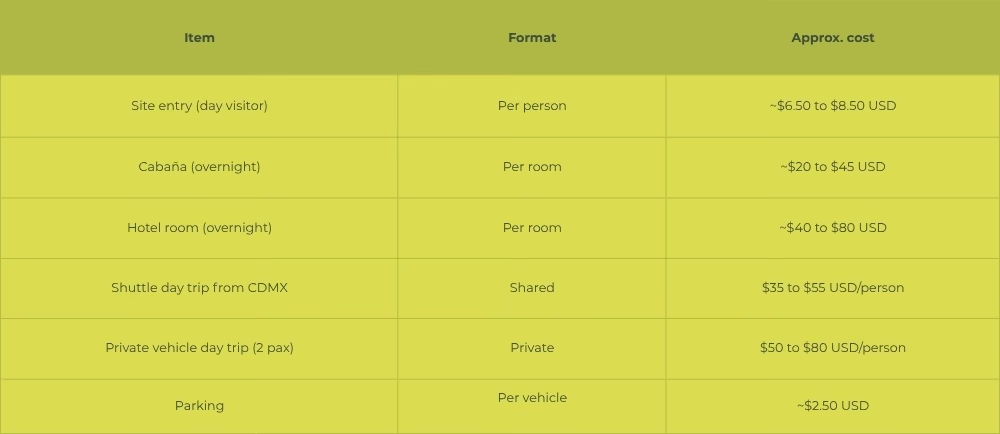
C'est l'option que la plupart des membres de notre équipe préfèrent. La nuit supplémentaire coûte entre 400 et 900 MXN pour une cabaña basique sur le site (environ 20 à 45 USD), un coût minime comparé à la différence d'expérience.
Comment s'y rendre : navette, voiture privée ou véhicule personnel
Excursion organisée en navette depuis CDMX: L'option la plus courante pour les visiteurs sans voiture. Les navettes partent de divers hôtels ou points de rendez-vous à CDMX entre 5h00 et 6h00 et reviennent entre 19h00 et 20h00. Les prix varient de 650 à 950 MXN (32 à 47 USD) par personne, transport inclus mais hors frais d'entrée sur le site. L'inconvénient : vous dépendez du planning du groupe et ne pouvez ni rester plus longtemps ni partir plus tôt.
Véhicule privé: L'option la plus flexible. Itinéraire depuis CDMX : prenez l'autoroute 85D vers le nord en direction de Pachuca, puis la 105 vers Ixmiquilpan, et suivez les panneaux indiquant Cardonal et la Barranca de Tolantongo. Les 20 derniers kilomètres consistent en une route de montagne qui descend dans le canyon ; elle est goudronnée mais étroite par endroits et il est déconseillé de l'emprunter de nuit.
En voiture (location): Une option envisageable pour les conducteurs aguerris. La route du canyon demande de la vigilance. Le stationnement sur place est géré par la communauté et coûte environ 50 MXN (2,50 USD). Certains contrats de location restreignent la circulation dans l'État d'Hidalgo ; vérifiez bien les conditions de votre contrat.
Pas de transports en commun: Il n'existe aucune liaison pratique en bus ou en colectivo depuis Mexico pour rejoindre la Barranca de Tolantongo. Des bus desservent Ixmiquilpan puis Cardonal, mais le dernier tronçon jusqu'au site nécessite un taxi ou une solution privée, ce que la plupart des voyageurs indépendants trouvent logistiquement complexe à organiser.
Que faire sur place
Tolantongo est avant tout une expérience de baignade thermale. Il n'y a pas de sites archéologiques, pas de visites guidées de monuments historiques, ni de programme culturel. Les activités proposées sont les suivantes :
Se baigner dans la grotte, le lit de la rivière et les bassins extérieurs en terrasses. Randonner sur le sentier du canyon (un chemin longe la paroi au-dessus du site avec vue sur la rivière thermale en contrebas — environ 1 heure aller-retour). Observer les changements de lumière dans le canyon tout au long de la journée. Manger au restaurant communautaire (cuisine mexicaine simple — tamales, quesadillas, plats de riz, corrects et à prix raisonnables). Ne rien faire dans l'eau chaude, une expérience bien plus régénérante qu'il n'y paraît après une semaine à CDMX.
À ne pas apporter : bouées ou jouets gonflables (interdits dans la grotte), alcool (interdit sur le site) ou grands sacs (des casiers sont disponibles pour vos objets de valeur).
La grotte (gruta) : l'attraction principale
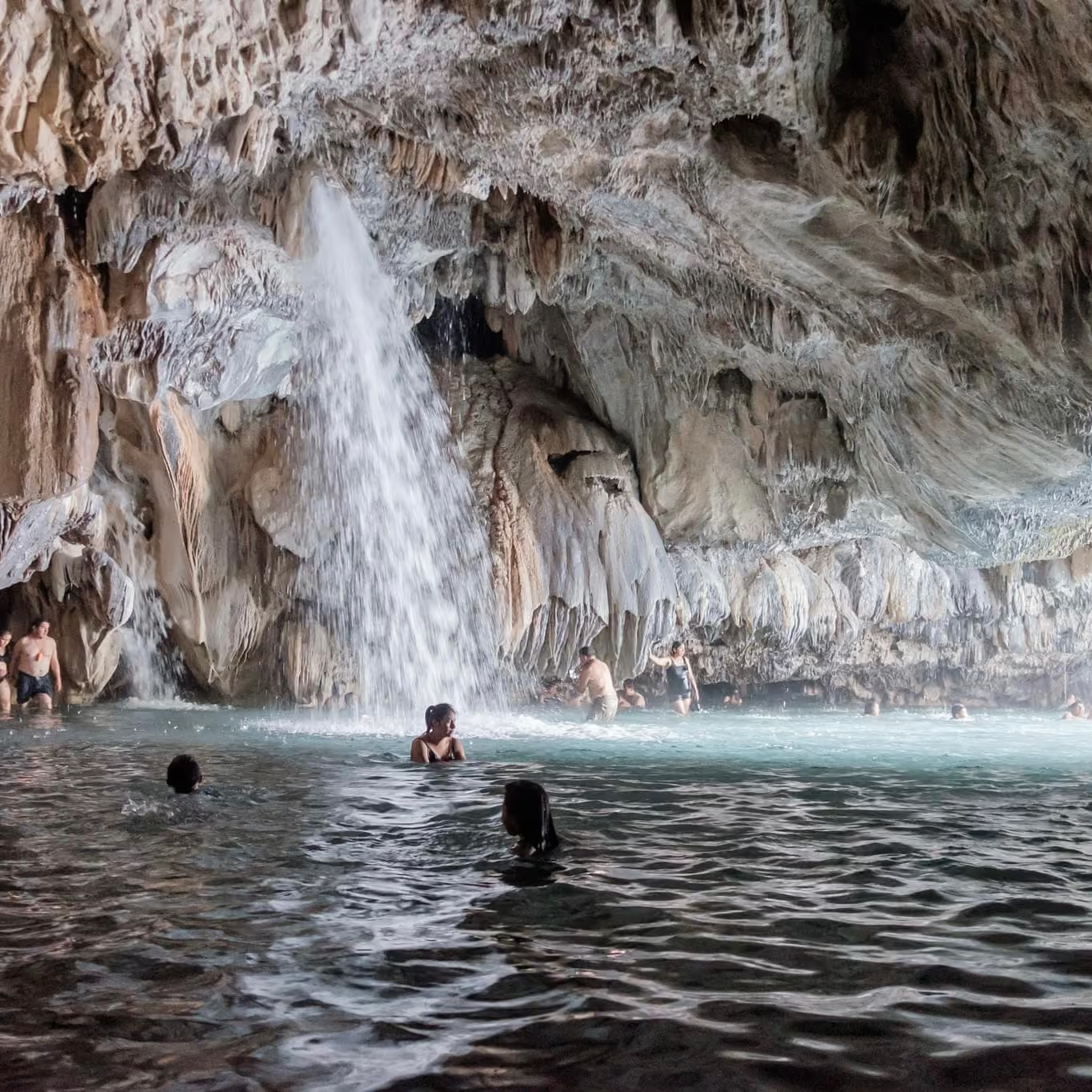
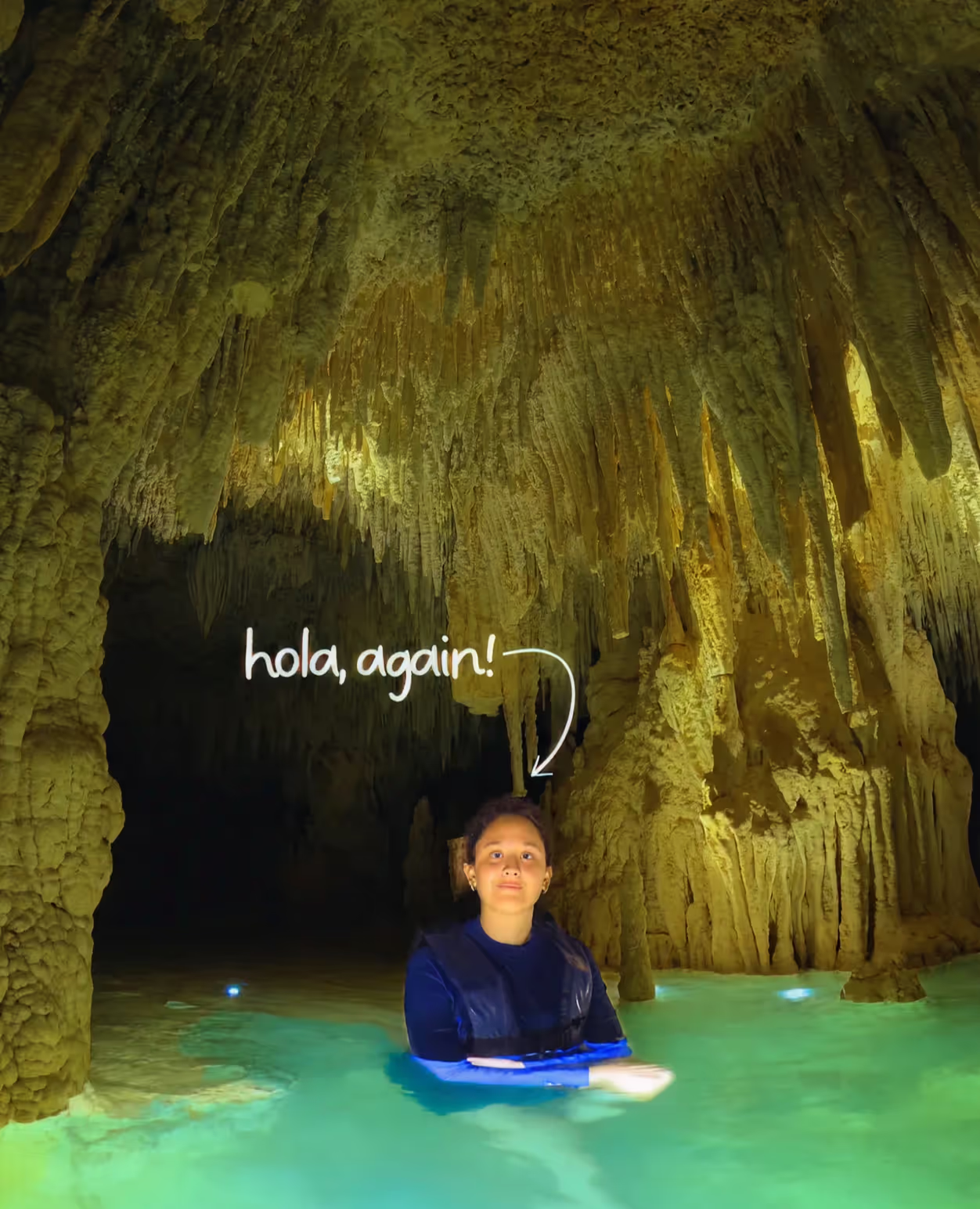
La grotte est la raison pour laquelle la plupart des gens viennent à Tolantongo. Une rivière chaude s'écoule dans une cavité naturelle d'environ 100 mètres de long, dont le plafond est recouvert de dépôts minéraux formant des stalactites. La profondeur de l'eau varie, allant du niveau des genoux à l'entrée jusqu'à la poitrine plus loin à l'intérieur. L'obscurité au fond de la grotte — là où l'eau jaillit des profondeurs de la roche — est totale. Flotter dans une eau à 39 °C dans une obscurité quasi complète, entouré de parois aux dépôts minéraux, est, sans exagération, l'une des expériences naturelles les plus extraordinaires accessibles depuis Mexico.
La grotte est assez étroite et peut devenir très fréquentée pendant les heures de pointe le week-end. L'expérience à 7h00 un mardi — le bruit de l'eau, la lumière tamisée venant de l'entrée, l'absence d'autres visiteurs — est radicalement différente de celle d'un samedi à midi, avec quarante personnes se pressant dans le même passage.
La rivière et les bassins extérieurs
Le lit de la rivière s'étend à l'extérieur de la grotte sur plusieurs centaines de mètres à travers le canyon, l'eau thermale formant des bassins naturels de profondeurs variées. Le courant crée différentes zones de température — plus chaude là où l'eau jaillit des parois du canyon, plus fraîche en aval — et les parois rocheuses naturelles ainsi que la végétation du canyon rendent le cadre véritablement magnifique.
Les bassins en béton en terrasses au-dessus de la rivière sont l'élément le moins intéressant du site (l'eau est agréable, mais l'infrastructure est purement utilitaire), mais ils offrent l'accès le plus simple aux baigneurs qui préfèrent un bord de piscine à un lit de rivière.
Hébergement sur place : à quoi s'attendre
Le complexe des Grutas de Tolantongo est géré par la communauté ejido de San Cristóbal et propose des hébergements répartis dans six sections distinctes. Bien que chaque section présente une esthétique légèrement différente, elles offrent toutes des chambres simples et fonctionnelles avec des équipements de base. Les sections La Gruta et Paraíso Escondido sont situées dans l'enceinte du parc et sont ouvertes tous les jours. De même, les sections Paraíso et Rancho se trouvent dans le parc et sont accessibles quotidiennement ; il est à noter que ce sont les seules options acceptant actuellement les réservations à l'avance. Pour les périodes de forte affluence, la section La Huerta est disponible les week-ends et pendant les vacances scolaires, tandis que la section Molanguito est située à 8 km du parc principal.
Le camping est le mode d'hébergement le plus prisé, car il permet de rester à proximité de la rivière et de s'immerger totalement dans l'expérience du canyon. Des zones dédiées sont prévues à cet effet et le site propose la location de matériel pour ceux qui ne souhaitent pas apporter le leur. La demande étant constamment élevée, surtout le week-end, nous vous recommandons vivement de réserver l'une des sections éligibles à l'avance pour garantir votre place. Pour toutes les autres zones, l'accès se fait selon le principe du premier arrivé, premier servi. Des repas sont proposés au restaurant communautaire sur place, et vous êtes autorisé à apporter vos propres collations et boissons non alcoolisées.
Logistique pratique : entrée, tarifs et conseils
Frais d'entrée: Environ 130 à 170 MXN (soit 6,50 à 8,50 USD) par personne. L'accès aux trois zones du site est inclus.
Horaires: Environ de 7h00 à 18h00 pour les visiteurs à la journée. Les clients séjournant sur place bénéficient d'horaires étendus pour l'accès aux bassins.
À prévoir: Maillot de bain, chaussures d'eau antidérapantes (le sol de la grotte est glissant), vêtements de rechange, crème solaire (pour les bassins extérieurs, le canyon est en plein soleil dès la fin de matinée), eau et collations pour le trajet (aucun point de ravitaillement sur la route du canyon), espèces (le site fonctionne principalement en liquide ou avec des options de paiement par carte limitées).
À éviter: Alcool, bouées, sacs volumineux ne rentrant pas dans les casiers.
Excursions organisées
- Excursion d'une journée à Tolantongo au départ de CDMX (divers opérateurs, réservation via les comptoirs touristiques de CDMX ou en ligne) : départ à 5h00, retour vers 20h00. Environ 35 à 55 USD par personne (transport uniquement).
- Excursion privée d'une journée à Tolantongo avec chauffeur (Rutopía) : Véhicule privé, heure de départ flexible, possibilité d'ajouter une nuit sur place si vous le souhaitez. Contactez-nous pour connaître les tarifs actuels.
Remarque : Tolantongo est moins présent sur les grandes plateformes de réservation internationales (Viator, GetYourGuide) que Teotihuacán ou Puebla. La plupart des réservations s'effectuent via des opérateurs basés à Mexico disposant de contacts locaux. C'est l'un des avantages évidents de faire appel à un organisateur de voyages basé à Mexico pour cette destination.
Tarifs en un coup d'œil
FAQ
L'eau est-elle sûre pour la baignade ? Oui. L'eau des sources thermales de Tolantongo est géothermale et riche en minéraux ; elle n'est pas traitée au chlore ou à d'autres produits chimiques, mais son débit naturel et sa température la rendent parfaitement adaptée à la baignade. Évitez d'en avaler de grandes quantités, comme pour toute étendue d'eau naturelle.
Tolantongo est-il adapté aux enfants ? Pour les enfants qui savent nager : oui. Les zones peu profondes de la rivière et l'entrée de la grotte sont accessibles aux jeunes nageurs. La grotte elle-même, avec son obscurité et son espace confiné, peut impressionner les jeunes enfants qui n'aiment pas les endroits sombres. Nous conseillons aux parents de jeter un œil à l'entrée de la grotte avant d'y emmener leurs enfants.
Pourquoi Tolantongo n'est-il pas plus célèbre à l'international ? La combinaison d'un long trajet depuis Mexico, du peu d'informations disponibles en anglais et du caractère essentiellement national du site explique pourquoi il est resté largement en dehors des radars internationaux, bien qu'il soit extrêmement populaire auprès des voyageurs mexicains. C'est un avantage pour les visiteurs internationaux qui font le déplacement : vous découvrez l'un des sites naturels les plus spectaculaires du Mexique sans la foule internationale que l'on trouve à Teotihuacán ou dans les cénotes du Yucatán.
Le site est-il bondé en hiver ? La période hivernale en milieu de semaine, hors vacances scolaires (de janvier à mars, à l'exclusion de la semaine de Noël et du Nouvel An), est la moins fréquentée de l'année. L'air extérieur frais rend la chaleur de l'eau encore plus agréable et la brume qui recouvre le canyon le matin crée une atmosphère vraiment unique. Prévoyez des vêtements chauds pour le trajet ; le canyon peut être étonnamment froid avant que vous ne soyez dans l'eau.
Looking for more Mexico travel resources? Be sure to check out:
- Les meilleures excursions à Mexico à réserver pour 2026
- Les meilleures excursions d'une journée à Mexico pour les voyageurs en 2026
- Comment fonctionnent les visites privées à Mexico en 2026
- Engager un chauffeur et un guide privé à Mexico
- Les meilleurs forfaits d'itinéraires à Mexico pour vos voyages en 2026
- Conseils de sécurité à Mexico pour les voyageurs en 2026
Rédigé par
Design your trip to Mexico with a local travel designer. Unique activities and lodging, 100% tailor-made and stress-free.
.webp)
Articles connexes
Duration:
Blog title heading will go here
Days
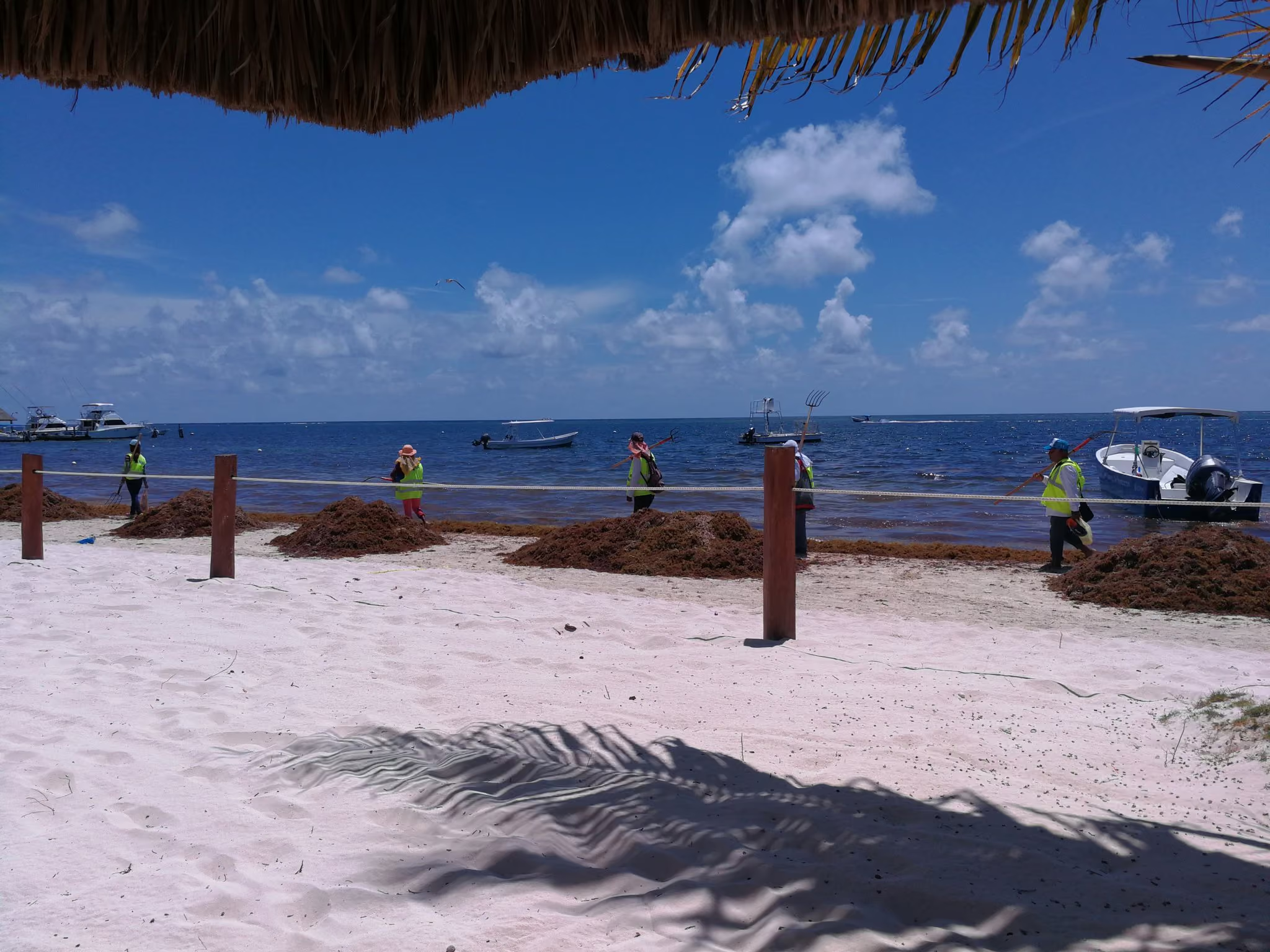
Plages à visiter sans sargasses au Mexique
Plages à visiter sans sargasses au Mexique
En savoir plus
Duration:
Blog title heading will go here
Days
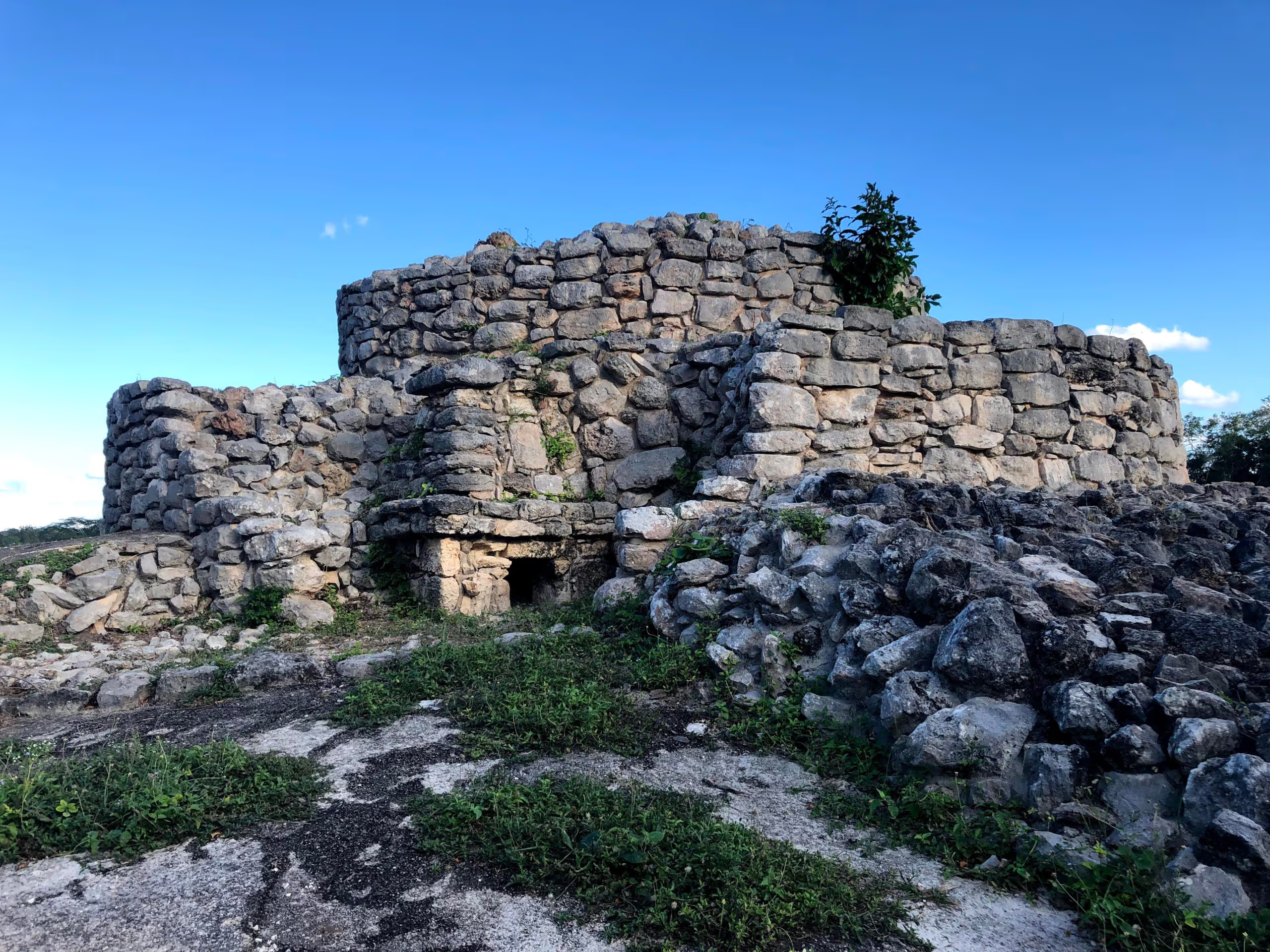
Mayan Sites Riviera
Avec Rutopía, découvrez les sites mayas. Rencontrez des lieux incroyables, avec des rituels, cérémonies et histoires anciennes des Mayas.
En savoir plus
Duration:
Blog title heading will go here
Days
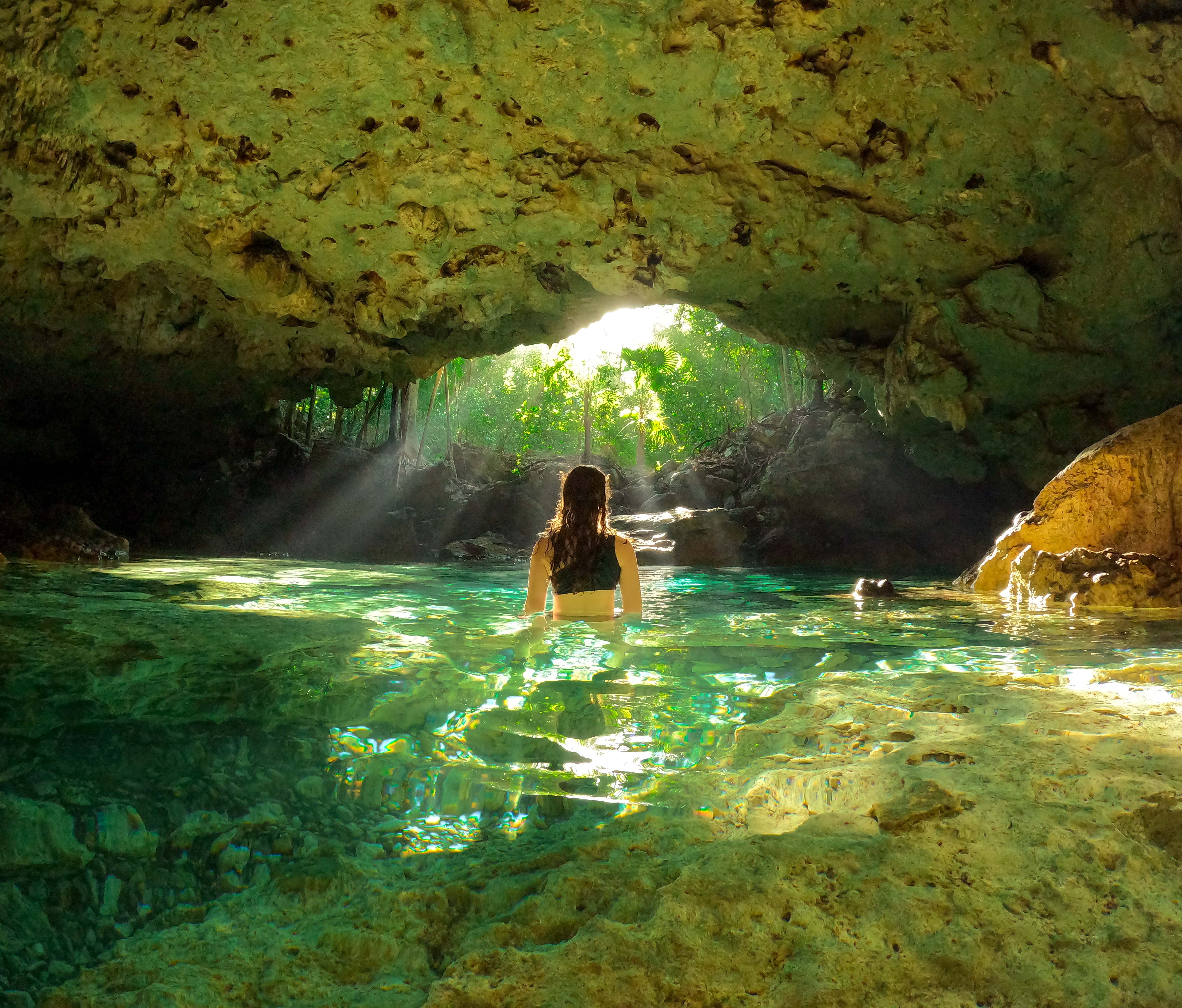
Best Cenote Tours In Yucatán For 2026
Best cenote tours in Yucatán: hidden jungle cenotes, snorkel-friendly pools and how to avoid the crowds for 2026. Picks from our Yucatán team.
En savoir plus
Rejoignez-nous à ce sujet
voyage
Planifiez votre voyage avec nousvoyage
Inscrivez-vous à notre newsletter pour être tenu au courant des nouveautés.
Oups ! Une erreur s'est produite lors de l'envoi du formulaire.
Ready to experience the real Mexico?
Travel with local experts and get hangds-on supoort every step of the way... from planning to arrival.

Your Travel Companion in Mexico, 24/7
We're with you from arrival to departure via WhatsApp for anything you need.
Trusted by thousand of travelers with a 4.9 rating on Google