Personalizar mi viaje


Los mejores tours en Ciudad de México para reservar en 2026
Los mejores tours en Ciudad de México para 2026: rutas gastronómicas, excursiones a Teotihuacán, Coyoacán y Xochimilco. Seleccionados por los diseñadores de viajes de Rutopía en CDMX.

Contenido
Destacan nuestro trabajo



Viajes únicos en México.
Hecho a medida para ti.
Solicita tu viajeHecho a medida para ti.
Deja que un guía local te ayude a planificar tu viaje a México
Comience un viaje a medidaLa Ciudad de México es una de las grandes metrópolis del mundo y, a la vez, uno de los destinos turísticos más incomprendidos. Los viajeros que llegan esperando una capital colonial manejable se encuentran con una megalópolis de 22 millones de habitantes a 2,240 metros de altura que requiere varios días para empezar a entenderse. Quienes comprenden a qué se enfrentan —una ciudad donde cada barrio es un mundo distinto, donde la red de excursiones a pocas horas de distancia es excepcional y donde la escena gastronómica y cultural compite con cualquier otra en el planeta— se van con ganas de volver. Los tours que funcionan en la Ciudad de México son aquellos que la tratan como lo que es: demasiado grande para recorrerla en un día y con demasiadas capas para absorberla sin ayuda. Los precios de las experiencias guiadas en CDMX comienzan en 35 USD por una ruta gastronómica de medio día y llegan a los 350 USD o más por recorridos privados de día completo. Para comenzar a diseñar un viaje a medida, nuestro equipo en Ciudad de México es el punto de partida ideal.
Qué hace de la Ciudad de México un gran destino turístico
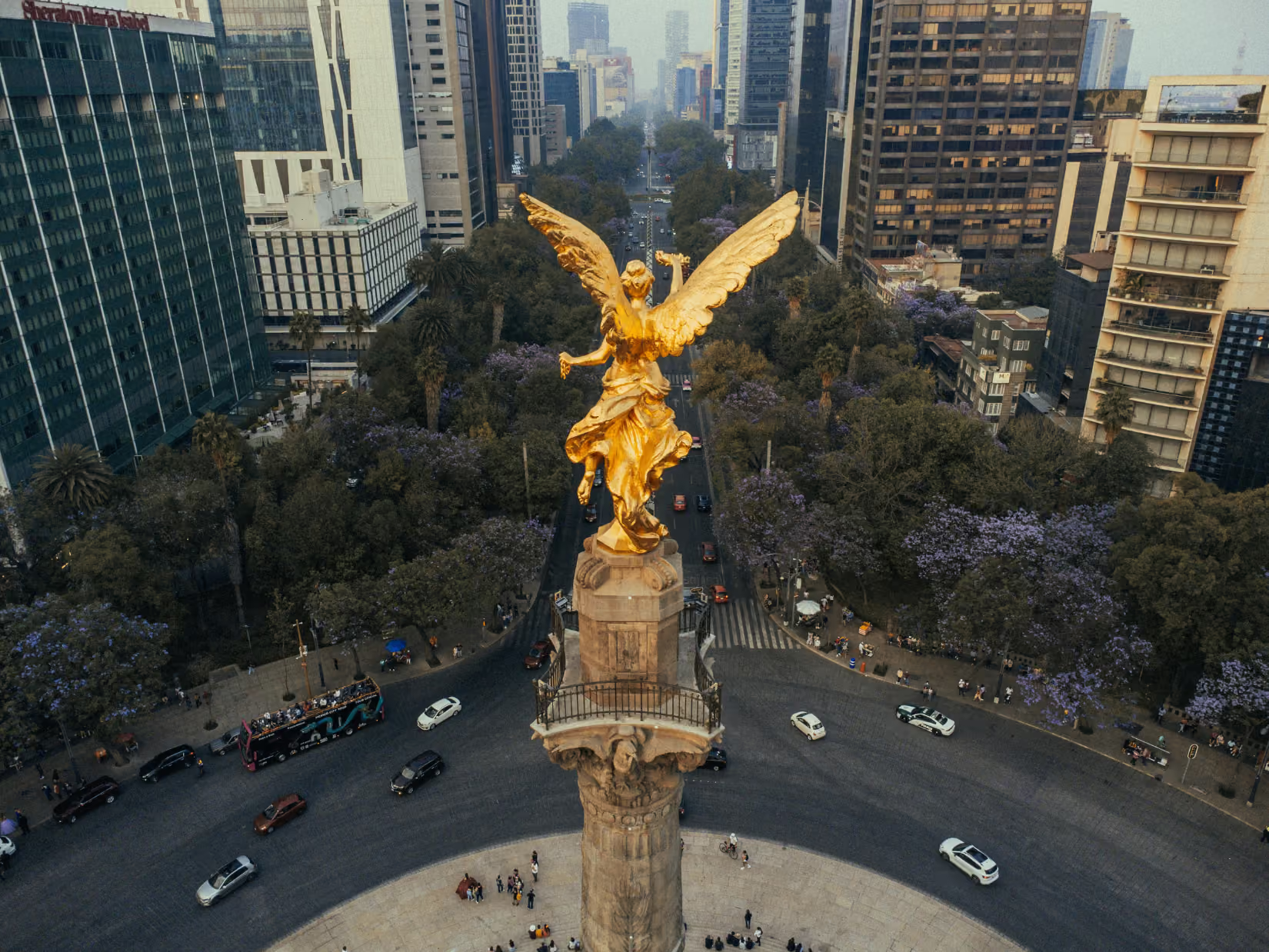
Tres aspectos distinguen a la Ciudad de México de otros destinos turísticos de gran escala.
El primero es su densidad arqueológica. La capital azteca de Tenochtitlán fue construida sobre una isla en el lago de Texcoco y desmantelada piedra a piedra cuando los españoles edificaron su propia ciudad encima. Lo que esto significa para un visitante en 2026: el Templo Mayor, el principal complejo ceremonial azteca, fue descubierto bajo una manzana de la ciudad en 1978 durante unas obras de cableado eléctrico y ha sido excavado desde entonces. Puedes estar en el Zócalo —una de las plazas públicas más grandes del mundo— y mirar hacia donde los sacerdotes realizaban ceremonias que preceden por mil años a la catedral colonial que tienes a tus espaldas. Ninguna otra gran ciudad de Norteamérica ofrece algo así.
El segundo es la tradición muralista. Diego Rivera, José Clemente Orozco y David Alfaro Siqueiros pasaron décadas cubriendo los edificios públicos de la Ciudad de México con pinturas que hacen que toda la historia del país —precolombina, colonial, revolucionaria— sea legible para cualquiera que esté dispuesto a observar. Los murales del Palacio Nacional por sí solos justifican una mañana en la ciudad.
El tercero es la comida. La Ciudad de México es el lugar donde las cocinas regionales del país convergen, se interpretan y se transforman. Restaurantes oaxaqueños en la Roma Norte, carnitas al estilo Michoacán en un mercado del Centro, mariscos veracruzanos en una cantina de la Condesa, menús de degustación contemporáneos que se nutren de cincuenta años de memoria culinaria. La guía de tours gastronómicos abarca todo el paisaje.
Para los viajeros amantes de la historia y los museos, la CDMX es considerada a menudo como una de las ciudades con más museos del mundo, con más de 150 recintos que abarcan desde civilizaciones prehispánicas e historia colonial hasta arte moderno, diseño, antropología y cultura contemporánea.
La cuestión del barrio: dónde te alojas define lo que ves

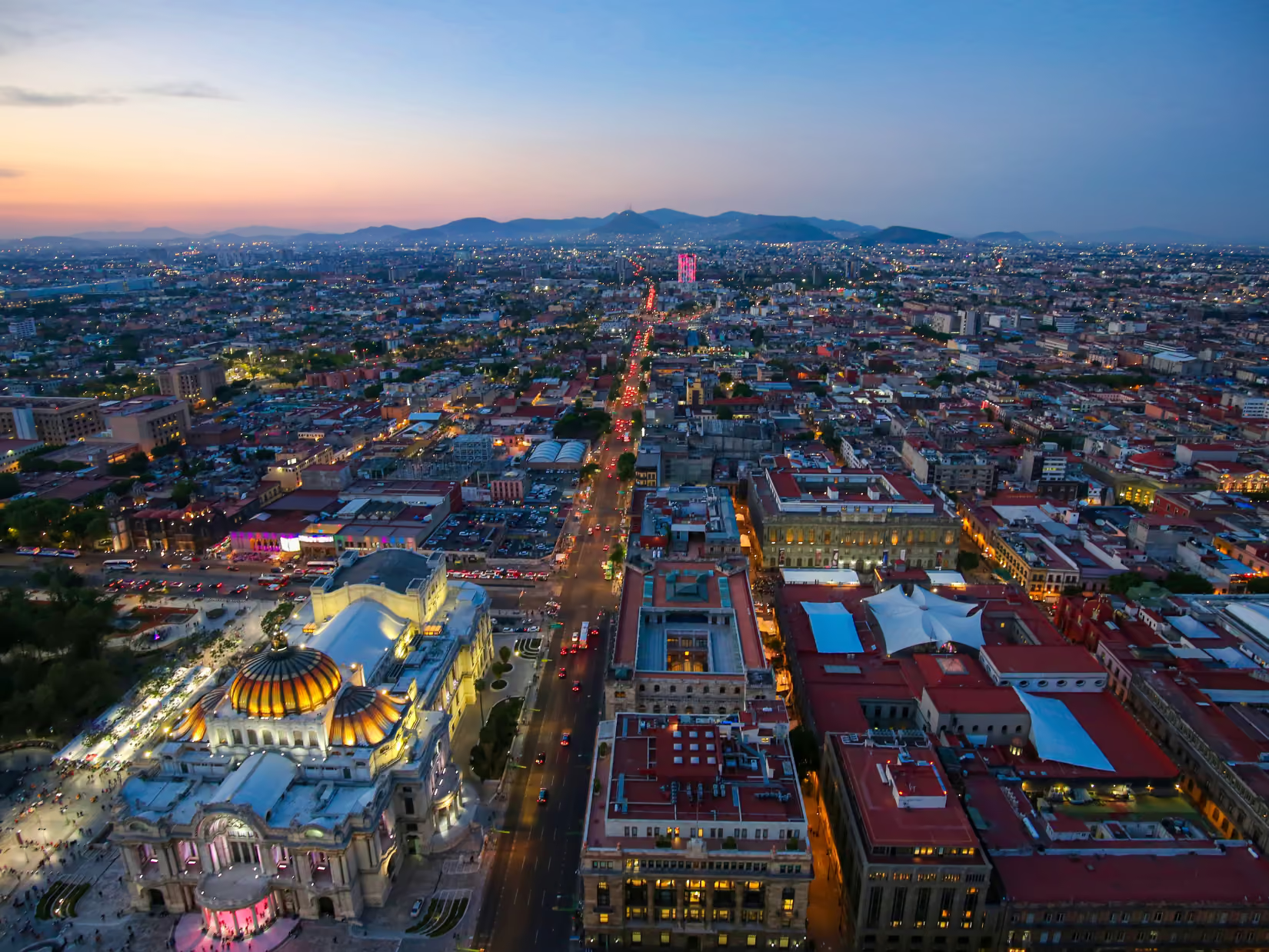
La mejor forma de entender la Ciudad de México es como una federación de barrios, cada uno con un carácter y una lógica de recorrido distintos.
Centro Histórico: El núcleo colonial, declarado Patrimonio de la Humanidad por la UNESCO, construido sobre las ruinas de Tenochtitlán. El Zócalo, la Catedral Metropolitana, la zona arqueológica del Templo Mayor, los murales del Palacio Nacional y el Mercado de la Merced se encuentran aquí o a poca distancia a pie. Es una zona densa, ruidosa y cargada de historia, ideal para recorrerla a pie con un guía que pueda explicarte lo que estás viendo.
Roma Norte y Roma Sur: El barrio del arte y la gastronomía, lleno de apartamentos de mediados de siglo, cafeterías independientes, librerías y algunos de los mejores restaurantes contemporáneos de la ciudad. El barrio se recuperó del terremoto de 1985 y se convirtió en el epicentro cultural del renacimiento de la CDMX. Los recorridos a pie aquí se organizan en torno a la comida y la arquitectura. Consulta la guía de recorridos a pie.
Condesa: Adyacente a la Roma, un poco más residencial, construido alrededor de dos parques (Parque México y Parque España). Arquitectura art déco, paseadores de perros, mercado de fin de semana y una excelente concentración de hoteles boutique que la convierten en la base más común para los visitantes internacionales.
Polanco: Zona exclusiva de influencia europea, sede del Museo Soumaya, el Museo Jumex y la Avenida Presidente Masaryk (la calle de compras de lujo). El distrito de museos nacionales en el Bosque de Chapultepec se encuentra en el límite este de Polanco. Menos centrada en la cultura callejera y más en las instituciones.
Coyoacán: Un pueblo absorbido por la ciudad, de calles empedradas, estilo colonial y lleno de color. Frida Kahlo vivió aquí; su casa azul es ahora el museo más visitado de la ciudad. El Museo Anahuacalli de Diego Rivera está a 15 minutos a pie. El mercado, los cafés y el ritmo pausado de los domingos en Coyoacán bien valen medio día, incluso sin visitar el museo. La guía del Museo Frida Kahlo cubre todo el ecosistema de Coyoacán.
Xochimilco: En el sur, técnicamente una alcaldía propia, alberga el sistema de canales declarado Patrimonio de la Humanidad por la UNESCO, donde sobreviven las últimas chinampas (islas de jardines flotantes) aztecas. Trajineras, vendedores de comida, familias los fines de semana y grupos de mariachis que pasan flotando en sus propias embarcaciones alquiladas. La guía de Xochimilco detalla qué embarcadero usar y cuándo.
Los formatos principales de tours y para qué tipo de viajero son ideales

Tours a pie por barrio: El mejor formato para quienes visitan la ciudad por primera vez y para cualquiera que desee entender cómo funciona antes de reservar excursiones de día completo. Formato de medio día, centrado en la historia, la arquitectura y la vida callejera de un barrio específico. Consulta el desglose de tours a pie.
Tours gastronómicos: Desde recorridos por los mercados del Centro y rutas gastronómicas en la Roma hasta tours nocturnos de tacos por la Doctores y los alrededores de Tepito. La escena culinaria de la Ciudad de México tiene la profundidad suficiente para realizar múltiples tours gastronómicos sin repetir. La guía completa de tours gastronómicos detalla los formatos y los barrios.
Tours de arte y cultura: Murales de Rivera en el Palacio Nacional, Bellas Artes y el Anahuacalli; arte contemporáneo en el Soumaya y el Jumex; Frida Kahlo en la Casa Azul. La CDMX posee una de las concentraciones de arte público del siglo XX más importantes del mundo. La guía de tours de arte y cultura abarca todo el panorama.
Excursiones de un día: La Ciudad de México funciona como base para una red excepcional de excursiones de un día. Teotihuacán (1 hora al norte), Puebla (2 horas al este), las grutas termales de Tolantongo (3.5 horas al norte), Tepoztlán (1.5 horas al sur). La guía de tours de un día detalla qué es posible hacer en una jornada y qué no.
Tours privados: La CDMX es tan extensa que a menudo vale la pena pagar por un servicio privado, ya que los barrios de la ciudad se distribuyen en 1,485 kilómetros cuadrados y contar con un conductor que conozca el tráfico, el estacionamiento y qué ruta a Teotihuacán evita el embotellamiento matutino marca una diferencia significativa en cuánto puedes ver en un día. La guía de tours privados explica el formato y los aspectos económicos.
La red de excursiones de un día: qué está al alcance

La Ciudad de México se encuentra en el centro de un radio privilegiado para realizar excursiones. A menos de cuatro horas de la ciudad:
Teotihuacán (50 km al norte, de 1 a 1.5 horas por carretera): La ciudad preazteca que los propios aztecas consideraban sagrada. La Pirámide del Sol, la Pirámide de la Luna y la Calzada de los Muertos. Es uno de los sitios arqueológicos más visitados de México y realmente vale la pena si se visita de la forma correcta: llegando temprano y con un guía certificado. La guía de Teotihuacán cubre cada decisión logística.
Consejo local: Teotihuacán y la Basílica de Guadalupe pueden combinarse fácilmente en un mismo día, ya que se encuentran en la misma ruta general al norte de la Ciudad de México.
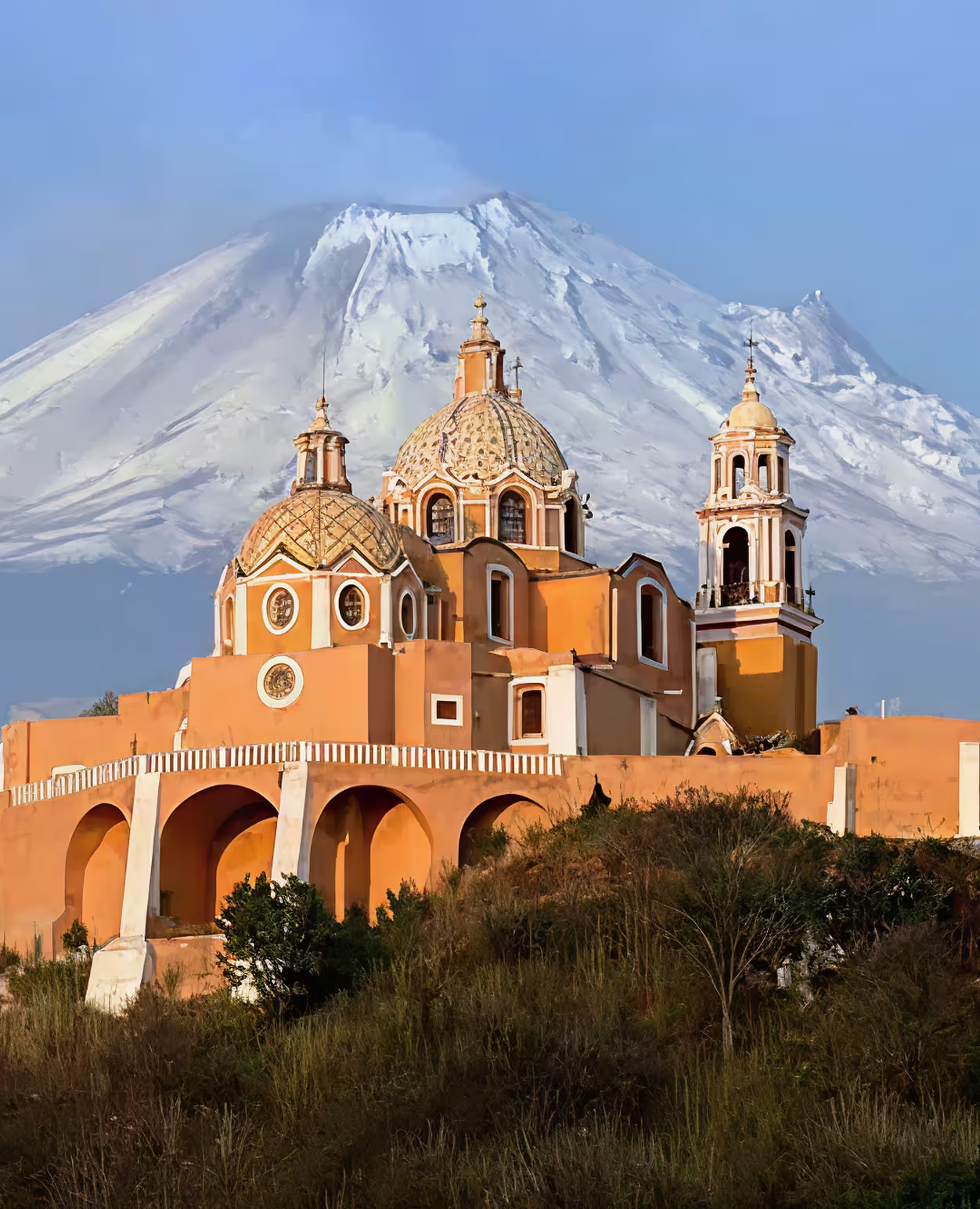
Puebla (120 km al este, 2 horas): La ciudad colonial más completa de México, con un centro histórico declarado Patrimonio de la Humanidad por la UNESCO, el complejo de la pirámide de Cholula (la pirámide más grande del mundo por volumen, con una iglesia construida en su cima), mole poblano y los mejores chiles en nogada del país durante la temporada. La guía de excursión a Puebla cubre la ruta y las paradas con total honestidad.
Consejo local: Si el plan es viajar por tierra desde la Ciudad de México hacia Oaxaca, Puebla puede ser una excelente opción para pasar la noche en lugar de visitarla solo como una excursión de un día. Esto hace que el trayecto sea mucho más cómodo, divide el tiempo de conducción y brinda a los viajeros la oportunidad de disfrutar del centro histórico, la arquitectura colonial y la icónica gastronomía de Puebla sin prisas.
Tolantongo (180 km al norte, en el estado de Hidalgo, de 3.5 a 4 horas): Grutas termales y ríos de aguas cálidas en un cañón espectacular. Es uno de los sitios naturales más impresionantes de México y casi desconocido fuera del país. La guía de Tolantongo cubre la logística, que es más compleja de lo que la mayoría de las guías admiten.
Consejo local: Si planeas visitar Tolantongo desde la Ciudad de México, ten en cuenta que el traslado puede ser bastante largo, especialmente porque el tráfico al salir de la ciudad suele ser intenso. Para una experiencia más relajada, recomendamos pasar al menos una noche cerca de Tolantongo en lugar de hacerlo como una excursión de un día. Esto hará el viaje más sencillo y te permitirá disfrutar de más tiempo en las aguas termales sin prisas.
Tepoztlán (80 km al sur, 1.5 horas): Un pueblo colonial pequeño con una pirámide prehispánica en la cima de un acantilado, un famoso mercado orgánico los fines de semana y un ritmo que no se parece en nada al de la capital, a pesar de estar tan cerca.
Tula (95 km al norte, 1.5–2 horas): Un sitio prehispánico menos conocido cerca de la Ciudad de México y antigua capital de la civilización tolteca, famoso por sus monumentales figuras de guerreros de piedra conocidos como los Atlantes de Tula. Es más pequeño y menos concurrido que Teotihuacán, lo que lo convierte en una excelente opción para los viajeros que disfrutan de la arqueología y las civilizaciones antiguas a un ritmo más pausado.
Valle de Bravo (140 km al oeste, 2.5–3 horas): Un encantador pueblo a orillas de un lago rodeado de montañas boscosas, conocido por su ambiente relajado, calles de estilo colonial, hoteles boutique, actividades acuáticas y hermosas vistas al lago. Es una gran opción para los viajeros que buscan desconectarse del ritmo de la Ciudad de México y disfrutar de la naturaleza, el aire fresco y un ritmo más pausado.
Consejo local: Si visitas entre noviembre y marzo, Valle de Bravo es uno de los mejores puntos de acceso para presenciar la increíble migración de la mariposa monarca. Millones de mariposas llegan a los bosques de las montañas circundantes tras recorrer miles de kilómetros desde Canadá, creando uno de los espectáculos naturales más notables de México. Visitar un santuario de mariposas cercano puede ser un complemento maravilloso para tu estancia en la región.
Cuánto cuestan los tours en la Ciudad de México en 2026
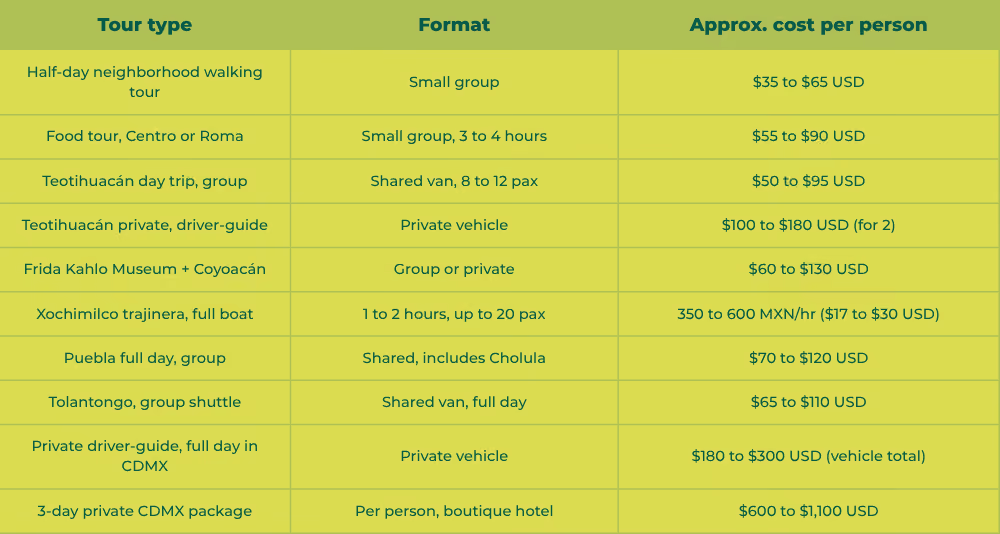
Todos los precios excluyen propinas y comidas personales. Para un desglose completo de los factores que influyen en los costos, el artículo sobre conductores y guías privados contiene los cálculos por hora y por día.
Cuántos días necesitas realmente
Tres días es el mínimo para la Ciudad de México, y es un mínimo que te deja con la sensación de haber apenas arañado la superficie. Cinco días es cuando la ciudad empieza a revelarse: tres días en la ciudad misma (barrios, murales, museos, gastronomía) y dos para excursiones de un día. Siete días te permiten profundizar: el circuito artístico completo, Xochimilco, dos excursiones de un día y una noche en Puebla.
La guía de paquetes de itinerarios para CDMX tiene plantillas de 3, 5 y 7 días con una estructura detallada día a día. La mayoría de los viajeros que han visitado la Ciudad de México coinciden en que su mayor arrepentimiento es no haberse quedado más tiempo.
¿Es segura la Ciudad de México para hacer turismo en 2026?
La Ciudad de México es un destino de Nivel 2 según el Departamento de Estado de EE. UU., la misma clasificación que el Reino Unido y Japón. Los barrios turísticos (Roma, Condesa, Polanco, Coyoacán, San Ángel y el Centro Histórico durante el día) se encuentran entre los entornos urbanos más acogedores para los visitantes en América Latina. Desde 2019, la ciudad ha invertido considerablemente en infraestructura peatonal, cámaras de seguridad y presencia de policía turística en los corredores principales.
La realidad sobre la seguridad es más matizada de lo que sugiere el nivel de alerta. El hurto menor (carteristas en el metro durante las horas punta, robo de teléfonos en lugares nocturnos concurridos) es el riesgo más común para los visitantes. El secuestro exprés, que alguna vez fue una preocupación importante en CDMX, ha disminuido sustancialmente con la adopción generalizada de Uber y otras aplicaciones de transporte que eliminan la necesidad de tomar taxis en la calle. El artículo de consejos de seguridad cubre notas barrio por barrio y las decisiones prácticas que marcan la mayor diferencia.
Tours recomendados que puedes reservar
Una lista breve de varias plataformas. Los precios son aproximados y varían según la temporada.
- Caminata histórica por el Centro Histórico (Airbnb Experiences): 3 horas, del Zócalo al Templo Mayor con un historiador local. Aproximadamente de 45 a 70 USD por persona.
- Tour privado de acceso anticipado a Teotihuacán (Viator): Formato privado, llegada antes de la apertura al público general, guía certificado por el INAH. Aproximadamente de 130 a 200 USD para dos personas.
- Recorrido gastronómico por Roma y Condesa (GetYourGuide): De 3 a 4 horas, 6 a 8 paradas, cultura gastronómica contemporánea de la CDMX. Aproximadamente de 60 a 90 USD por persona.
- Trajinera en Xochimilco con visita a chinampa (Airbnb Experiences): 2.5 horas, incluye visita a una chinampa en funcionamiento, aproximadamente de 55 a 80 USD por persona.
- Ruta privada personalizada en CDMX (Rutopía): Diseñada según tus intereses y fechas. Contacta a nuestro equipo para conocer los precios actuales.
Preguntas frecuentes
¿Necesito un guía en la Ciudad de México o puedo moverme por mi cuenta? Para el Centro Histórico y la ruta de murales, un guía aporta un valor que no se puede obtener por cuenta propia: la historia que se esconde en cada esquina no es evidente en un mapa ni en una guía turística. Para explorar la gastronomía de los barrios y visitar museos por tu cuenta, puedes hacerlo perfectamente sin ayuda. La mayoría de los viajeros combinan ambas opciones: guías para la historia y la arqueología, e independencia para la comida y la cultura urbana.
¿Cuál es la mejor zona para hospedarse? Condesa y Roma Norte son las zonas más populares para los visitantes internacionales: son céntricas, caminables, seguras y están llenas de excelentes restaurantes. Polanco está un poco más alejado del Centro, pero es ideal para quienes priorizan la comodidad y la cercanía a Chapultepec. Coyoacán es más tranquilo y tiene un ambiente de pueblo, pero requiere transporte para llegar a la mayor parte de la ciudad.
¿Es confiable Uber en la Ciudad de México? Sí. Uber opera ampliamente en toda la CDMX y es, por mucho, el transporte recomendado para la mayoría de las necesidades de los visitantes. La aplicación muestra los precios por adelantado, evita disputas por la tarifa y elimina los riesgos de seguridad asociados con tomar taxis en la calle. Los tiempos de espera en Roma, Condesa y Polanco suelen ser menores a 5 minutos.
¿Puedo visitar Teotihuacán y Xochimilco el mismo día? Técnicamente es posible, pero no recomendable. Teotihuacán requiere toda la mañana (salir a las 7:00 a. m. y regresar a primera hora de la tarde), y Xochimilco se disfruta mejor entre la mañana y el mediodía durante los días de semana. Combinarlos resulta en una visita apresurada de ambos lugares. La guía de excursiones de un día detalla qué actividades se complementan bien y cuáles no.
¿Cómo afecta la altitud al primer día en la Ciudad de México? La Ciudad de México se encuentra a 2,240 metros sobre el nivel del mar, una altura mayor a la que muchos visitantes esperan. Durante el primer día, es común sentir dolor de cabeza, una leve falta de aire al subir escaleras y fatiga inusual. Beba más agua de lo habitual, evite el alcohol la primera noche y no programe su actividad más exigente físicamente (como subir las pirámides de Teotihuacán o una larga ruta gastronómica) hasta el segundo día. La mayoría de los visitantes se aclimatan por completo en un plazo de 24 a 48 horas.
¿Cuál es la mejor forma de ir del aeropuerto al centro? La Línea 4 del Metrobús conecta la Terminal 1 con la estación Buenavista (pasando por Roma y Reforma) de manera económica y eficiente. Uber desde la terminal del aeropuerto es confiable y cuesta aproximadamente entre 180 y 320 MXN (de 9 a 16 USD), dependiendo del destino. Evite los mostradores de taxis de precio fijo dentro de la terminal, ya que son más caros que cualquiera de las otras opciones.
Looking for more Mexico travel resources? Be sure to check out:
- Cómo funcionan los tours privados en la Ciudad de México en 2026
- Guía de tours a Teotihuacán desde la Ciudad de México para 2026
- Guía completa del Museo Frida Kahlo para 2026
- Guía completa de tours gastronómicos en la Ciudad de México para 2026
- Guía completa de tours en trajinera por Xochimilco para 2026
- Los mejores tours a pie por la Ciudad de México para viajeros en 2026
Escrito por
Design your trip to Mexico with a local travel designer. Unique activities and lodging, 100% tailor-made and stress-free.
.webp)
Publicaciones relacionadas
Duration:
Blog title heading will go here
Days
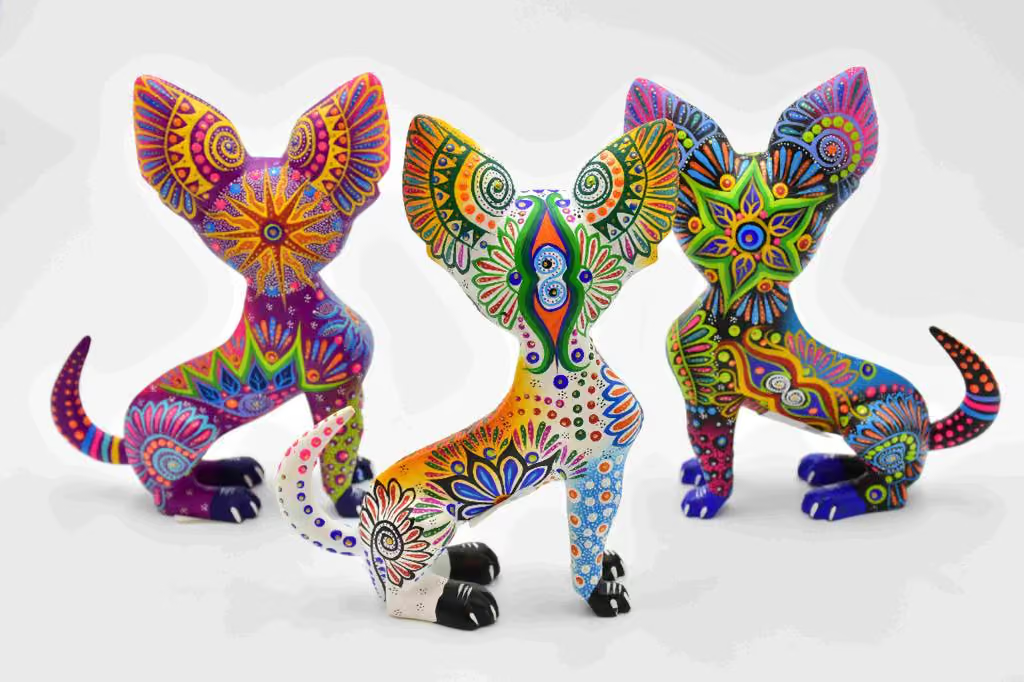
Meet Alebrijes
Considerados como animales espirituales mexicanos, los alebrijes son las artesanías más famosas de México. Representan el animal contraparte de las personas.
Leer más

Duration:
Blog title heading will go here
Days
Authentic Trips Importance
Los viajes auténticos nos permiten crecer personalmente, nutrirnos de otras culturas, experimentar lugares nuevos e inesperados.
Leer más
Duration:
Blog title heading will go here
Days
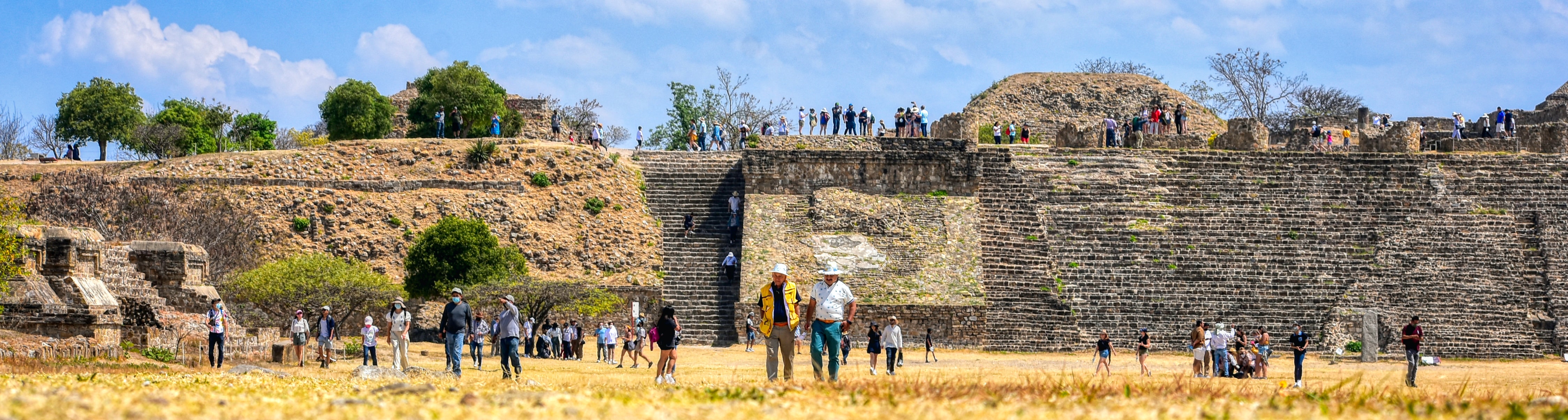
Tu plan de itinerario para Ciudad de México y Oaxaca 2026
Un itinerario de 7 a 10 días por Ciudad de México y Oaxaca: gastronomía en CDMX, Teotihuacán, Monte Albán y mezcal. Ruta 2026 diseñada por los expertos de Rutopía.
Leer más
Únete a nosotros sobre esto
viaje
Planifica tu viaje con nosotrosviaje
Únete a nuestro newsletter para mantenerte al tanto de novedades y consejos para tus viajes.
¡Vaya! Se ha producido un error al enviar el formulario.
Ready to experience the real Mexico?
Travel with local experts and get hangds-on supoort every step of the way... from planning to arrival.
Your Travel Companion in Mexico, 24/7
We're with you from arrival to departure via WhatsApp for anything you need.

Trusted by thousand of travelers with a 4.9 rating on Google