Personalizar mi viaje


Los mejores tours de arte y cultura en Ciudad de México para 2026
Tours de arte y cultura en Ciudad de México: rutas por Bellas Artes, los murales de Rivera, el Anahuacalli y el Soumaya. Selección 2026 del equipo cultural de Rutopía en CDMX.


Contenido
Destacan nuestro trabajo



Viajes únicos en México.
Hecho a medida para ti.
Solicita tu viajeHecho a medida para ti.
Deja que un guía local te ayude a planificar tu viaje a México
Comience un viaje a medidaEl panorama artístico y cultural de la Ciudad de México es uno de los más densos del planeta, aunque es uno de los menos visitados de forma sistemática por los viajeros internacionales, quienes suelen limitarse a Teotihuacán y Xochimilco. El Museo Nacional de Antropología en Chapultepec posee colecciones que rivalizan con las del Museo Británico en cuanto a material precolombino; la Piedra del Sol azteca por sí sola justifica la visita. Los murales que Diego Rivera, José Clemente Orozco y David Alfaro Siqueiros plasmaron en los muros públicos de la ciudad a lo largo de sus carreras constituyen el proyecto de arte público más ambicioso del siglo XX. La escena de arte contemporáneo ha dado lugar a instituciones (Jumex, Soumaya) que serían referentes en cualquier otra ciudad del mundo. Nada de esto requiere un tour para ser visitado, pero todo se disfruta mucho más con un guía que sepa qué está mirando y pueda explicar su importancia. Para un día personalizado de arte y cultura en CDMX, nuestro equipo cuenta con especialistas culturales en cada una de las instituciones de esta lista.
El circuito muralista: Rivera, Orozco y Siqueiros
El movimiento muralista mexicano (activo desde los años 20 hasta los 70) fue un programa de arte público financiado por el gobierno, diseñado para utilizar la pintura narrativa a gran escala en edificios públicos con el fin de educar a una población posrevolucionaria mayoritariamente analfabeta sobre la historia de México. Las tres figuras dominantes —Rivera, Orozco y Siqueiros— crearon obras de una ambición y escala extraordinarias en muros de toda la Ciudad de México.
Palacio Nacional (Centro Histórico): El mural de Rivera "Épica del Pueblo Mexicano en Su Historia" cubre la escalera principal y los pasillos circundantes en una narrativa continua que abarca desde el mundo precolombino hasta la independencia de México y la Revolución. Es, posiblemente, la obra de arte público más importante de América. La entrada es gratuita (generalmente se requiere pasaporte o identificación en la entrada). Reserve de 45 a 90 minutos para ver los murales de la escalera y los paneles secundarios del piso superior. Un guía que pueda descifrar los paneles específicos —Tláloc y el panteón azteca, la conquista española, las figuras que Rivera incluyó como retratos y comentarios políticos— transforma la visita.
Secretaría de Educación Pública (SEP), Centro: El edificio de la SEP, a cuatro calles del Palacio Nacional, alberga 235 paneles de frescos adicionales de Rivera distribuidos en dos niveles de patios, pintados entre 1923 y 1928. La entrada es gratuita; el edificio es una oficina gubernamental en funcionamiento, lo que significa que caminará por departamentos ministeriales reales rodeado de paneles que representan la agricultura, la industria y la cultura popular mexicana. Es mucho menos visitado que el Palacio Nacional. Reserve 45 minutos.
Palacio de Bellas Artes, segundo y tercer piso: Los pisos superiores de Bellas Artes albergan murales a gran escala de las tres figuras principales del movimiento, exhibidos en galerías dedicadas. "El hombre controlador del universo" de Rivera está representado aquí mediante una reproducción (el original en el Rockefeller Center fue destruido en 1934 cuando Rivera se negó a eliminar un retrato de Lenin). "La Katharsis" de Orozco y "Nueva Democracia" de Siqueiros son originales. La entrada a las galerías del museo cuesta aproximadamente 80 MXN (4 USD), independiente de la compra de boletos para espectáculos.
Castillo de Chapultepec: El castillo alberga murales de Orozco en las galerías del museo histórico, las cuales narran el siglo XIX desde la independencia, pasando por el gobierno de Maximiliano, hasta la Revolución. Estos murales son menos famosos que las obras del Centro Histórico, pero están significativamente menos concurridos y merecen la atención de cualquier persona interesada en la obra muralista completa.
Un día completo dedicado al muralismo cubriendo las cuatro ubicaciones toma de 6 a 8 horas y se aprovecha mejor con un guía que conozca la historia representada. Este es el formato de recorrido que genera la transformación más genuina en la forma en que los visitantes comprenden México.
Museo Nacional de Antropología
El Museo Nacional de Antropología (MNA) en Chapultepec es, según la mayoría de las valoraciones, el mejor museo de material precolombino del mundo. Tan solo la sala mexica —que alberga la Piedra del Sol (el "calendario azteca"), la colosal estatua de Coatlicue, la Piedra de Tízoc y decenas de otros objetos de la mayor importancia— constituye un museo importante por derecho propio. Las galerías circundantes cubren la cultura olmeca (las cabezas colosales), la civilización maya (los murales reconstruidos de Bonampak), zapoteca, mixteca, teotihuacana y todas las demás culturas precolombinas importantes de Mesoamérica.
El edificio en sí es una obra maestra de la arquitectura de mediados del siglo XX: Pedro Ramírez Vázquez diseñó un enorme dosel a modo de paraguas sobre el patio central, sostenido por un único pilar central, con una cascada de agua cayendo desde su borde. La escala y la luz son extraordinarias.
Una visita autoguiada al MNA ofrece una visión general decente. Una visita con un guía especializado en culturas precolombinas produce algo genuinamente diferente: el contexto de lo que realmente registra la Piedra del Sol (no un calendario, sino una compleja declaración cosmológica), el significado del disco de Coyolxauhqui (la diosa de la luna desmembrada por Huitzilopochtli) y la relación entre los objetos expuestos y el sitio arqueológico del Templo Mayor en el Centro.
Entrada: aproximadamente 90 MXN (4.50 USD). Abierto de martes a domingo, de 9:00 a. m. a 7:00 p. m. Reserve un mínimo de 2.5 a 4 horas; es posible dedicarle un día completo.

Castillo de Chapultepec y las galerías de historia
El Castillo de Chapultepec se asienta sobre una colina rocosa sobre la primera sección del Bosque de Chapultepec, el parque urbano más grande de América con 686 hectáreas. El castillo fue construido como academia militar, sirvió como palacio imperial de Maximiliano I y la emperatriz Carlota durante la Intervención Francesa (1864–1867) y se convirtió en residencia presidencial hasta 1939. Actualmente alberga el Museo Nacional de Historia.
Vale la pena visitar el castillo por dos razones: la vista (360 grados de la Ciudad de México, con los volcanes Popocatépetl e Iztaccíhuatl visibles en días despejados) y las salas de Maximiliano y Carlota, que conservan el mobiliario europeo y los objetos personales de los únicos monarcas que tuvo México. La historia que representan —el intento de Napoleón III de establecer un imperio europeo en México, el esfuerzo genuino de Maximiliano por comprender y representar a México mientras servía a los intereses franceses, su eventual ejecución por un pelotón de fusilamiento en Querétaro en 1867— es uno de los episodios más extraordinarios de América y casi completamente desconocido para los visitantes no mexicanos.
Entrada al castillo y al museo: aproximadamente 90 MXN (4.50 USD). Calcule de 1 a 2 horas.
Bellas Artes: arquitectura y artes escénicas
El Palacio de Bellas Artes es el eje central de la vida artística de la Ciudad de México: un exterior art nouveau (mármol italiano de Carrara y azulejos modernistas catalanes en la fachada) que envuelve un interior art déco (teatro, vestíbulos y las galerías de murales del piso superior mencionadas anteriormente). La construcción del edificio tomó 30 años (1904–1934), abarcando el Porfiriato, la Revolución y la reconstrucción posrevolucionaria, y las capas de su edificación se reflejan en las transiciones de estilo.
Visita arquitectónica: Sin costo de entrada para el exterior y el vestíbulo de la planta baja. El exterior se fotografía mejor desde el parque de la Alameda, justo al cruzar la Avenida Juárez, donde la fachada completa y el espejo de agua del parque crean la imagen icónica del edificio.
Galerías de murales: Consulte la sección del circuito muralista más arriba.
Ballet Folklórico de México: La compañía residente de Bellas Artes se presenta los miércoles por la noche y los domingos por la mañana, ofreciendo interpretaciones escénicas de las tradiciones de danza regional de todo el país. Se trata de una institución cultural oficial y no de una representación etnográfica; es un espectáculo teatral, colorido y una excelente introducción cultural para los visitantes que no están familiarizados con la diversidad regional de México. Los precios de las entradas oscilan entre 300 y 1,200 MXN (15 a 60 USD).
Instituciones contemporáneas: Soumaya, Jumex y MUAC
Museo Soumaya (Plaza Carso, Polanco): La colección privada de Carlos Slim, con entrada gratuita, se encuentra en un edificio diseñado por Fernando Romero que recuerda a un rollo de aluminio arrugado. Acervo: la mayor colección de esculturas de Auguste Rodin fuera de Francia (más de 380 obras), además de arte colonial mexicano, piezas prehispánicas y maestros europeos del siglo XIX. La arquitectura es el principal atractivo desde el exterior; la galería de Rodin en el piso superior es el punto culminante del interior.
Museo Jumex (junto al Soumaya, Polanco): La institución de arte contemporáneo más importante de México, con un programa internacional de exposiciones temporales y una colección permanente centrada en obras de posguerra y contemporáneas. Se requiere entrada. El edificio, diseñado por David Chipperfield, es más pequeño y sobrio que el Soumaya, lo cual resulta ideal para las obras que alberga.
Museo Universitario Arte Contemporáneo (MUAC) en la UNAM: El museo de arte contemporáneo de la universidad nacional de México, ubicado en el campus sur de la UNAM en el Pedregal. Cuenta con una programación excepcional, instalaciones de gran formato y un compromiso con los artistas contemporáneos mexicanos y latinoamericanos que ni el Soumaya ni el Jumex (más orientados a lo internacional) replican. Cómo llegar desde el centro de CDMX: de 30 a 45 minutos en Metrobús. Entrada aproximada de 50 MXN (2.50 USD).

Anahuacalli: la colección prehispánica de Rivera
Incluido en la guía del Museo Frida Kahlo como parte del circuito de Coyoacán, el Anahuacalli merece una mención especial en el contexto artístico y cultural. Rivera diseñó el edificio en la década de 1940 utilizando basalto volcánico, con la intención de que pareciera una pirámide prehispánica por fuera y funcionara como un templo para su colección de aproximadamente 59,000 objetos prehispánicos de toda Mesoamérica.
Para el visitante interesado en la conexión entre el muralismo de Rivera y su fuente de inspiración —la imaginería prehispánica que pasó décadas absorbiendo e incorporando—, el Anahuacalli es el sitio más revelador de la ciudad. Aquí puedes ver lo que él observaba cuando pintó a Tláloc en el muro del Palacio Nacional.
Ballet Folklórico y Lucha Libre: cultura del espectáculo
Ballet Folklórico de México: Ver la sección de Bellas Artes más arriba. Presentaciones los miércoles por la noche y domingos por la mañana. Reserva con mucha antelación para las funciones de fin de semana durante la temporada alta de turismo.
Lucha Libre en la Arena México: La arena nacional de la tradición de lucha libre profesional se encuentra en la colonia Doctores, a menos de 10 minutos del Centro en Metro. Las funciones se llevan a cabo los martes y viernes en la Arena México; la Arena Coliseo (cerca del Centro) tiene funciones los domingos. La lucha libre es teatral, acrobática, colorida y ruidosa; las máscaras, los personajes y la participación del público la convierten en una experiencia cultural única en la CDMX. Los precios de las entradas oscilan entre 70 y 300 MXN (3.50 a 15 USD) en taquilla. No se requiere tour formal; compras tu boleto y entras.
Una función de lucha libre en la Arena México un martes por la noche, combinada con un tour nocturno de tacos por la colonia Doctores, es una de las veladas más auténticas que un visitante puede disfrutar en la CDMX y cuesta una fracción de casi cualquier otro entretenimiento nocturno en la ciudad.

Cómo organizar un día de arte y cultura
Un patrón que hemos observado en cientos de itinerarios por la Ciudad de México es que los viajeros subestiman constantemente los tiempos de traslado y el cansancio que generan los museos. Los días culturales más exitosos que hemos diseñado suelen estructurarse en torno a un solo tema, en lugar de intentar combinar el Museo de Antropología, los murales del Centro Histórico, Coyoacán y museos de arte contemporáneo en una sola jornada. Aunque todos estos sitios son excepcionales, la Ciudad de México recompensa la profundidad más que la cantidad.
Por ejemplo, los visitantes interesados en Rivera suelen aprovechar mejor su tiempo combinando el Palacio Nacional, la SEP y el Anahuacalli que añadiendo varios museos sin relación entre sí. Del mismo modo, los viajeros enfocados en la cultura contemporánea disfrutan más dedicando tiempo de calidad al Jumex y al MUAC que recorriendo apresuradamente varias instituciones. Nuestra experiencia en la planificación de rutas personalizadas nos indica que dos o tres paradas culturales importantes, combinadas con tiempo para comer y explorar los barrios, producen una experiencia más enriquecedora que intentar completar una lista de lugares.
Un día enfocado en el muralismo: Mañana: Palacio Nacional y SEP (ambos en el Centro, 90 minutos cada uno). Comida en el Centro. Tarde: Galerías del piso superior de Bellas Artes (de 45 minutos a 1 hora). Final de la tarde: Murales y vistas del Castillo de Chapultepec (1 hora).
Un día enfocado en la época prehispánica y museos: Mañana: Museo Nacional de Antropología, Chapultepec (de 2.5 a 3 horas). Comida en Polanco. Tarde: Museo Soumaya y Jumex (2 horas en total). Opcional: Castillo de Chapultepec (30 minutos).
Un día de arte en Coyoacán: Mañana: Museo Frida Kahlo (entrada con horario, reservar con antelación). Comida en el mercado de Coyoacán. Tarde: Anahuacalli (de 45 minutos a 1 hora). Este formato combina las fuentes de colección de Rivera (Anahuacalli) con su vida personal (la Casa Azul) en una sola tarde.
Una velada de espectáculos: Ballet Folklórico (miércoles o domingo) o Lucha Libre (martes, viernes o domingo).
Para un itinerario completo que incorpore arte y cultura a lo largo de varios días, la guía de paquetes de itinerarios para CDMX ofrece plantillas día a día.
Tours de arte y cultura disponibles para reservar
- Recorrido de murales de Rivera con un historiador del arte (Airbnb Experiences): Palacio Nacional y SEP, de 3 a 4 horas, guía especializado. Aproximadamente de 70 a 110 USD por persona.
- Chapultepec y Museo Nacional de Antropología (GetYourGuide): Medio día, grupo pequeño, guía incluido. Aproximadamente de 55 a 90 USD por persona.
- Entradas para el Ballet Folklórico (Taquilla de Bellas Artes): de 300 a 1,200 MXN; reserve directamente.
- Noche de lucha libre en la Arena México (Viator o directamente en taquilla): de 70 a 300 MXN; la mayoría de los visitantes compra su entrada en la puerta.
- Día de arte personalizado en CDMX (Rutopía): Diseñado según sus intereses culturales: muralismo, época prehispánica, arte contemporáneo o artes escénicas. Contáctenos para conocer los precios actuales.
Resumen de precios

Preguntas frecuentes
¿Realmente vale tanto la pena el Museo Nacional de Antropología? Sí. Se clasifica constantemente entre los 20 mejores museos del mundo y alberga objetos de importancia irreemplazable (la Piedra del Sol, las cabezas colosales olmecas, la réplica de la tapa del sarcófago de Palenque). Si solo tiene un día para visitar un museo en CDMX, que sea este.
¿Necesito un guía para ver los murales? Para verlos, no. Para entenderlos, sí. Los murales del Palacio Nacional, en particular, codifican una enorme cantidad de historia mexicana en un lenguaje visual que requiere conocer quiénes son los personajes y qué eventos representan. Un guía que haya estudiado los murales hace que la experiencia sea sustancialmente distinta.
¿Es la lucha libre adecuada para niños? Sí, para niños mayores de 7 años que puedan desenvolverse en un entorno ruidoso, concurrido y teatral. Los combates son un espectáculo más que una pelea real y la mayoría de los niños se sienten atraídos de inmediato. Las secciones junto al ring y las primeras filas son las más intensas (y las más caras); los asientos más altos son más tranquilos.
¿Cuál es el mejor museo de la Ciudad de México para alguien que solo tiene 2 horas? El Museo Nacional de Antropología es la respuesta por su amplitud y relevancia. Para un enfoque específico: el Museo del Templo Mayor (junto a las ruinas excavadas, excelente en material azteca), el Anahuacalli (si te interesa la conexión entre Rivera y lo precolombino) o el Soumaya (si buscas arte y arquitectura contemporáneos, además de que es gratuito).
Looking for more Mexico travel resources? Be sure to check out:
- Los mejores tours en la Ciudad de México para reservar en 2026
- Guía completa para visitar el Museo Frida Kahlo en 2026
- Los mejores recorridos a pie por la Ciudad de México para viajeros en 2026
- Cómo funcionan los tours privados en la Ciudad de México en 2026
- Los mejores paquetes de itinerarios en la Ciudad de México para viajar en 2026
Escrito por
Design your trip to Mexico with a local travel designer. Unique activities and lodging, 100% tailor-made and stress-free.
.webp)
Publicaciones relacionadas

Duration:
Blog title heading will go here
Days
Five places to find peace, calm, and silence in Mexico
Here we will talk about 5 places where you will find the calm and silence necessary to reconnect with yourself.
Leer más
Duration:
Blog title heading will go here
Days
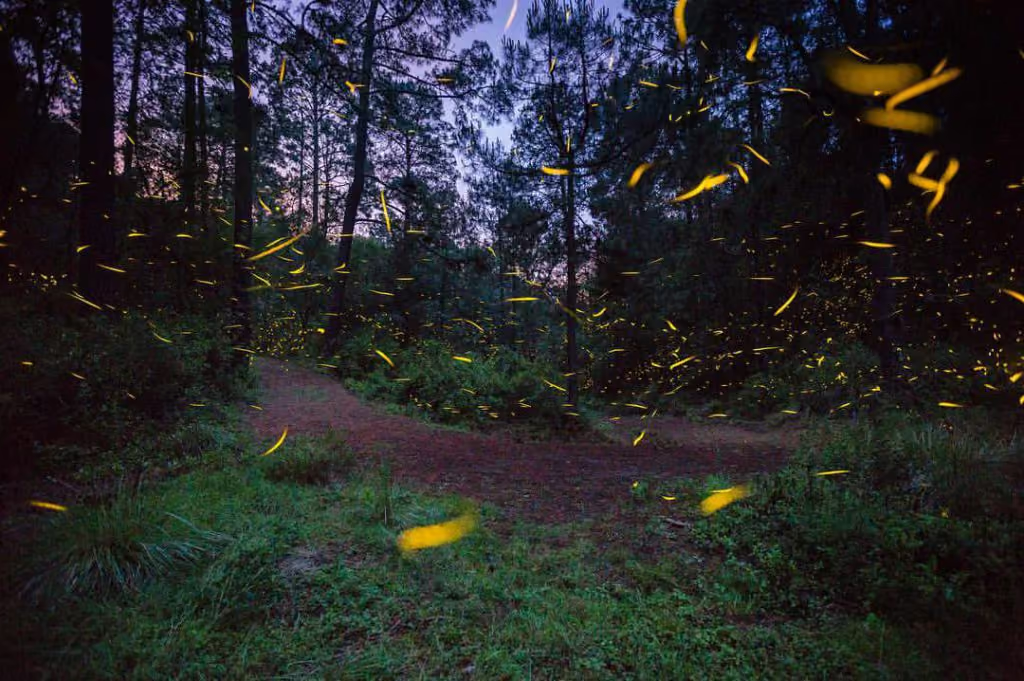
lets-talk-about-the-importance-of-fireflies
La importancia de las luciérnagas va más allá de su espectáculo nocturno. Juegan un papel importante en el ecosistema y en nuestras vidas.
Leer más
Duration:
Blog title heading will go here
Days
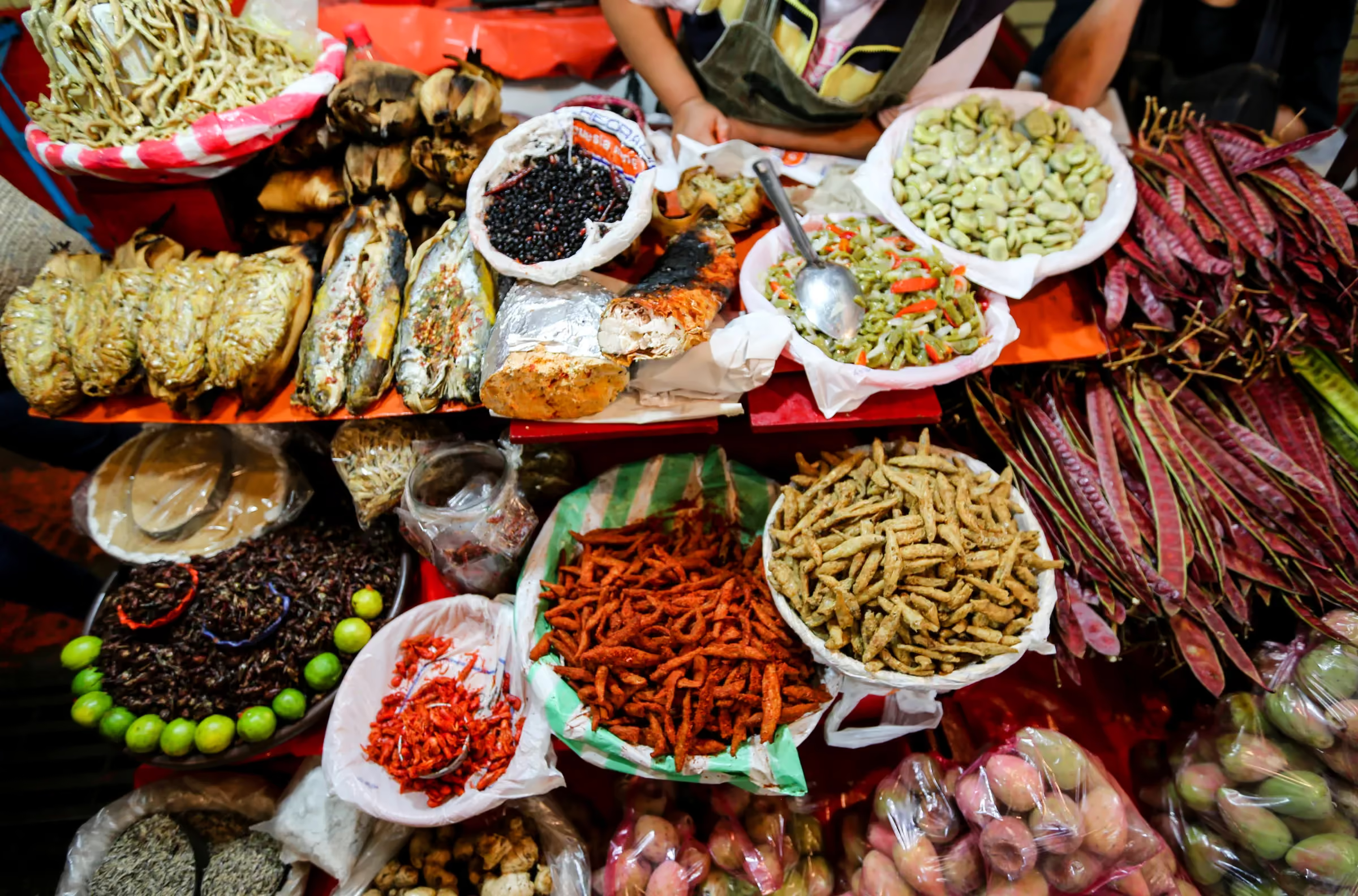
Guía completa de tours gastronómicos en Ciudad de México para 2026
Guía de tours gastronómicos en Ciudad de México: recorridos por el Centro, Roma, Condesa y el mercado de La Merced, costos reales para 2026 y recomendaciones plato por plato. De nuestro equipo gastronómico en CDMX.
Leer más
Únete a nosotros sobre esto
viaje
Planifica tu viaje con nosotrosviaje
Únete a nuestro newsletter para mantenerte al tanto de novedades y consejos para tus viajes.
¡Vaya! Se ha producido un error al enviar el formulario.
Ready to experience the real Mexico?
Travel with local experts and get hangds-on supoort every step of the way... from planning to arrival.
Your Travel Companion in Mexico, 24/7
We're with you from arrival to departure via WhatsApp for anything you need.

Trusted by thousand of travelers with a 4.9 rating on Google