Personalizar mi viaje


Guía completa de tours gastronómicos en Ciudad de México 2026
Guía de tours gastronómicos en Ciudad de México: recorridos por el Centro, Roma, Condesa y el mercado de La Merced, costos reales para 2026 y recomendaciones plato por plato. De nuestro equipo gastronómico en CDMX.

Contenido
Destacan nuestro trabajo



Viajes únicos en México.
Hecho a medida para ti.
Solicita tu viajeHecho a medida para ti.
Deja que un guía local te ayude a planificar tu viaje a México
Comience un viaje a medidaCiudad de México posee la escena gastronómica más variada y técnicamente lograda de toda América Latina, y posiblemente de todo el continente americano. No es una afirmación promocional, es una realidad estructural. La capital concentra talento, ingredientes, capital y tradición culinaria de treinta y un estados en un solo ecosistema urbano. Para un tour gastronómico, esto significa que ningún recorrido puede abarcar toda la oferta de la ciudad. Un tour de mercados en el Centro cubre una cocina distinta a un tour nocturno de taquerías por la Doctores. Un recorrido de alta cocina en la Roma ofrece conocimientos completamente diferentes a un almuerzo en el mercado de Coyoacán. Saber qué formato de tour cubre cada dimensión de la gastronomía local marca la diferencia entre una experiencia excelente y una simplemente buena. Para planificar uno o dos días gastronómicos en una visita personalizada a CDMX, nuestro equipo los diseña desde la esencia de cada barrio.
Por qué la gastronomía de Ciudad de México requiere un guía
Tres razones por las que un guía gastronómico aporta más valor en Ciudad de México que en la mayoría de los destinos.
Primero, la mejor comida de la ciudad no siempre se encuentra en los lugares más accesibles. El mejor vendedor de tacos de canasta del Centro opera desde una bicicleta y cambia de esquina cada hora. La lonchería en La Merced que ha servido la misma receta de pozole durante sesenta años se encuentra dentro de un edificio que, desde fuera, parece un depósito logístico. Un guía que lleva años comiendo aquí te lleva al lugar correcto; una aplicación de mapas te lleva al lugar con más reseñas, que no es lo mismo.
Segundo, la diversidad regional requiere interpretación. Una tlayuda oaxaqueña en un restaurante de la Roma Norte convive con un puesto de carnitas michoacanas y una marisquería veracruzana. Entender qué platos son propios de la tradición culinaria de Ciudad de México frente a los que son importados de otros estados —y por qué están aquí en primer lugar— cambia tu forma de comer y lo que eliges.
Tercero, la cultura de pedir. La comida en Ciudad de México suele venir acompañada de elecciones implícitas que no aparecen en el menú: qué salsa, qué combinación de complementos, si quieres la tortilla doble. Un guía que te ayude a navegar esta cultura durante la primera hora de un tour cambia la confianza con la que comerás el resto de tu viaje.
El el centro de los mejores tours en Ciudad de México explica cómo los tours gastronómicos encajan en la experiencia completa de CDMX.
Formato de tour uno: el circuito del Centro y el mercado de la Merced
El circuito gastronómico del Centro Histórico se organiza en torno a lo tradicional y lo popular: la comida que existía antes del auge restaurantero contemporáneo y que sigue alimentando a quienes viven y trabajan en la zona más antigua de la ciudad.
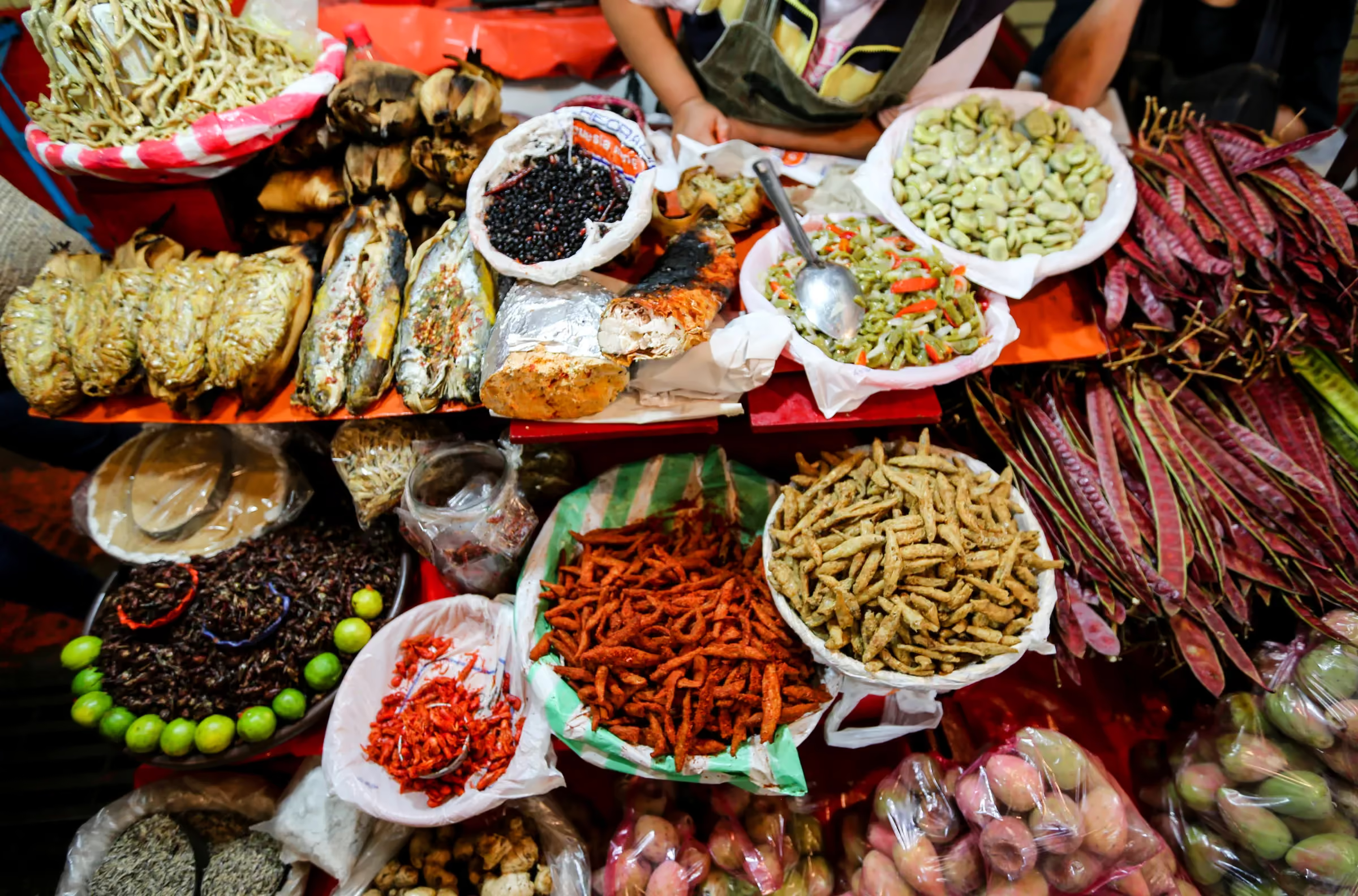
Mercado de la Merced: Uno de los mercados más grandes de América Latina, con unas 15 manzanas de puestos techados que venden productos frescos, chiles secos, especias, comida preparada y artículos que no tienen equivalente turístico. La sección de comida —fondas y puestos que sirven caldos, tamales, enchiladas y pozole— es mejor visitarla antes de las 2:00 p. m. Un guía que sepa exactamente en qué fonda sentarse marca una diferencia decisiva aquí.
Tacos de canasta en la calle: Tacos al vapor transportados en canastas sobre bicicletas o en grandes recipientes, vendidos en esquinas por todo el Centro. Rellenos de frijol, papa, chicharrón y adobo; con un precio de 8 a 15 MXN cada uno. Es el desayuno de la clase trabajadora, se consume de pie en la calle y es excelente.
Zona del mercado de Tlatelolco: La zona de mercados al norte del Centro, cerca de la Plaza de las Tres Culturas, tiene su propio grupo de puestos de comida tradicional, distintos a los de la Merced. Un guía que recorra ambos mercados por la mañana construye una imagen coherente de cómo comen realmente los residentes del Centro.
Periferia de Tepito (solo para guías experimentados): El barrio adyacente a Tepito tiene comida callejera a la que muy pocos turistas llegan: carnitas por la mañana y barbacoa los domingos en puestos específicos que cambian de lugar. Un guía con conexiones reales en el barrio es la única forma adecuada de acceder a esta zona. No deambule por aquí por su cuenta.

Formato de tour dos: el recorrido gastronómico contemporáneo por Roma y Condesa
El circuito gastronómico de Roma y Condesa se organiza en torno a la cocina contemporánea de CDMX: los restaurantes y cafés donde el renacimiento culinario de la ciudad ha sido más visible durante la última década.
Esto no es comida callejera en el sentido tradicional. Roma Norte y Condesa cuentan con restaurantes independientes donde chefs capacitados aplican técnicas a ingredientes regionales mexicanos, creando una cocina que hace referencia a la tradición mientras aporta algo nuevo. Un recorrido gastronómico aquí incluye tostadas en un puesto específico que obtiene sus tortillas de maíz azul de una cooperativa en Oaxaca, un almuerzo en el Mercado de Medellín (el mercado de productos y comida preparada del barrio, mucho menos turístico que cualquiera del Centro) y una parada vespertina en una cafetería de especialidad que se abastece de una cooperativa de Veracruz.
La experiencia también ofrece una perspectiva sobre cómo estos barrios han moldeado la forma en que se consume, discute y entiende la comida en la Ciudad de México. Muchas de las tendencias culinarias que ahora influyen en los restaurantes de todo el país, desde el uso de ingredientes con trazabilidad hasta la reinterpretación de recetas regionales, encontraron algunas de sus expresiones más tempranas y visibles en la Roma y la Condesa.
Más allá de la comida, el recorrido ofrece un vistazo al entorno cultural que ha acompañado esta evolución. Calles arboladas, galerías independientes, librerías y espacios creativos forman parte del mismo ecosistema que ha apoyado a una nueva generación de chefs, productores y emprendedores gastronómicos. El resultado es una experiencia donde la cocina contemporánea se entiende no solo a través de los platos servidos, sino también mediante la comunidad y las ideas que los inspiran.
Los recorridos gastronómicos por la Roma y la Condesa funcionan especialmente bien para viajeros que ya han probado extensamente la comida mexicana y quieren ver cómo se interpreta desde una perspectiva contemporánea. Aquellos que se acercan a la cocina mexicana por primera vez podrían encontrar el circuito del Centro y la Merced más fundamental.
Formato de recorrido tres: el mercado de Coyoacán y la comida del barrio
Cubierto en la guía del Museo Frida Kahlo en el contexto de un día en Coyoacán, la comida del mercado del barrio merece una mención especial aquí.
La sección de comida preparada del Mercado de Coyoacán (el pasillo central de puestos de tostadas) es diferente a cualquier otro mercado de la Ciudad de México porque su clientela son los residentes locales, no turistas ni trabajadores del mercado. Las tostadas de tinga, ceviche y cochinita pibil aquí se sirven a personas que comen en este mercado cada semana y notarían si la calidad bajara. Esa responsabilidad garantiza una comida consistentemente buena.
El formato del recorrido gastronómico por Coyoacán tiende a ser una mañana más larga y relajada: un desayuno de tostadas en el mercado, un paseo tranquilo por las plazas, una parada para tomar tejuino y un almuerzo tardío en un restaurante del barrio. Es la experiencia gastronómica con el ritmo más adecuado en CDMX para viajeros que han pasado dos días recorriendo el Centro y están listos para algo más pausado.
Formato de recorrido cuatro: el tour nocturno de tacos
La cultura del taco en la Ciudad de México alcanza su punto máximo por la noche. Los lugares más famosos de al pastor (cerdo marinado en achiote y chiles secos, cortado de un trompo vertical giratorio) operan desde el atardecer hasta las 2:00 a.m. Los mejores se encuentran en barrios que la mayoría de los recorridos diurnos no cubren: Doctores, Narvarte, Portales y los límites de Tepito.
Un tour nocturno de tacos suele realizarse de 8:00 o 9:00 p.m. a medianoche, abarca de 4 a 6 paradas de tacos e incluye una degustación de mezcal o cerveza artesanal en uno de los puntos. El guía actúa simultáneamente como intérprete cultural (explicando por qué el al pastor es el taco por excelencia de la Ciudad de México y qué distingue al suadero de la tripa y el bistec) y como gestor logístico (sabiendo a qué puesto acercarse, cómo pedir y cómo moverse entre paradas de manera eficiente en Metro, Uber o a pie).
Este es el formato de recorrido gastronómico con más ambiente disponible en CDMX y una de las experiencias más memorables de la ciudad. Requiere un guía con un conocimiento genuino de la vida nocturna; un operador de tours diurnos que también ofrece un tour nocturno como producto adicional generalmente no es el formato adecuado para esto.

Platos que vale la pena conocer antes de ir
Tacos al pastor: El taco emblemático de la Ciudad de México. Cerdo marinado en achiote cocinado en trompo, cortado al momento con una rebanada de piña y servido con cebolla y cilantro. La calidad varía enormemente según el puesto; el indicador visual de un buen trompo es un cono denso y bien formado con una costra exterior adecuada.
Tacos de canasta: Tacos sudados que deben comerse al instante. De frijol, papa, chicharrón o adobo. Comida de mediodía, con un precio de entre 8 y 15 MXN cada uno. La forma correcta de comerlos: pide de tres a cuatro, acompáñalos con un poco de salsa verde y sigue tu camino.
Tlayuda: Una tortilla grande y crujiente originaria de Oaxaca, cubierta con pasta de frijoles negros, asiento (manteca de cerdo sin refinar), queso y la proteína de tu elección. Se encuentra en toda la CDMX en restaurantes de comida oaxaqueña. No es un plato originario de la Ciudad de México, pero es omnipresente en la capital.
Pozole: Un caldo abundante de maíz cacahuazintle (nixtamalizado) con cerdo (blanco), con caldo de chile rojo o con caldo de tomatillo verde. Se sirve con col rallada, orégano seco, chile en hojuelas, limón y tostadas. ¡Es un plato tradicional para disfrutar durante una salida nocturna o una festividad!
Torta: El sándwich mexicano, preparado en pan bolillo o telera. La torta de milanesa (filete empanizado), la de carnitas y la cubana (una versión maximalista con varias proteínas) son las más comunes en la CDMX. Se encuentran en torterías especializadas por toda la ciudad.
Chilaquiles: Trozos de tortilla frita bañados en salsa (roja o verde) hasta que se ablandan ligeramente, cubiertos con crema, queso, cebolla y, opcionalmente, pollo o huevo. Comida de desayuno. Es el estándar con el que los mexicanos juzgan la cocina de un restaurante.
Qué hace a un buen guía de tours gastronómicos en la CDMX
El mismo principio que en cualquier ciudad: ¿el guía tiene una relación personal con los vendedores o el tour es solo una lista curada de lugares conocidos por el público? Un guía a quien saludan por su nombre en un puesto de tostadas específico en el mercado de Coyoacán, que sabe qué día llega el epazote fresco a ese puesto y que lleva tanto tiempo enviando visitantes allí que los vendedores ya saben qué es lo que probablemente pedirán; ese guía está ofreciendo acceso. Un guía que lee una lista solo está ofreciendo una ruta.
Pregunta antes de reservar: "¿Qué puestos o vendedores específicos visita este tour y cuánto tiempo llevan trabajando con ellos?" La especificidad es la clave.
Cómo organizar tours gastronómicos a lo largo de varios días
Día 1 (llegada): Desayuno en el mercado del Centro + caminata por la Merced. Comida de orientación. Estableces la base de cómo es la comida tradicional de la Ciudad de México y cómo funciona la cultura de los mercados.
Día 2: Caminata gastronómica por la Roma o la Condesa. Ahora que ya tienes la base tradicional, la interpretación contemporánea cobra más sentido en su contexto.
Día 3 o 4: Tour nocturno de tacos. A estas alturas ya tienes el vocabulario gastronómico suficiente para apreciar qué hace que un puesto de al pastor sea excepcional y no solo bueno.
Cualquier mañana: Mercado de Coyoacán. Puede hacerse cualquier día del viaje; combina naturalmente con una visita al Museo Frida Kahlo (mañana en el museo, comida en el mercado).
Para integrar experiencias gastronómicas en un itinerario completo por la CDMX, la guía de paquetes de itinerarios cuenta con plantillas día a día que incluyen paradas para comer.
Tours gastronómicos reservables
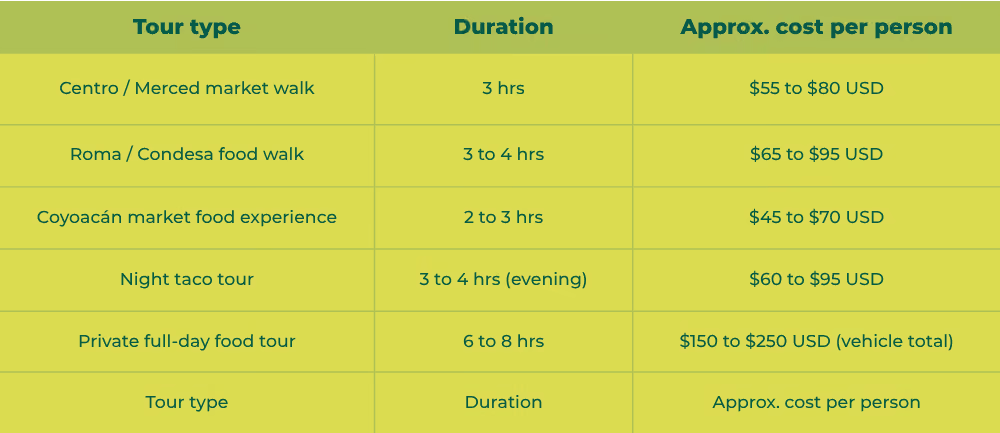
- Caminata por el Mercado de la Merced y comida callejera del Centro (Airbnb Experiences): 3 horas, guía gastronómico local, de 5 a 7 paradas. Aproximadamente de $55 a $80 USD por persona.
- Tour gastronómico contemporáneo por Roma y Condesa (GetYourGuide): 3 a 4 horas, 6 paradas por Roma Norte y Condesa. Aproximadamente de $65 a $95 USD por persona.
- Tour nocturno de tacos en Ciudad de México (Viator): 3 a 4 horas, 5 paradas de tacos, salida por la tarde-noche. Aproximadamente de $60 a $95 USD por persona.
- Día gastronómico personalizado en CDMX (Rutopía): Mercado por la mañana + paseo por el barrio por la tarde + extensión de tacos por la noche. Contáctanos para conocer los precios actuales.
Resumen de precios
Preguntas frecuentes
¿Es seguro comer comida callejera en Ciudad de México? Para viajeros con un sistema inmunológico normal: sí. La comida cocinada en puestos de mercado y vendedores ambulantes es generalmente segura; el gran volumen de clientes garantiza una alta rotación y que la comida no se quede estancada. Evita preparaciones crudas de vendedores que no parezcan tener clientes habituales. El agua embotellada es el estándar; úsala para beber, pero puedes lavarte los dientes con agua del grifo sin problema.
¿Los tours gastronómicos ofrecen opciones vegetarianas? Con aviso previo, sí. Ciudad de México tiene una tradición vegetariana realmente rica en su comida de mercado (tacos de frijol, tamales de vegetales, flor de calabaza, huitlacoche, quesadillas de queso Oaxaca y chile, y diversas sopas de mercado). Consulta específicamente con tu operador al reservar; algunas rutas están muy enfocadas en la carne y son difíciles de ajustar sin cambiar las paradas.
¿Cuál es el código de vestimenta para los tours gastronómicos en mercados? Ninguno. Calzado cómodo para caminar, ropa que no te importe que se manche con un poco de salsa y un bolso lo suficientemente pequeño para moverte por los estrechos pasillos del mercado.
¿Puedo hacer un tour gastronómico el primer día en Ciudad de México? Sí, y para muchos viajeros es la mejor decisión. Un recorrido de 3 horas por los mercados el primer día te brinda contexto, vocabulario y recomendaciones de platos y vendedores específicos a los que podrás volver por tu cuenta durante el resto del viaje. Como resultado, comerás mejor el resto de tus días.
Looking for more Mexico travel resources? Be sure to check out:
- Los mejores tours en Ciudad de México para reservar en 2026
- Los mejores tours a pie por Ciudad de México para viajeros en 2026
- Guía completa para visitar el Museo Frida Kahlo en 2026
- Los mejores paquetes de itinerarios en Ciudad de México para viajes en 2026
- Consejos de seguridad en Ciudad de México para viajeros en tours en 2026
Escrito por
Design your trip to Mexico with a local travel designer. Unique activities and lodging, 100% tailor-made and stress-free.
.webp)
Publicaciones relacionadas
Duration:
Blog title heading will go here
Days
tejiendo-suenos-en-san-juan-chamula-y-zinacantan-casas-de-los-textiles-indigenas
Adéntrate en el arte textil de San Juan Chamula y Zinacantán, Chiapas. Conoce las tradiciones indígenas que tejen historias y cultura en cada pieza.
Leer más
Duration:
Blog title heading will go here
Days
Temazcal Experience
El temazcal es un ritual chamánico que se remonta a tiempos precolombinos que a través de varias sesiones de sudoración, permite una purificación.
Leer más

Duration:
Blog title heading will go here
Days
San Cristobal Activities
¿Planeas un viaje a San Cristóbal de las Casas y quieres vivir una experiencia única? Aquí te mostramos las cosas que hacer en San Cristóbal.
Leer más
Únete a nosotros sobre esto
viaje
Planifica tu viaje con nosotrosviaje
Únete a nuestro newsletter para mantenerte al tanto de novedades y consejos para tus viajes.
¡Vaya! Se ha producido un error al enviar el formulario.
Ready to experience the real Mexico?
Travel with local experts and get hangds-on supoort every step of the way... from planning to arrival.
Your Travel Companion in Mexico, 24/7
We're with you from arrival to departure via WhatsApp for anything you need.
Trusted by thousand of travelers with a 4.9 rating on Google