Personnaliser mon voyage


Best Yucatán Itinerary Packages For 2026 Travel
Best Yucatán itinerary packages for 7, 10 and 14 days: ruins, cenotes, coast and Mérida. Ready templates from Rutopía's Yucatán trip team.


Contenu
Ils mettent en valeur notre travail



Des voyages uniques au Mexique.
Fait sur mesure pour vous.
Demandez votre voyageFait sur mesure pour vous.
Laissez un guide local vous aider à planifier votre voyage au Mexique
Commencez un voyage sur mesurePlanning a trip to the Yucatán Peninsula means balancing ancient ruins, jungle cenotes, colonial cities, and a coastline that stretches for hundreds of kilometers – and the sequence matters as much as the destinations. These itinerary templates are built from the routes our trip team actually plans for travelers, with honest notes on pacing, pricing, and what gets cut when time runs short. Browse Rutopía's full range at Mexico tour packages and find the length that fits your trip.
Quick Summary
- 7-day classic Yucatán: Mérida, Uxmal, Valladolid, Chichén Itzá, Tulum – best for first-timers with limited time
- 10-day Yucatán + coast: Adds Holbox or Río Lagartos for flamingos or whale sharks (June–Sept)
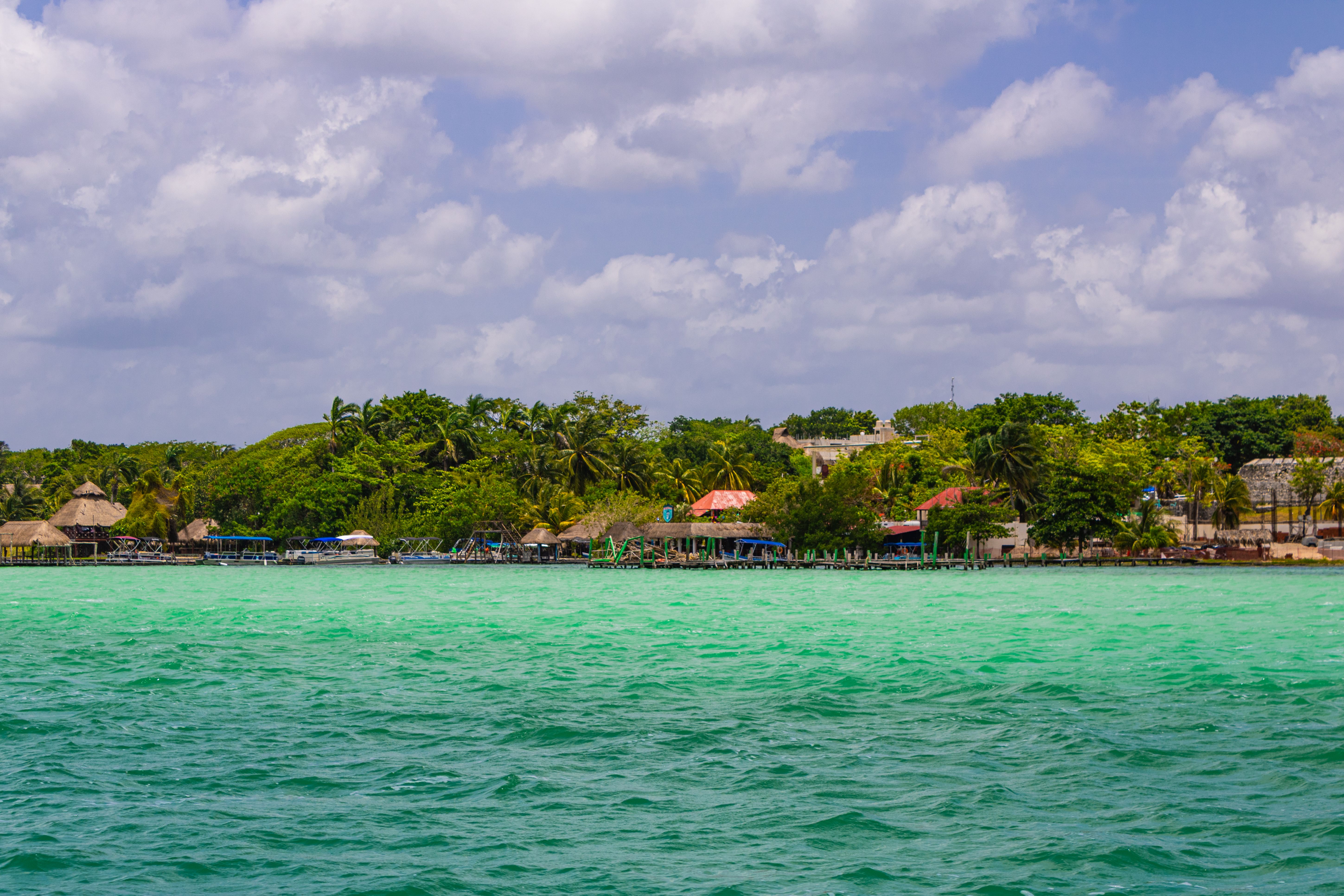
- 14-day full peninsula: Extends south to Sian Ka'an biosphere and Bacalar Lagoon
- Small-group 7-day pricing: $1,200–$1,900 per person
- Private driver-guide 7-day pricing: $1,900–$3,400 per person
- Tailor-made private 7-day pricing: from $3,000 per person
- Deposit structure: 30% non-refundable at booking; balance due 30 days before arrival
- Best base cities: Mérida (west and Puuc ruins), Valladolid (central, Chichén Itzá), Tulum (east coast)
- Drive time benchmark: Mérida to Cancún on Highway 180 is approximately 3.5 hours without stops
- All packages bookable through Rutopía: /d/mexico-tours-packages
Why Itinerary Structure Matters in Yucatán
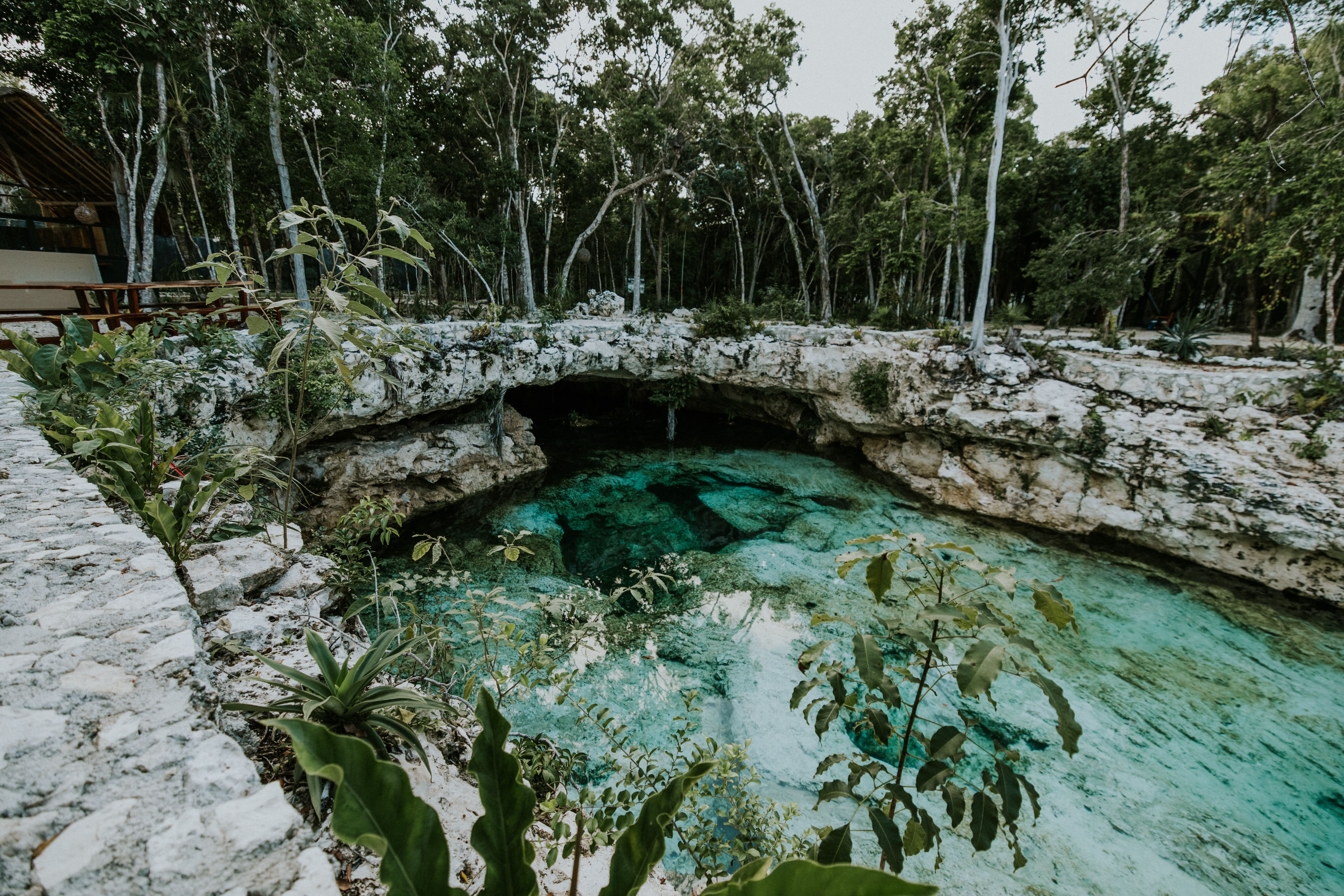
Seven days sounds like enough for Yucatán – and it technically is. But seven days means you are always hurrying: the cenote you want to stay at for two hours, you leave after 45 minutes; the hacienda restaurant you want to linger at, you rush through. Ten days is the version where you actually relax.
The Yucatán Peninsula sits at roughly 450 kilometers across, and the sites most travelers want – Chichén Itzá, Uxmal, Tulum, Ek' Balam, and a handful of cenotes between them – are spread across a triangle with Mérida in the west, Cancún in the northeast, and Tulum in the southeast. If you are building your own route, you are essentially deciding which corners of that triangle to visit and how much time to give each one.
Rutopía's trip team has planned this route dozens of times, and the templates below reflect what actually works in practice. For broader context on how these packages compare to other tour styles, see our guide to the best Yucatán tours. If you are weighing a private tour versus a group tour, that guide covers the trade-offs in detail before you commit to a format.
7-Day Classic Yucatán Itinerary
The 7-day route covers the core of what most travelers come to Yucatán for: Mérida, the Puuc ruins, Valladolid, Chichén Itzá, Ek' Balam, and Tulum. It is a tight week, but it works if you start early on site days and keep mid-day pace relaxed.
Pricing (7 days):
- Small-group: $1,200–$1,900 per person
- Private driver-guide: $1,900–$3,400 per person
- Tailor-made private: from $3,000 per person
Day-by-Day: 7-Day Classic Yucatán
- Day 1 – Arrive Mérida: Airport transfer, check in, evening walk along Paseo de Montejo, dinner at the Mercado Lucas de Gálvez or a nearby market restaurant
- Day 2 – Uxmal and Kabah (Puuc Route): Full-day guided excursion south of Mérida; Uxmal's Pyramid of the Magician is best in morning light; Kabah's Codz Poop façade is worth 45 minutes; return to Mérida by early evening – our complete Uxmal tour guide covers site logistics and what not to miss
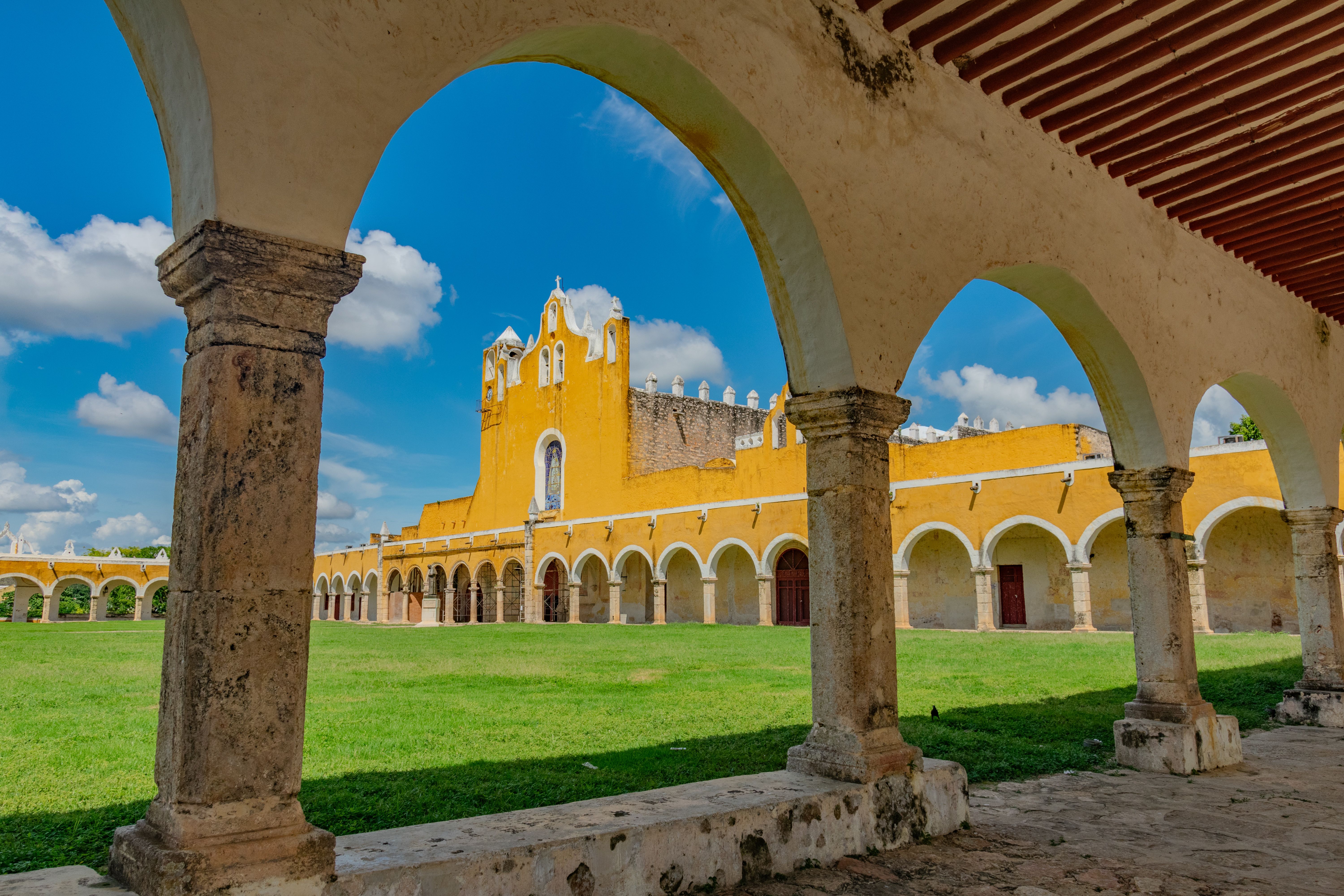
- Day 3 – Izamal and Mérida colonial center: Morning drive to Izamal (the Yellow City); afternoon walking tour of Mérida's Plaza Grande, cathedral, and Casa de Montejo; for deeper planning, our Mérida tours guide covers neighborhood walks and evening markets
- Day 4 – Drive to Valladolid via cenote stop: Morning departure east; stop at a cenote along Highway 180 (Cenote X'Canche or Cenote Samulá near Valladolid); afternoon arrival and walk through Valladolid's main plaza – see best Valladolid tours for what to add on a spare half-day
- Day 5 – Chichén Itzá and Ek' Balam: Early 8 a.m. entry to Chichén Itzá before tour buses arrive; our Chichén Itzá tour guide covers departure logistics from multiple bases; mid-afternoon drive to Ek' Balam for the less-visited but climbable acropolis; overnight in Valladolid
- Day 6 – Tulum ruins and cenote afternoon: Morning drive south to Tulum ruins (clifftop coastal site, best before 9 a.m.) – our Tulum ruins tour guide explains timed entry and site layout; afternoon at Gran Cenote or Dos Ojos, two of the Yucatán's most accessible cenotes
- Day 7 – Transfer to Cancún, fly home: Morning free in Tulum town or beach; transfer to Cancún International Airport (approximately 1.5 hours from Tulum)
Pro tip: Book Chichén Itzá tickets in advance through INAH – the site sells out for specific entry windows, especially from December through April. Your guide can handle this if you book a guided package through Rutopía.
10-Day Yucatán + Coast Itinerary
The 10-day version adds three days on the northern coast after completing the classic 7-day route. Depending on the season, this means either flamingo boats at Río Lagartos or whale sharks and bioluminescence at Holbox Island.
Pricing (10 days):
- Small-group: approximately $1,600–$2,600 per person
- Private driver-guide: $2,600–$4,500 per person
- Tailor-made private: from $4,000 per person
Day-by-Day: 10-Day Yucatán + Coast
Days 1–7 follow the Classic Yucatán template above, then:
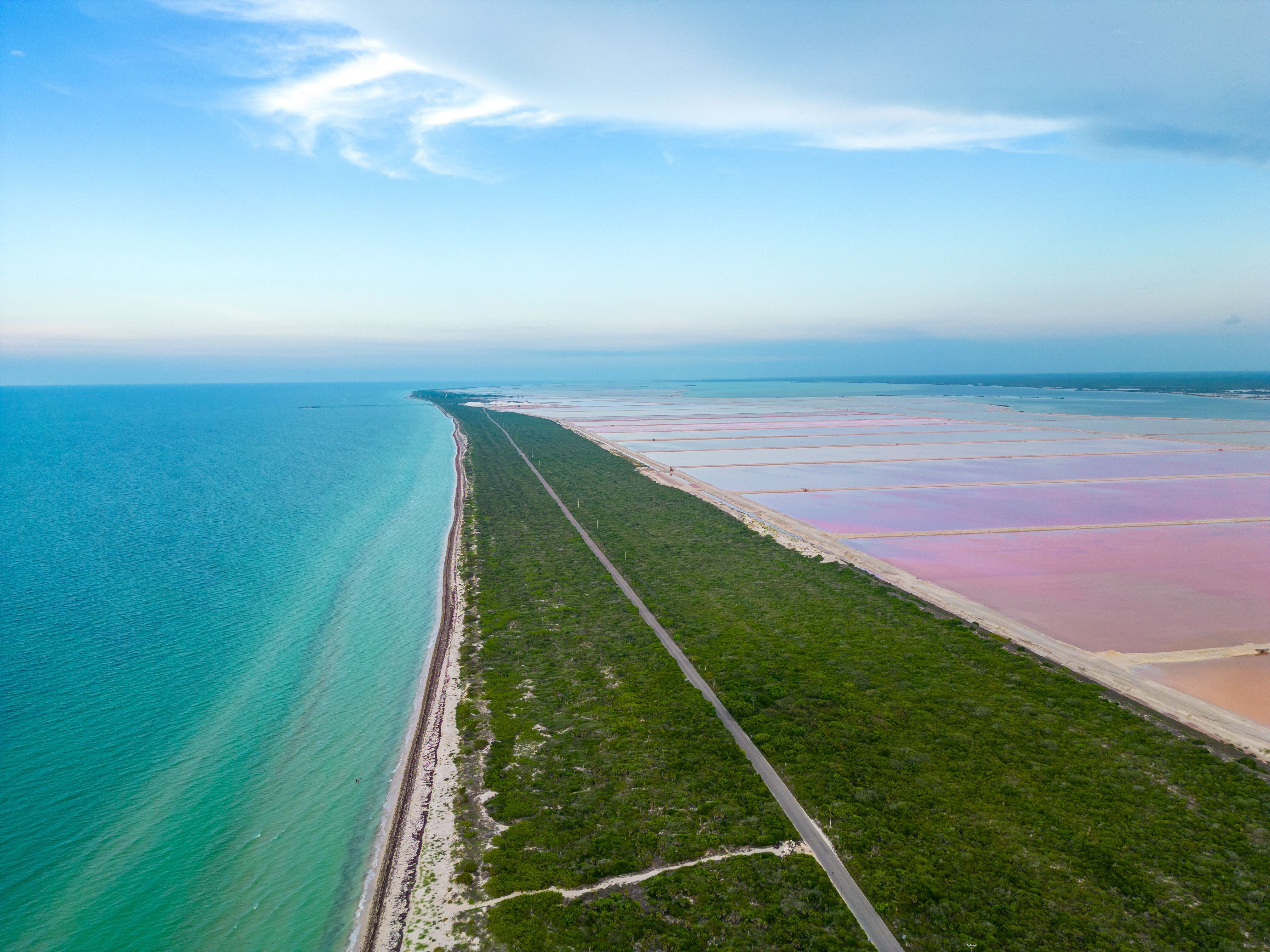
- Day 8 – Transfer to Holbox or Río Lagartos: After Tulum, drive or transfer north; Holbox requires a ferry from Chiquilá (approximately 25 minutes); Río Lagartos is a small fishing village near the north coast flamingo estuary – our Río Lagartos tour guide covers boat operators and best flamingo timing
- Day 9 – Coastal wildlife experience: Flamingo boat tour at Río Lagartos (year-round, best March–August for large flocks); OR whale shark snorkeling off Holbox (June–September only); OR bioluminescent lagoon at night near Holbox – see Holbox tours and whale shark season for current operator details
- Day 10 – Transfer to Cancún, fly home: Morning departure; Holbox to Cancún is approximately 3 hours including the ferry; Río Lagartos to Cancún is approximately 2.5 hours
A story about pacing: A pair of travelers we planned for spent 3 days in Mérida on a 7-day trip, which left them feeling like they had half-seen the rest of the peninsula. On the revised 10-day version, they spent 2 nights in Mérida, 2 in Valladolid, and 1 near Chichén Itzá – and said the pacing felt exactly right. The extra three days cost about $400 per person more. Worth it.
For notes on which cenotes to prioritize based on your route, our best cenote tours guide covers the key options by region, and cenote safety and tour logistics explains what to look for when vetting operators.
14-Day Full Peninsula Itinerary
The 14-day route completes the Yucatán triangle by extending south after Tulum into the Sian Ka'an biosphere reserve and finishing at Bacalar, one of the region's most underrated stops. This is the version for travelers who want to see the full range of what the peninsula offers – ruins, coast, jungle, lagoon – without rushing any of it.
Pricing (14 days):
- Small-group: approximately $2,200–$3,500 per person
- Private driver-guide: $3,800–$6,500 per person
- Tailor-made private: from $6,000 per person
Day-by-Day: 14-Day Full Peninsula
Days 1–10 follow the Yucatán + Coast template above, then:
- Day 11 – Transfer south to Tulum/Sian Ka'an corridor: Morning departure from Holbox or Río Lagartos area; afternoon arrival near the Sian Ka'an biosphere entrance south of Tulum; check in to lodge or small hotel
- Day 12 – Full-day Sian Ka'an biosphere tour: Guided boat tour through the UNESCO-listed reserve's lagoons, mangroves, and canals; possible manatee sighting; floating down ancient Mayan canals is a highlight – our complete Sian Ka'an tours guide covers what to expect and how to book
- Day 13 – Drive to Bacalar: Approximately 2 hours south on Highway 307; afternoon boat tour on the Lagoon of Seven Colors; Bacalar's fort (Fuerte de San Felipe) is a short walk from the waterfront – see Bacalar lagoon boat tours for a full breakdown of tour options
- Day 14 – Transfer to Cancún, fly home: Bacalar to Cancún is approximately 3.5 hours; morning departure recommended for afternoon or evening flights
Pro tip: Bacalar fills quickly in high season (December–February and July–August). If you are doing the 14-day version, book your Bacalar accommodation at the same time as your Tulum nights – not as an afterthought. Lakefront rooms at the better properties sell out two to three months in advance.
Bases and Pacing: Where to Sleep and Why
Mérida (1–2 nights recommended)
Mérida anchors the western part of your trip and provides access to the Puuc ruins, Izamal, and the Convent Route. One night works if you are pressed for time; two nights is better and allows a proper Puuc day without sacrificing the colonial city experience. Mérida is Yucatán's best food city by most accounts – factor in an extra evening if you care about eating well.
Valladolid (1–2 nights recommended)
Valladolid sits at the geographic center of the peninsula and is the natural base for Chichén Itzá and Ek' Balam. Staying here means an early Chichén Itzá entry (about 45 minutes from the site) before the buses from Cancún arrive. The town itself is worth a morning wander – quieter and less expensive than Tulum, with good cenotes within 15 minutes.
Tulum Area (1–2 nights recommended)
Tulum serves the eastern end of the route: ruins, Gran Cenote, Dos Ojos, and for the 14-day version, the gateway to Sian Ka'an. The Tulum hotel zone (Zona Hotelera) is expensive and narrow; the town center is more affordable and more authentic. For the 14-day route, a lodge closer to Sian Ka'an's entrance saves significant driving time on the biosphere day.
On Driving Times and Day Rates
Private driver-guide day rates typically run 3,500–5,000 MXN ($175–$250 USD), which covers full-day transfers and guided site visits. On Highway 180 libre (toll-free), Mérida to Cancún takes approximately 3.5 hours without stops; the cuota (toll road) version runs slightly faster. Most Rutopía itineraries use the libre route for the scenery and the flexibility to stop.
Pro tip: If you're doing any of this self-drive, here's the one thing that trips people up more than the ruins themselves: topes. These are speed bumps, and Yucatán uses them constantly, on highways, through tiny pueblos, right at the edge of towns with zero warning. They're usually shaped like a low triangle, painted or not, and half the time the warning sign is knocked over or missing entirely. Hit one at speed and you'll either bottom out the rental or throw everyone's coffee across the dashboard. Locals slow to a crawl the second they see rooftops ahead, on the assumption there's a tope coming, sign or no sign. Put your passenger on tope duty and treat any cluster of buildings, even a gas station, as a reason to lift off the accelerator.
For a couple doing the 7-day private driver-guide package, the all-in cost (transport, accommodation, guide fees, entry tickets) typically lands at $4,800–$8,000 for two people combined. The tailor-made private tier begins at $3,000 per person.
For how these package lengths compare with single-day and single-site options, see our overview of the best Yucatán tours in 2026.
For a full breakdown of what drives pricing at each tier, see our guide to how to book Yucatán tours for 2026. Families planning these routes will also want to read our Yucatán tours for families guide before finalizing the itinerary format.
Bookable Tours
Rutopía offers three tiers of Yucatán itinerary packages for 2026:
Small-Group Guided Tours. Shared transport and guide across the classic route; typical group size is 8–14 people. Best for solo travelers and couples who want a social trip without the cost of a private service. Departures run weekly from Mérida or Cancún. See current departure dates at /d/mexico-tours-packages.
Private Driver-Guide Packages. A dedicated bilingual guide and private vehicle for your group across the full itinerary. Flexible daily pacing, meal choices entirely up to you, and the option to add or swap stops without disrupting a group schedule. Best for families, couples who prefer privacy, or any group of three or more where the per-person cost difference narrows considerably.
Tailor-Made Private Tours. Fully customized routes built around your dates, interests, and travel style. This tier includes pre-trip planning calls with our Yucatán specialists, curated accommodation selection, restaurant recommendations verified for the current season, and a dedicated in-country contact. Pricing starts at $3,000 per person.
Deposit is 30% non-refundable at booking; balance is due 30 days before arrival.
For anyone interested in the ruins specifically, our best ruins tours in Yucatán guide covers every major archaeological site along these routes and notes which ones suit different trip lengths.
Still deciding where to start? Our 2026 Yucatán tours hub maps every destination and tour type across the peninsula.
FAQ
What is the best Yucatán itinerary package for first-time visitors? The 7-day classic Yucatán is designed for first-timers: it covers Mérida, the Puuc ruins, Valladolid, Chichén Itzá, Ek' Balam, and Tulum in a logical west-to-east route. It is tight but manageable with early starts on site days. If you have any flexibility at all, the 10-day version gives the same sites with genuinely better pacing.
What does a 7-day Yucatán package cost? Small-group packages run $1,200–$1,900 per person. Private driver-guide packages run $1,900–$3,400 per person. Tailor-made private packages start at $3,000 per person. Pricing varies based on accommodation tier, group size, and the number of guided site visits included.
How much time do I need for Yucatán? Ten days is the sweet spot for most travelers. Seven days is enough to cover the highlights without feeling shortchanged, but only if you accept that some stops will feel rushed. Fourteen days allows the full peninsula including Sian Ka'an and Bacalar, which are different experiences from the ruins-and-cenotes core of most itineraries.
Is it better to start in Mérida or Cancún? Mérida is the better starting point for the classic west-to-east route – you visit the Puuc ruins (Uxmal, Kabah) on Day 2 while you are fresh, then work east toward Cancún or Tulum. Starting in Cancún reverses the logic and often leads to a rushed final day near Mérida. Both ends have international airports; flying into Mérida and out of Cancún is a popular one-way itinerary option.
When is the best time to visit Yucatán? November through February is the most comfortable for ruins: low humidity, no rain, cooler mornings. March and April are dry but warm. May and June heat up significantly but the whale shark season opens off Holbox (June–September). July and August are peak heat and rain, but also peak wildlife season on the coast. October is hurricane season – travel is possible but accommodation prices drop for a reason.
Can I combine a Yucatán itinerary with Mexico City? Yes, and it is a popular combination – most travelers do 3–4 days in Mexico City and 7–10 days in Yucatán, flying between the two. Rutopía can plan both segments as a single combined itinerary.
What is the deposit and cancellation policy? Rutopía requires a 30% non-refundable deposit at booking. The remaining balance is due 30 days before your arrival date. For specific cancellation terms by package tier, contact the trip team.
Are these itineraries suitable for families with children? The 10-day and 14-day versions work well for families because the pacing allows for mid-day rest, which matters with young children in Yucatán heat. The cenote days are a consistent highlight for kids. Private packages give the most scheduling flexibility for families; our family Yucatán tours guide breaks down the best sites and formats by age group.
Is Yucatán safe for travelers in 2026? The Yucatán state and the Mérida–Valladolid–Tulum corridor have a strong travel safety record for international tourists. Rutopía monitors conditions across all destinations we plan itineraries for. Travelers should also review the U.S. State Department Mexico travel advisory before travel, which provides region-by-region assessments. Yucatán state has consistently held a lower advisory level than other parts of Mexico.
What does a private driver-guide day rate cost? Private driver-guide services in Yucatán typically run 3,500–5,000 MXN per day ($175–$250 USD at current exchange rates), covering the vehicle, fuel, and the guide's fee. Entry tickets to archaeological sites are additional and vary by site – Chichén Itzá, for example, charges separately for the INAH federal zone and the state zone.
Looking for more Mexico travel resources? Be sure to check out:
Rédigé par
Design your trip to Mexico with a local travel designer. Unique activities and lodging, 100% tailor-made and stress-free.
.webp)
Articles connexes

Duration:
Blog title heading will go here
Days
Quel est le meilleur moment pour réserver un circuit au Mexique ?
Quand réserver vos circuits au Mexique : périodes de forte affluence, saison des pluies, Jour des Morts et observation des requins-baleines. Guide complet pour vos réservations de voyage en 2026.
En savoir plus

Rejoignez-nous à ce sujet
voyage
Planifiez votre voyage avec nousvoyage
Inscrivez-vous à notre newsletter pour être tenu au courant des nouveautés.
Oups ! Une erreur s'est produite lors de l'envoi du formulaire.
Ready to experience the real Mexico?
Travel with local experts and get hangds-on supoort every step of the way... from planning to arrival.


Your Travel Companion in Mexico, 24/7
We're with you from arrival to departure via WhatsApp for anything you need.

Trusted by thousand of travelers with a 4.9 rating on Google