Personnaliser mon voyage


A 2026 Guide To The Best Yucatán Tours
Best Yucatán tours for 2026: cenotes, Chichén Itzá, Mérida, the flamingo coast and Holbox. Routes mapped by Rutopía's Yucatán-based travel team.

Contenu
Ils mettent en valeur notre travail



Des voyages uniques au Mexique.
Fait sur mesure pour vous.
Demandez votre voyageFait sur mesure pour vous.
Laissez un guide local vous aider à planifier votre voyage au Mexique
Commencez un voyage sur mesureThe best Yucatán tours in 2026 cover more ground than most travelers expect. Yes, there's Chichén Itzá. But there's also the flamingo coast at Río Lagartos, the cenote network around Valladolid, the colonial pace of Mérida on a Sunday morning, and Holbox during whale shark season. Prices for a 7-day guided Yucatán route start around $1,900 per person and run to $5,000 and above for fully private itineraries. If you want a route designed around your dates and interests, start here with our Yucatán tours page.
Quick summary: best Yucatán tours at a glance
- Tour styles available: private driver-guide, self-drive rental, small-group, day tours from Cancún or Mérida
- Price range: $45 USD for a standalone half-day tour; $1,900–$5,000+ for a 7-day guided package per person
- Ideal trip length: 7 days covers the essentials; 10–14 days lets you add the flamingo coast, Holbox, or Bacalar
- Top sites: Chichén Itzá, Uxmal, Tulum ruins, cenote circuits, Sian Ka'an biosphere, Río Lagartos flamingos, Mérida
- Booking pressure: Chichén Itzá tickets and Holbox whale shark permits sell out weeks in advance in peak season (July–August); book both at least 60 days out
- Safety tier: Yucatán state is rated Level 1 (Exercise Normal Precautions) by the U.S. State Department — the safest classification in Mexico, on par with most of Europe
- Cenote count: the Yucatán Peninsula holds an estimated 6,000 cenotes, per Mexico's National Commission for the Knowledge and Use of Biodiversity (CONABIO); roughly 2,500 are accessible to visitors
- Best overall travel months: November through February (dry, cool, crowds manageable before holiday peaks); March–April (Semana Santa brings heavy domestic tourism — book early)
Why Yucatán in 2026
Yucatán punches above its weight as a destination because it stacks multiple travel styles into one peninsula. You can spend a morning at a Maya archaeological site, swim in a cave cenote before lunch, and eat cochinita pibil in a Mérida market by afternoon. The peninsula's road network is exceptionally good by Mexican standards, which means self-drive trips work well here in a way they don't everywhere else in the country.
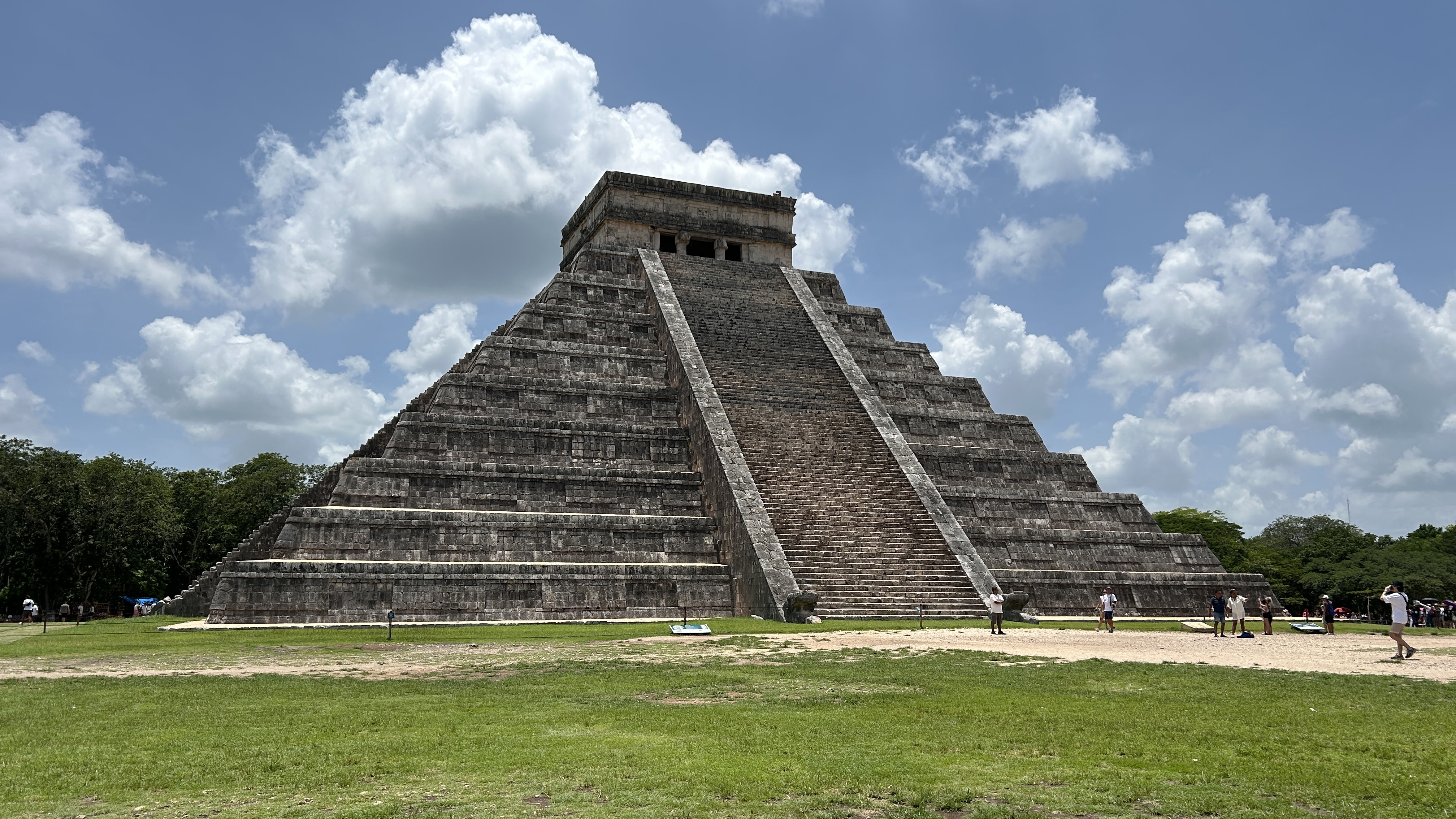
Three things are worth knowing about Yucatán in 2026 specifically. First, Chichén Itzá's crowd situation has worsened: the new shuttle system from Cancún and Playa del Carmen deposits thousands of visitors between 9:30 and 11:00 a.m. If you arrive after 9:30, the Castillo pyramid is ringed three-deep and the acoustic clap demonstration happens on a loop. Arrive at 8:00 a.m. or go to Ek' Balam instead. Second, Holbox whale shark season (June through September) is now permit-limited, and the licensed operators fill up fast — planning ahead is not optional if that's your target. Third, Bacalar has gone from a quiet backwater to a popular digital-nomad town, which means prices have risen and last-minute accommodation is scarce. Our Bacalar lagoon boat tours guide has current booking realities.
For the broader Mexico picture, Yucatán holds up well against Oaxaca, Chiapas, and Mexico City for travelers choosing a first or standalone Mexican destination, with stronger infrastructure and a denser concentration of UNESCO-listed sites than any other single Mexican state.
The eight tour types that cover almost every traveler
Most people who contact us about Yucatán are describing one of eight experiences. Knowing which one you are shapes the entire itinerary.
Archaeology tours are the most common entry point. Chichén Itzá is the most-visited archaeological site in Mexico, drawing over 2.5 million visitors annually according to INAH (Instituto Nacional de Antropología e Historia). But Uxmal, Ek' Balam, and the Puuc route sites give you comparable architectural scale without the bus-group density. Our ruins tours guide compares all four options honestly.
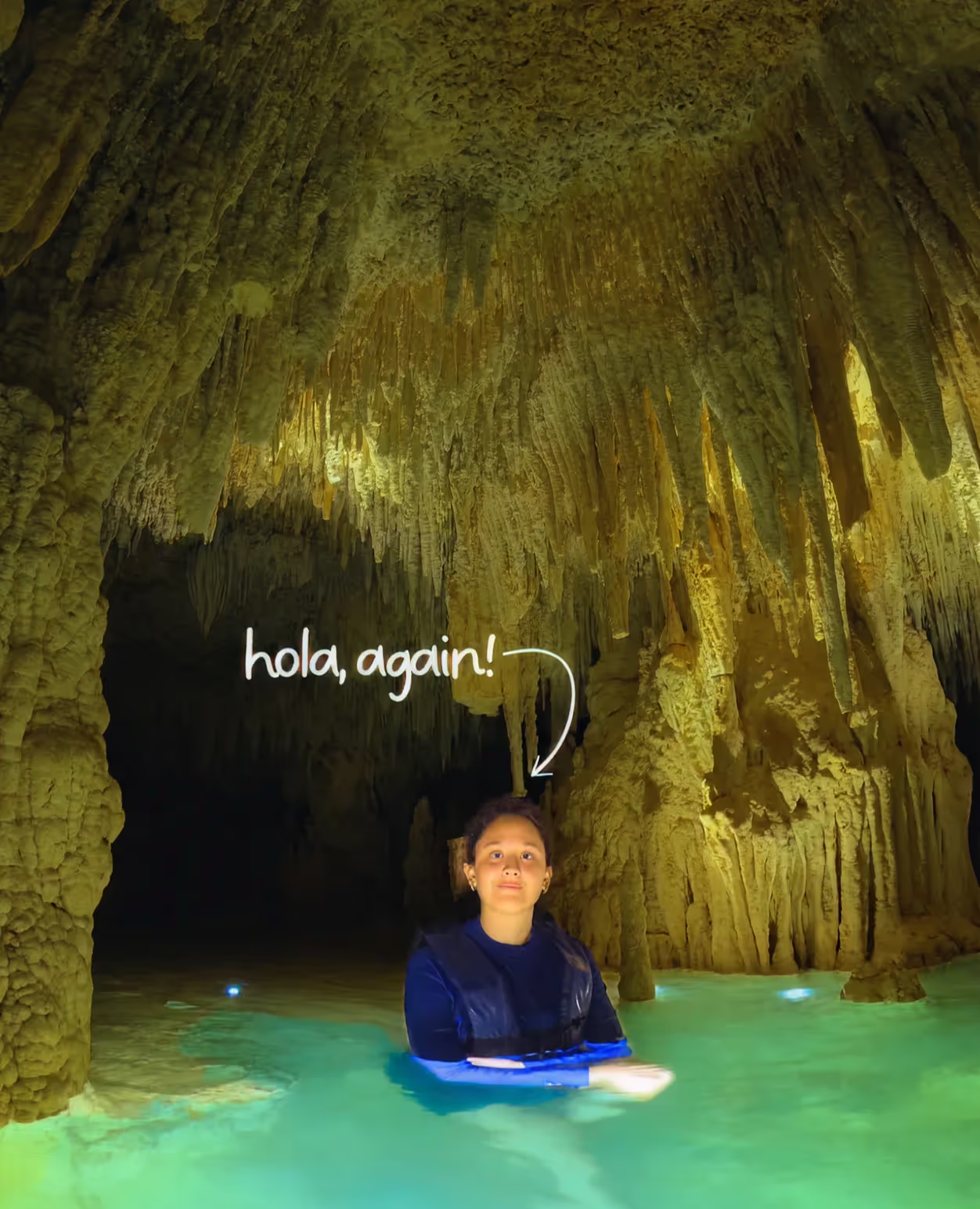
Cenote tours draw people who didn't know they wanted to swim in a 15,000-year-old freshwater sinkhole until they did. The range is enormous: glassy open-air pools that get 500 visitors a day, tight cave cenotes you access by rope, semi-open cenotes with natural light shafts. Our best cenote tours guide cuts through the noise and names the best operators by type.
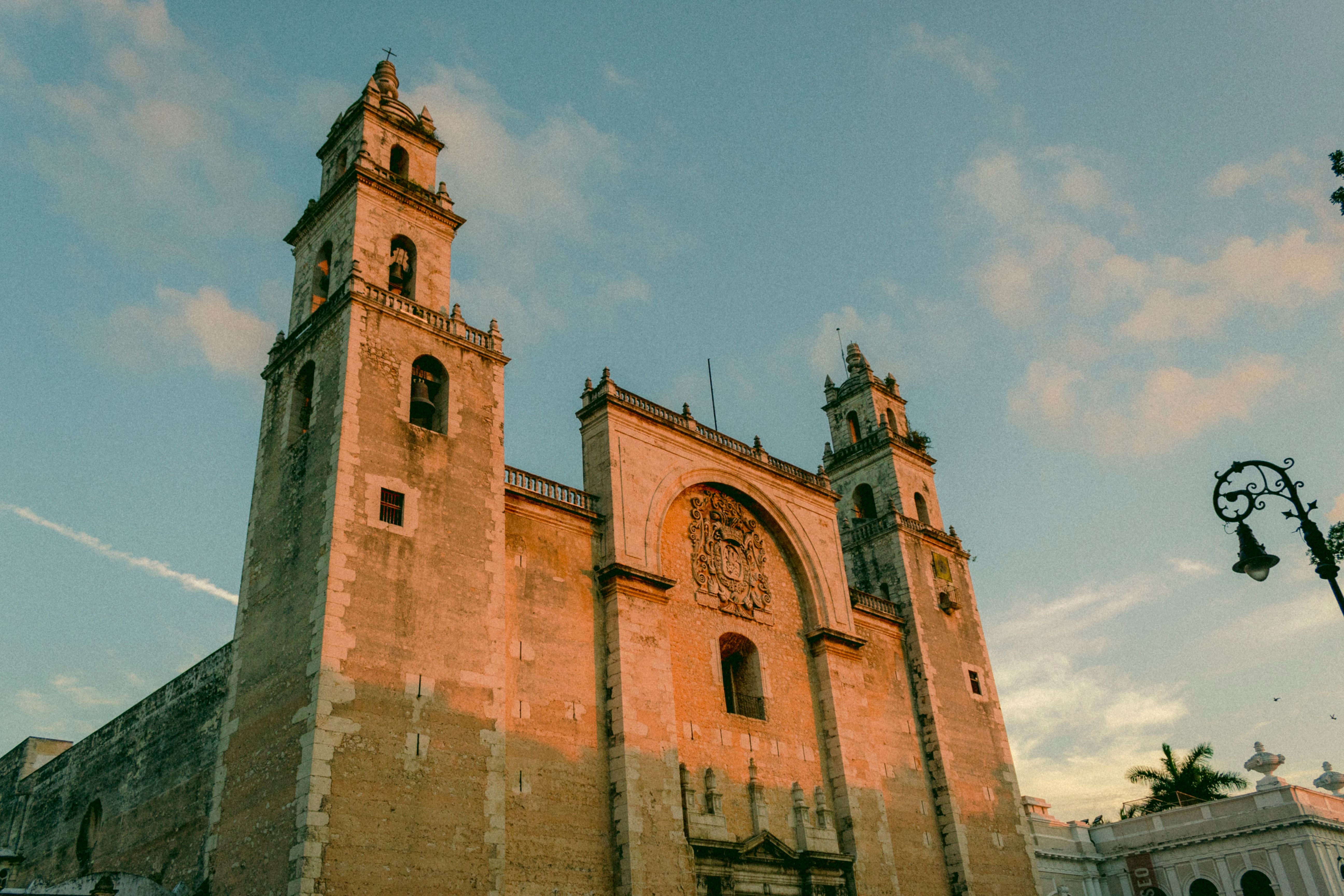
Mérida and colonial city tours suit travelers who want Mexico at a walking pace. Mérida is one of the safest and most livable cities in the country, with a Sunday market, hacienda day trips, and a food scene that holds its own against Oaxaca City. The complete Mérida tours guide covers city walks, hacienda circuits, and Uxmal day trips.
Wildlife and nature tours focus on Río Lagartos for flamingos, Sian Ka'an for dolphins and manatees, and Holbox for whale sharks. These are not all in the same place, and routing them efficiently takes planning. Start with our Río Lagartos tour guide and complete Sian Ka'an tours guide for honest logistics.
Island and beach tours mean Holbox (no cars, bioluminescence, flamingos and whale sharks), Isla Mujeres (reachable by ferry from Cancún, snorkeling, small-town feel), and Isla Contoy (protected bird sanctuary, permit-limited day tours). Holbox is the most tour-friendly; see our Holbox island tour guide for timing and operators.
Valladolid and the colonial interior is a consistently underrated base. The city is 2.5 hours from Cancún by road, 45 minutes from Chichén Itzá, and surrounded by some of the Yucatán's least-visited cenotes. Our Valladolid tours guide explains why we send a lot of clients here instead of Playa del Carmen.
Private and tailor-made tours are what we specialize in at Rutopía. The Yucatán works particularly well for private itineraries because the driving distances are manageable, the roads are good, and the sites spread out across the peninsula in a logical arc. Our Yucatán private tours vs group tours comparison runs the real costs and trade-offs.
Family tours need different pacing: shorter drive legs, cenotes with life vests and easy entry points, ruins that aren't brutal in the midday heat. The best Yucatán family tours guide maps out what works for kids under 12 versus teenagers versus multi-generational groups.
How to shape a 7 or 10-day Yucatán route
Seven days is the practical minimum for Yucatán. Ten days is better if you want the flamingo coast or an island day, though twelve is possible with good pacing.
7-day route, the core triangle: Base in Mérida (3 nights) or Valladolid (3 nights), with a night near Chichén Itzá or in Pisté to catch the site early. Day 1: arrive Mérida, city walk, market dinner. Day 2: Uxmal and the Puuc route. Day 3: drive to Valladolid via Izamal, cenote swim at Cenote Zací or Samulá. Day 4: Chichén Itzá at 8 a.m. Day 5: cenote day near Homún or the Route of the Cenotes east of Mérida. Day 6: Tulum ruins and a coast afternoon. Day 7: fly out from Cancún or return to Mérida. Doable, and it hits the essentials.
10-day route, adding the coast and wildlife: Same core, then either two nights in Holbox for whale shark season (June through September only; skip otherwise and add Sian Ka'an instead), or a day trip to Río Lagartos for flamingos, plus one night in Bacalar if you're routing south to the coast. The best Yucatán itinerary packages guide has 7, 10, and 14-day templates with drive times.
A story about the private tour difference: Our team has worked with Don Fausto Tzab and his nephew Marco at Cenote Yaal Utzil, near Homún, for several seasons. Entry runs 150 MXN per person (about $8 USD), and Don Fausto will not let you in without a life vest — not negotiable, no exceptions. He has pulled too many people out to be apologetic about it. That kind of stewardship is exactly what private Yucatán tours are built around. You don't get it from a bus-tour operator.
The ruins question: Chichén Itzá, Uxmal, Tulum, or all three
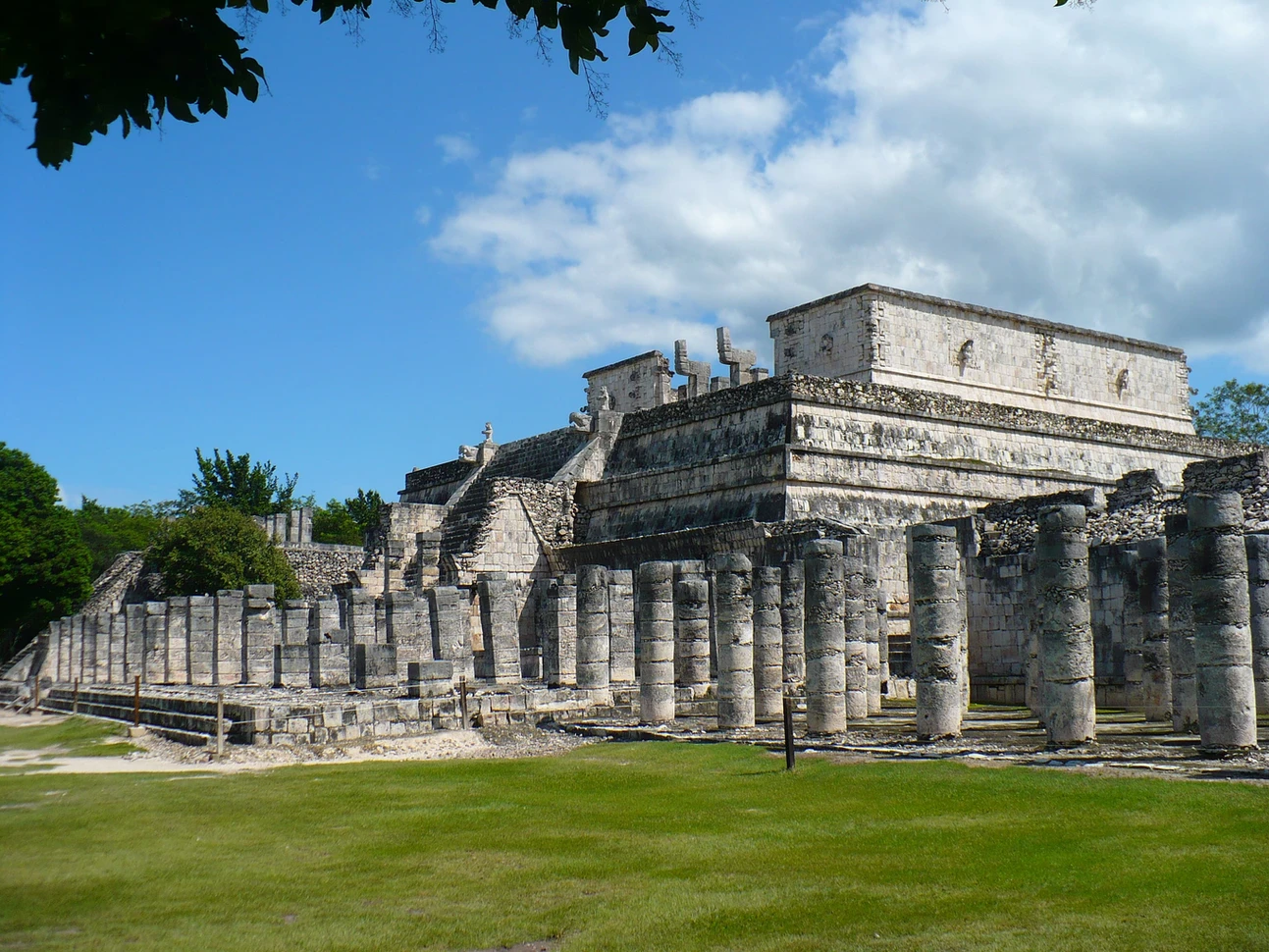
You can see all three in a week if you're efficient, but each deserves at least two to three hours. Here is our honest take on each.
Chichén Itzá is non-negotiable for most first-timers, and the crowds are a real problem after 9:30 a.m. The combined entry fee is 641 MXN (about $32 USD) for foreigners, per INAH. Go early or skip it. Our Chichén Itzá tour guide from Cancún, Tulum and Playa has the arrival logistics down to the hour.
Uxmal is the underrated pick. The Pyramid of the Magician is architecturally more intricate than El Castillo, the site stays quieter until mid-morning, and you can still climb some of the secondary structures. Our team often tells 2026 travelers: if you can only do one Yucatán ruin, do Uxmal in the morning and save Chichén Itzá for a separate early start. The complete Uxmal tour guide explains why.
Tulum ruins sit on a cliff above the Caribbean and are visually the most dramatic of the three. They're also the smallest and most crowded per square meter. Go at sunrise if the permit system allows, or combine with a Sian Ka'an lagoon afternoon. The Tulum ruins tour guide covers the access logistics and the sunrise permit details.
Pro tip: If archaeology is your main reason for visiting Yucatán, consider adding Ek' Balam to your route. It's 30 minutes north of Valladolid, you can still climb the main pyramid (most other Yucatán sites have banned climbing), and morning visitor numbers are a fraction of Chichén Itzá's. A real archaeologist would argue Ek' Balam's stucco carvings are technically superior. A tourist on a day tour from Cancún would never know it existed.
Cenotes: what to know before you book
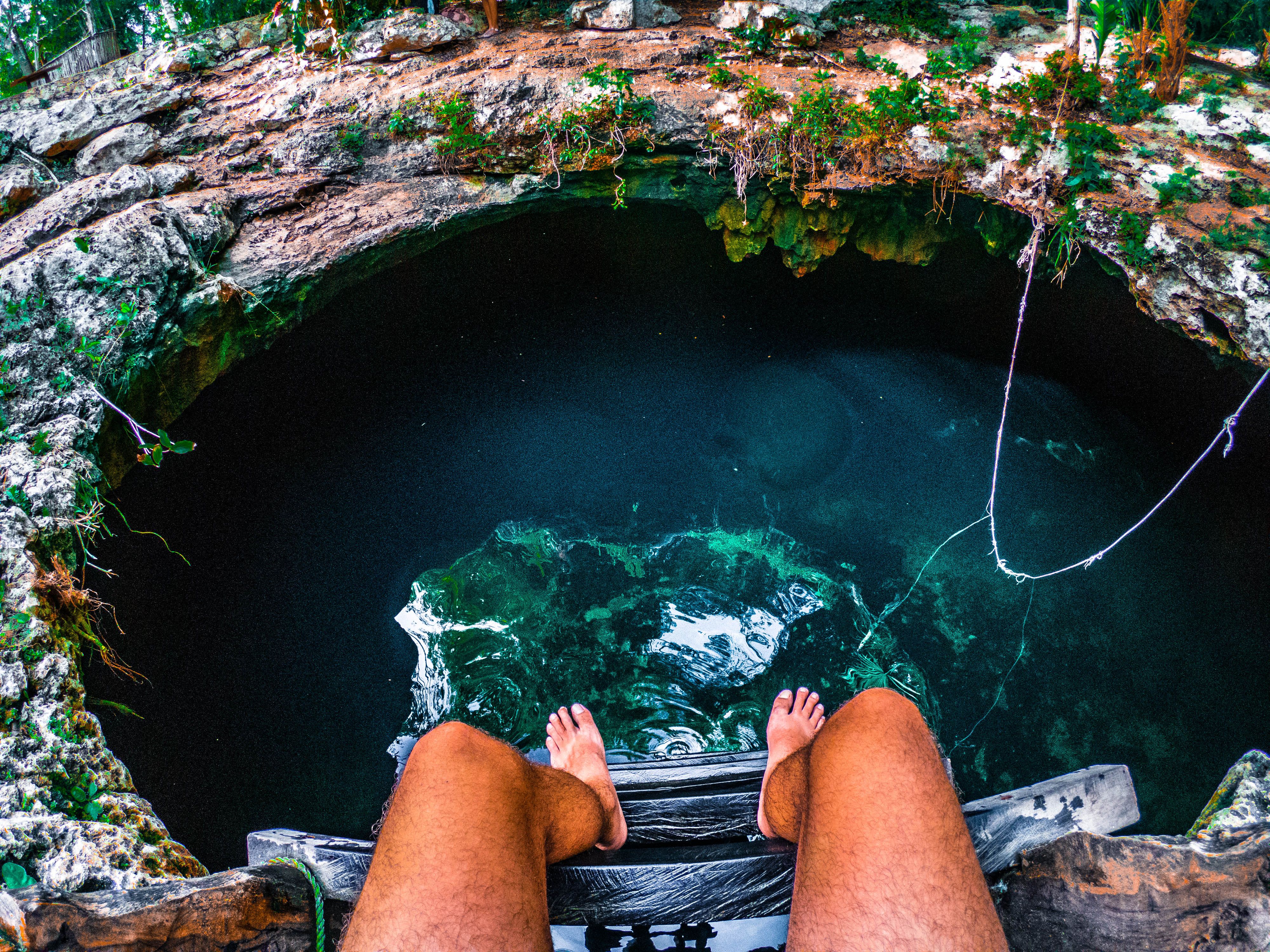
The Yucatán Peninsula sits on a giant limestone shelf, and the cenotes are the fresh water that gathered in its cavities over 15,000 years. Swimming in them is unlike anything else in Mexico, which is why they show up in every itinerary.
The practical breakdown: cenotes fall into four types — open (surface level, often crowded, easy entry), semi-open (partially covered, mixed light), cave (underground, accessed by rope or steps, limited capacity), and subterranean (full cave diving, for certified divers). Day-tour operators mostly run open and semi-open cenotes. If you want cave cenotes, you need a smaller operator or a private guide.
Crowds are real at the most-photographed spots. Cenote Ik Kil (near Chichén Itzá) and Cenote Dos Ojos (near Tulum) are visually stunning and solidly packed by 11 a.m. The less-visited cenotes around Cuzamá, Homún, and the Valladolid ring offer the same experience with a fraction of the people. Cenote safety matters too: our cenote safety and tour logistics guide covers what to ask any operator before booking, including life vest rules, licensed guides, and what not to wear (sunscreen is banned at most sites, biodegradable products required).
Pro tip: The Route of the Cenotes east of Puerto Morelos lets you string together three or four cenotes in a half-day by bicycle or scooter. It's one of the few routes in Yucatán that rewards self-guided exploration without a guide. Bring cash — most cenotes here are community-run and charge 80 to 150 MXN ($4 to $8 USD) per person. Our cenote tours guide has the full breakdown.
The coast, the flamingos, and the islands
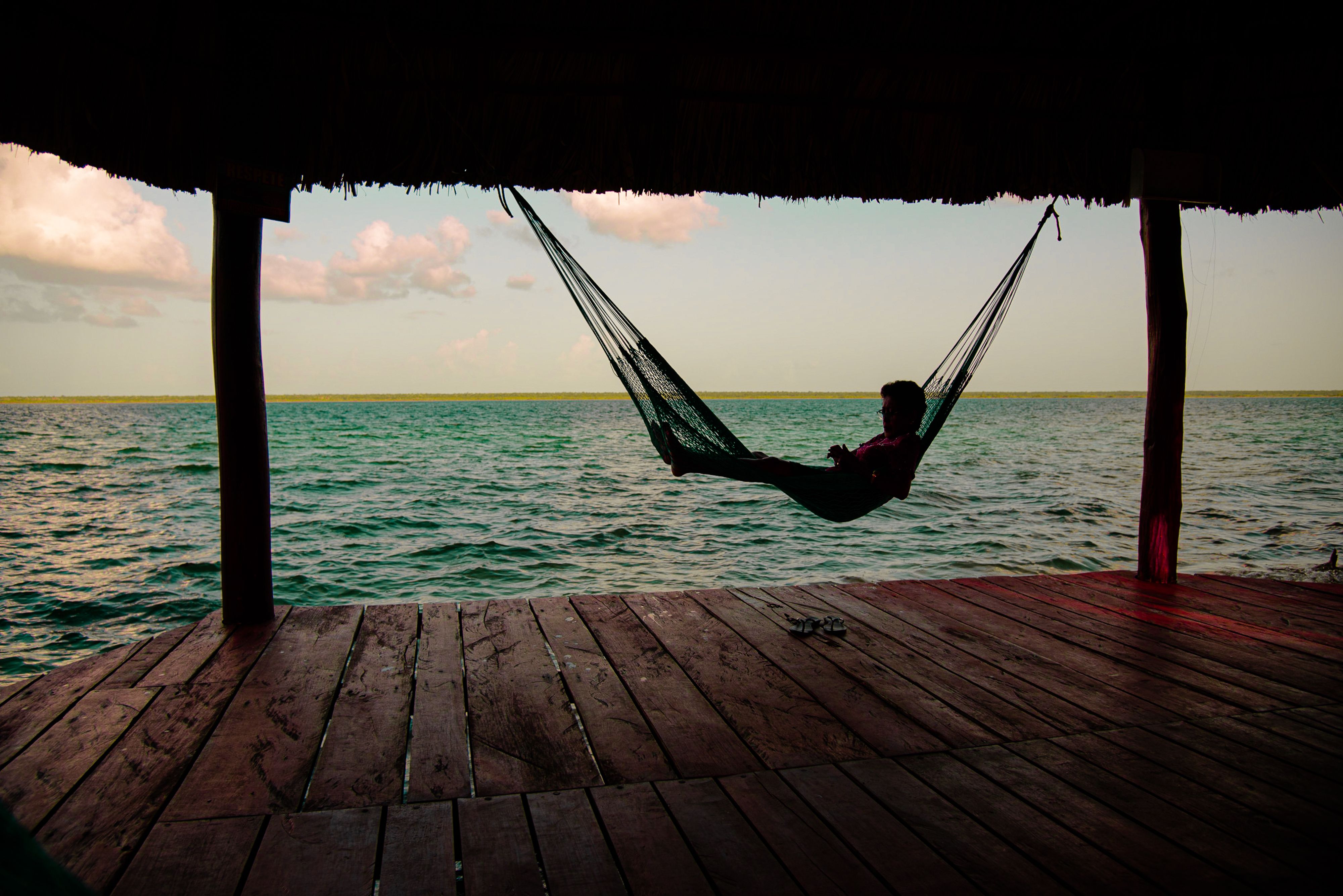
Yucatán's coastline and the states that border it (Quintana Roo to the east, Campeche to the west) add a layer most tours miss.
Río Lagartos sits on the north coast of Yucatán state and hosts one of the largest flamingo colonies in North America. Pink lake, salt flats, boat tours through mangrove estuary, usually fewer than 50 visitors at any given time. It is a 2.5-hour drive from Valladolid and takes a full day to do properly. Our Río Lagartos flamingo boat guide names the community boat operators and gives honest timing advice.
Holbox is a car-free island off the northwest tip of Quintana Roo, reachable by 30-minute ferry from Chiquilá. June through September is whale shark season, when licensed boats take small groups to snorkel alongside the world's largest fish (permit-limited to reduce impact). Outside whale shark season, Holbox is quieter and still beautiful: bioluminescent bay, flamingo sightings at dusk, hammock-in-the-water photos that earned it its reputation. See our Holbox whale shark permit guide for the ethics of whale shark tourism and which operators are certified.
Sian Ka'an is a UNESCO World Heritage biosphere reserve south of Tulum covering 1.3 million acres of wetlands, mangroves, and reef. It is one of Mexico's most impressive protected areas by any measure. Lagoon drift snorkel, dolphin boat tours, ancient Maya channels through the mangrove. Permit-limited, which keeps the quality high. Our Sian Ka'an biosphere reserve guide lists the licensed operators and explains what a full-day visit looks like in practice.
Bacalar is technically in Quintana Roo but flows naturally into a Yucatán route heading south. The Lagoon of Seven Colors, sailboat day tours, Cenote Cocalitos. Less resort-heavy than the Riviera Maya, more expensive than it used to be. The Bacalar sailboat and catamaran guide covers the sailboat vs catamaran question that comes up in every inquiry.
What Yucatán tours cost in 2026
Yucatán has a wide price range depending on whether you're doing day tours from a resort base or a fully private custom route.
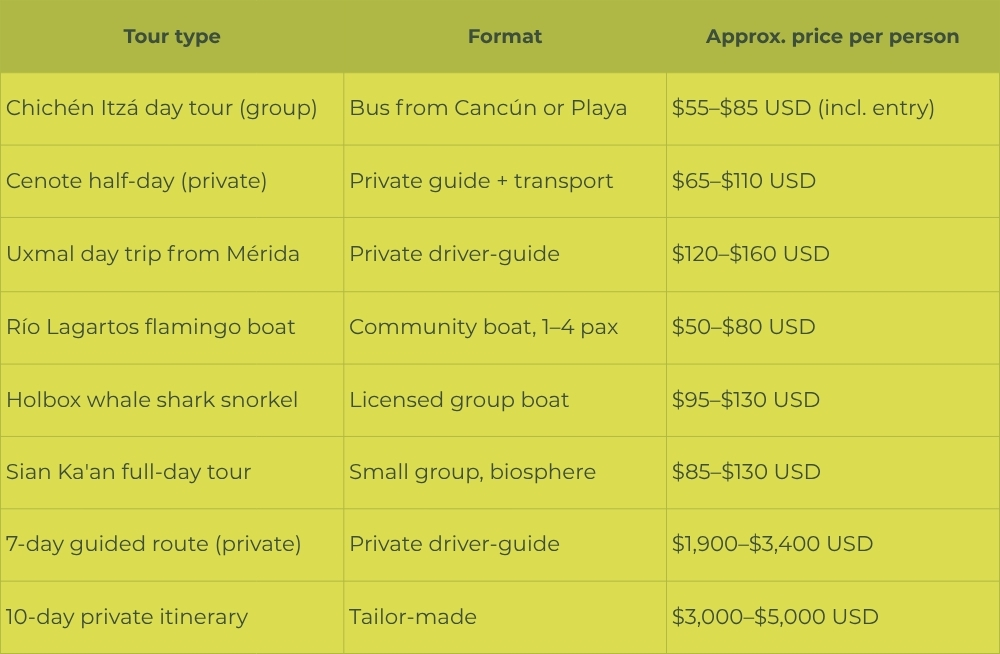
Entry fees add up: Chichén Itzá is 641 MXN ($32 USD), Uxmal is 471 MXN ($24 USD), Tulum is 95 MXN ($5 USD) for the ruins, per INAH. A private driver-guide in Yucatán typically runs 3,500 to 5,000 MXN per day ($175 to $250 USD), higher than Oaxaca because the driving distances are longer.
For a couple, one week — a realistic all-in Yucatán trip budget including flights from the US East Coast, private accommodation, daily guides, entry fees, meals, and 2–3 small tours: $6,500 to $11,000 total, with most of the variance in accommodation choice. Our how to book Yucatán tours guide breaks down when to lock in deposits and what the booking timeline looks like for 2026.
The per-item pricing breakdown for each experience type is in the Further Reading section below.
When to book and which season fits your trip
Yucatán has distinct seasons and at least five booking windows that affect price and availability.
November through February is the sweet spot: dry, temperatures in the high 20s Celsius (low 80s Fahrenheit), no hurricane risk, green vegetation. Christmas and New Year are busy and expensive; late January and February are the best value months in this window.
March and April bring Semana Santa, when domestic tourism surges and every popular cenote and coastal town fills with Mexican families on holiday. Not a bad experience, but not a quiet one. Book accommodation months ahead.
May and June mark the transition to rainy season. Cenotes are at their clearest thanks to recent rains filtering through limestone. Prices drop. Holbox whale shark season opens in June.
Local tip: From April to June, temperatures across the Yucatán Peninsula can become extremely high. In cities such as Mérida, daytime temperatures may approach 40–45°C, making these months less suitable for travelers who are sensitive to heat. After around 11:00 a.m., walking outdoors can become difficult due to the limited airflow and the way the city's streets and buildings retain heat.
When staying in Mérida during this period, it is strongly recommended to choose accommodation with reliable air conditioning and, ideally, a swimming pool. The same consideration applies to ecolodges and community-based stays, where rooms are often less insulated and may not have air conditioning or access to a pool. While these stays can be very rewarding, the heat may significantly affect comfort and sleep during the hottest months.
July through September is peak whale shark season and also hurricane season. Holbox and the coast carry weather risk; the interior stays relatively reliable. Chichén Itzá is at its most crowded domestically. Book whale shark permits at least 8 weeks out.
October is another underrated month. Rain risk is real but manageable. Cenotes are full and gorgeous. Day of the Dead approaches in late October and November, which adds a beautiful cultural layer if you route through a Maya town.
Local tip: In the Yucatán Peninsula, Día de los Muertos blends with the Maya tradition of Hanal Pixán, meaning "food for the souls." Celebrations are generally more intimate and family-centred than the large public festivities found in central Mexico. In Maya communities, visitors may have the opportunity to help prepare traditional dishes, arrange family altars, and place food, candles, flowers, photographs, and other offerings for departed relatives.
Mérida also hosts the Festival de las Ánimas, with processions, performances, decorated altars, and cultural events across the city. However, the official programme is usually released only around one month in advance, so specific activities cannot always be confirmed far ahead of time.
For a particularly distinctive tradition, the town of Pomuch, in Campeche, is known for the limpia de huesos. Before the celebrations, some families carefully clean the bones of deceased relatives and replace the embroidered cloths in which they are kept. This deeply personal ritual should be approached with sensitivity and respect, as it is a living family tradition rather than a staged tourist attraction.
For the full seasonality picture and when to lock in each experience, see our Yucatán 2026 booking calendar.
Bookable tours and platforms we trust
Below are operator categories we recommend for each tour type. For private and fully tailor-made Yucatán routes, Rutopía's Yucatán team designs the full itinerary including guides, accommodation, and transfers.
- GetYourGuide — good for day tours from Cancún and Playa del Carmen, including Chichén Itzá group tours, cenote combos, and Holbox ferry-and-island packages. Filter by "skip the line" for Chichén Itzá to avoid the worst queues.
- Viator — strong for Sian Ka'an biosphere tours and Río Lagartos flamingo boat operators. Read reviews carefully for wildlife boat tours, since not all operators follow the no-feeding and no-harassment rules for flamingos.
- Airbnb Experiences — best for Mérida: cooking classes, market walks, and hacienda visits. Local hosts with small groups, typically 6 people or fewer.
- Rutopía — our specialty is multi-day private routes: 7-day Yucatán peninsula loops, 10-day routes adding Bacalar or Holbox, and combo trips pairing Yucatán with Mexico City. We design every route and vet every guide personally. Start the conversation here.
FAQ
How long should a Yucatán tour be? Seven days is the practical minimum for a meaningful Yucatán trip. You can do Mérida, Uxmal, Valladolid, Chichén Itzá, a cenote day, and the Tulum coast in seven days if you keep transfers efficient. Ten days is the better target if you want Holbox (in whale shark season) or the Río Lagartos flamingo coast. Anything under five days leaves you feeling like you grazed the surface.
Is it better to base in Mérida, Valladolid, or Cancún? It depends what you came for. Mérida is the best base for the western sites (Uxmal, Puuc route, haciendas, market culture). Valladolid is the best base for the central sites (Chichén Itzá, cenotes, Ek' Balam) and has a colonial charm most Cancún-based travelers never discover. Cancún is the most convenient airport hub but the least interesting base — use it to land and leave. Our Valladolid base guide makes the case for staying in the interior.
Can I do Yucatán as a self-drive trip? Yes — Yucatán is one of the best self-drive destinations in Mexico. The roads are well-maintained, the main sites are well-signposted, and a compact rental car ($55–$90 USD per day) gives you flexibility a bus tour can't. The trade-off is that you lose the guided context at ruins and wildlife sites, which is significant at places like Uxmal and Sian Ka'an. Our team often suggests a hybrid: self-drive between towns, with a licensed local guide hired directly at each site.
What are the must-do experiences on a first Yucatán trip? Our honest first-timer shortlist: Chichén Itzá before 9 a.m. (non-negotiable for timing), a cave cenote (not an open pool one), Uxmal in the morning, a Mérida Sunday market, at least one meal of cochinita pibil cooked in a pit, and a night in Valladolid or a small-town colonial hotel rather than a resort. If time allows: Río Lagartos or Holbox for wildlife. For a full first-timer route, our Yucatán 7 and 10-day itinerary templates show how to structure a first visit.
How much does a week-long Yucatán tour cost? A small-group week runs $1,200–$2,000 per person depending on the operator. A private driver-guide week runs $1,900–$3,400 per person depending on accommodation quality. A fully tailor-made private route with boutique hotels runs $3,000–$5,000+ per person. Flights from the US are extra, typically $350–$650 round trip from the East Coast to Cancún.
Is Yucatán safe for international tourists? Yucatán state carries the U.S. State Department's Level 1 advisory — Exercise Normal Precautions — which is the safest category and applies to the state as a whole, not just resorts. Quintana Roo (Cancún, Tulum, Playa del Carmen) carries Level 2. The interior towns and the major archaeological sites across Yucatán state are consistently rated among Mexico's safest tourist areas. The U.S. State Department's advisory page linked in the Further Reading section below has the full regional breakdown by state.
What's the difference between a group tour and a private Yucatán tour? Group tours move on a fixed schedule with 8 to 20 other travelers; you see the same sites and the guide speaks to the group. Private tours move at your pace, stop where you want to stop, and the guide's attention is focused on your group alone. The price gap in Yucatán is real: a group day tour to Chichén Itzá costs $55–$85 per person; a private driver-guide day costs $175–$250 for the vehicle, so it makes financial sense for groups of three or four. Our private vs. group Yucatán tour cost breakdown runs all the numbers.
When is whale shark season in Holbox? Whale shark season in Holbox and the waters around Cabo Catoche runs June through September, with peak activity in July and August when the plankton blooms are richest. Tours are permit-limited to a small number of boats per day; operators book up well in advance. See our Holbox whale shark season guide for operator recommendations and what to expect in the water.
Should I book tours in advance or can I arrange them on arrival? Day tours from Cancún and Playa del Carmen can often be arranged on arrival during shoulder season. But for anything time-sensitive — Chichén Itzá at 8 a.m. with a licensed guide, whale shark permits, Sian Ka'an biosphere boats, or boutique accommodation in Valladolid — book well in advance. Holbox in July is a good three-month advance booking. Our Yucatán booking timeline guide explains the timeline for each experience type.
Is Yucatán good for families with children? Yes — it's one of Mexico's most family-friendly regions. Cenotes have shallow entry zones, ruin sites are walkable without extreme heat if you go early, Mérida has great food and is easy to navigate, and Holbox is car-free and relaxed. The main adjustment for young children is managing Chichén Itzá heat — the site has almost no shade. See our Yucatán with children planning guide for age-by-age advice.
Looking for more Mexico travel resources? Be sure to check out:
Rédigé par
Design your trip to Mexico with a local travel designer. Unique activities and lodging, 100% tailor-made and stress-free.
.webp)


Rejoignez-nous à ce sujet
voyage
Planifiez votre voyage avec nousvoyage
Inscrivez-vous à notre newsletter pour être tenu au courant des nouveautés.
Oups ! Une erreur s'est produite lors de l'envoi du formulaire.
Ready to experience the real Mexico?
Travel with local experts and get hangds-on supoort every step of the way... from planning to arrival.


Your Travel Companion in Mexico, 24/7
We're with you from arrival to departure via WhatsApp for anything you need.
Trusted by thousand of travelers with a 4.9 rating on Google