Personalizar mi viaje


Guía completa de paseos en trajinera por Xochimilco 2026
Guía de paseos en Xochimilco: qué embarcadero elegir, costos reales de las trajineras, opciones de comida a bordo y visitas tranquilas entre semana. Consejos 2026 de nuestro equipo en CDMX.


Contenido
Destacan nuestro trabajo



Viajes únicos en México.
Hecho a medida para ti.
Solicita tu viajeHecho a medida para ti.
Deja que un guía local te ayude a planificar tu viaje a México
Comience un viaje a medidaXochimilco en domingo parece una fiesta flotante: barcas de mariachis navegan junto a trajineras decoradas (embarcaciones de madera de fondo plano pintadas con colores vivos y arreglos florales), vendedores en lanchas más pequeñas se acercan para ofrecer cerveza, tamales, quesadillas y elotes, y el canal principal resuena con el sonido de varias bandas compitiendo a través del agua. Xochimilco un miércoles por la mañana se ve completamente distinto: los mismos canales, las mismas chinampas (las antiguas islas de cultivo aztecas), pero lo suficientemente tranquilo como para escuchar a las garzas en las orillas. Vale la pena conocer ambas facetas antes de reservar. La versión que elijas depende totalmente de lo que busques. Para una visita a Xochimilco integrada en un itinerario por la CDMX, nuestro equipo coordina los horarios y el embarcadero adecuado.
Qué es realmente Xochimilco
Xochimilco ("lugar de los campos de flores" en náhuatl) es la última sección sobreviviente del sistema de lagos y canales que alguna vez cubrió el suelo del Valle de México. Antes de que los españoles drenaran el lago de Texcoco en el siglo XVII para evitar inundaciones en su ciudad colonial, la capital azteca de Tenochtitlán era una isla conectada a tierra firme por calzadas, rodeada por una red de lagos y canales. Los aztecas habían desarrollado chinampas —islas agrícolas artificiales construidas con capas de vegetación acuática, lodo y sedimentos— sobre la superficie del lago, y estas chinampas producían gran parte del suministro de alimentos de la ciudad.
La red de canales y las chinampas de Xochimilco sobrevivieron al drenaje porque el sistema era demasiado valioso como zona agrícola para eliminarlo por completo. Hoy en día, aproximadamente 170 km de canales siguen siendo navegables y las chinampas aún producen flores, verduras y hierbas que se venden en los mercados de la CDMX. Toda el área está inscrita conjuntamente en la UNESCO con el Centro Histórico de la Ciudad de México bajo la denominación "Centro Histórico de la Ciudad de México y Xochimilco". Es, en resumen, un sistema agrícola azteca funcional que ha operado de forma continua durante al menos 700 años.
Para un contexto más amplio de la CDMX, la guía de los mejores tours en Ciudad de México cubre cómo encaja Xochimilco en una visita completa.

La versión del domingo frente a la versión entre semana
Domingo: El evento principal. Las familias y grupos de amigos mexicanos alquilan trajineras por hora, llevan hieleras con cerveza y comida casera, contratan un mariachi por una hora y navegan durante 2 a 4 horas. El canal principal en Nuevo Nativitas se llena de barcas desde la mañana hasta media tarde. Las barcas de vendedores (que ofrecen elotes, tamales, tlayudas, cerveza, flores, juguetes y recuerdos) rodean constantemente a las trajineras más grandes. Los mariachis tocan simultáneamente desde varias barcas a la vez. Es ruidoso, festivo, colorido y esencialmente CDMX. Esta es la versión que aparece en películas y fotografías.
Realidad práctica: también hay mucha gente y el canal principal se convierte en un atasco de barcas al mediodía. La calidad de la experiencia en el canal (aguas tranquilas, aves, chinampas) se reduce considerablemente por la densidad de embarcaciones. Si buscas el ambiente de fiesta, ve el domingo. Si prefieres la experiencia ecológica e histórica, ve de martes a viernes.
Consejo local: Si planeas visitar Xochimilco un domingo, te recomendamos encarecidamente llegar temprano por la mañana (alrededor de las 9:00 a. m.). Esto ayuda a evitar las largas filas de espera para las trajineras en el Embarcadero Nativitas, especialmente porque los domingos suelen ser uno de los días de mayor afluencia para los visitantes locales y las familias.
Consejo local adicional: Para una experiencia única en Xochimilco, recomendamos mucho visitar temprano por la mañana y explorar los canales en kayak. A esa hora del día, podrás admirar el amanecer sobre los canales, disfrutar de un ambiente mucho más tranquilo, observar la fauna local y descubrir un lado auténtico y apacible de Xochimilco, lejos de las multitudes.
Entre semana (de martes a viernes): Mucho más tranquilo. El canal tiene una fracción del tráfico del domingo. Puedes escuchar a las aves. Algunos vendedores se acercarán, pero no de forma continua. El paisaje de las chinampas se vuelve visible sin el espectáculo que distrae. Las visitas a las granjas chinamperas y los recorridos ecológicos están disponibles entre semana, pero rara vez los domingos, cuando el canal está demasiado congestionado para una navegación pausada.
Un consejo sincero: si tu visita coincide con un fin de semana y tienes poco tiempo, ve el domingo y disfruta de la fiesta. Si tienes la opción de ir entre semana, elígela para vivir una experiencia sustancialmente diferente —y en muchos sentidos mejor— de lo que realmente es Xochimilco.
Qué embarcadero elegir
La pregunta principal, y la que la mayoría de las guías no responde específicamente.
Embarcadero Nuevo Nativitas: El más grande y orientado al turismo. Cuenta con múltiples operadores, una amplia selección de trajineras y el máximo ambiente dominical. El canal principal al que se accede desde aquí es el más transitado de la red. Recomendado para viajeros que buscan la experiencia completa de la fiesta de domingo.
Embarcadero Fernando Celada: Más pequeño, un poco más alejado del centro de Nativitas y con menos tráfico. Es mejor para visitas entre semana si buscas un punto de acceso más tranquilo al sistema de canales.
Embarcadero Cuemanco: Situado cerca de un complejo deportivo en la zona este de los canales. Es menos frecuentado por turistas y más por clubes de remo locales y kayakistas. Ofrece acceso a una sección diferente y más tranquila de la red de canales. Ideal para visitas enfocadas en la ecología con un operador que conozca bien esta zona.
Para la mayoría de los visitantes primerizos en domingo: Nuevo Nativitas. Para una visita ecológica o a las chinampas entre semana: Fernando Celada o Cuemanco.
Costos de las trajineras: la tarifa real
Las trajineras se alquilan por embarcación, no por persona. El alquiler estándar:
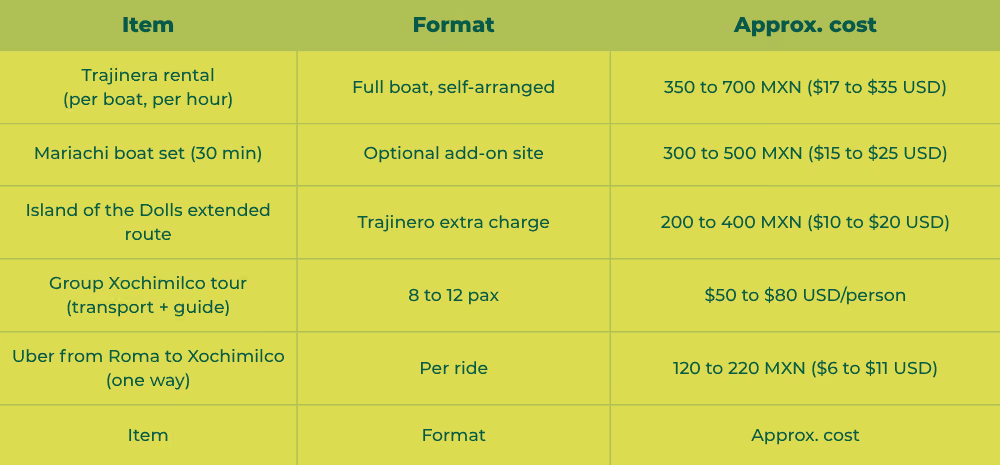
- Por hora: de 350 a 700 MXN (de 17 a 35 USD), dependiendo del embarcadero, el día y el tamaño de la embarcación [VERIFICAR ANTES DE PUBLICAR: confirmar las tarifas actuales de las trajineras en Xochimilco; los precios han aumentado en los últimos años]
- Las tarifas de los domingos son más altas que las de los días de semana
- Las embarcaciones tienen capacidad para entre 10 y 20 pasajeros; una trajinera alquilada por una pareja cuesta lo mismo que una alquilada por doce personas
Recomendamos a los visitantes no negociar los precios de los paseos en trajinera en Xochimilco. El servicio opera actualmente bajo tarifas oficiales establecidas por las autoridades locales (“Alcaldía Xochimilco”), lo que significa que los precios son, por lo general, fijos y regulados.
La propina para el trajinero que guía la embarcación no suele estar incluida en el precio del alquiler; lo habitual es dejar entre 50 y 100 MXN al finalizar el recorrido.
Qué sucede en la trajinera: el panorama completo
Abordas la trajinera en el embarcadero. El trajinero impulsa la barca con una pértiga para salir del muelle hacia el canal principal. En domingo, a los pocos minutos, se acercará la primera barca de vendedores ofreciendo cerveza, flores o comida. También se aproximan grupos de mariachis que ofrecen tandas de 30 minutos por entre 300 y 500 MXN.
Consejo local: Durante tu experiencia en las trajineras de Xochimilco, es posible que tengas la oportunidad de disfrutar de pequeñas degustaciones de mezcal local acompañadas de bocadillos y productos tradicionales a base de maíz. Esta es una experiencia cultural opcional que puede organizarse durante la visita para quienes deseen explorar más a fondo los sabores tradicionales y la gastronomía local de México.
Consejo local adicional: Recomendamos encarecidamente llevar suficiente efectivo al visitar Xochimilco. La mayoría de los pequeños servicios locales, vendedores, barcas de comida, músicos y experiencias adicionales en los canales no aceptan tarjetas de crédito o débito, por lo que los pagos suelen realizarse únicamente en efectivo.
Si se lo pides, el trajinero puede navegar fuera del canal principal hacia vías fluviales secundarias más tranquilas, donde los cultivos de chinampas son más visibles y el nivel de ruido disminuye considerablemente. La mayoría de los viajeros no lo pide porque no sabe que puede hacerlo; un guía que acompañe el recorrido y hable con el trajinero puede dirigir la ruta.
Entre semana o en un tour ecológico especializado, la ruta puede incluir una parada en una chinampa activa donde se cultivan flores o verduras, una visita a una sección del canal donde se puede avistar al ajolote (la salamandra endémica del sistema lacustre de Xochimilco, en peligro crítico de extinción y objeto de programas de conservación activos) en estanques de conservación, además de un ritmo general más pausado.

La ecología de las chinampas: lo que estás viendo
Las chinampas no flotan. Este es el error más común. Son islas ancladas construidas a lo largo de siglos con capas de material acuático y sujetas por las raíces de los ahuejotes (una variedad de sauce, Salix bonplandiana) que bordean sus perímetros. Estos árboles, plantados deliberadamente, fijan la estructura de la isla mientras mantienen la tierra blanda y fértil.
Una chinampa en funcionamiento produce flores para el mercado de la CDMX, además de verduras y hierbas. El suelo es extraordinariamente productivo porque se renueva constantemente con el agua rica en nutrientes del canal que impregna el sistema radicular. Los aztecas lo comprendieron y lo utilizaron para alimentar a una ciudad de entre 200,000 y 300,000 habitantes. En 2026, las chinampas siguen abasteciendo una parte significativa del mercado de flores frescas de la Ciudad de México.
El ajolote (Ambystoma mexicanum) —la salamandra sonriente de branquias plumosas que se ha convertido en un símbolo de la Ciudad de México— es nativo únicamente del sistema lacustre de Xochimilco y se encuentra en peligro crítico de extinción debido al deterioro de la calidad del agua, las especies invasoras (particularmente la tilapia africana) y la presión urbana. Existen programas de cría para su conservación en varios puntos de la zona de canales. Avistarlos en su hábitat natural es poco común; visitar una estación de conservación donde se crían en recintos de agua limpia es más seguro y se incluye cada vez más en los recorridos ecológicos por Xochimilco.

La Isla de las Muñecas
La Isla de las Muñecas es una chinampa situada a varios kilómetros del embarcadero principal de Nativitas, cubierta por miles de muñecas deterioradas colgadas en árboles, paredes y cualquier superficie disponible. Fueron colocadas por Julián Santana Barrera, quien vivió en la isla hasta su muerte en 2001 y pasó décadas recolectándolas y colgándolas tras presenciar el ahogamiento de una niña en el canal. Actualmente, la isla es administrada por su familia y recibe visitantes en trajinera.
Este es un lugar auténtico y extraño, no una atracción de parque temático. Las muñecas están envejecidas, desgastadas por el clima y resultan genuinamente inquietantes, como suele ocurrir con las colecciones obsesivas acumuladas. El trayecto para llegar toma de 45 minutos a una hora desde Nativitas; la mayoría de las trajineras cobran una tarifa adicional por esta ruta extendida. Además, se requiere pagar una pequeña cuota de entrada al llegar. El pago se realiza directamente a la familia local que cuida la isla, ya que se considera propiedad privada y la contribución ayuda a su mantenimiento y conservación.
Para los viajeros que disponen de 2 a 3 horas en Xochimilco: omitan la Isla de las Muñecas y aprovechen el tiempo en las secciones de canales más tranquilas cercanas al embarcadero. Para quienes cuentan con medio día completo: la isla bien vale el trayecto extendido.
Comida y bebida a bordo
Se acercarán lanchas de vendedores ofreciendo: cerveza y refrescos, elotes (maíz con mayonesa, queso, chile y limón — pruébelos), tamales, quesadillas, fruta y verduras picadas con limón y chile. Los precios de los domingos están orientados al turista: la cerveza cuesta entre 40 y 80 MXN por lata (2 a 4 USD), frente a los 20 a 30 MXN que cuesta en una tienda. Los elotes cuestan entre 40 y 60 MXN y valen cada peso.
Si va a almorzar a bordo un domingo, las lanchas de tamales son la opción más constante; la calidad de los puestos de comida caliente en Nuevo Nativitas, cerca del embarcadero, es muy variable. Entre semana, es más práctico comprar comida en el embarcadero antes de subir, ya que hay pocos vendedores en los canales.
Cómo llegar a Xochimilco desde el centro de la Ciudad de México
Uber o taxi: 30 a 60 minutos desde la Roma o la Condesa, dependiendo del tráfico. Aproximadamente entre 120 y 220 MXN (6 a 11 USD) [VERIFICAR ANTES DE PUBLICAR: confirmar el rango actual de tarifas de Uber]. Es la opción más cómoda para los turistas.
Metro + Tren Ligero: Línea 2 del Metro hasta Tasqueña, luego el Tren Ligero (Línea 1) hasta la estación Xochimilco. Duración total: 45 a 60 minutos. Económico (5 MXN el Metro + 3 MXN el Tren Ligero). Requiere realizar un transbordo y caminar un poco o tomar un taxi hasta el embarcadero.
Vehículo turístico: Si tu visita a Xochimilco es parte de un tour guiado, el transporte está incluido y el operador se encarga de toda la logística.
En coche particular: Algunos embarcaderos cuentan con estacionamiento. Sin embargo, en horas de alta demanda —especialmente fines de semana y días festivos— los espacios se llenan rápidamente y puede ser difícil encontrar lugar cerca del embarcadero. Para una experiencia más cómoda, recomendamos llegar temprano siempre que sea posible.
Cuánto tiempo dedicar
Visita estándar: 1.5 a 2 horas en el agua, más 30 minutos para recorrer la zona del embarcadero y curiosear antes o después. Total: 2 a 3 horas desde la llegada hasta la salida.
Formato de medio día: 30 minutos en el embarcadero, 2.5 a 3 horas en el agua (incluyendo un desvío por canales más tranquilos y una parada en una chinampa), y 30 minutos para comer en los puestos del muelle. Total: 3.5 a 4 horas.
Extensión a la Isla de las Muñecas: añade de 1.5 a 2 horas a cualquier formato.
Tours disponibles para reservar
- Trajinera en Xochimilco + Visita a una chinampa (Airbnb Experiences): Formato entre semana, incluye parada en una chinampa activa y enfoque ecológico. Aproximadamente de 55 a 85 USD por persona.
- Paseo dominical en Xochimilco con mariachi (GetYourGuide): Formato grupal, salida en domingo, experiencia festiva completa. Aproximadamente de 50 a 80 USD por persona.
- Día combinado en Xochimilco y Coyoacán (Viator): Mañana en Coyoacán, tarde en los canales, con transporte incluido. Entre 70 y 110 USD por persona aproximadamente.
- Medio día personalizado en Xochimilco (Rutopía): Formato entre semana con guía ecológico, trajinera reservada, y parada en chinampas y conservación de ajolotes. Contáctanos para consultar precios actuales.
Resumen de precios
Preguntas frecuentes
¿Es seguro Xochimilco? Las principales zonas turísticas alrededor de los embarcaderos y los canales son seguras para los visitantes. Las multitudes de los domingos requieren la precaución habitual contra los carteristas: mantén tus bolsos al frente y guarda los teléfonos en los bolsillos cuando se acerquen las lanchas de vendedores. Los barrios entre el centro de Xochimilco y el embarcadero pueden sentirse distintos al caer la noche; abandona la zona de canales antes de las 18:00 y utiliza una aplicación de transporte para el regreso.
¿Puedo nadar en los canales? No. La calidad del agua de los canales es deficiente; décadas de escurrimientos urbanos han hecho que el agua no sea apta para nadar. Esto también se aplica a la conservación del ajolote: la crisis de calidad del agua en los canales es el factor principal de su peligro de extinción. Además, muchas áreas de los canales contienen vegetación acuática densa y plantas subacuáticas, lo que puede dificultar el movimiento en el agua y resultar potencialmente peligroso.
¿Vale la pena ir a Xochimilco sin guía? Para la versión festiva del domingo: sí, puedes llegar a Nuevo Nativitas y pasar un rato excelente. Para la versión ecológica e histórica: un guía marca una diferencia decisiva. Un guía que pueda coordinar la ruta con el trajinero, explicar la estructura y la historia de las chinampas, y que tenga contacto con una chinampa para hacer una parada, transforma la visita por completo.
¿Cuál es el mejor mes para visitar? Xochimilco se puede visitar todo el año. La celebración del Día de Muertos (1 y 2 de noviembre) en Xochimilco es espectacular: altares en las chinampas, paseos en trajinera a la luz de las velas a medianoche y toda la energía del mercado de flores que la festividad requiere tradicionalmente. Es la noche con más afluencia del año en los canales, pero vale la pena lidiar con las multitudes si planeas con antelación.
Consejo local: Si planeas visitar Xochimilco durante la temporada de Día de Muertos , prepárate para encontrar grandes multitudes y largas filas de espera, incluso para acceder a algunos de los embarcaderos principales.
Esta es una de las épocas más concurridas y populares del año en Xochimilco, ya que muchos locales y visitantes acuden para disfrutar de las decoraciones especiales, los paseos nocturnos en trajinera y las celebraciones tradicionales de esta importante festividad mexicana.
Para una experiencia más fluida, te recomendamos encarecidamente llegar lo más temprano posible y considerar tiempo adicional en tu itinerario.
Looking for more Mexico travel resources? Be sure to check out:
- Los mejores tours en Ciudad de México para reservar en 2026
- Los mejores tours de un día en Ciudad de México para viajeros en 2026
- Guía completa del tour al Museo Frida Kahlo 2026
- Los mejores paquetes de itinerarios en Ciudad de México para viajes en 2026
- Consejos de seguridad en Ciudad de México para viajeros en 2026
Escrito por
Design your trip to Mexico with a local travel designer. Unique activities and lodging, 100% tailor-made and stress-free.
.webp)
Publicaciones relacionadas
Duration:
Blog title heading will go here
Days
Melipona Bees Mayan
Conoce a las abejas meliponas, su rol vital en la cultura maya y su importancia en la biodiversidad. Descubre su historia, su miel única y su preservación.
Leer más
Duration:
Blog title heading will go here
Days
Mexico In April: Travel tips, Weather and More
¡Explora el encanto de México en abril! Encuentra información sobre el clima, los festivales destacados y consejos ideales para tus vacaciones en Centroamérica.
Leer más

Duration:
Blog title heading will go here
Days
Rutopia Awards
Este año, Rutopía ganó un premio de TripAdvisor: Travellers' Choice. Se considera una de las atracciones más populares del mundo.
Leer más
Únete a nosotros sobre esto
viaje
Planifica tu viaje con nosotrosviaje
Únete a nuestro newsletter para mantenerte al tanto de novedades y consejos para tus viajes.
¡Vaya! Se ha producido un error al enviar el formulario.
Ready to experience the real Mexico?
Travel with local experts and get hangds-on supoort every step of the way... from planning to arrival.

Your Travel Companion in Mexico, 24/7
We're with you from arrival to departure via WhatsApp for anything you need.
Trusted by thousand of travelers with a 4.9 rating on Google