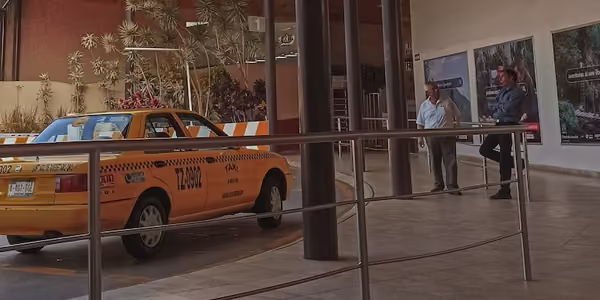
Il modo più semplice per raggiungere lo Yucatán è in aereo. L'Aeroporto Internazionale Manuel Crescencio Rejón di Mérida gestisce voli nazionali e internazionali, compresi collegamenti provenienti da diverse città degli Stati Uniti.
Leggi di più


Welcome to Yucatán: home to one of the New Seven Wonders of the World, a colonial capital built for gastronomy tours and Carnaval, and a coastline turned pink by nothing more than salt and algae. Rutopía takes you past Chichén Itzá's crowds and into cenotes, flamingo reserves, and Maya sites most itineraries never reach.
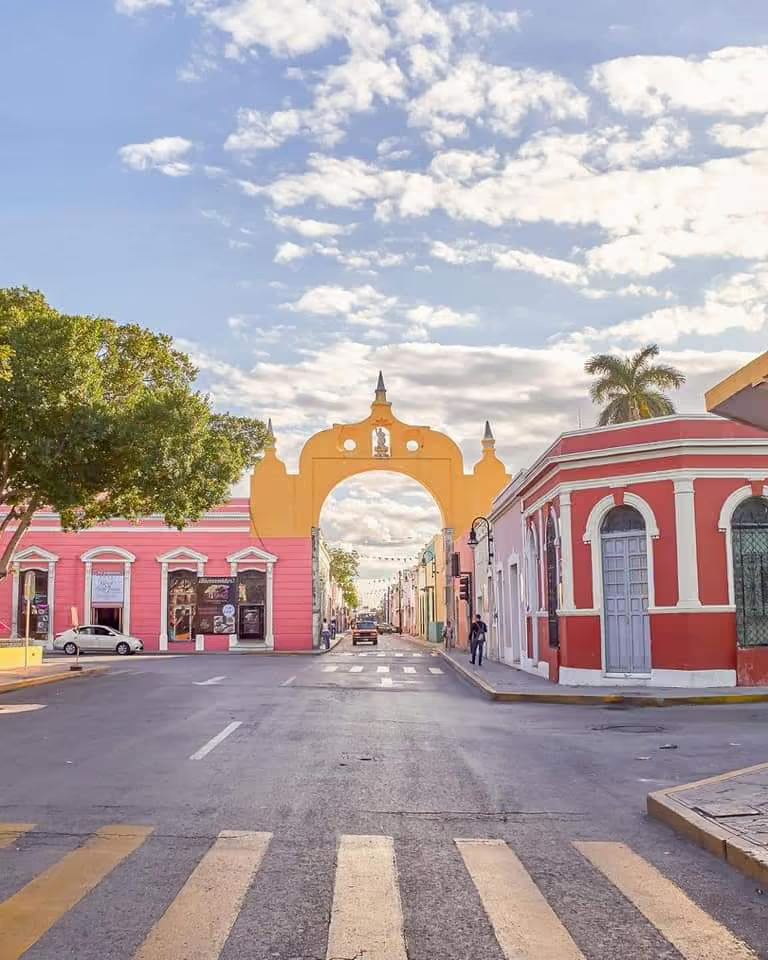
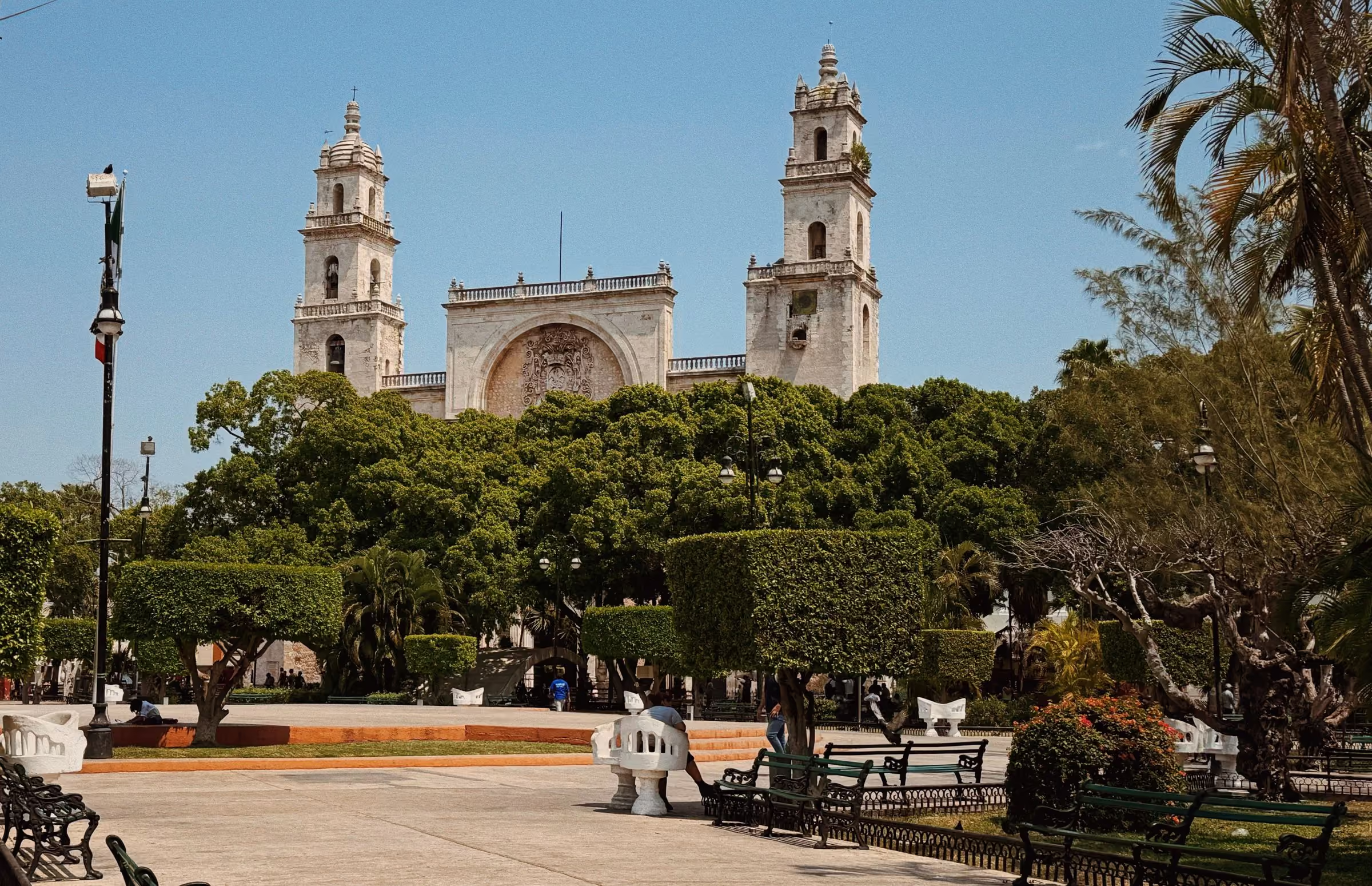
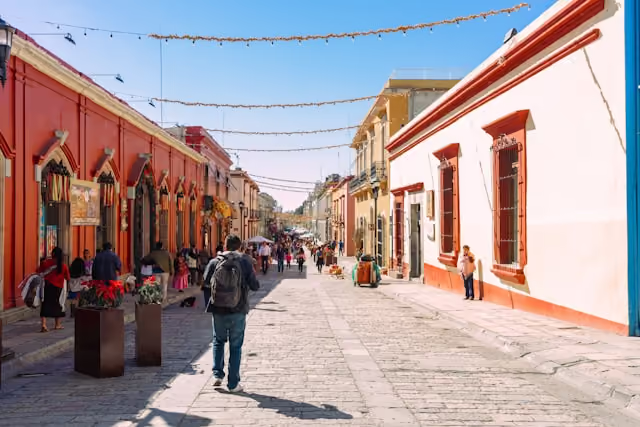
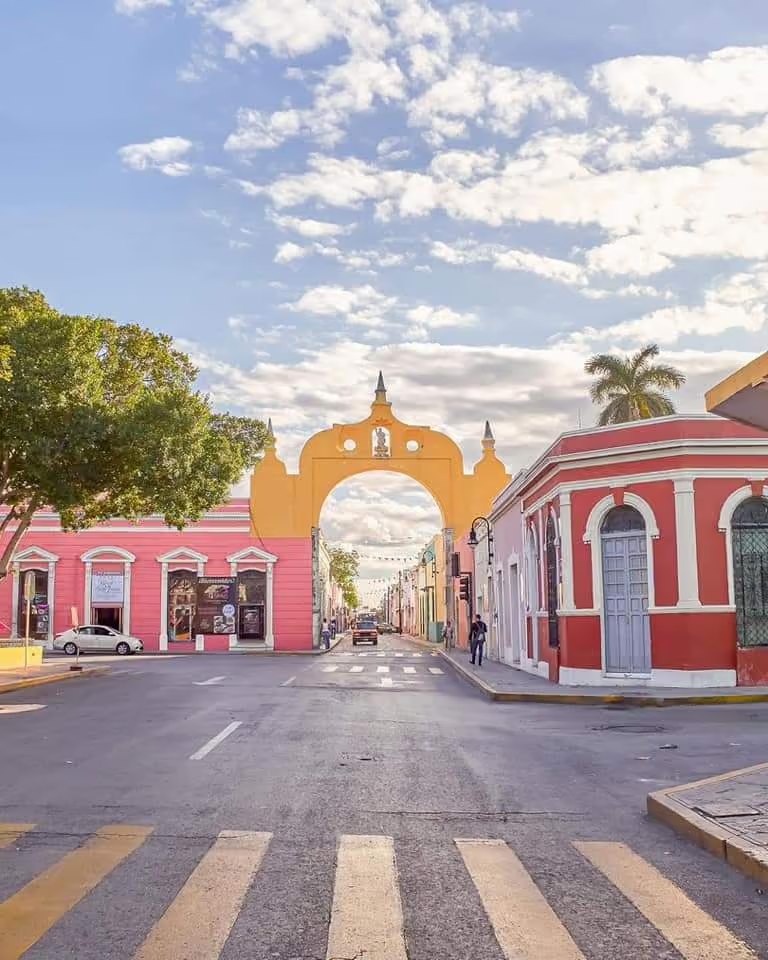
Mérida is the natural base for almost any Yucatán itinerary, a colonial capital with a walkable historic center, one of Mexico's largest Carnaval celebrations, and Paseo de Montejo, a boulevard of 19th-century mansions built during the state's henequen boom. From here, day trips reach nearly every major Maya site and cenote in the state without ever needing to change hotels.
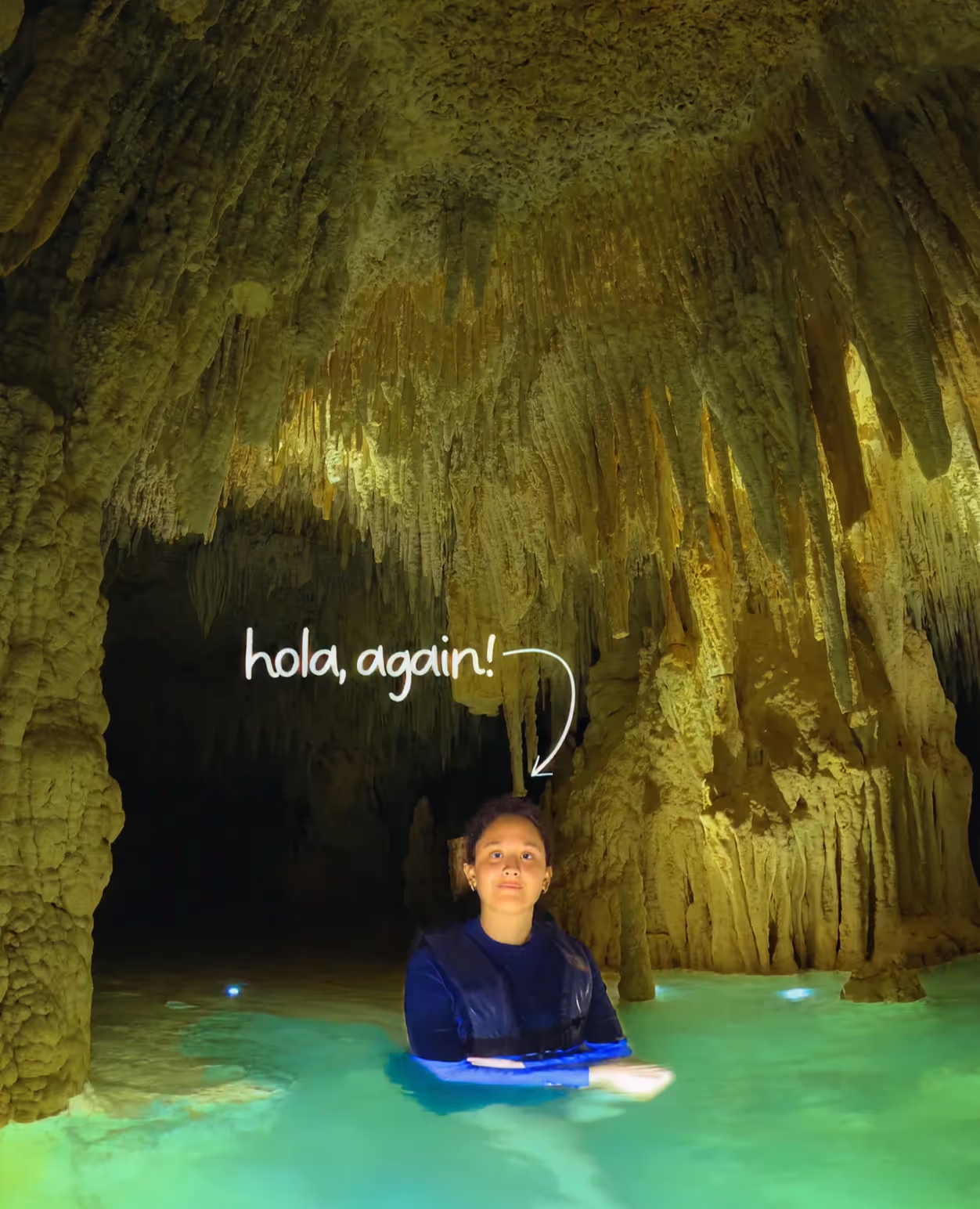
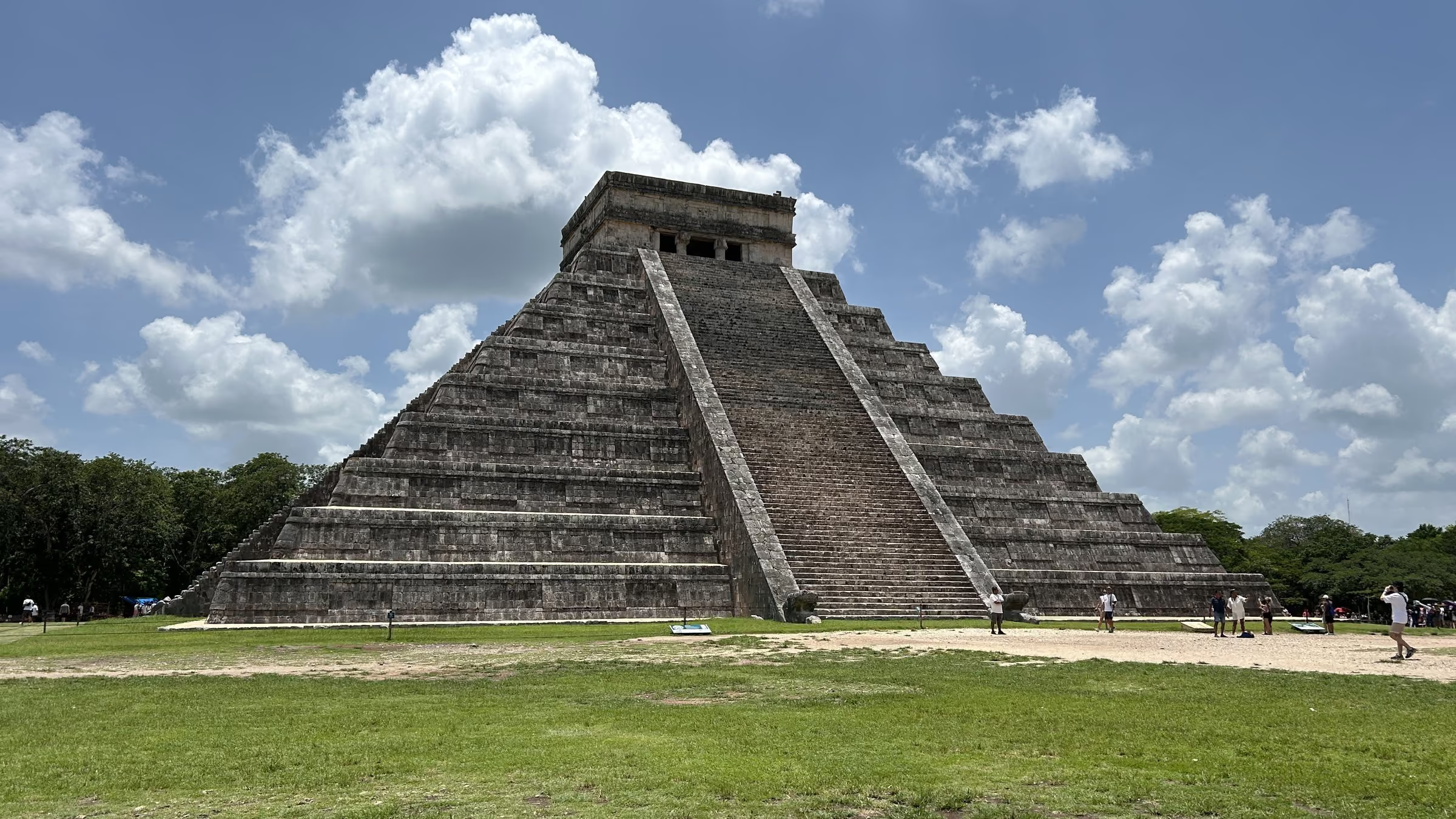
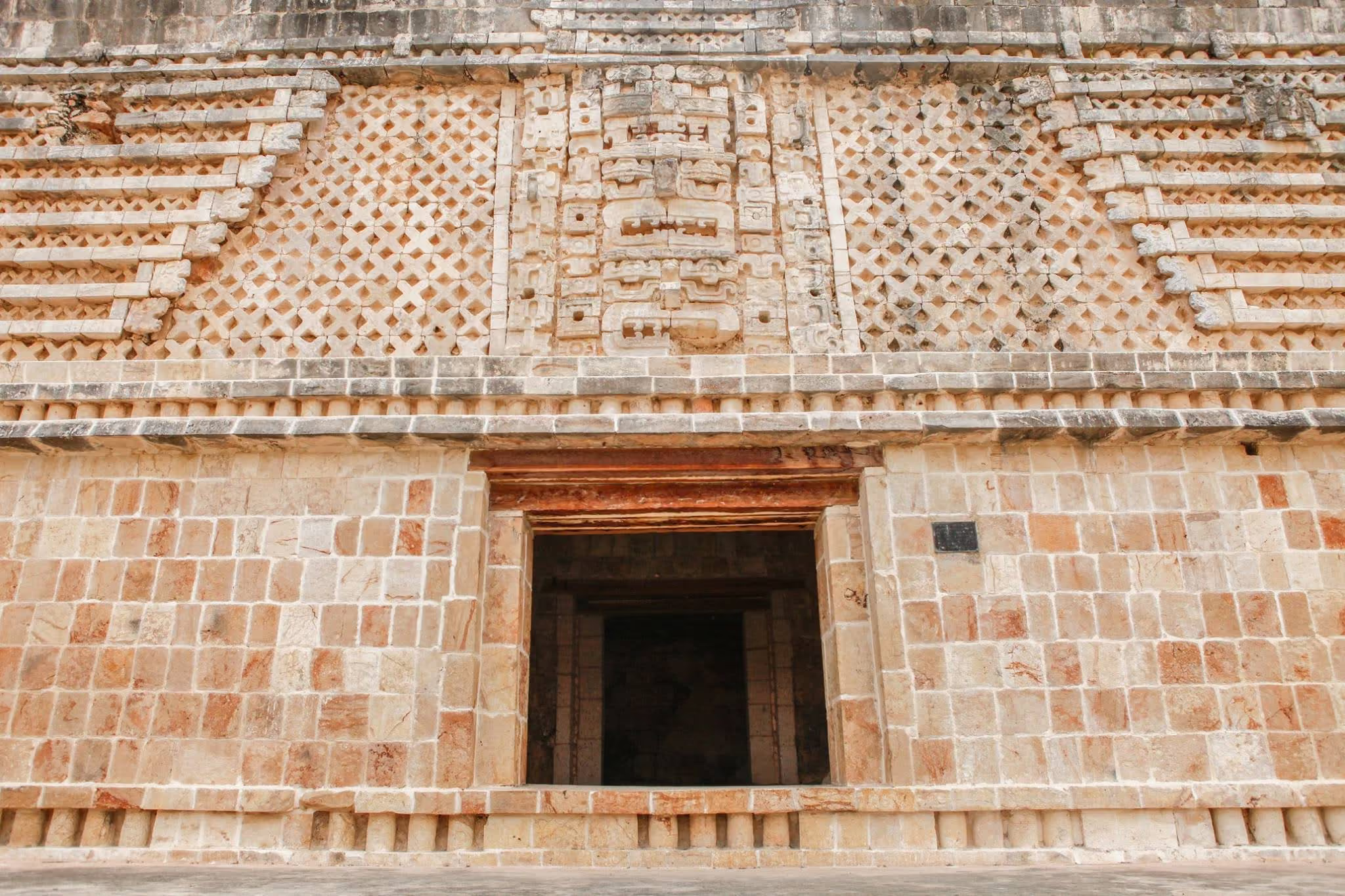
Start at Chichén Itzá if it's your first time, one of the New Seven Wonders, where a serpent-shaped shadow appears on El Castillo's steps every spring equinox. If ruins are what you're after, continue on to Uxmal and the Puuc Route to see the Pyramid of the Magician with a fraction of the crowds. Want to swim instead? Base yourself in Valladolid, a colonial town surrounded by swimmable cenotes, including Cenote Yokdzonot, restored and run by a women's cooperative from the village next door. And if you'd rather watch birds than climb pyramids, Celestún and Río Lagartos hold flamingo colonies, a beekeeping project in Sinanché where local families tend native stingless bees, and the pink salt-flat lakes of Las Coloradas.
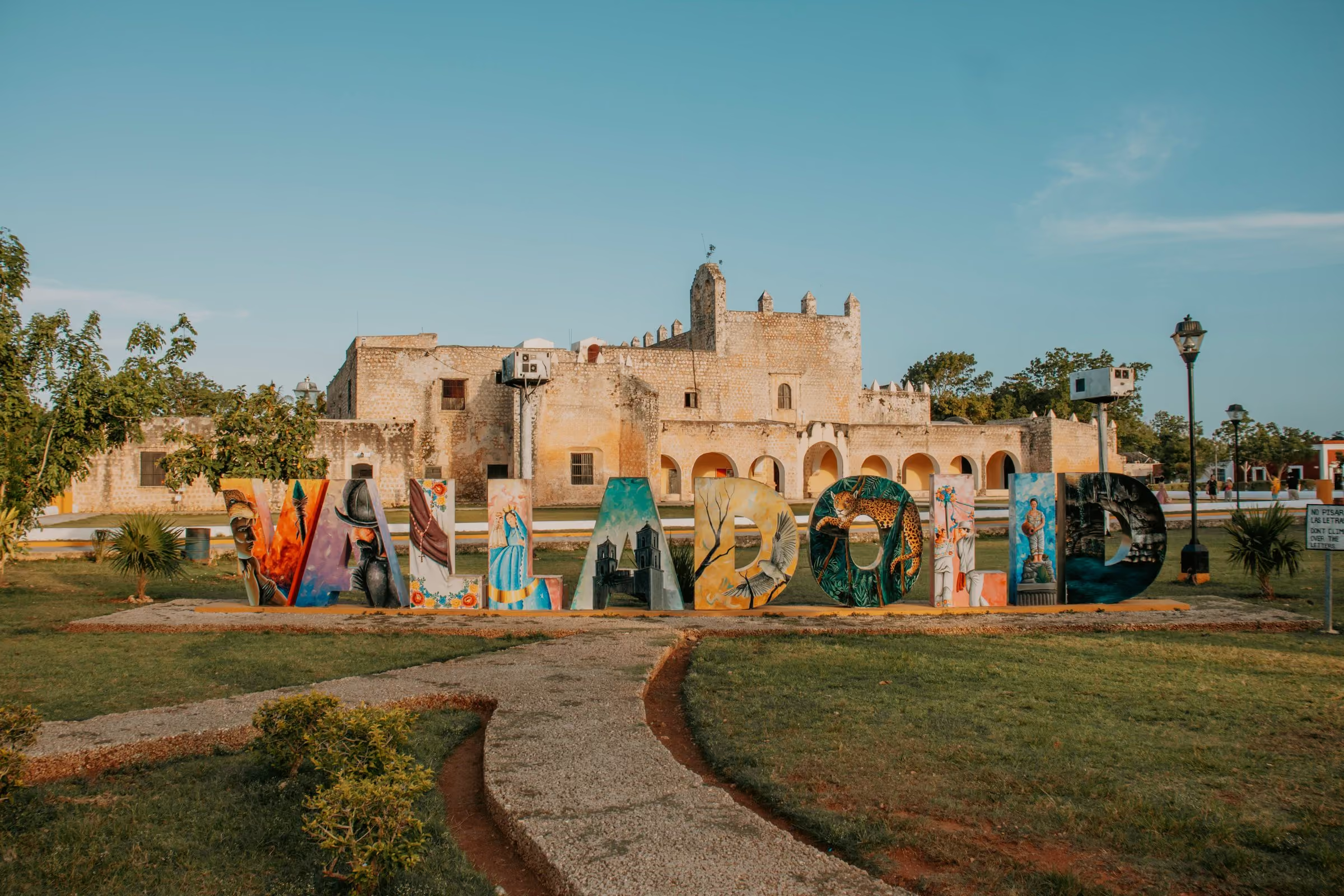
Valladolid makes an easy base for cenote-hopping, a walkable, bikeable colonial town close enough to dozens of swimmable sinkholes that most visitors never need to drive more than half an hour. Nearby, Ek Balam holds one of the Yucatán's best-preserved Maya façades, including the tomb of ruler Ukit Kan Lek Tok', with a fraction of the visitors that Chichén Itzá sees.
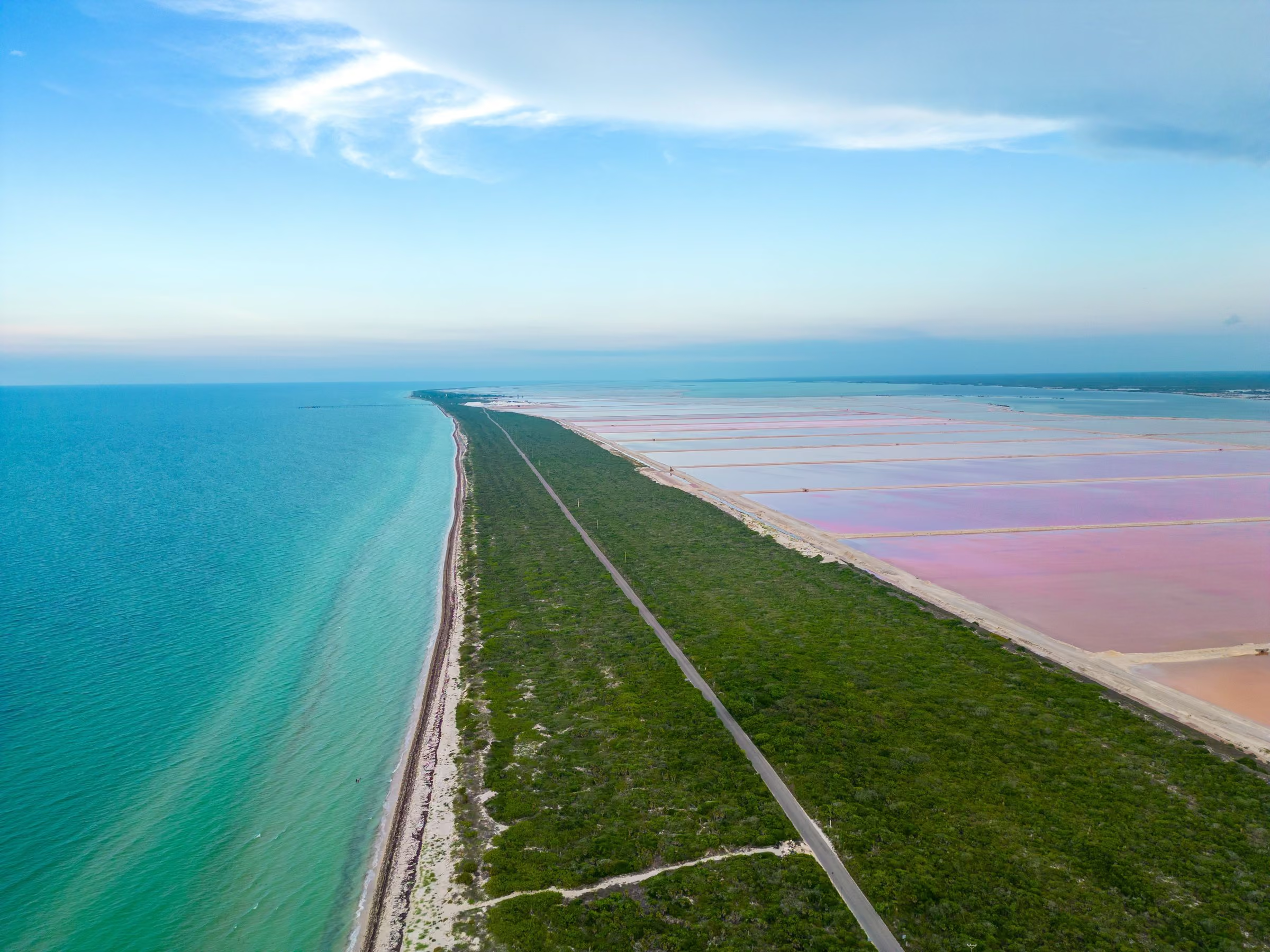
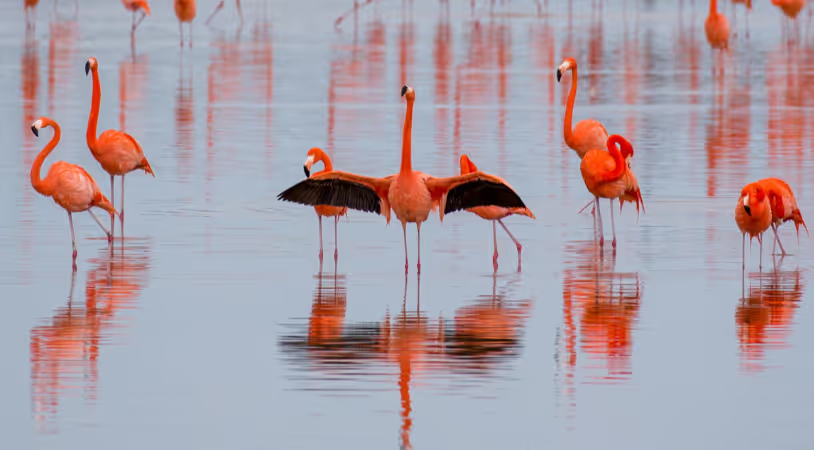
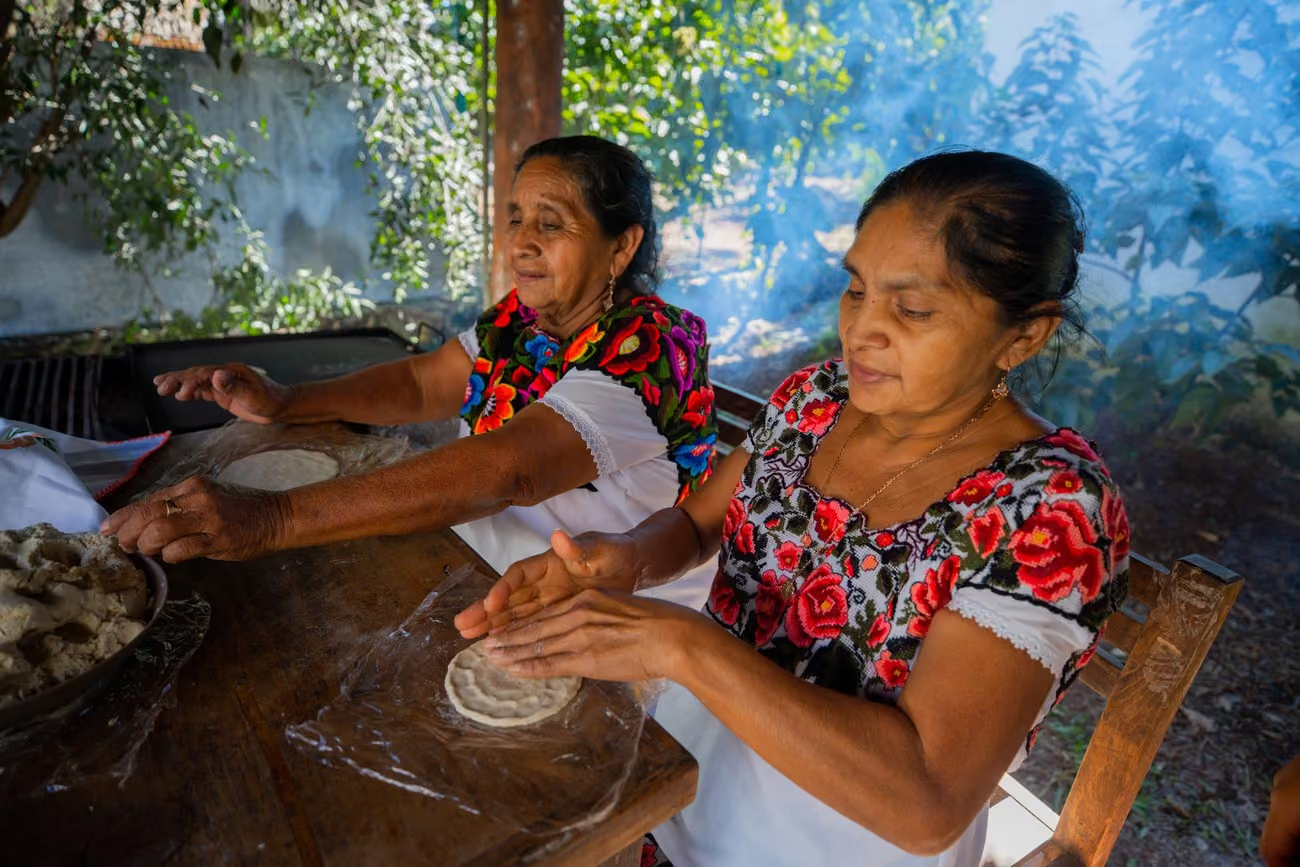
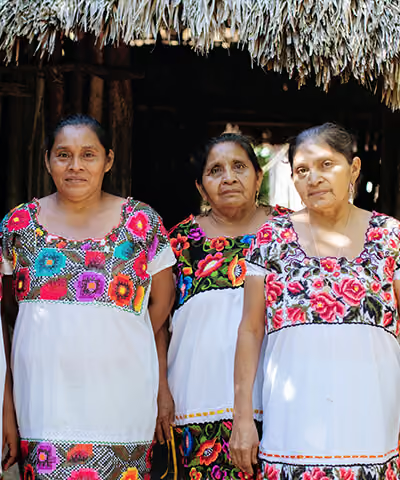
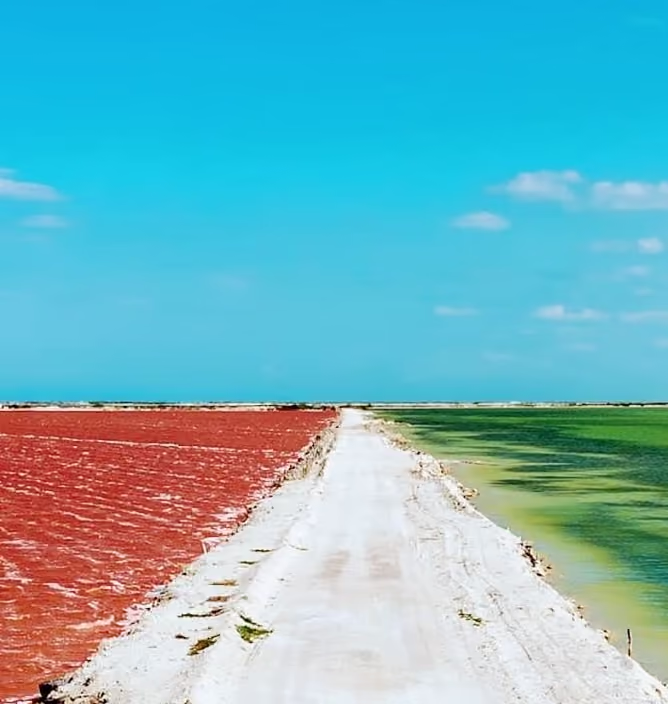
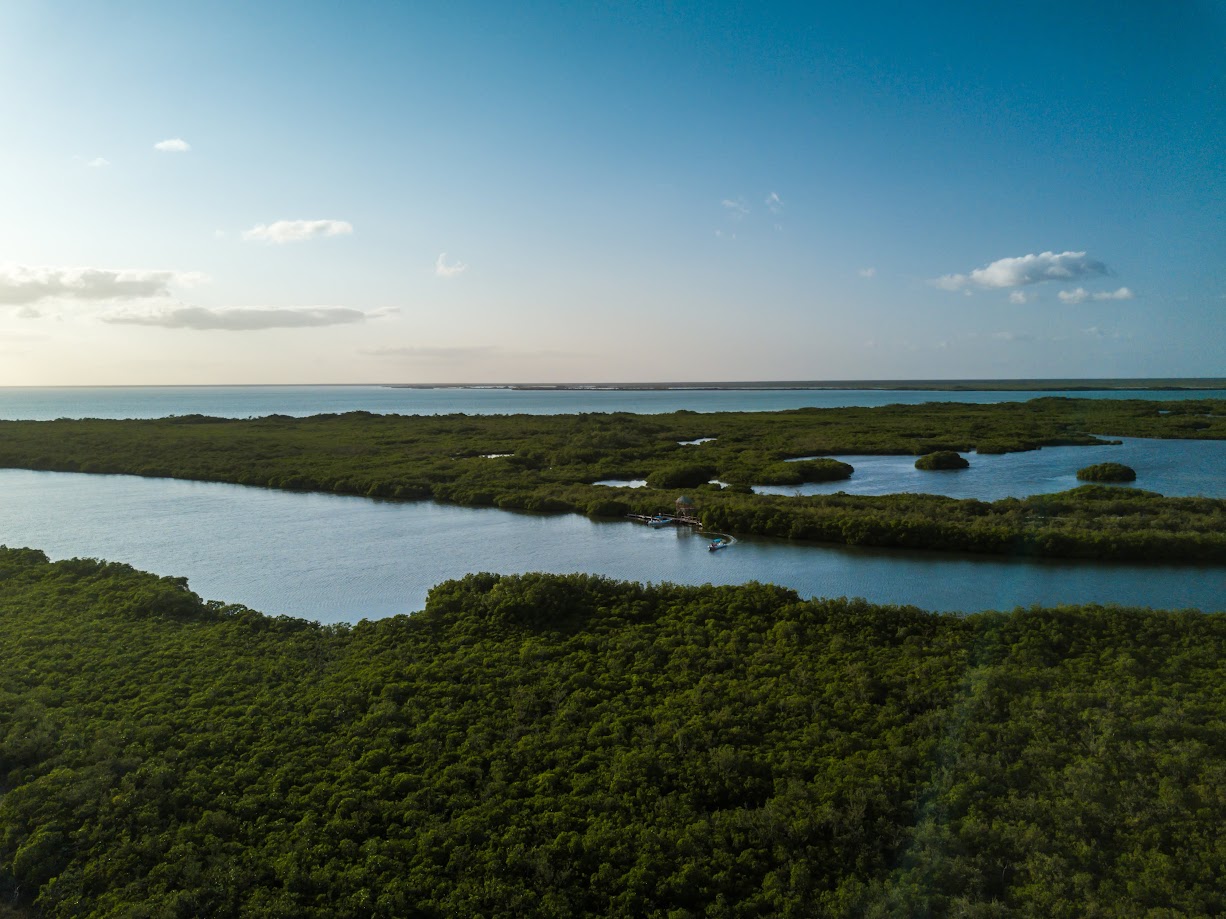
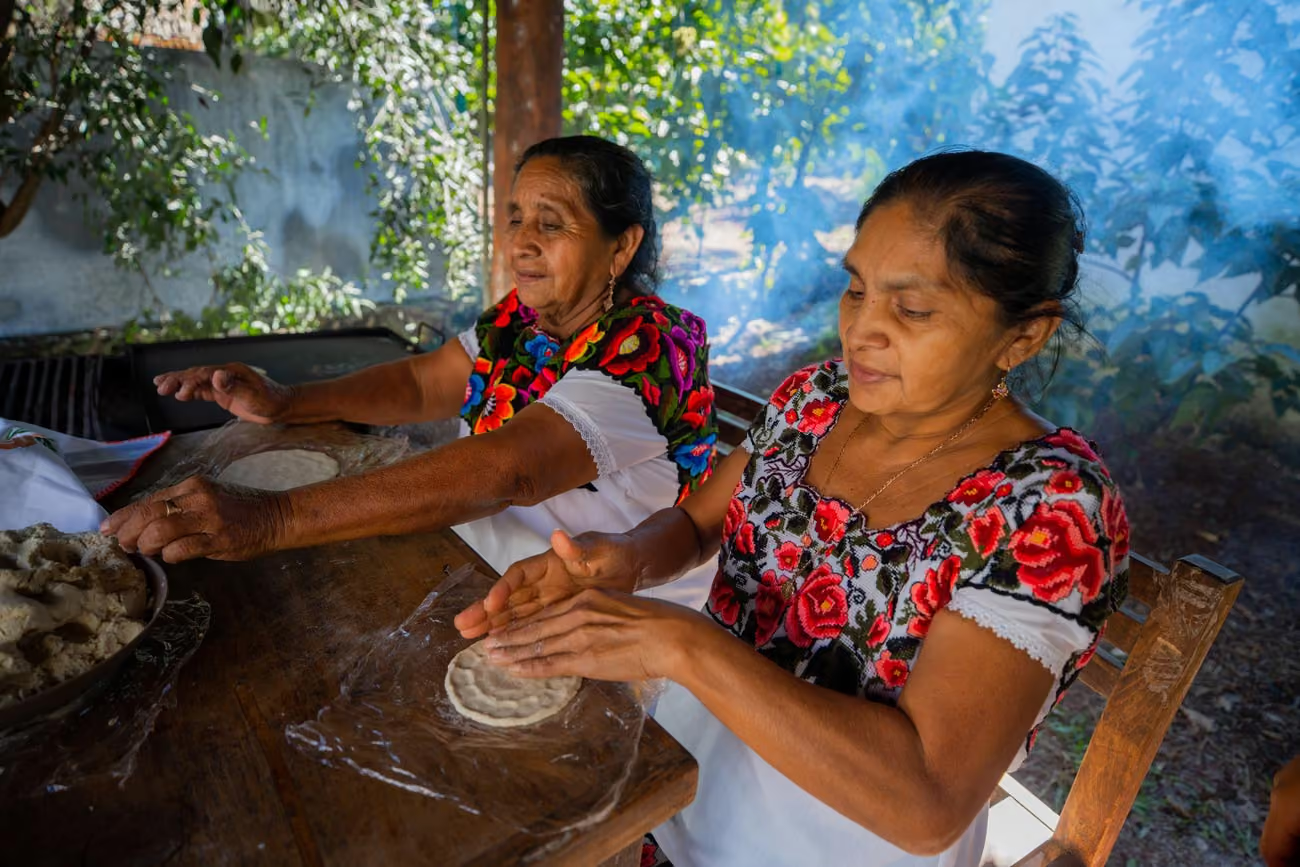
On the coast, Celestún and Río Lagartos protect flamingo colonies and migratory birds inside their own biosphere reserves, and at San Crisanto, a local cooperative leads salt-harvesting demonstrations and mangrove boat trips much as their families have for generations. Nearby, Las Coloradas turns the water itself pink, a natural effect of salinity and microorganisms in its shallow salt-flat lakes. Inland, a morning in the village of Yaxunah pairs a hands-on corn-planting lesson in a sacred milpa with a hammock-weaving workshop taught by the women who still make them by hand.
Yucatán pairs a colonial capital with some of the Maya world's most famous ruins, and a few community-run stops beyond them. Here's where to start.
Mérida's Historic Center and Paseo de Montejo. The state's colonial capital and natural base for exploring Yucatán, known for gastronomic tours and one of Mexico's largest Carnaval celebrations.
Chichén Itzá and the Puuc Route. A New Seven Wonders archaeological site famous for El Castillo pyramid, with Uxmal and the Puuc Route nearby for a quieter follow-up.
Valladolid and Cenote Yokdzonot. A walkable colonial town surrounded by swimmable cenotes, including Cenote Yokdzonot, restored and run by a women's cooperative from the village nearby.
Celestún, Sinanché, and Las Coloradas. A flamingo-filled biosphere reserve on the Gulf coast, near a native-bee beekeeping project in Sinanché and the naturally pink salt-flat lakes of Las Coloradas.

Il modo più semplice per raggiungere lo Yucatán è in aereo. L'Aeroporto Internazionale Manuel Crescencio Rejón di Mérida gestisce voli nazionali e internazionali, compresi collegamenti provenienti da diverse città degli Stati Uniti.
Nello Yucatán c'è sempre qualcosa di interessante da fare, in qualsiasi mese dell'anno.
Prima di partire per una vacanza in Messico, molti turisti si pongono la stessa domanda: è sicuro viaggiare nel Paese? La risposta è sì: è possibile visitare la maggior parte degli stati senza particolari problemi e lo Yucatán non fa eccezione. Questa regione vive anche di turismo e la popolazione locale farà il possibile per farti vivere la migliore esperienza. Come in qualsiasi altro luogo, è comunque consigliabile adottare alcune precauzioni.
Di seguito, presentiamo un elenco di itinerari nello Yucatán creati dagli agenti di viaggio di Rutopía:
Un'avventura di 10 giorni nello Yucatán e nel Quintana Roo alla scoperta di antiche rovine maya, cenote cristallini, città vivaci e riserve naturali mozzafiato.
Un viaggio indimenticabile nella penisola dello Yucatán alla scoperta di antiche rovine, cenote spettacolari, cultura locale vivace e splendidi paesaggi naturali.
Un viaggio a piedi nel centro storico di Valladolid, un'avventura nella giungla maya a Yalcobá e alla scoperta dei misteri di Ek Balam e Cobá.

Scopri Chichén Itzá, esplora Ek Balam e il cenote X'canché, avventurati nella Riserva della Biosfera di Muyil Sian Ka'an e fai snorkeling con le tartarughe marine ad Akumal.
Scopri la magia di Mérida in 5 giorni. Dai fenicotteri di Celestún alle avventure nei cenote fino a Chichén Itzá: concediti un viaggio indimenticabile.
Esplora Ek Balam e fai il bagno nei cenote. Visita Chichén Itzá, una meraviglia maya. Partecipa al laboratorio di tessitura di amache a Yaxunah. Un'avventura unica tra natura e cultura.
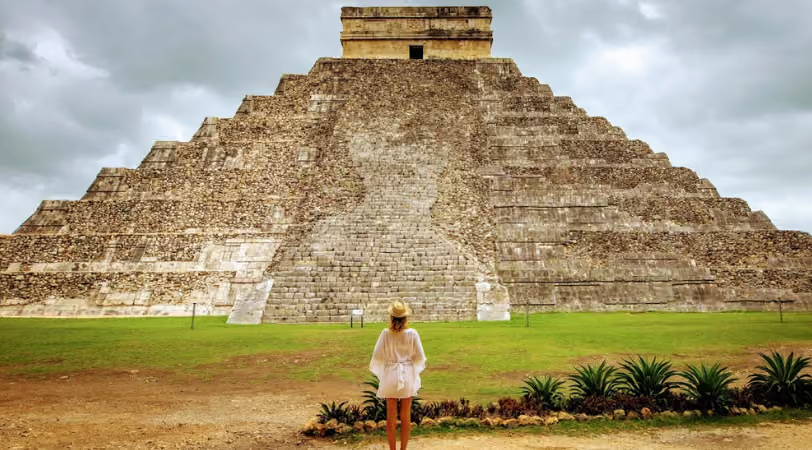
Esplora i siti archeologici di Chichén Itzá e Uxmal, visita Calakmul, Patrimonio UNESCO, e rilassati a Bacalar e Tulum.
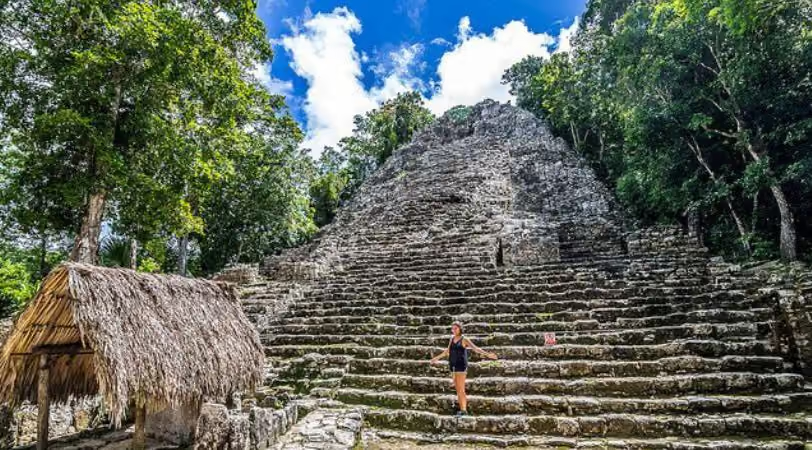
Esplora le meraviglie di Ek Balam, naviga sulla laguna di Bacalar, scopri Muyil a Sian Ka'an e passeggia tra le affascinanti strade di Valladolid con questo itinerario.
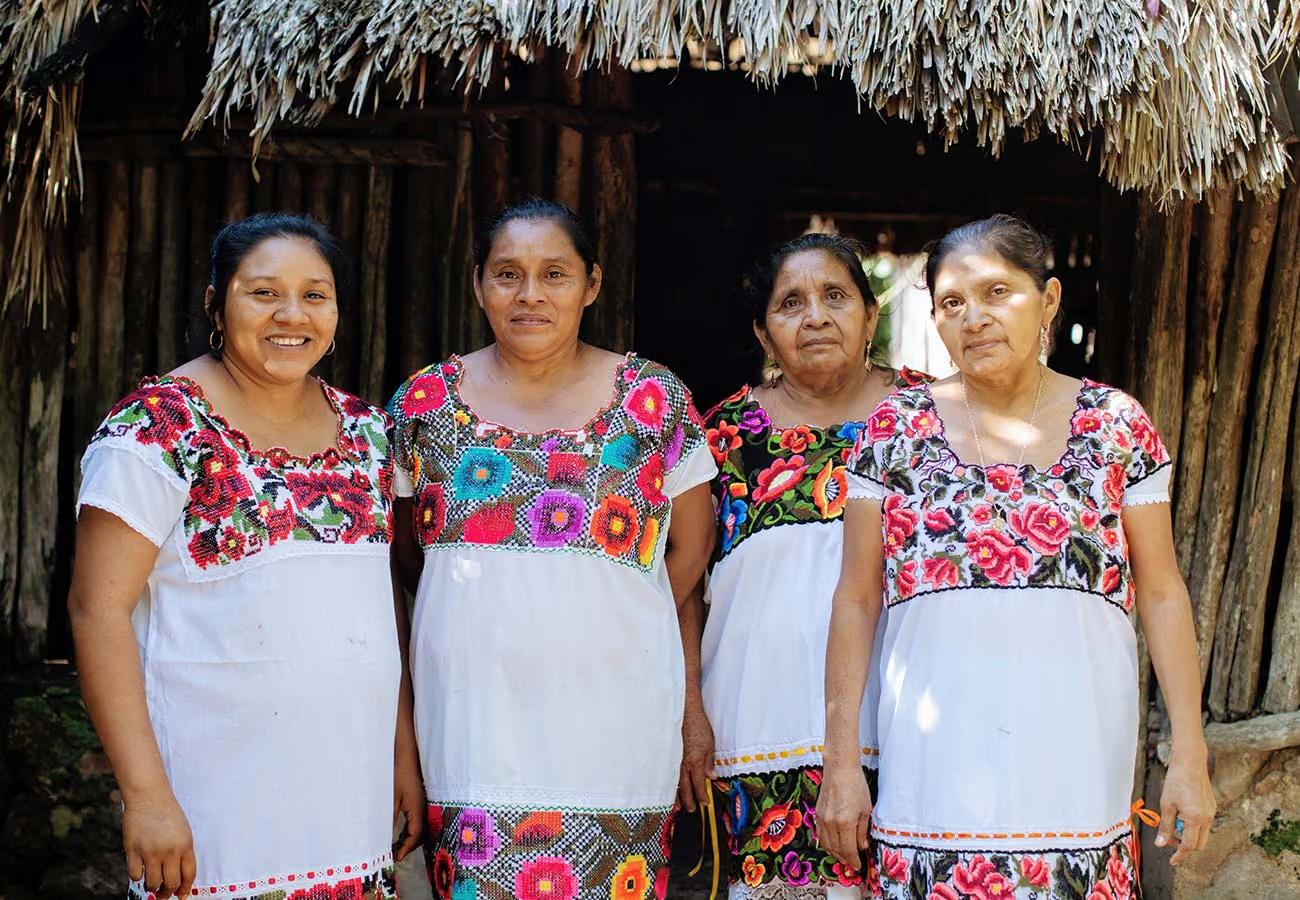
Scopri le meraviglie del Messico: Teotihuacán, il santuario della farfalla monarca, le rovine di Oaxaca, Chichén Itzá, Celestún, la Ruta Puuc, Calakmul e le città maya del Chiapas.
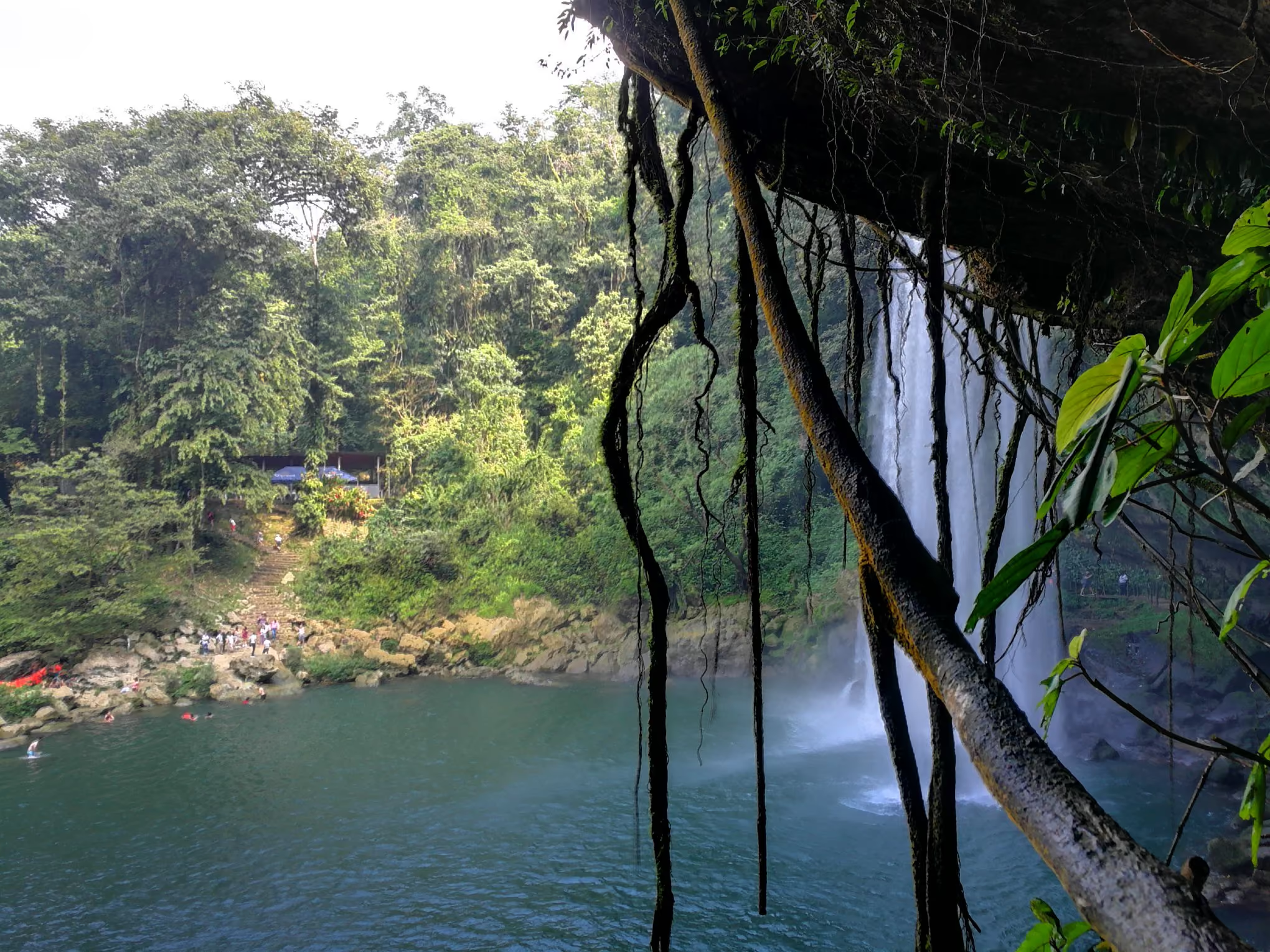
Scopri la ricca cultura, i paesaggi spettacolari e le antiche meraviglie del Chiapas e delle regioni vicine in un'avventura di 16 giorni.
Un'avventura di 10 giorni nello Yucatán e nel Quintana Roo alla scoperta di antiche rovine maya, cenote cristallini, città vivaci e riserve naturali mozzafiato.
Un viaggio indimenticabile nella penisola dello Yucatán alla scoperta di antiche rovine, cenote spettacolari, cultura locale vivace e splendidi paesaggi naturali.
Un viaggio a piedi nel centro storico di Valladolid, un'avventura nella giungla maya a Yalcobá e alla scoperta dei misteri di Ek Balam e Cobá.
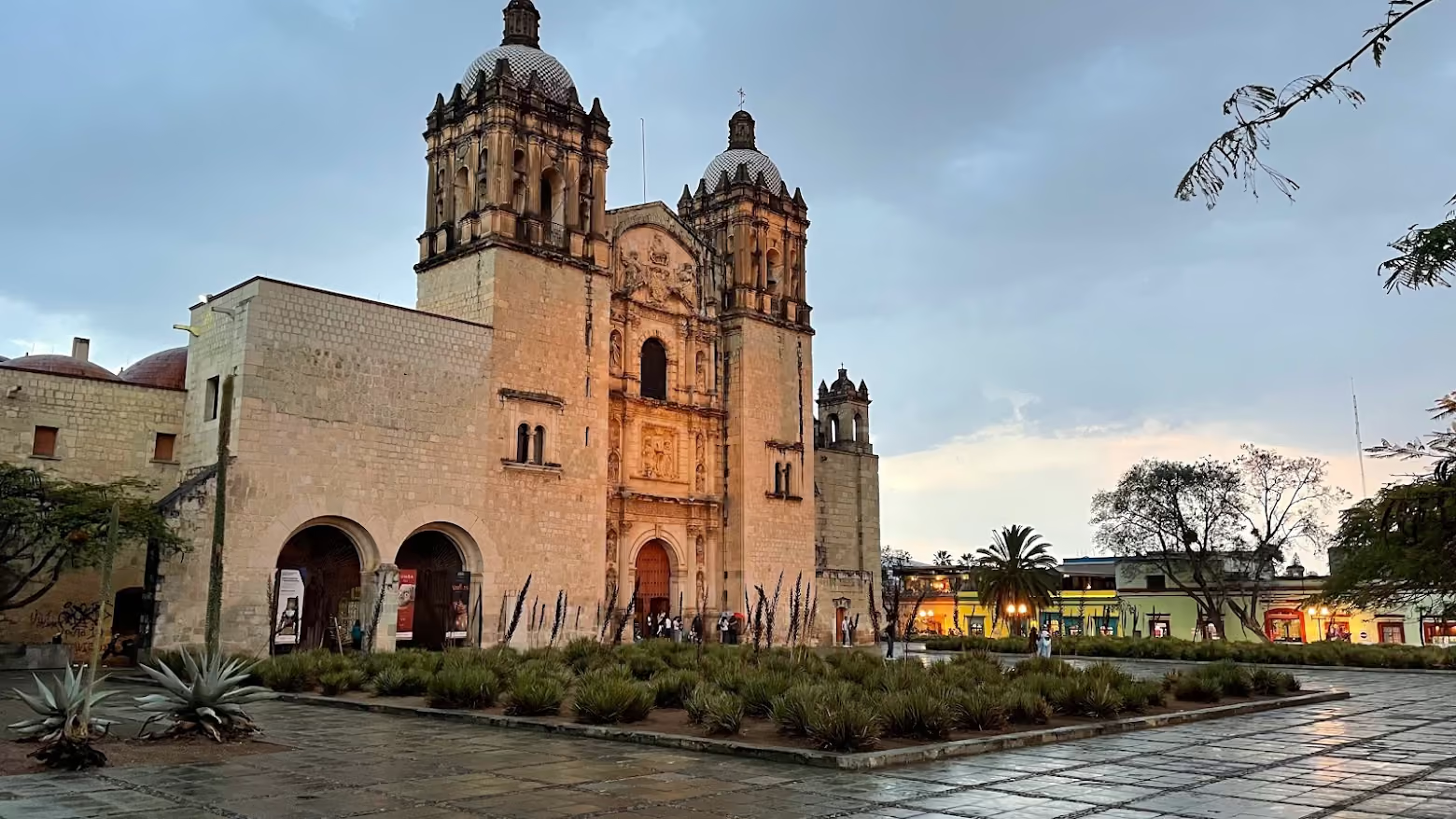
Scopri i sapori dei mercati di Oaxaca, libera le piccole tartarughe a La Escobilla e lasciati conquistare dalla bellezza di Manialtepec in un viaggio indimenticabile.
Scopri Chichén Itzá, esplora Ek Balam e il cenote X'canché, avventurati nella Riserva della Biosfera di Muyil Sian Ka'an e fai snorkeling con le tartarughe marine ad Akumal.
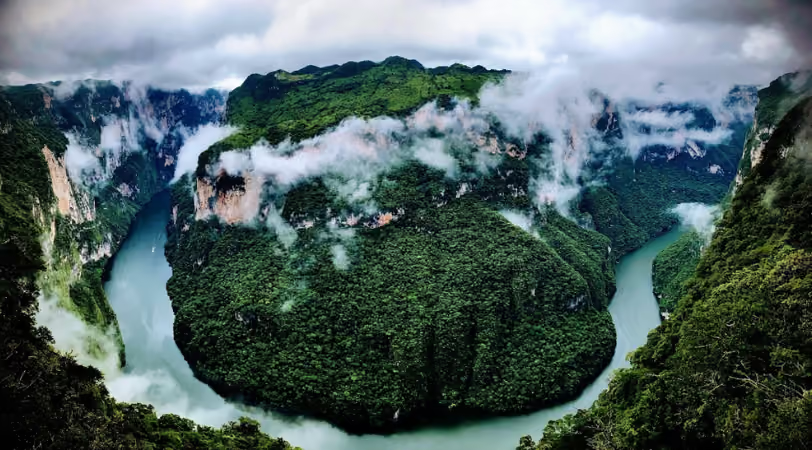
Esplora il Canyon del Sumidero e Chiapa de Corzo, lasciati incantare dalle cascate di Agua Azul e Misol-Ha, visita Palenque e scopri Yaxchilán e Bonampak.
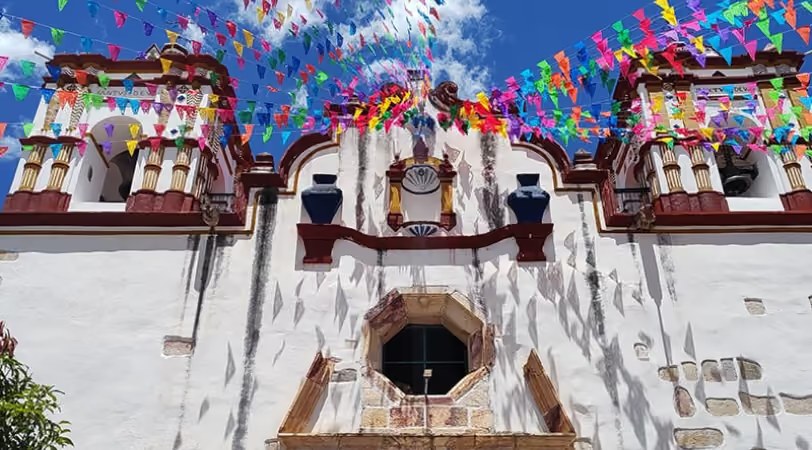
Scopri l'essenza di Oaxaca con un laboratorio di cucina rurale, visite storiche, l'artigianato di Teotitlán, le foreste di nebbia e un'avventura tra cascate magiche.
Scopri la magia di Mérida in 5 giorni. Dai fenicotteri di Celestún alle avventure nei cenote fino a Chichén Itzá: concediti un viaggio indimenticabile.
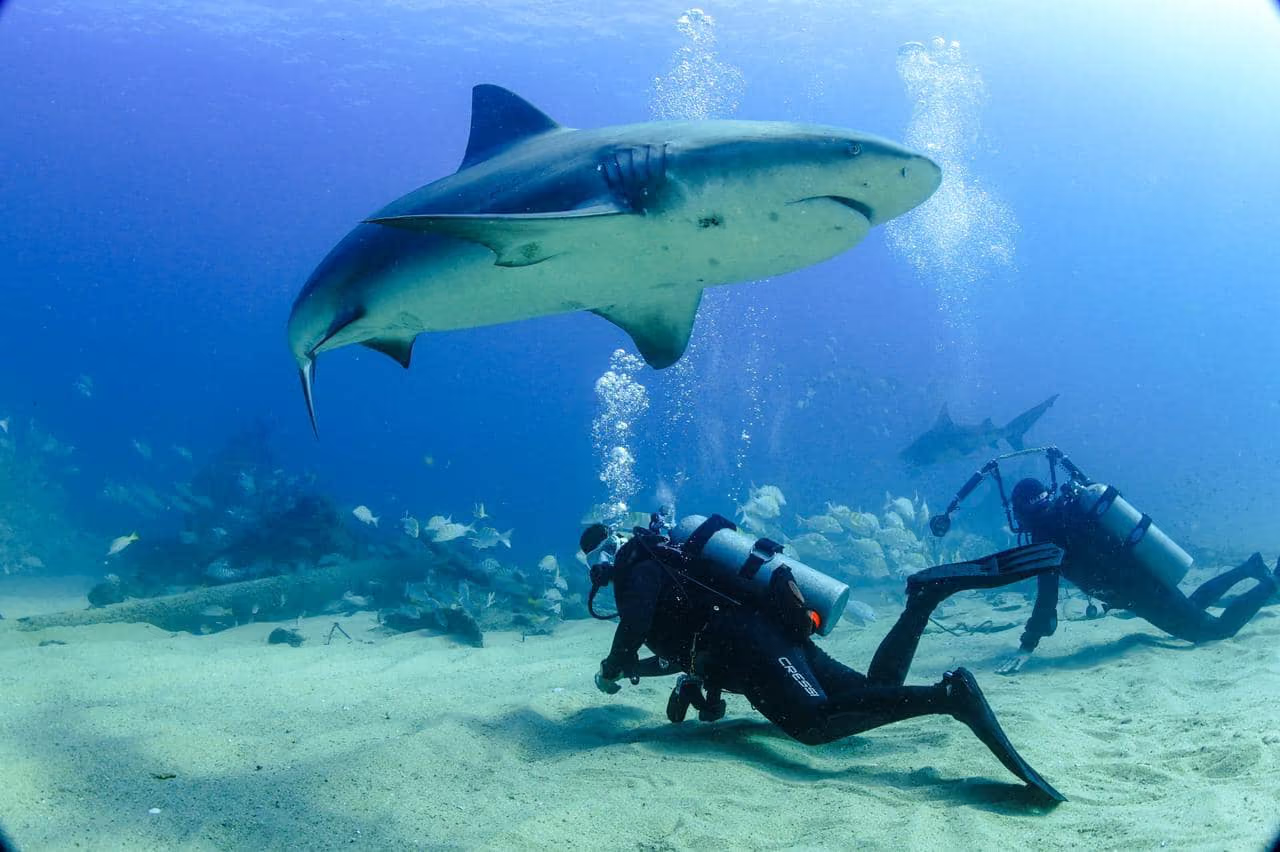
Parti per un viaggio mozzafiato alla scoperta di Balandra, San Rafaelito, del Parco Nazionale di Cabo Pulmo e del celebre Arco di Los Cabos, in soli 7 giorni
Esplora Ek Balam e fai il bagno nei cenote. Visita Chichén Itzá, una meraviglia maya. Partecipa al laboratorio di tessitura di amache a Yaxunah. Un'avventura unica tra natura e cultura.

Parti per un viaggio di 13 giorni in Messico tra piramidi antiche, street art vivace e ricche tradizioni culturali, assaporando i migliori sapori locali, dai mercati animati ai vigneti più rinomati.
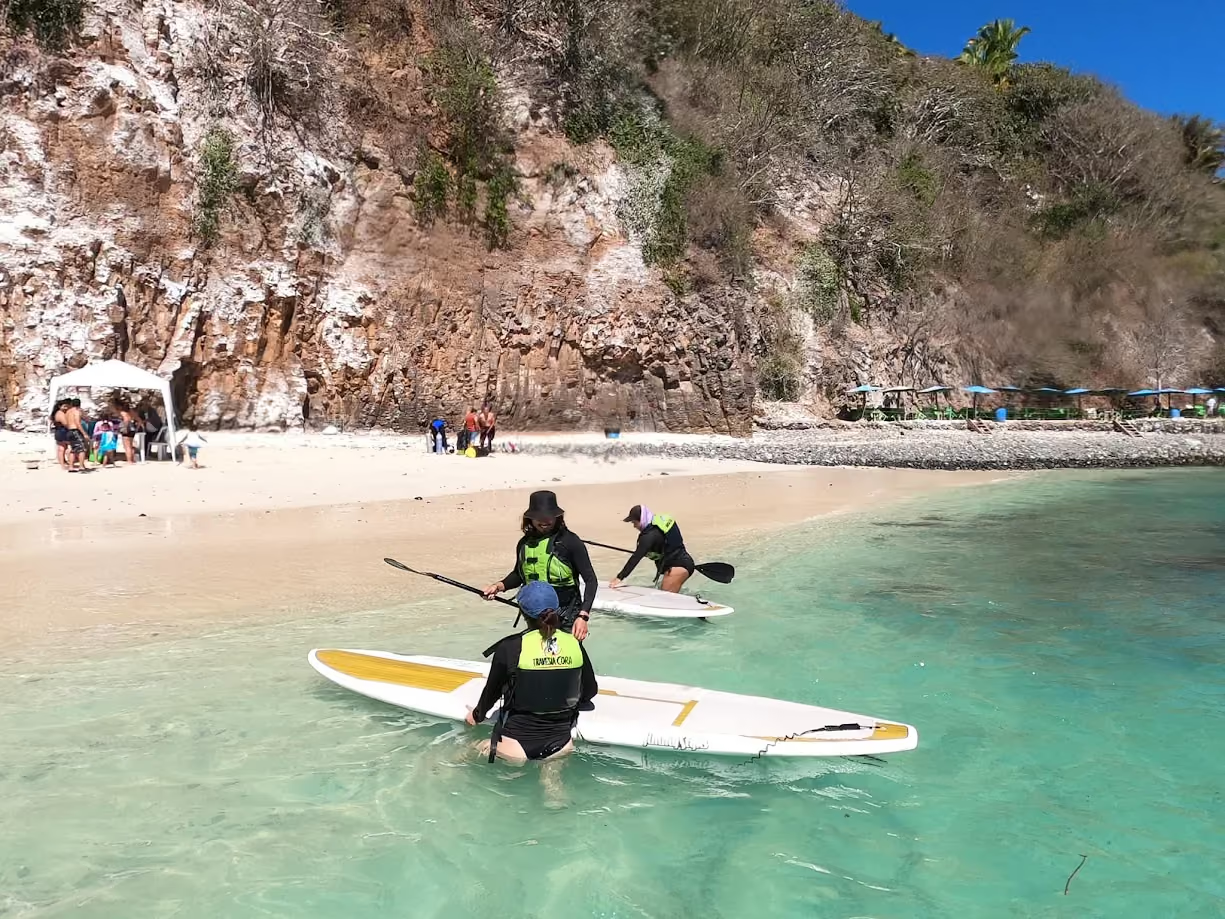
Vivi l'avventura sull'isola di Espíritu Santo, lasciati emozionare dalle dune del Mogote, esplora Balandra e San Rafaelito e rilassati alle sorgenti termali del Cañón de la Zorra.
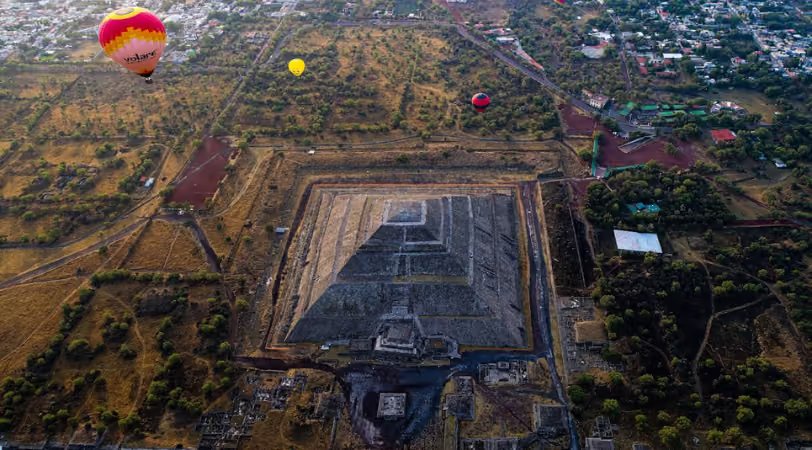
Vivi la Lucha Libre, sorvola Teotihuacán in mongolfiera, esplora l'inframondo maya a Río Secreto e cerca l'avventura nella giungla di Tulum.
Esplora i siti archeologici di Chichén Itzá e Uxmal, visita Calakmul, Patrimonio UNESCO, e rilassati a Bacalar e Tulum.

Safari nautico nelle lagune di Chacahua e lezione di surf a Puerto Escondido. Scopri all'alba la biodiversità della laguna di Manialtepec in kayak e parti per l'avvistamento delle balene.
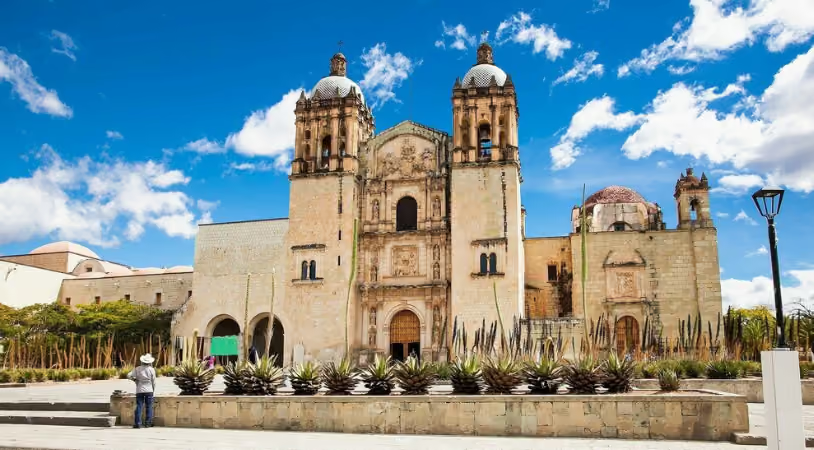
Esplora i vivaci mercati di Oaxaca, scopri la Valle de Tlacolula, immergiti nella storia di Monte Albán e assapora la cucina rurale in questo itinerario di 6 giorni.
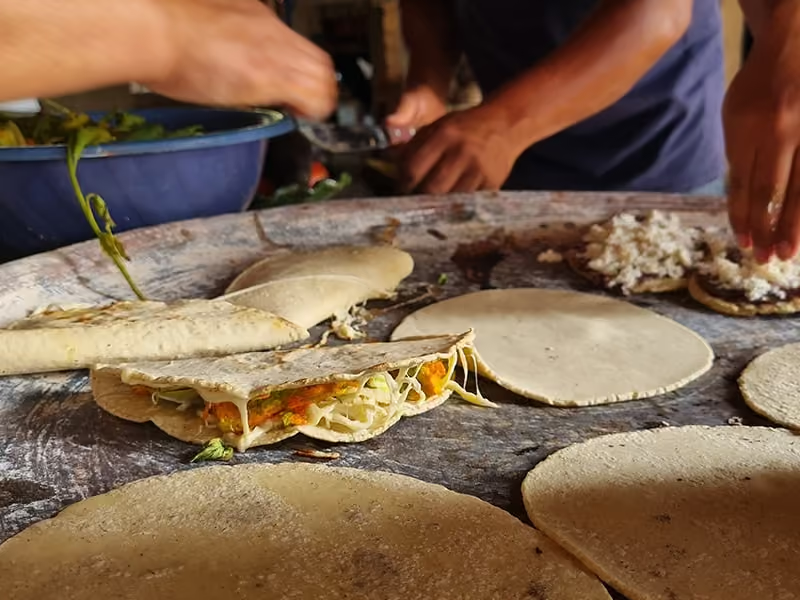
Scopri la storia di Città del Messico, assaggia lo street food, visita la Casa Azul, pedala a Teotihuacán e goditi Puebla, Cholula e i mercati gastronomici di Oaxaca.
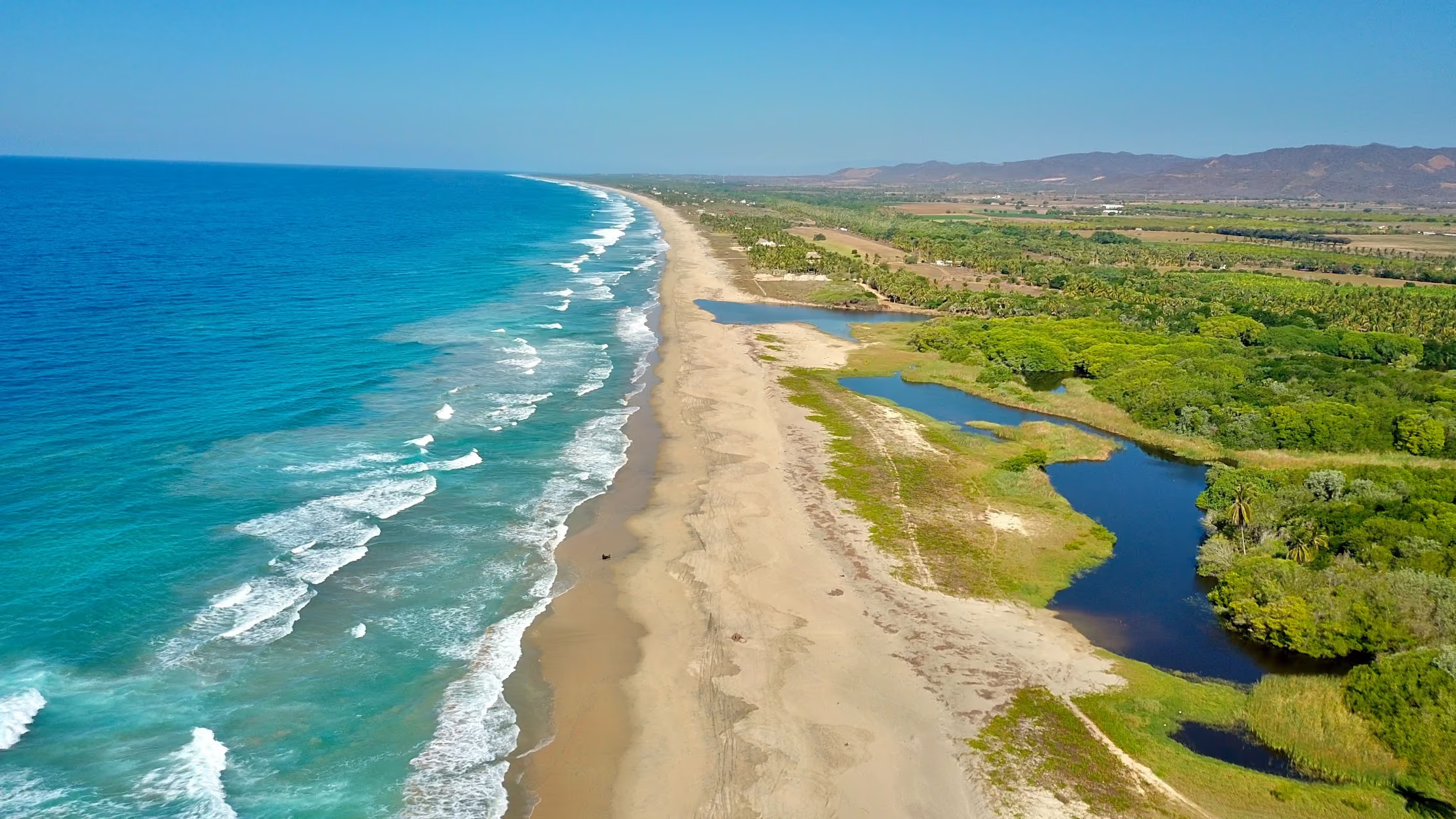
Parti per un viaggio tra la bellezza della costa di Oaxaca, le sue ricche tradizioni e avventure emozionanti all'aria aperta.
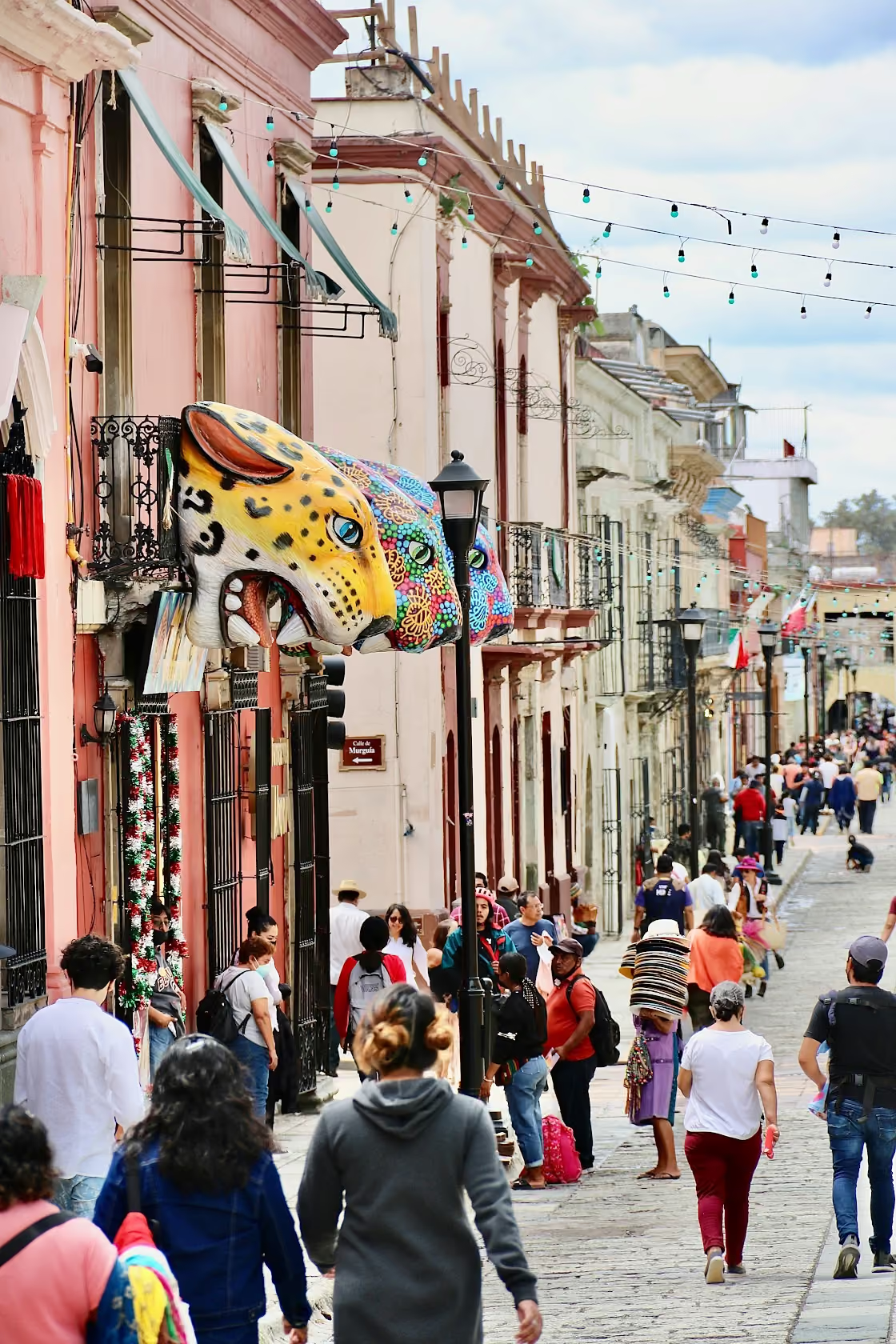
Scopri il ricco patrimonio culturale di Oaxaca, le sue delizie gastronomiche e i suoi paesaggi mozzafiato in un viaggio che ti farà vivere la regione da vicino.
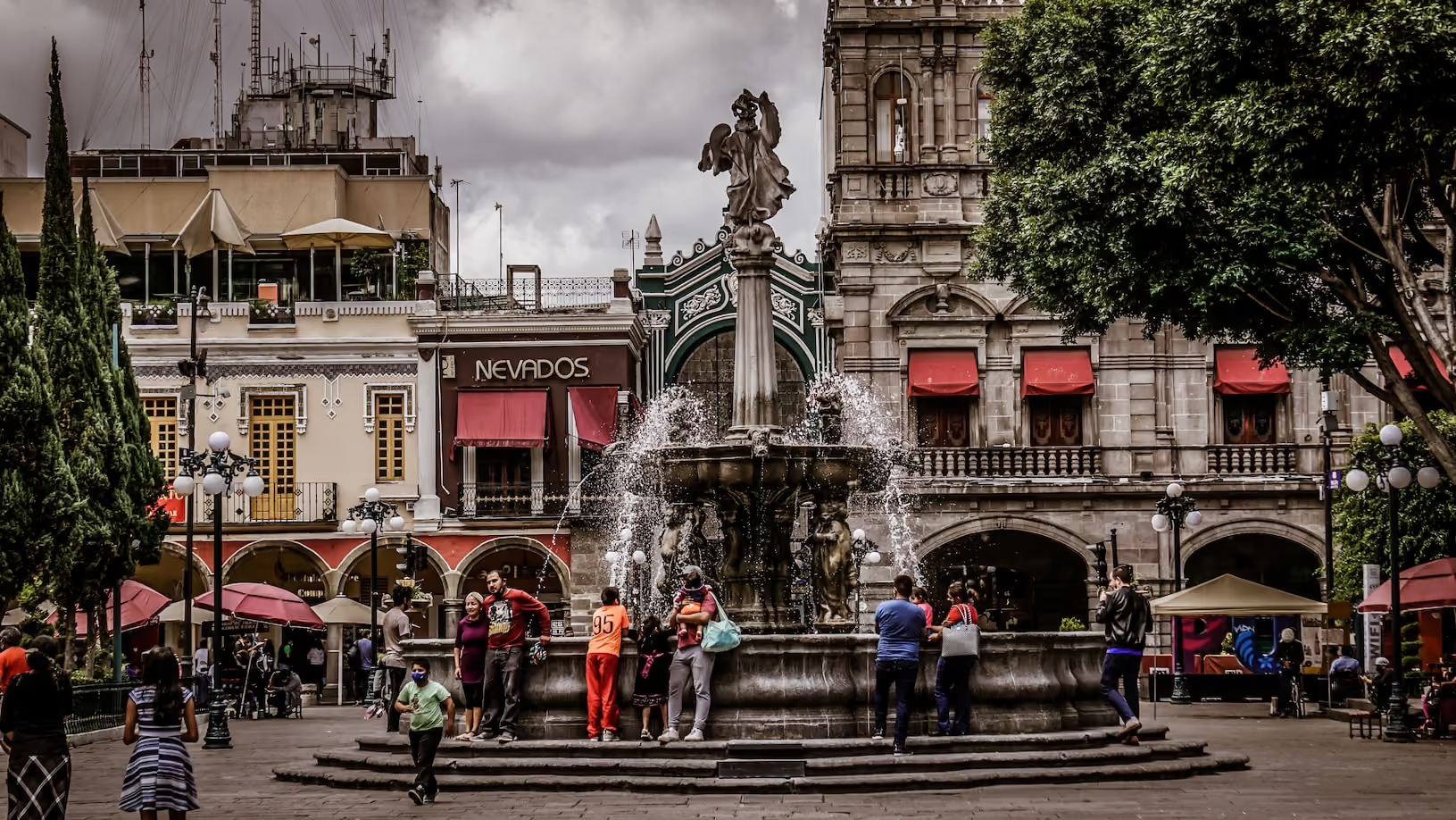
Un viaggio di 8 giorni tra Città del Messico, Puebla e Oaxaca, alla scoperta di luoghi storici, street art vivace, un ricco patrimonio culturale e paesaggi naturali mozzafiato.
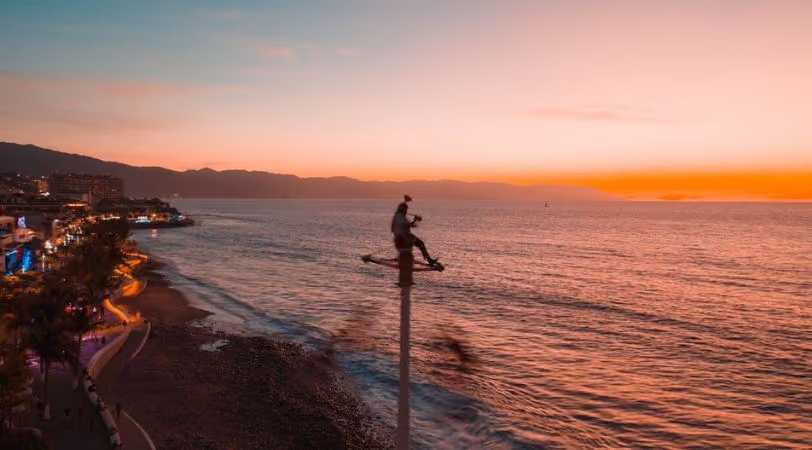
Scopri i tesori di questo itinerario: incontra i delfini in libertà, fai snorkeling nel Parco Nazionale Los Arcos, partecipa a un city tour e goditi le degustazioni di tequila.
Esplora le meraviglie di Ek Balam, naviga sulla laguna di Bacalar, scopri Muyil a Sian Ka'an e passeggia tra le affascinanti strade di Valladolid con questo itinerario.
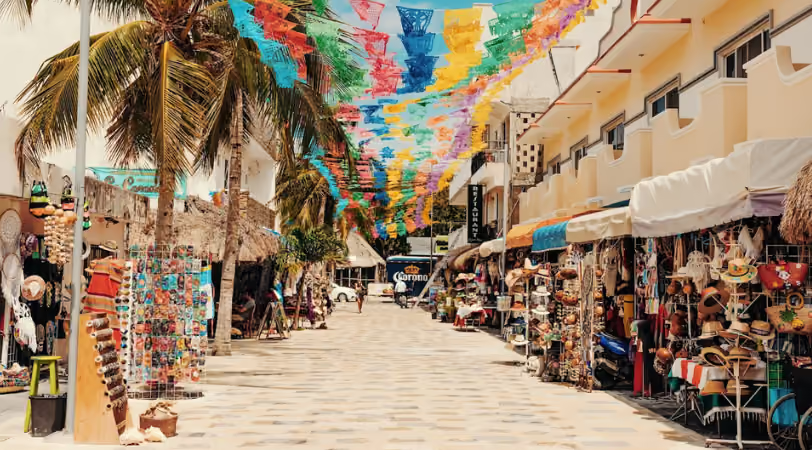
Esplora l'inframondo maya di Río Secreto, visita Punta Laguna, attraversa in bici le rovine di Cobá e scopri Muyil nella Riserva della Biosfera di Sian Ka’an.
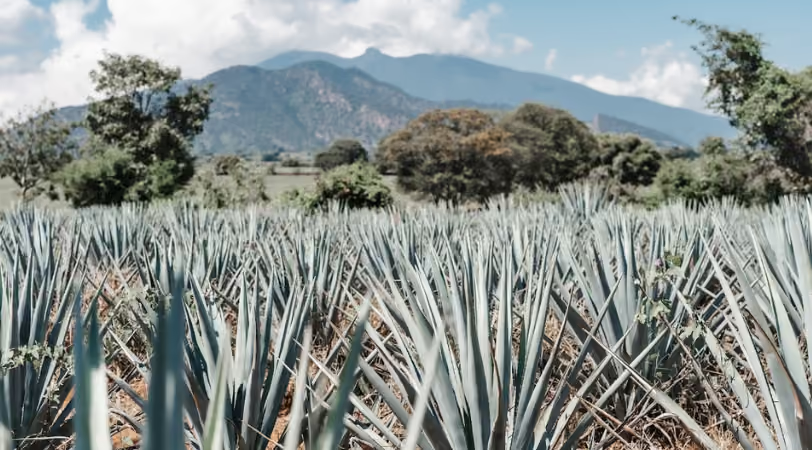
Percorri la Ruta del Tequila tra i paesaggi dell'agave, esplora Tlaquepaque e scopri la storia di Guadalajara attraverso i suoi affascinanti musei.
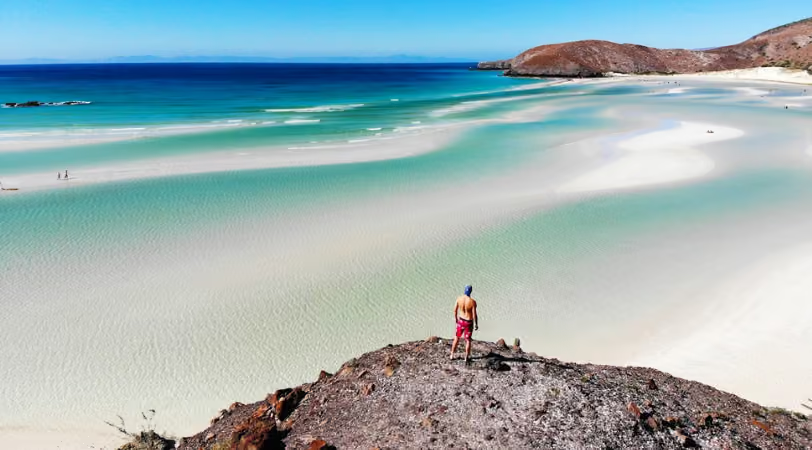
Ammira l'Arco di Cabo da una barca trasparente, emozionati avvistando le balene a Cabo Pulmo, vivi l'avventura sull'isola di Espíritu Santo e goditi una giornata rilassante a La Paz.
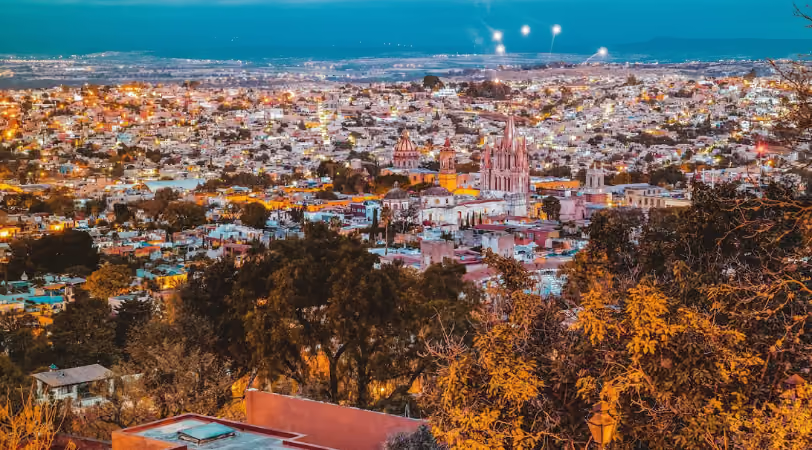
Naviga tra i canali di Xochimilco, scopri Teotihuacán, passeggia nella storica Guanajuato e partecipa a una degustazione di vini al vigneto San Lucas.
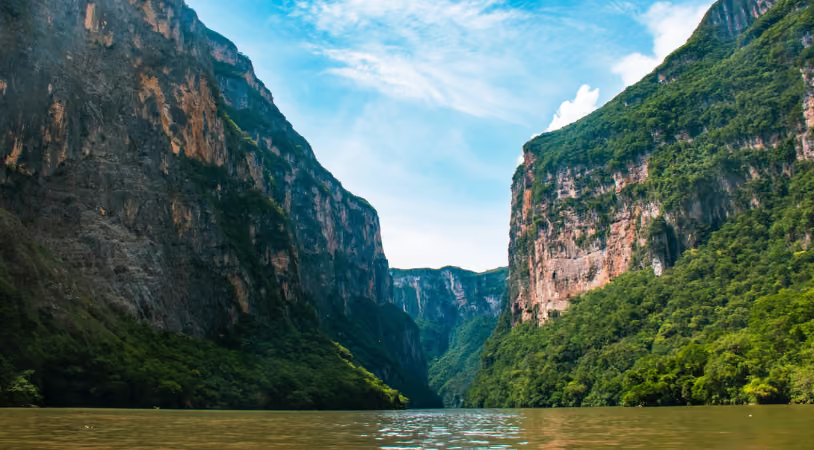
Esplora San Cristóbal de las Casas, ammira la maestosità delle tre cascate di Las Tzimoleras, vivi l'esperienza del caffè di montagna a Tziscao e rientra a San Cristóbal de las Casas.
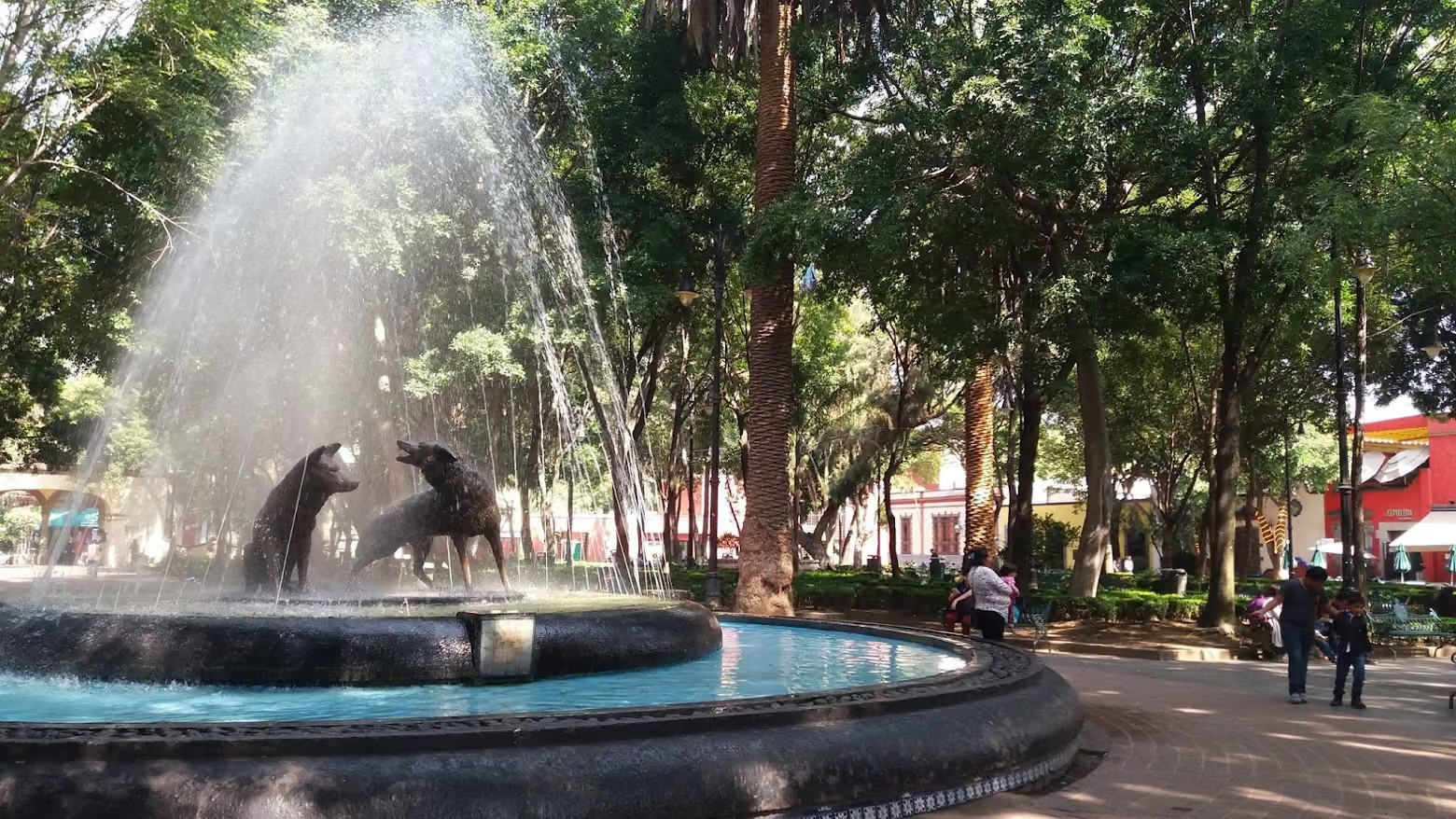
Esplora la Città del Messico storica: visita la Basilica di Santa María di Guadalupe, il Museo del Templo Mayor, il Museo Diego Rivera, Xochimilco, Coyoacán, San Ángel e molto altro.
Scopri le meraviglie del Messico: Teotihuacán, il santuario della farfalla monarca, le rovine di Oaxaca, Chichén Itzá, Celestún, la Ruta Puuc, Calakmul e le città maya del Chiapas.
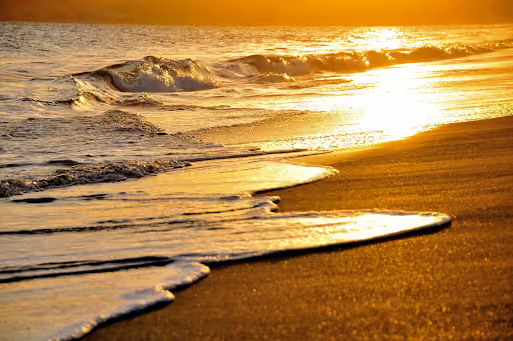
Avventure tra le isole, giornate tranquille in spiaggia e una vita marina ricchissima: il mix perfetto di emozioni e relax.
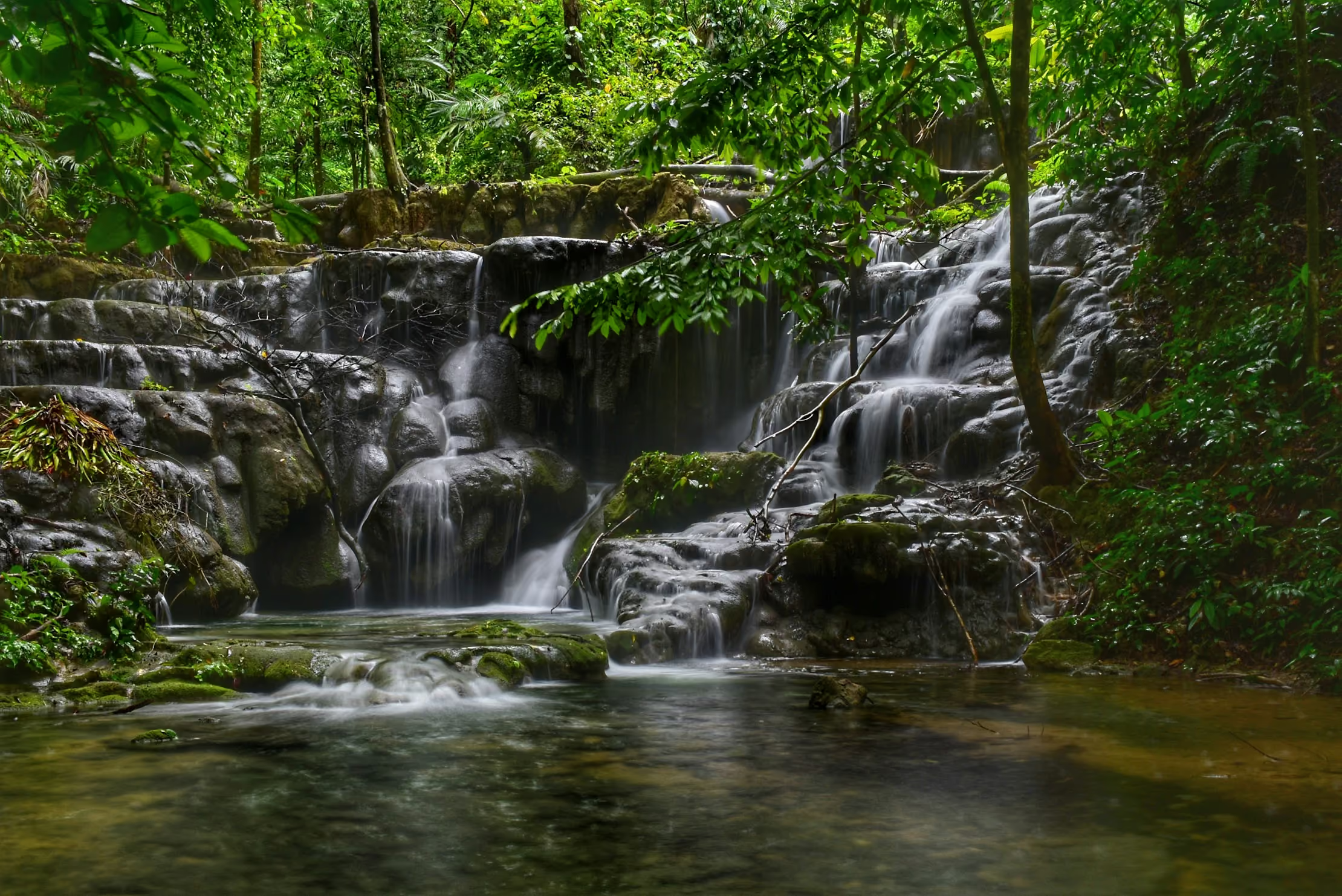
Parti per un viaggio straordinario in Chiapas, tra canyon spettacolari, villaggi indigeni, cascate meravigliose e antiche città maya.
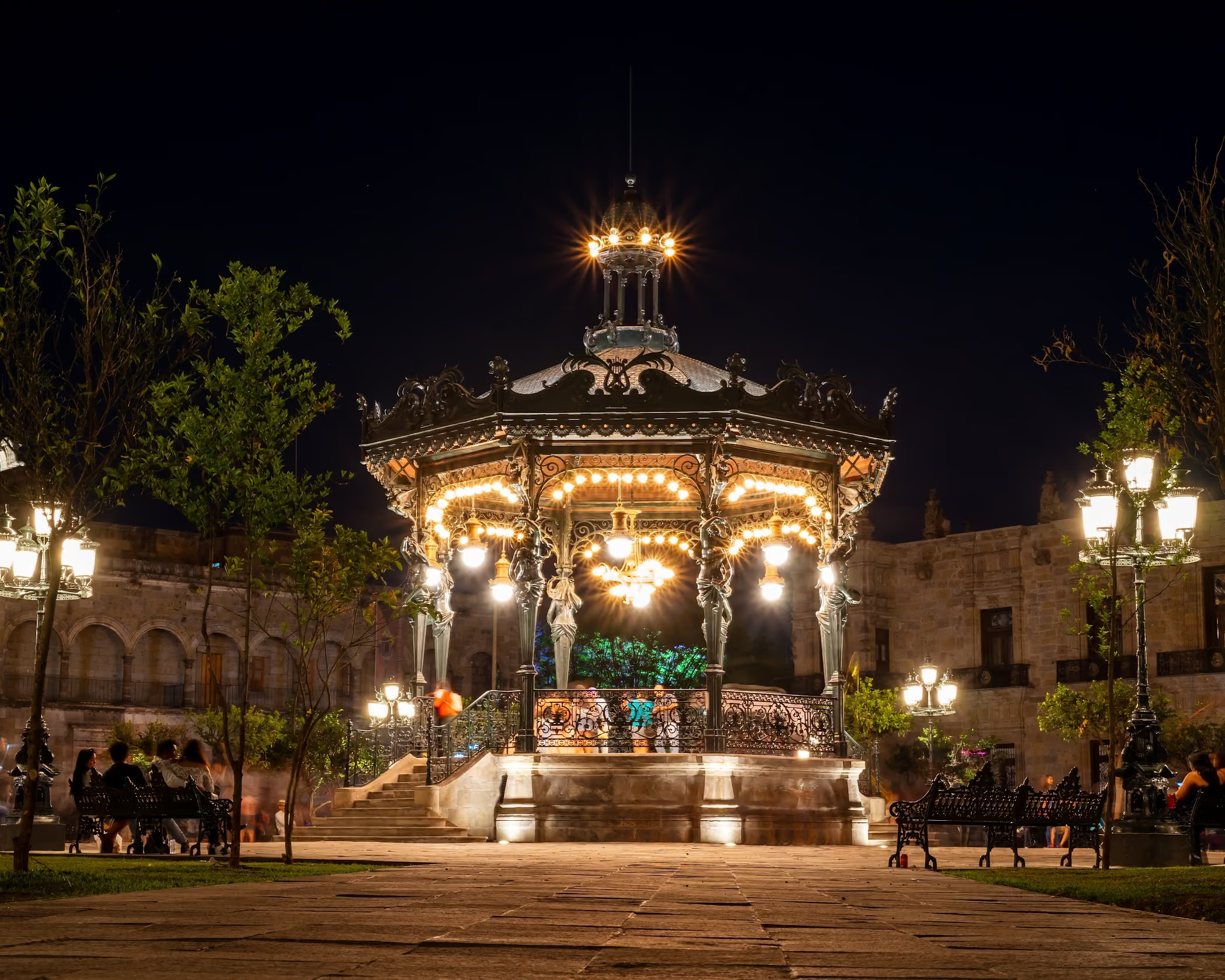
Scopri il mix perfetto tra cultura e relax sulla costa in questo viaggio di una settimana.
Scopri la ricca cultura, i paesaggi spettacolari e le antiche meraviglie del Chiapas e delle regioni vicine in un'avventura di 16 giorni.

Un viaggio di 10 giorni tra Città del Messico e Oaxaca, tra patrimonio culturale, luoghi storici, mercati vivaci e ottima cucina locale.
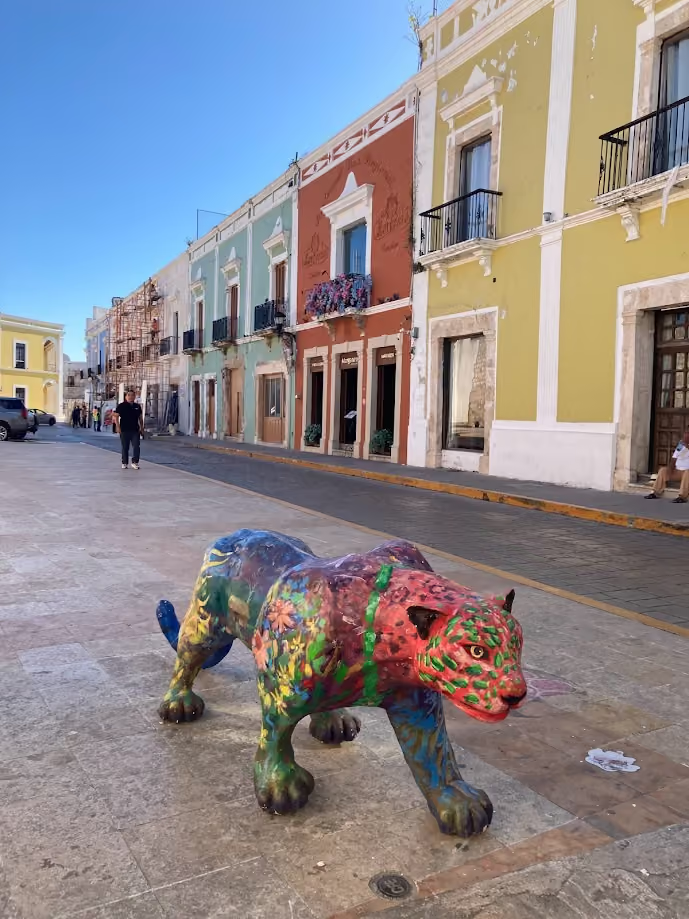
Immergiti nella città fortificata di Campeche, svela i misteri delle rovine di Calakmul e scopri i cenote nascosti di Miguel Colorado.
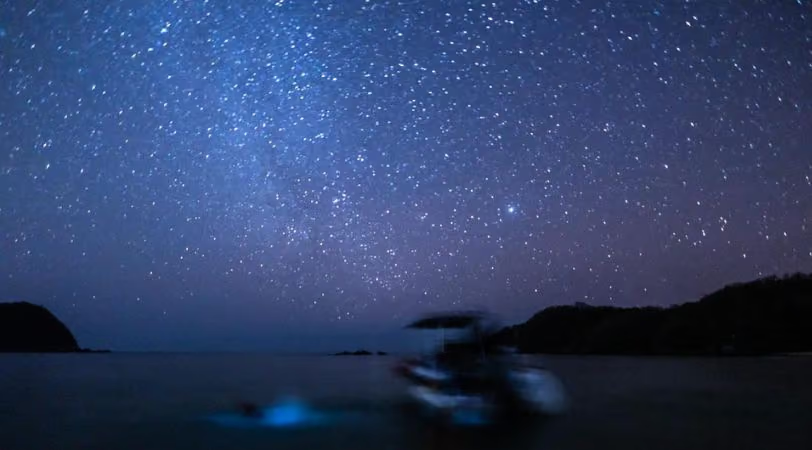
Lasciati conquistare dal fascino di Huatulco: un tour della città, snorkeling nelle acque turchesi di San Agustín e la tradizione rinfrescante del Nanixhe.
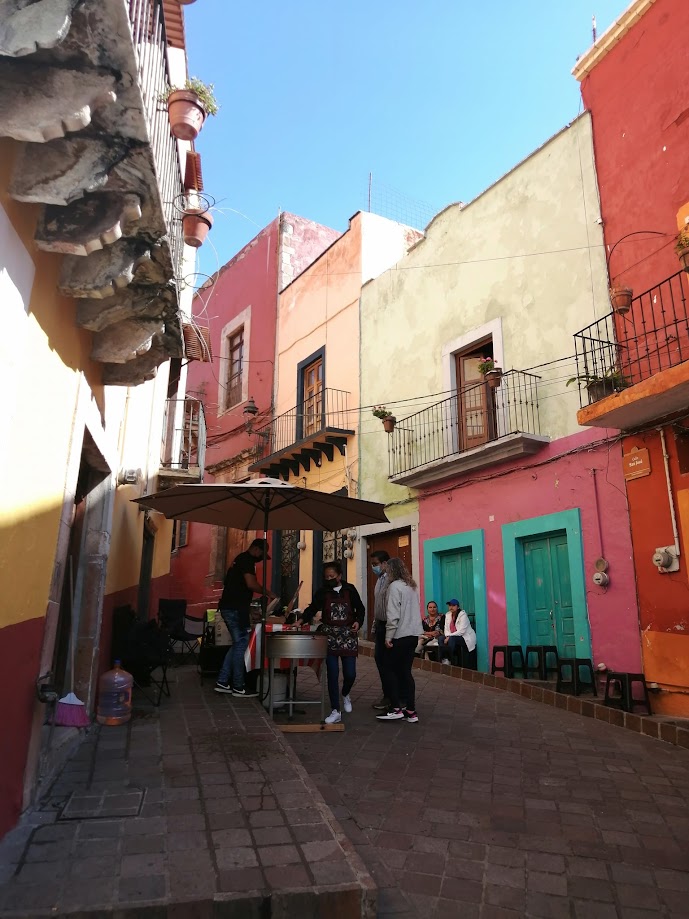
Scopri i tesori di Narvarte con un'esperienza privata, esplora i canali di Xochimilco e passeggia nel centro storico di San Miguel de Allende.
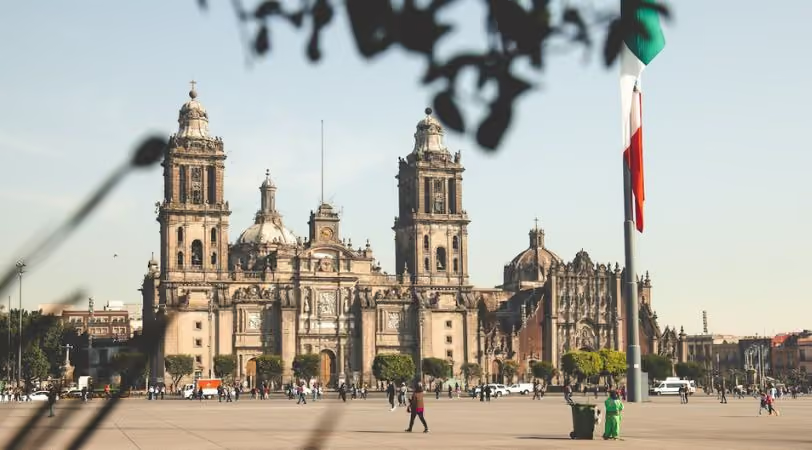
Vivi la cultura del Messico al Museo Nazionale di Antropologia, pedala a Teotihuacán, scopri i tesori di Oaxaca e cammina in una foresta di cactus.
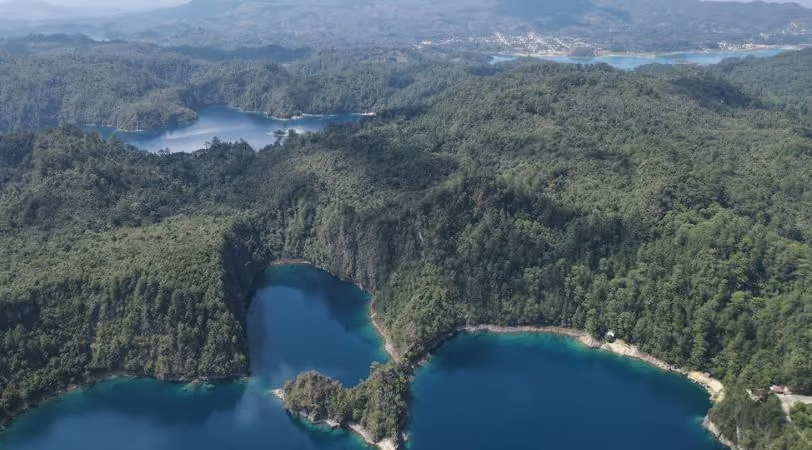
Immergiti nella cultura del Chiapas: San Juan Chamula, Zinacatán, il sito archeologico di Toniná e le rinfrescanti cascate di Misol-ha e Agua Azul.
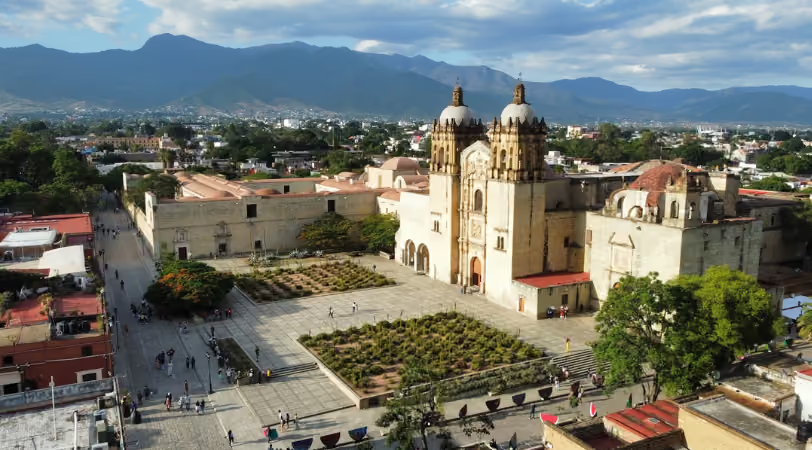
Parti per un viaggio gastronomico tra i mercati di Oaxaca, esplora Mitla, l'Árbol del Tule, una distilleria di mezcal e Monte Albán con un laboratorio di alebrijes.
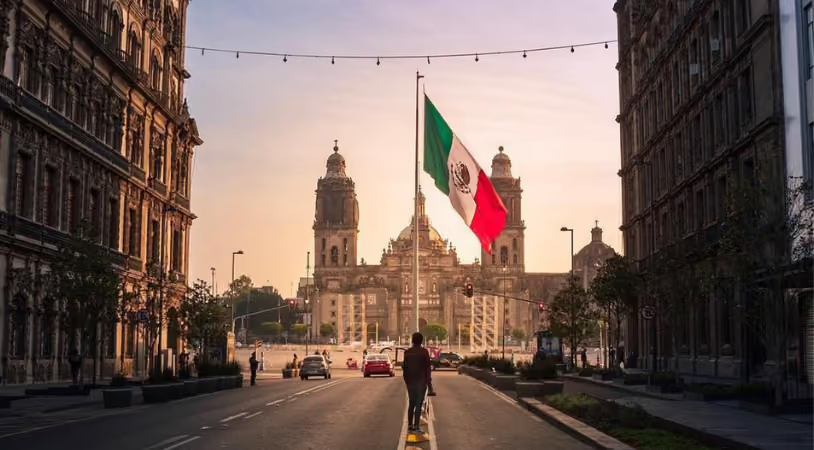
Scopri le chinampas di Xochimilco e la Casa Azul, esplora San Ángel, visita il Museo d'Arte Moderna, vivi la lucha libre con il mezcal e molto altro

Viaggiare nello Yucatán significa scoprire uno straordinario mix di spiagge incantevoli, cultura vivace, antiche rovine maya e meraviglie naturali uniche, come i cenote e le rigogliose foreste tropicali.
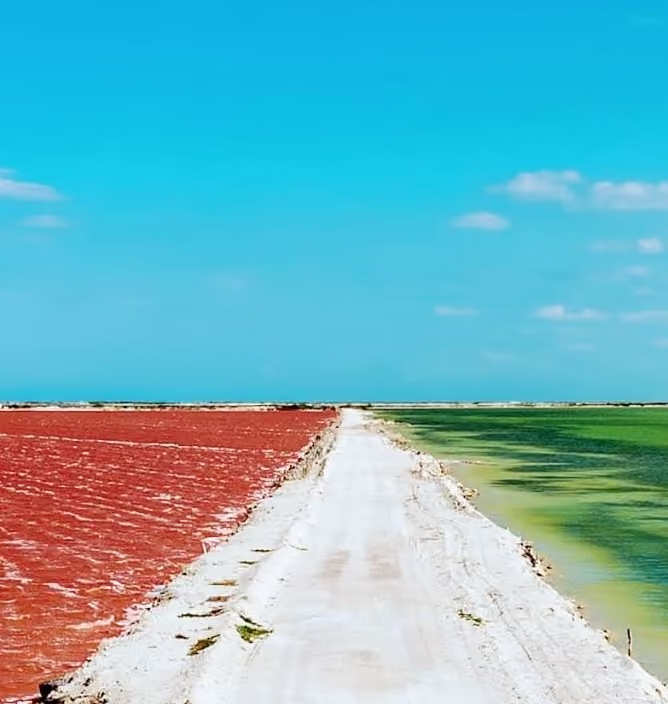
Non perdere l'occasione di visitare gli affascinanti laghi rosa di Las Coloradas, una delle attrazioni più sorprendenti del Messico, con le loro acque rosate, le distese bianche di sale e i cieli azzurri. Questa colorazione così particolare è dovuta all'elevata salinità delle saline e alla presenza di microrganismi, e regala un paesaggio meraviglioso capace di lasciare chiunque a bocca aperta.
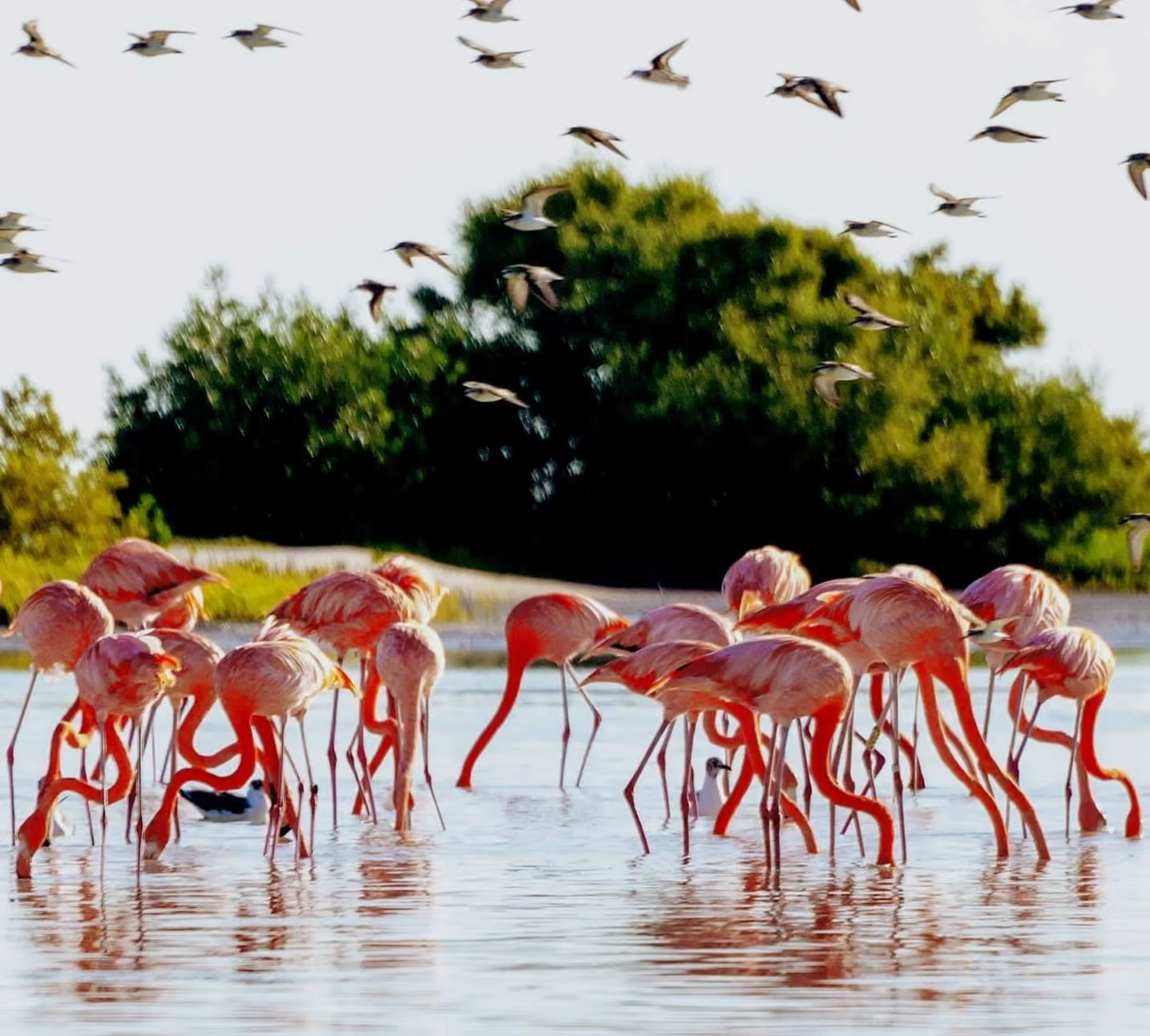
San Felipe è una piccola comunità di pescatori, nota anche come "isola degli uccelli", perché ospita una delle popolazioni aviarie più diversificate della regione, tra cui colibrì e molte altre specie che ti lasceranno sicuramente a bocca aperta.
Inoltre, offre accesso ai corsi d'acqua della Riserva della Biosfera di Ría Lagartos, dove è possibile partecipare a escursioni guidate o semplicemente rilassarsi immersi nella natura.
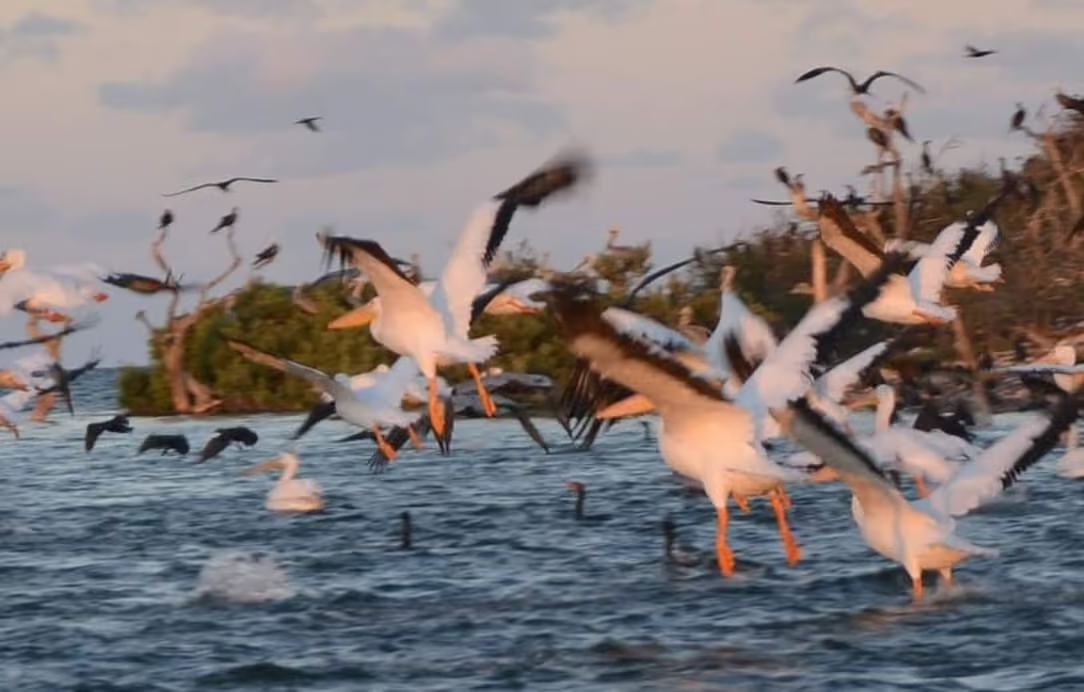
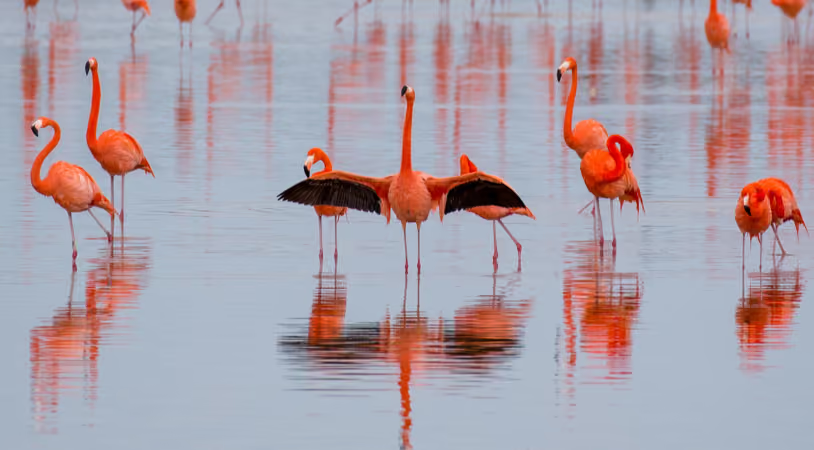
Situata nella penisola dello Yucatán, la Riserva della Biosfera di Celestún è un'area naturale di grande importanza, caratterizzata da una vasta varietà di specie di uccelli neotropicali e neartici.
In questo paradiso, ricco di fauna avicola, è possibile avvistare numerosi esemplari, tra cui anatre migratorie provenienti dal Canada, pellicani, fenicotteri rosa e molte altre specie.
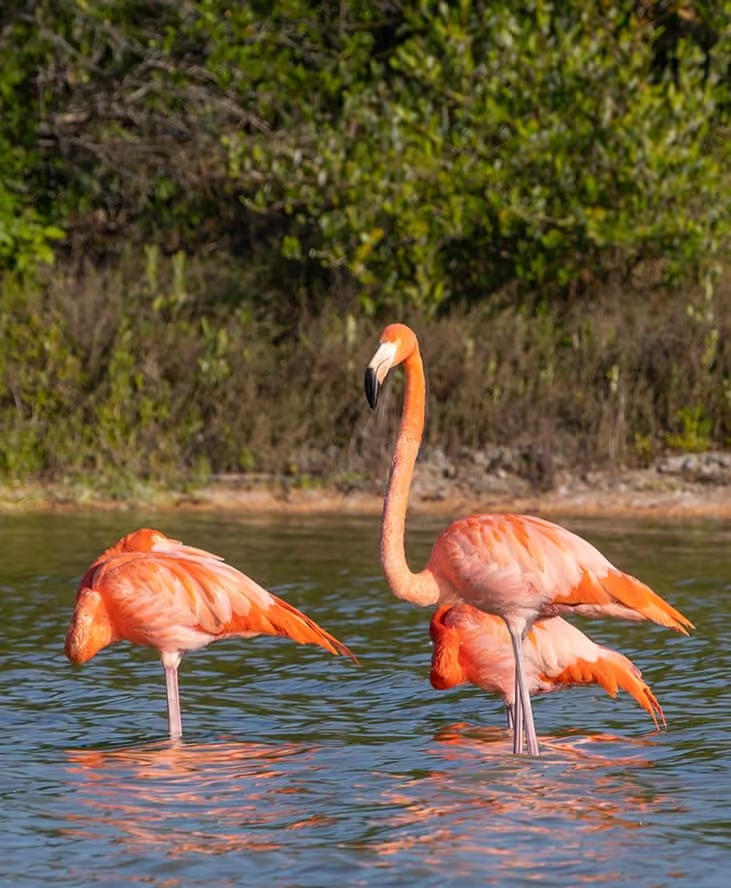
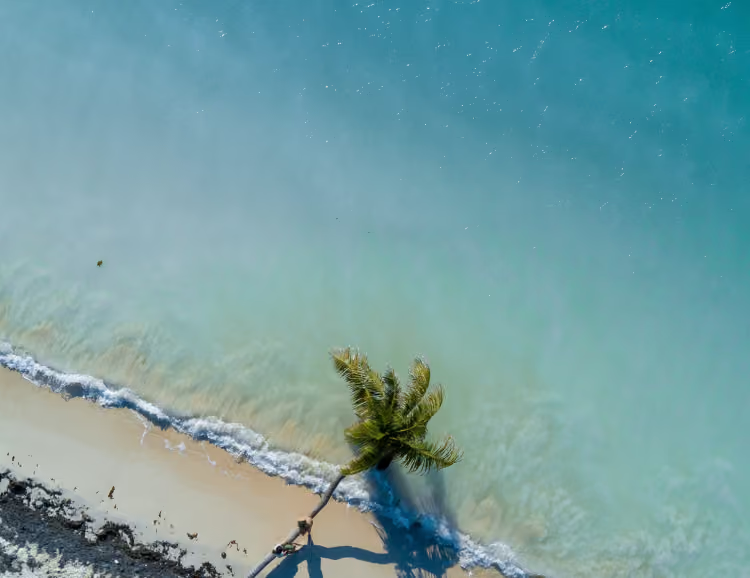
A Celestún, oltre ad ammirare la ricca fauna selvatica, puoi dedicarti al nuoto, attraversare tunnel naturali formati dai rami delle mangrovie, assaporare la cucina locale o semplicemente rilassarti sulla splendida spiaggia. Inoltre, puoi visitare i siti di schiusa delle tartarughe marine a rischio di estinzione e immergerti nella cultura maya.

Sac Actún, situato a nord di Tulum nella penisola dello Yucatán, è il sistema di grotte sottomarine più grande del mondo. Con un'estensione di oltre 347 chilometri, questa rete labirintica di passaggi subacquei collega numerosi siti in tutta la penisola, arrivando potenzialmente a superare i 1.000 chilometri. Oltre alla sua vasta estensione, Sac Actún custodisce un tesoro di manufatti maya e resti antichi, offrendo uno sguardo sul passato preistorico della regione. Funge da portale verso un'epoca passata, invitandoci a intraprendere un viaggio nel tempo lungo oltre 10.000 anni, immersi in un paesaggio affascinante e mistico.
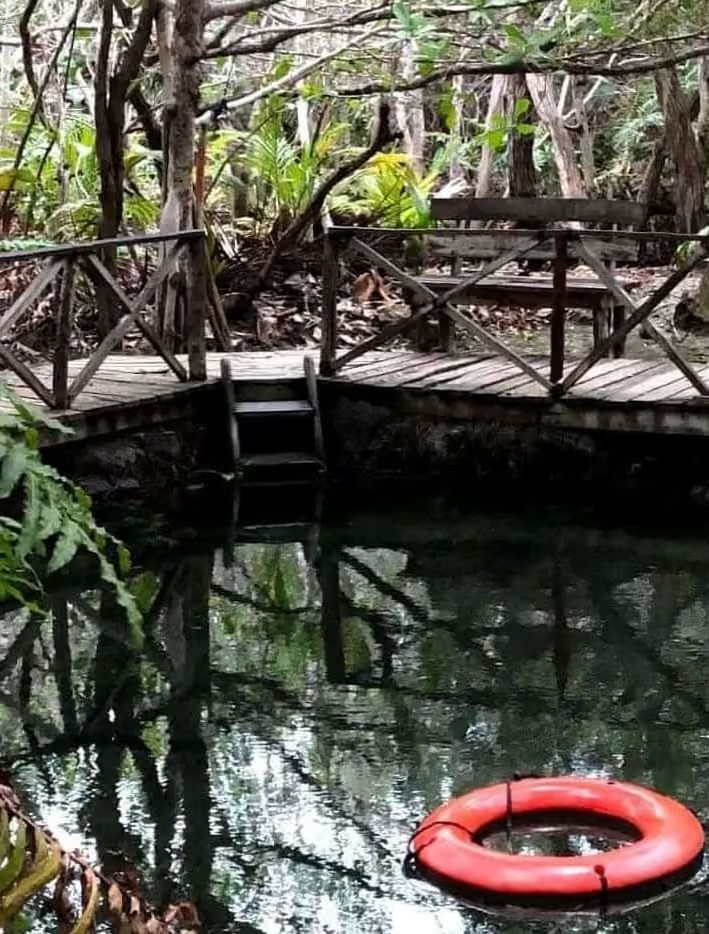
San Crisanto è un'affascinante cittadina costiera, nota per la produzione del sale e per la sua autentica atmosfera tropicale. Durante la visita, vedrai da vicino come viene estratto il sale dal terreno.
Ma l'avventura non finisce qui. Salirai anche a bordo di una barca per esplorare gli intricati canali di mangrovie, dove scoprirai la variegata flora e fauna che svolgono un ruolo fondamentale nella conservazione dell'ambiente costiero. Non perdere inoltre l'occasione di visitare una piantagione di cocco, dove potrai partecipare insieme alle guide locali a un laboratorio di cucina a base di cocco. È un'esperienza unica che non vorrai perderti!
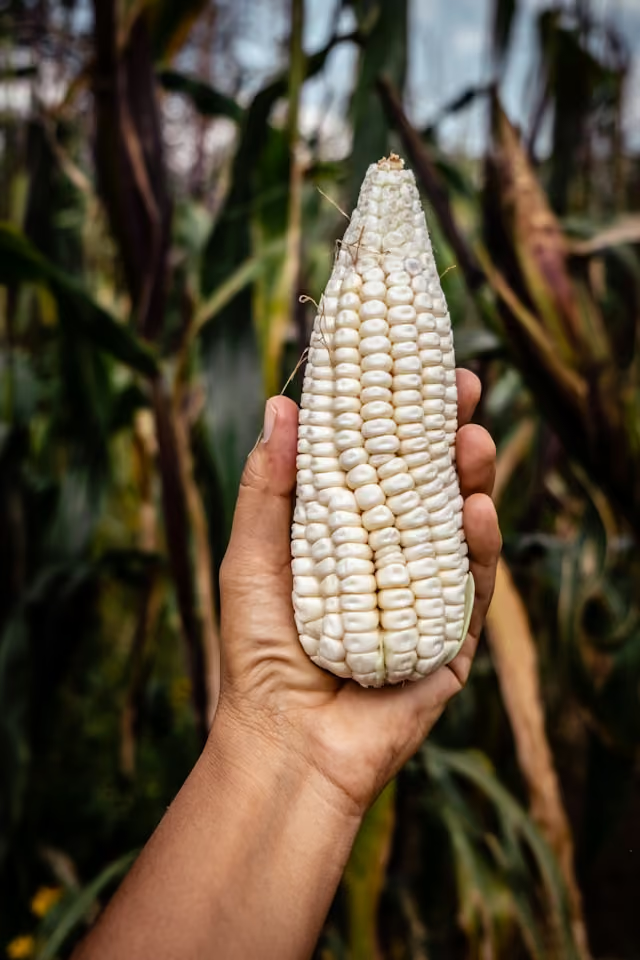
Scopri il villaggio di Yaxunah, il cui nome in lingua maya significa "la prima casa", immerso tra verdi campi di mais e una fitta vegetazione. Questa splendida cornice riflette l'importanza del villaggio come centro nevralgico per la coltivazione del mais, che gli antichi maya consideravano il cibo sacro degli dei. Mettiti alla prova con le attività tradizionali di pulizia, semina e raccolta nella milpa, il campo di mais, un luogo speciale per i maya, al quale un tempo si poteva accedere solo con un permesso. Immergiti poi nell'affascinante mondo delle bevande e delle preparazioni a base di mais, come pozol, pinole, nixtamal e atole, e scopri perché rivestono un ruolo così importante dal punto di vista culturale. Dopodiché, rinfrescati con una nuotata in un cenote incontaminato, una gemma nascosta che gli antichi maya veneravano per il suo significato nei rituali legati alla pioggia, alla vita e alla rinascita. A differenza dei cenote più frequentati, questo luogo offre tranquillità e acque rigeneranti, perfette per trovare sollievo dalla calura della giornata.
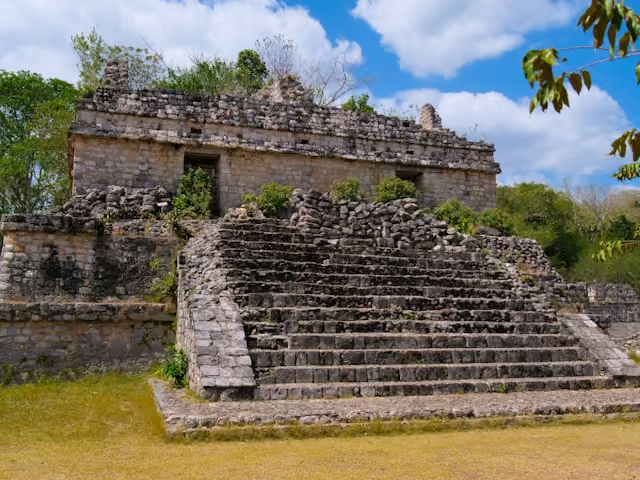
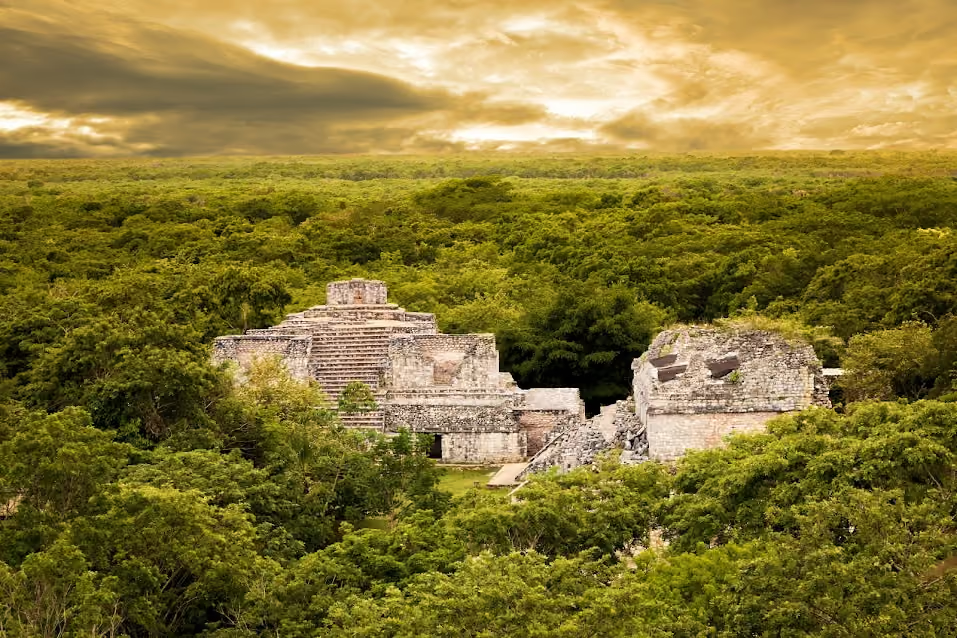
Il sito archeologico di Ek Balam si trova tra Mérida e Cancún e conserva alcuni degli elementi artistici meglio preservati della civiltà maya. È una destinazione ideale per immergersi nella cultura e nella storia di questo antico popolo. Tra i suoi punti di maggiore interesse spicca la tomba di Ukit Kan Lek Tok', il primo sovrano conosciuto della regione. Le facciate di Ek Balam sono decorate con elaborate raffigurazioni di guerrieri, serpenti, troni, ricchezze e altri elementi simbolici, offrendo uno sguardo affascinante sull'antico mondo maya.

Chichén Itzá si erge maestosa come una delle sette meraviglie del mondo moderno, testimonianza della straordinaria maestria architettonica e dell'importanza culturale della civiltà maya. Le sue strutture, tra cui cenote, templi, abitazioni, stele, pilastri e ossari, raccontano la grandezza della cultura maya e la sua evoluzione nel corso del tempo. Nonostante i secoli trascorsi e i numerosi cambiamenti, Chichén Itzá conserva ancora oggi la sua bellezza mozzafiato e la sua presenza imponente, invitando i visitatori ad ammirare l'ingegno dei suoi creatori e a rendere omaggio alla loro eredità duratura.
Soggiornare a Mérida, situata nel cuore dello Yucatán, è una scelta ideale. Da qui puoi raggiungere facilmente in auto diverse località turistiche e organizzare escursioni giornaliere o itinerari di un'intera giornata alla scoperta delle rovine maya, dei cenote e degli incantevoli villaggi coloniali dei dintorni.
In base al numero di giorni che desideri trascorrere nello Yucatán, i nostri esperti di viaggio sapranno indicarti le località e le strutture migliori in cui soggiornare. Affidati a noi come DMC in Messico!

Lo Yucatán è noto per le sue antiche rovine maya, come Chichén Itzá e Uxmal, gli splendidi cenote, le vivaci città coloniali come Mérida, il ricco patrimonio culturale, le bellissime spiagge caraibiche e la variegata fauna selvatica che popola le sue giungle e le riserve della biosfera.
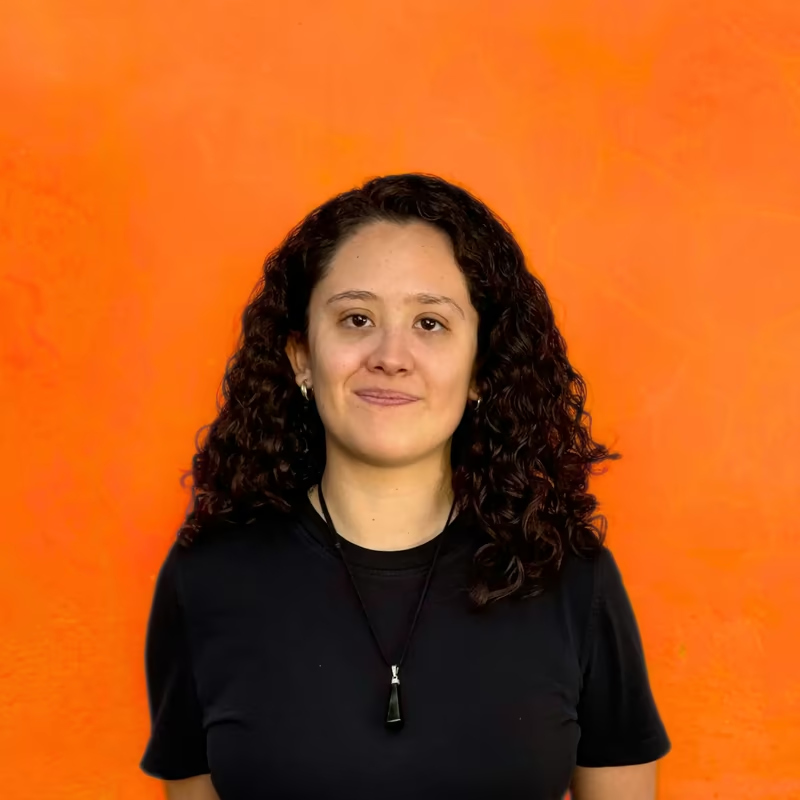
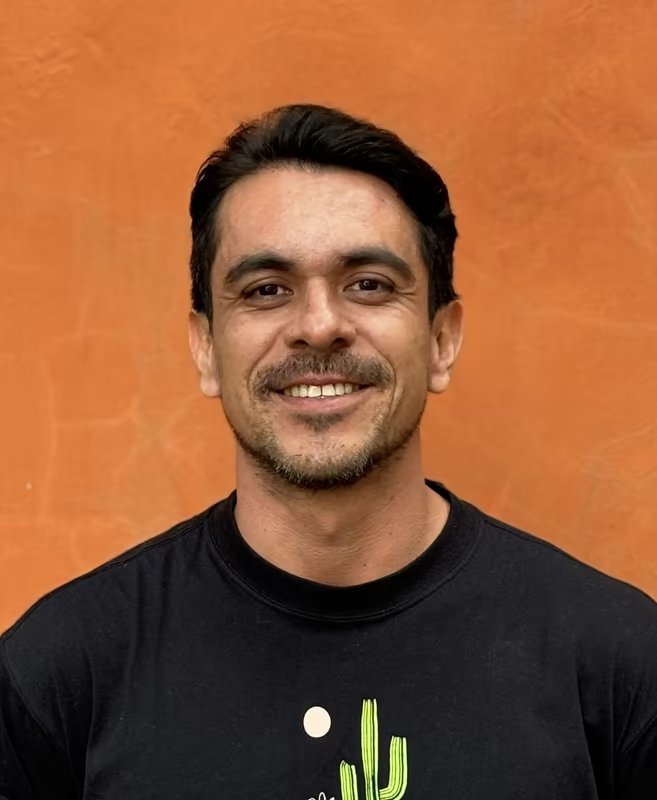
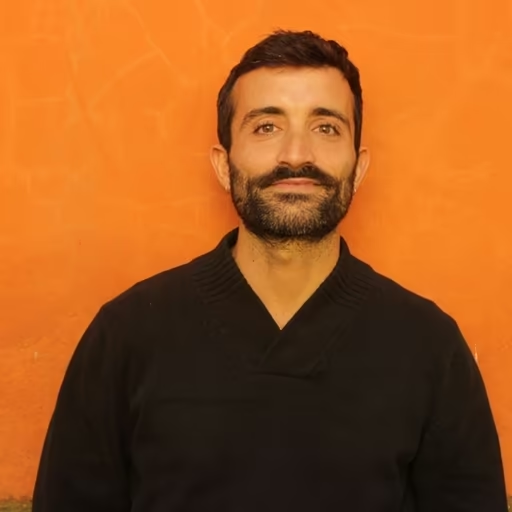
Una delle preoccupazioni più comuni dei viaggiatori riguarda il livello di assistenza disponibile. Conoscere il nostro team ti permetterà di sapere chi sarà al tuo fianco e di dimostrare la nostra affidabilità.





Iscriviti alla nostra newsletter per rimanere aggiornato su funzionalità e novità.