Personalizza il mio viaggio


Cenote Safety And Tour Logistics You Need To Know
Cenote safety and tour logistics: licensed operators, life-vest rules, what not to wear and flash-flood dates. Honest 2026 tips from Rutopía.

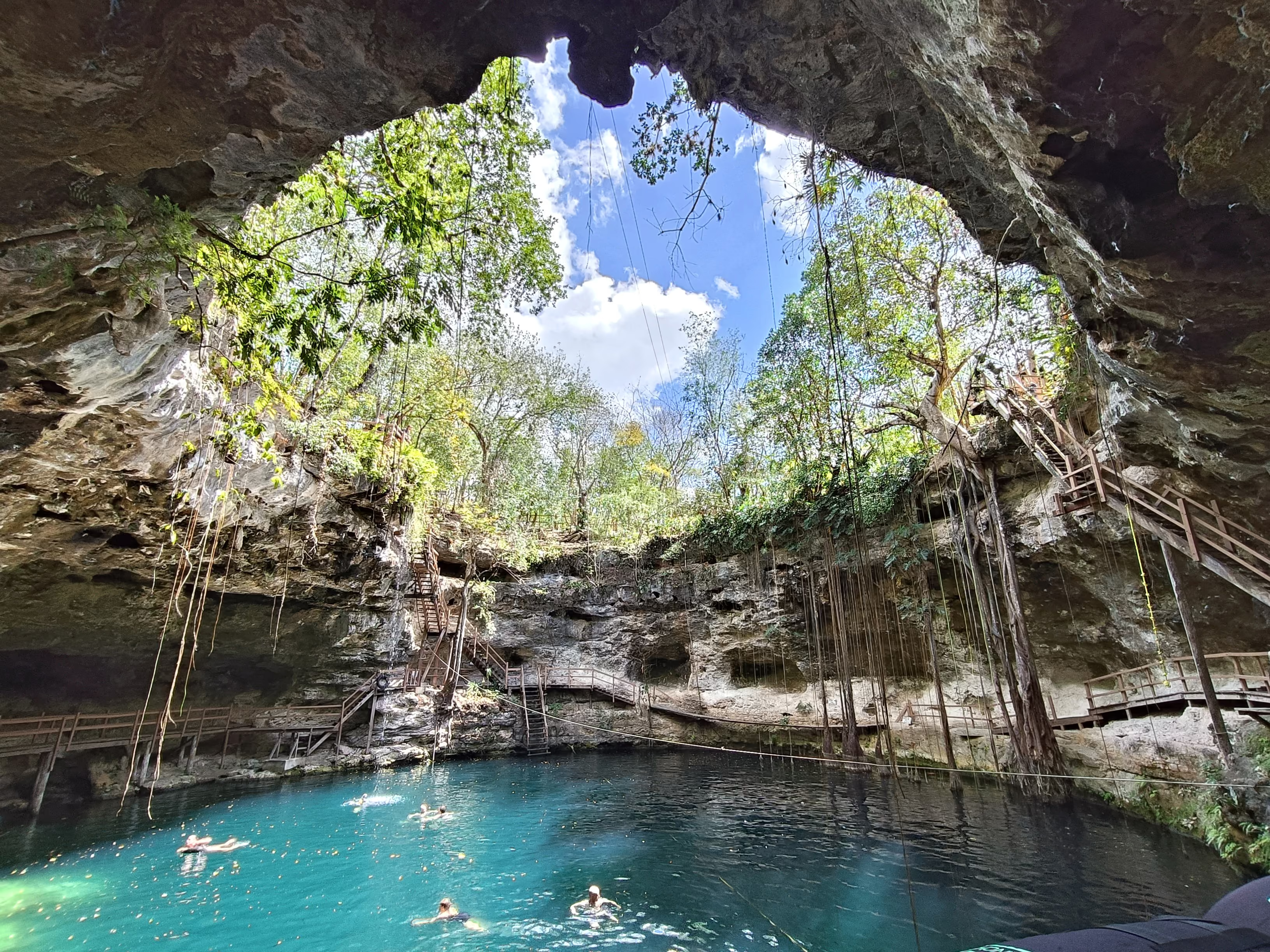
Content
They highlight our work



Unique trips in Mexico.
Tailor made for you.
Request your tripTailor made for you.
Let a local guide help you plan your trip to Mexico
Start tailor-made tripCenotes are one of the great reasons to visit the Yucatán Peninsula — ancient freshwater pools connected to an underground aquifer system that stretches beneath the entire region. They are also real bodies of water with real hazards, and the gap between a wonderful experience and a frightening one often comes down to operator quality, the right gear, and basic knowledge most tour listings never share. This guide covers what you actually need to know before you get in — browse operator-vetted options on Rutopía's Mexico tours and packages when you are ready to book.
Quick Summary
- Cenote water temperature stays between 24–26°C year-round thanks to the underground aquifer system — cold enough to cause muscle cramps if you stay in too long without a wetsuit or rashguard
- Rainy season (June–October) can cause rapid water level rises, especially in cave and semi-open cenotes; avoid cave entry in the 24 hours after heavy rain
- Sunscreen and insect repellent are banned at most cenotes — bring or buy biodegradable sunscreen on-site (~150–250 MXN / $8–13 USD)
- Life vests are required at reputable community cenotes regardless of swimming ability; if an operator discourages vest use in a cave cenote, leave
- The ladders are often the most dangerous part: wet limestone descents of 5–10 meters are slippery — more injuries happen exiting than swimming
- Cave cenotes require guided entry only; subterranean or dive cenotes require cave-diving certification and are not covered here
- Licensed operators carry SECTUR registration; community cenotes are often managed by local ejidos with their own safety governance
- If you visit cenotes in Quintana Roo (Riviera Maya area), budget for the Visitax tourism exit tax: currently 271 MXN (~$14 USD), payable online before leaving the state
- Water shoes or sandals with back straps are strongly recommended; flip flops are a fall risk on wet rock
- Open cenotes at ground level (such as Cenote Zací in Valladolid) can be accessible for mobility-limited visitors with assistance; most cave cenotes are not
The Four Types of Cenotes and Their Safety Profiles
.jpg)
Not all cenotes are the same, and understanding the category before you book makes a significant difference to both your safety and your experience.
Open cenotes sit at or near ground level with open sky above, usually accessed by purpose-built ladders or stone stairs. Cenote Ik Kil near Chichén Itzá is the most photographed example. Edges can be slippery and cold water can cause cramps, but these are manageable with basic precautions — good for families and mixed-ability groups; see our family-friendly Yucatán tours guide for age-tested options.
Semi-open cenotes are partially enclosed with a large natural opening in a cave roof above, typically requiring narrower steps or rope handholds. Overhead rocks and roots create head-hazard zones if you wander off the marked path. Risk is moderate, especially on the descent and exit; a guide who knows the space is worth having.
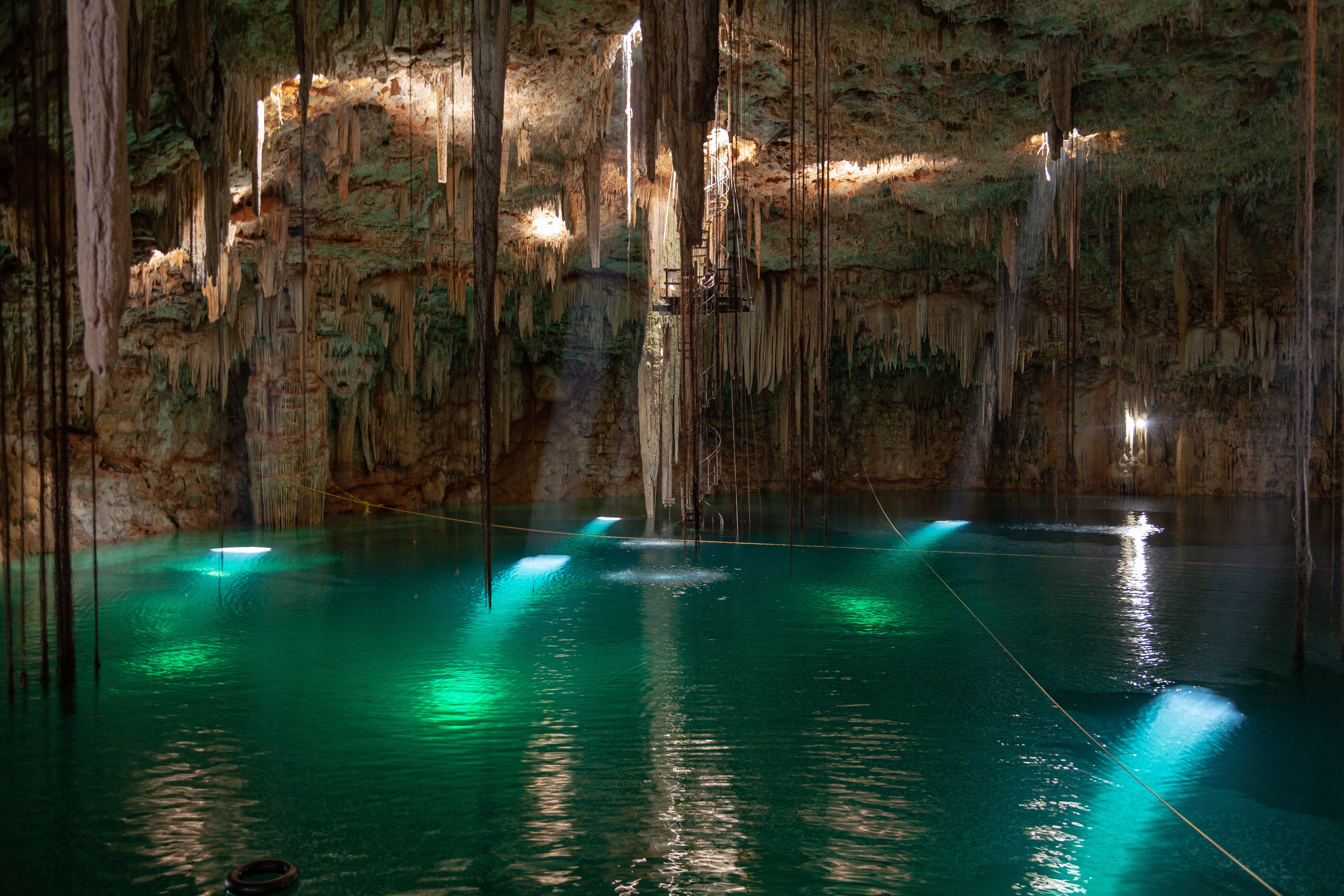
Cave cenotes carry the highest everyday risk for recreational visitors — fully enclosed underground pools reached through cave systems with limited light and conditions that shift with recent rainfall. Reputable operators require life vests and briefings before entry, and a guide with rope and a floatation device should always be present. Cave cenotes should not be entered without a guide, no exceptions.
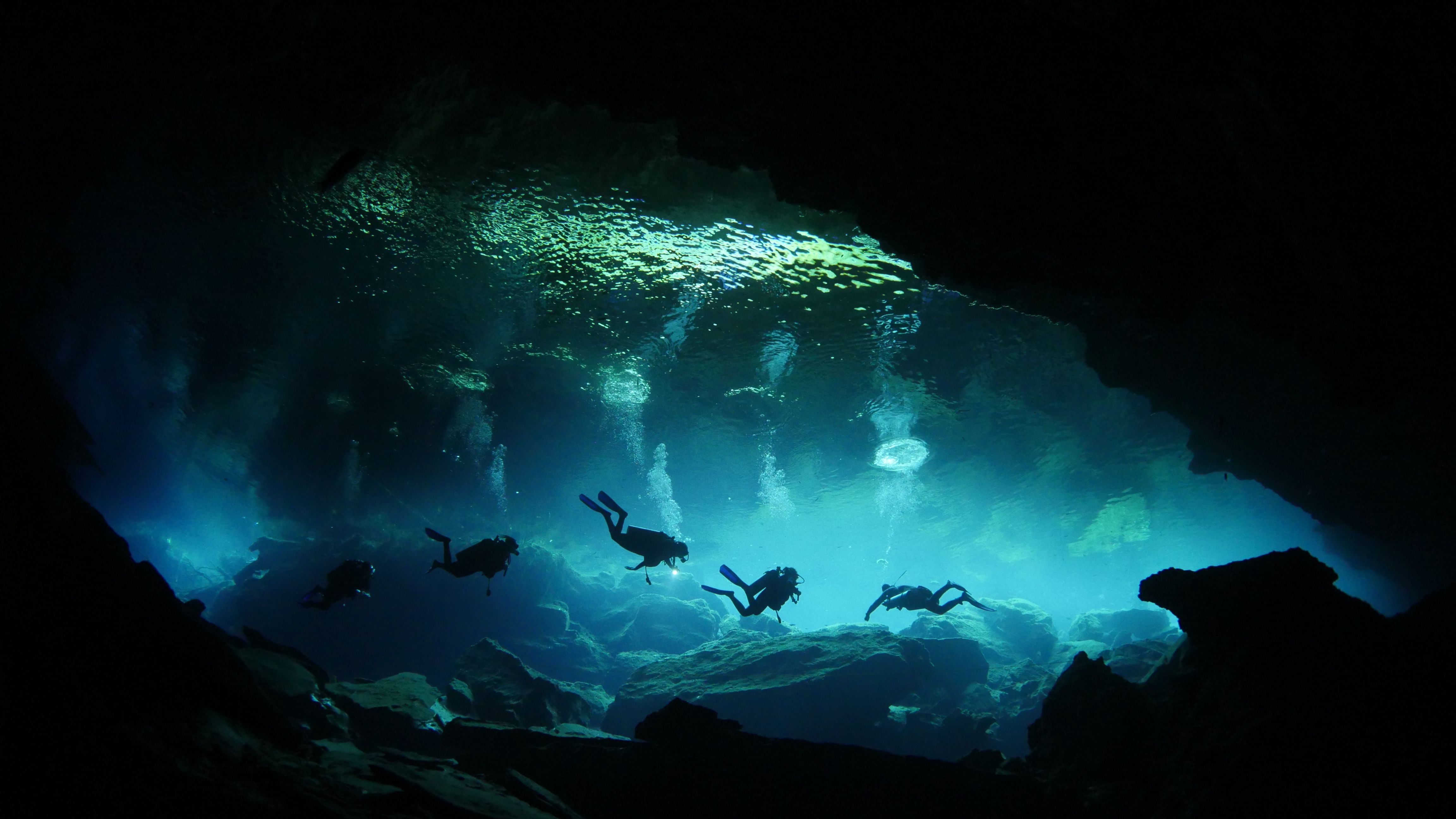
Subterranean dive cenotes are for certified cave divers only — this article does not cover them.
For dedicated cenote itinerary ideas, our best cenote tours in Yucatán for 2026 guide covers specific sites, and Rutopía's hub guide to Yucatán tours provides full regional context.
Life Vest Rules: What Operators Require (and What They Should)
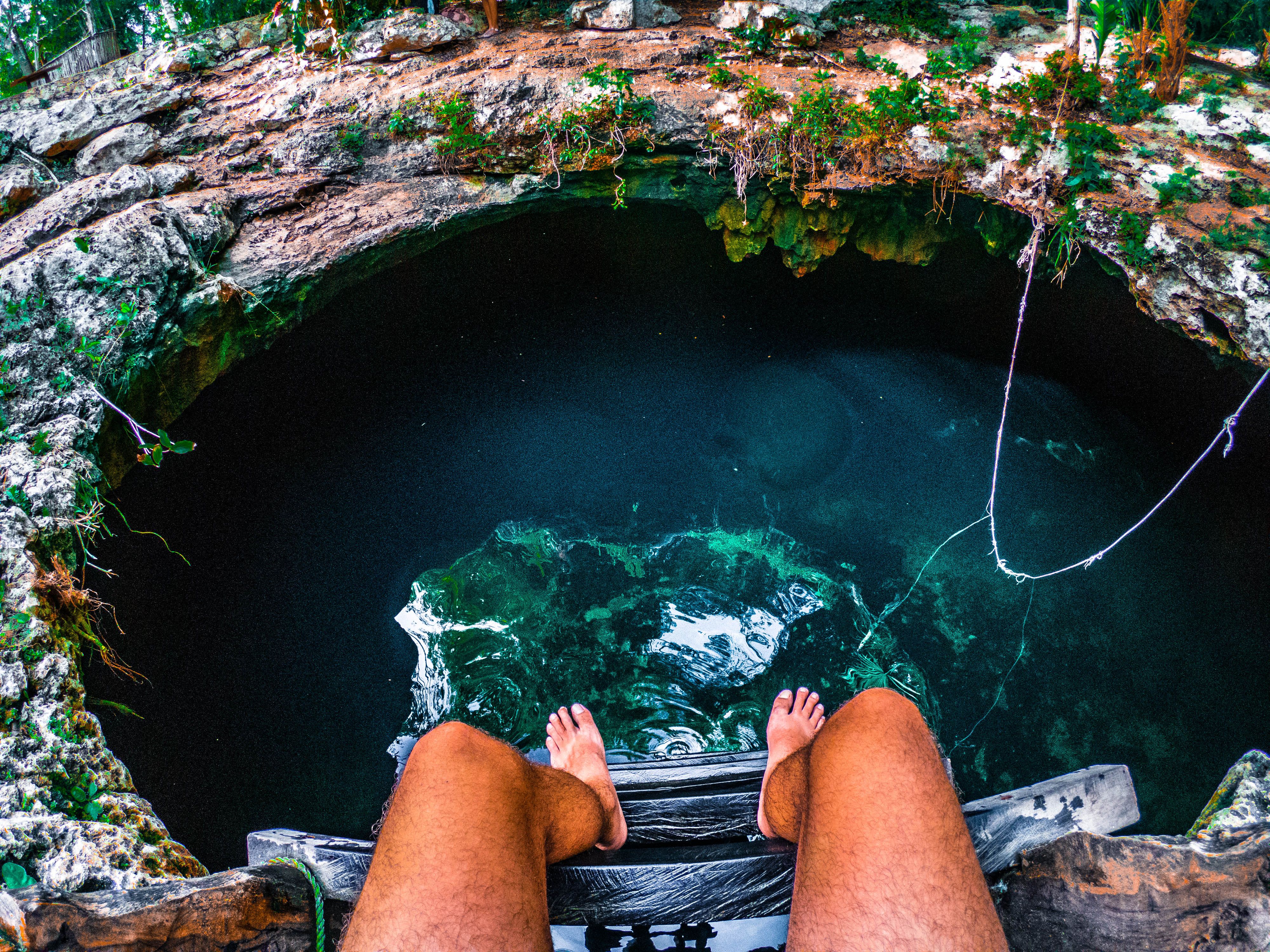
At most reputable community cenotes — including the Homún area and the Cuzamá network — life vests are mandatory regardless of swimming ability. Cave and semi-open cenotes have disorienting acoustics, zero pool markings, and cold water that tightens muscles unexpectedly. A strong swimmer in a hotel pool is not the same swimmer in a dark underground cavern.
Some larger tourist-facing cenotes (Ik Kil, and several in the Playa del Carmen area) leave vest use optional. In any cave cenote, a vest is not optional as far as we are concerned.
Red flag you cannot ignore: an operator who actively discourages life vest use in a cave cenote. Walk away.
Pro tip: If you are a confident swimmer who finds the life vest annoying, wear it anyway in cave cenotes. The vest is not there because the operator doubts your ability. It is there because cave cenote conditions change, and a flotation device buys rescue time.
What Not to Wear or Bring
The Yucatán aquifer supplies drinking water to millions of people across the peninsula. Sunscreen contamination is not a cosmetic concern — it is an environmental and public health issue, which is why most cenotes enforce the rules strictly.
Banned at most cenotes: conventional sunscreen, insect repellent (DEET), perfume, and heavy makeup — all harmful to the aquifer ecosystem.
Bring instead: biodegradable sunscreen (~150–250 MXN / $8–13 USD at most cenote shops), plain water in a reusable bottle.
Wear: a light rashguard (sun protection and warmth in 24–26°C water); water shoes with back straps (rentals ~50–100 MXN / $3–5 USD at some sites); a hair tie if you have long hair — loose hair near rope handholds creates an entanglement risk.
Skip: flip flops (fall hazard on wet rock), dangly jewelry near cave openings, cotton-only clothing (it stays cold and heavy once wet).
Flash Floods and Rainy Season Risks
The Yucatán aquifer is a connected system — rain anywhere across the peninsula filters down, which means cenote water levels can rise faster than visitors expect and visibility can drop sharply as sediment shifts.
Rainy season runs June through October, with hurricane season peaking August through October. These are not reasons to skip cenotes during this period, but they require adjustments: ask your operator about current water levels the morning of your visit; do not enter a cave cenote within 24 hours of heavy rain even if the sky has cleared; and expect muddier approaches and reduced cave visibility after sustained rain. For a broader planning overview that accounts for seasonal access, see our complete guide to the best Yucatán tours.
Honest caveat: if your entire trip revolves around cave cenotes and your travel window hits a sustained September or October rain event, access may be restricted throughout. Build in open cenote alternatives, or see best Yucatán itinerary packages for 2026 for flexible itinerary structures.
How to Vet a Cenote Operator
Commercial tour operators in Mexico should carry registration with SECTUR, the national tourism ministry. Community cenotes managed by local ejidos operate under communal governance — guides leading tours to them should still be individually licensed. Vetting is easier when you start from a curated source: our 2026 guide to the best Yucatán tours explains how the region's operators are screened.
Red flags: no life vests for cave cenotes; no safety briefing before entry; no information on depth or water conditions; unlicensed guides inside cave systems; no biodegradable product enforcement.
Good signs: pre-entry briefing with specific rules (not just a waiver); maximum group size respected; guide carries rope and a floatation device; biodegradable sunscreen required; clear emergency plan.
When you book through a platform like Rutopía's vetted tours platform, operator vetting is part of the curation process. Our how to book Yucatán tours for 2026 guide covers what to ask before you commit independently.
Pro tip: Community-run cenotes (ejido-managed) are often excellent and have strong local accountability structures. The Homún cenote network and the Cuzamá area cenotes are well-run examples. Being community-managed does not mean lower safety standards — in many cases it means higher local knowledge and stricter rules because the operators live next to the water.
For group vs. private tour decisions that affect cenote safety (guide-to-visitor ratio, pace, briefing quality), see our Yucatán private tours vs. group tours guide. Private guides at cenotes allow for slower descents and more personalised safety checks — worth considering if anyone in your group has limited mobility or is a weaker swimmer.
Environmental Rules: Why They Matter
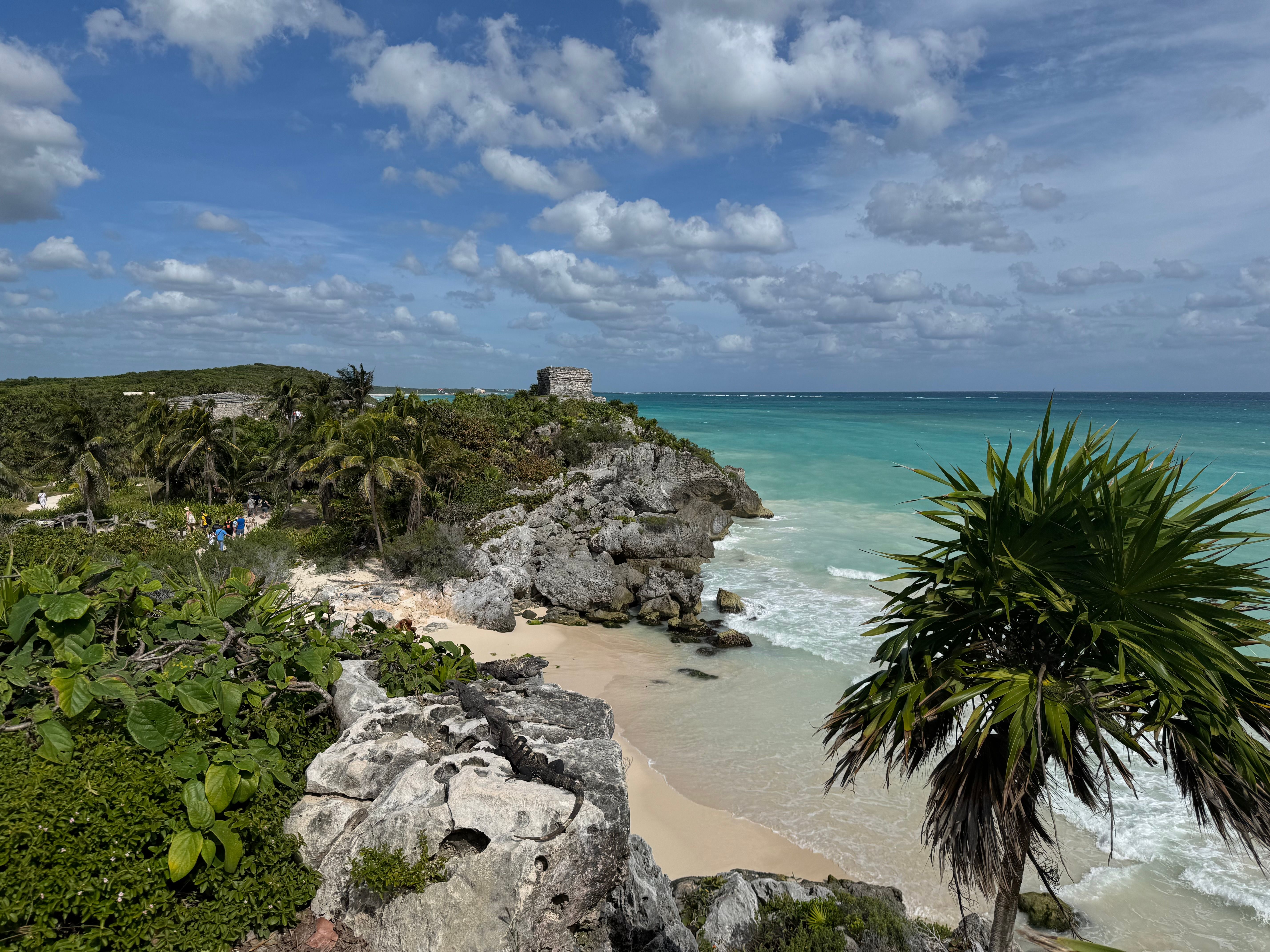
CONABIO and SEMARNAT classify the Yucatán cenote network as a protected freshwater ecosystem. Penalties for contamination fall on tour operators — which is why licensed operators enforce the no-sunscreen rules, not as a formality but because their operating permission depends on it.
The visitor rules are short: biodegradable products only; take everything out; do not touch cave formations; no alcohol at the water's edge; check with your guide before using flash photography. The INAH (National Institute of Anthropology and History) adds another layer of rules where cenotes overlap with archaeological sites.
Accessible Cenote Options for Non-Swimmers and Mobility-Limited Visitors
Most cave cenotes require steep stone stairs or rope-assisted entry and are not practical for visitors with limited mobility — that is a physical reality of the geology, not a policy choice.
Open cenotes at ground level are the genuine alternative. Cenote Zací in Valladolid sits at street level with a wide surrounding platform and manageable entry — see best Valladolid tours to book in 2026 for Valladolid planning. Several cenotes in the Mérida day-trip radius also have ramp or shallow-platform access; the Mérida tours guide for 2026 covers those. When booking, ask specifically about entry type — "accessible" means different things at different sites.
There are also groups and specific companies who organize trips to cenotes with machines to help people with mobility limitations descend - limited/no mobility means that people rappel into the cenotes.
Water shoes with back straps are the single most important piece of gear for mobility-limited visitors. Wet rock and algae-covered surfaces are slippery even at ground-level cenotes.
The honest reality: the biggest risk most travelers face is the ladder, not the water. Wet limestone descents of 5–10 meters are slippery — take them one rung at a time, face the ladder, and do not rush. More people hurt themselves exiting than entering.
Bookable Tours: Safety-Focused Operators
Rutopía curates tours across the Yucatán Peninsula with operator quality as a primary criterion. The following options include cenote experiences with safety-focused operators:
- Our dedicated Yucatán cenote tours guide: Dedicated cenote tour guide with site-specific safety notes and operator recommendations across Yucatán state and Quintana Roo.
- Our Mexico tours packages page: Browse day trips and multi-day itineraries that include community cenotes with licensed guides. Tailor-made packages start from $3,000 USD (approx. 51,000 MXN) per person; secure your spot with a 30% deposit at least 30 days before your arrival date.
- A Chichén Itzá tour guide from Cancún, Tulum, and Playa: Most visitors combine a Chichén Itzá day trip with a stop at Cenote Ik Kil or Cenote Hubiku nearby.
- Best ruins tours in Yucatán for 2026: Many ruins tours include a cenote stop; check operator safety credentials for the cenote portion specifically.
Other spoke guides that pair naturally with a cenote visit: Uxmal 2026, Tulum ruins 2026, Sian Ka'an 2026, Bacalar lagoon 2026, Holbox and whale sharks 2026, and Río Lagartos 2026.
For bespoke multi-day trips built around your group's swimming ability, see Yucatán itinerary packages for 2026 travel or Rutopía's tailor-made packages.
FAQ
Can I enter a cave cenote if I am not a swimmer? Yes — with a life vest and a competent guide. If an operator says swimming ability is not required but will not provide a vest, that is a contradiction; choose a different operator.
What happens if there is heavy rain while I am inside a cave cenote? A competent guide exits the group immediately if water levels rise or visibility drops. Ask about the exit procedure before you enter — not during an emergency.
Are cenote tours safe during hurricane season? Cave cenote tours carry higher risk August–October due to rapid groundwater rises. Open cenotes are generally fine unless rain is active; confirm conditions the morning of your tour.
Is sunscreen really that harmful? Yes. Chemical UV filters (oxybenzone, octinoxate) damage aquatic ecosystems and are absorbed into the aquifer that supplies drinking water to millions of people across the Yucatán Peninsula.
What is Visitax and do I have to pay it for a cenote trip? Visitax is a Quintana Roo exit tax — currently 271 MXN (~$14 USD) — payable online before leaving the state. Yucatán state cenotes (Homún, Valladolid, Mérida area) are not subject to it.
How cold is the water and should I bring anything for warmth? Cenote water holds at 24–26°C year-round — comfortable for a short swim but cold enough to cause muscle tightening on a longer session. A rashguard or thin wetsuit top extends comfortable swim time significantly.
What is the difference between an ejido-run cenote and a commercial cenote? Ejido cenotes are managed by local land cooperatives; commercial cenotes by private operators or tourism businesses. Both can be excellent — the operator's practices matter more than the ownership structure.
Can children use cave cenotes? Some cave cenotes welcome children with life vests; others have minimum age or ability requirements. Confirm with the operator before booking — and see best Yucatán tours for families in 2026 for family-tested options.
What should I do if I feel unwell in the water? Signal your guide immediately, move toward the nearest ledge, and float — do not push through to the exit. Cold water cramps can come on fast; a life vest makes floating easy while you wait for assistance.
How do I know if a guide is licensed? Ask directly for their SECTUR registration or the ejido's operating permit — a legitimate operator will not be offended. Cross-reference on SECTUR's official site; Rutopía-listed operators are vetted through our booking process.
Looking for more Mexico travel resources? Be sure to check out:
Written by
Design your trip to Mexico with a local travel designer. Unique activities and lodging, 100% tailor-made and stress-free.
.webp)
Related posts

Duration:
Blog title heading will go here
Days
I migliori tour in Messico per chi viaggia per la prima volta nel 2026
I migliori tour avventura in Messico per il 2026: trekking nella giungla del Chiapas, cenote dello Yucatán, escursioni nella Sierra di Oaxaca e surf sul Pacifico. Prezzi, ritmi e operatori consigliati.
Leggi tutto


Join us on this
journey
Plan your trip with usjourney
Iscriviti alla nostra newsletter per rimanere aggiornato su funzionalità e novità.
Si è verificato un errore durante l'invio del modulo.
Ready to experience the real Mexico?
Travel with local experts and get hangds-on supoort every step of the way... from planning to arrival.


Your Travel Companion in Mexico, 24/7
We're with you from arrival to departure via WhatsApp for anything you need.
Trusted by thousand of travelers with a 4.9 rating on Google