Personnaliser mon voyage


A 2026 Bacalar Lagoon Boat Tours Guide
Bacalar lagoon boat tours guide: sailboat vs catamaran, Cenote Cocalitos stops and fair 2026 pricing. Operator picks from our Yucatán trip team.

Contenu
Ils mettent en valeur notre travail



Des voyages uniques au Mexique.
Fait sur mesure pour vous.
Demandez votre voyageFait sur mesure pour vous.
Laissez un guide local vous aider à planifier votre voyage au Mexique
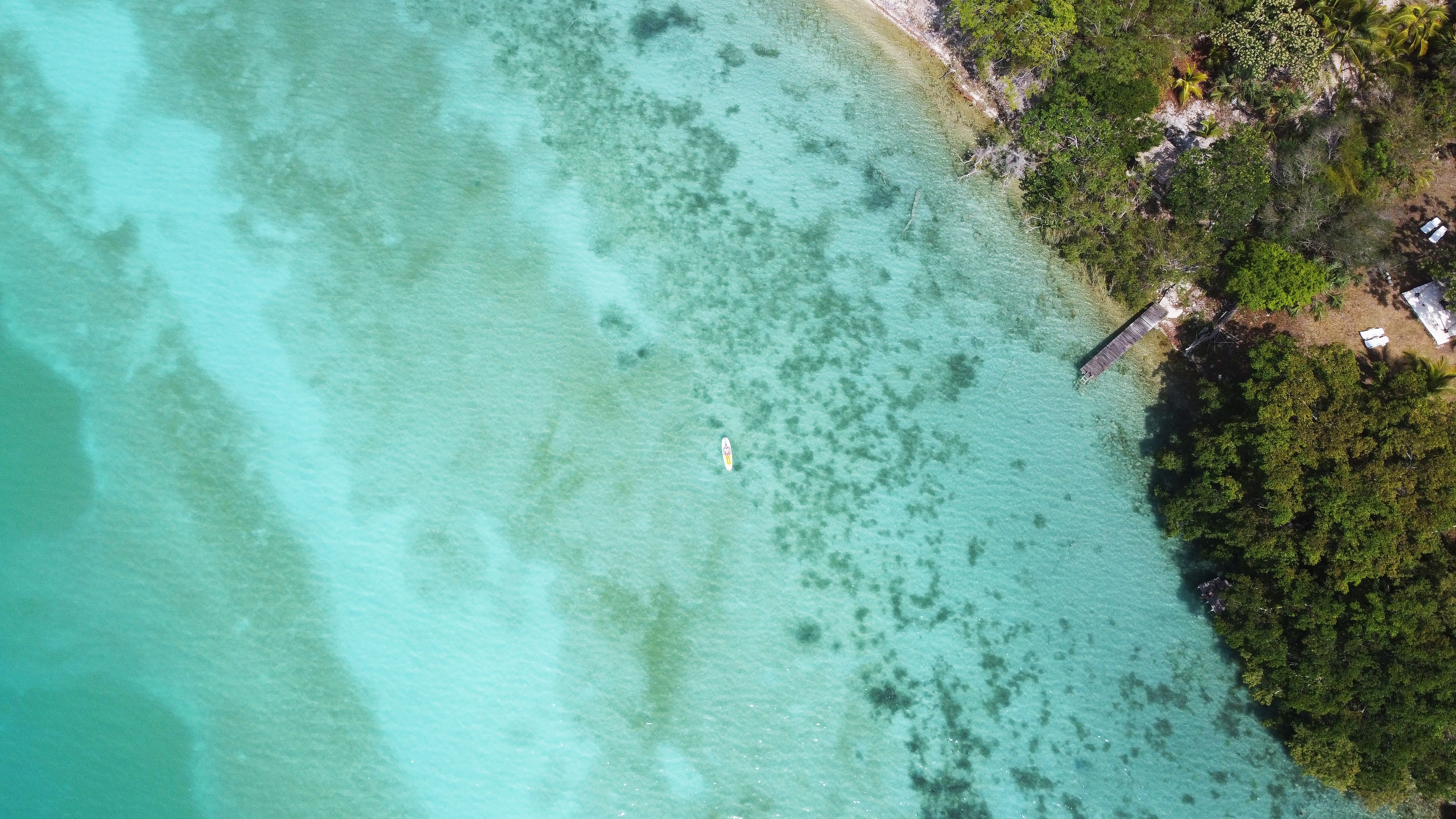
Commencez un voyage sur mesureBacalar is where the Yucatán Peninsula slows down and goes quiet, at least out on the water. The Lagoon of Seven Colors stretches 42 km through the flat karst lowlands of Quintana Roo, shifting from pale turquoise near the shore to a deep cobalt blue over the spring-fed depths. Getting on a boat here is not optional; it is the point of coming, and this guide covers every boat type, the Cenote Cocalitos stop, honest 2026 pricing, and what the lagoon actually asks of the people who visit it. Ready to lock in your Yucatán plans? Browse our Mexico tours packages and we will help you build the right itinerary.
Quick Summary
- Bacalar sits in southern Quintana Roo, roughly 2 hours south of Tulum and 3.5 hours south of Cancún, close to the Belize border
- The Lagoon of Seven Colors (Laguna de Bacalar) is 42 km long, spring-fed, and sits in a flat karst landscape where ancient Maya channels once connected to the open water
- Four main boat options: sailboat, catamaran, kayak, and lancha (motorboat), each suits a different traveler and budget
- Sailboat full-day tours run approximately 2,000–3,500 MXN ($100–175 USD) per person; private charters run 12,000–15,000 MXN for the whole boat
- Lancha tours from the main pier cost 300–600 MXN ($15–30 USD) for a 2–3 hour circuit and are the most affordable way onto the water
- Cenote Cocalitos, a cluster of shallow crystal-clear cenotes on the northern lagoon shore, is the most popular stop on guided tours
- The lagoon is ecologically fragile: only biodegradable sunscreen is permitted, and motorized watercraft are restricted in certain zones
- November through May (dry season) is the best window; June through October brings afternoon rains but the lagoon remains beautiful
- Bacalar has become significantly more expensive over the past five years, especially for accommodation; boat tours remain relatively accessible
- This article is part of our 2026 guide to the best Yucatán tours
Where Is Bacalar and How Do You Get There?
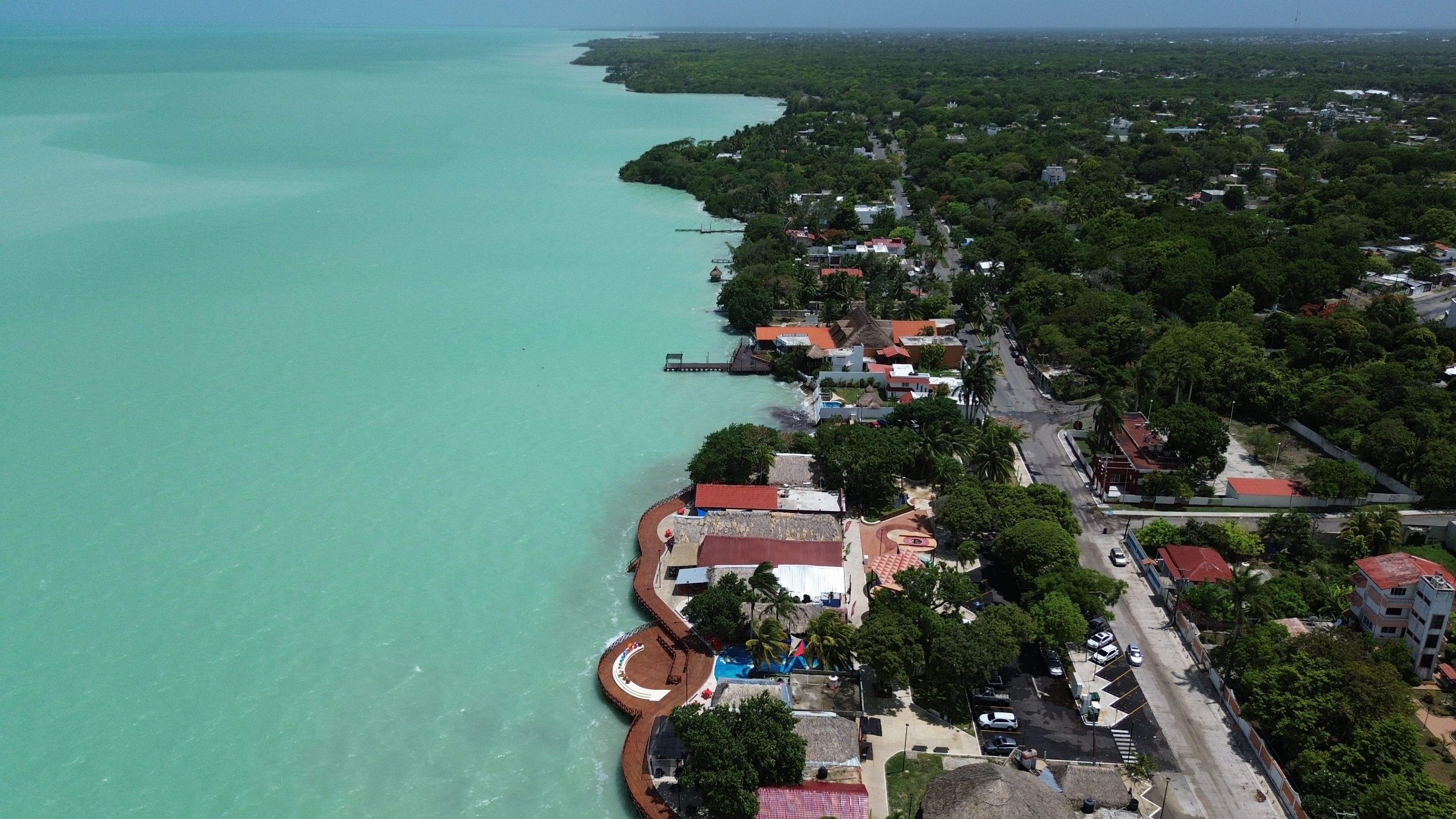
Bacalar is a small town at the southern end of Quintana Roo, sitting just north of the Belize border. It is far enough from the main tourist corridor that most travelers who arrive have made a deliberate choice to be there.
From Cancún, the drive takes roughly 3.5 hours on Highway 307 south. From Tulum, you are looking at about 2 hours. From Playa del Carmen, expect closer to 3 hours. ADO buses run the Cancún-Chetumal route and stop in Bacalar town; the journey from Cancún takes around 4–5 hours by bus and costs approximately 350–450 MXN.
Private transfers are available from Cancún, Tulum, and Playa del Carmen and make the most sense for groups or travelers combining Bacalar with other southern Quintana Roo stops like Mahahual or the Kohunlich ruins.
Once in town, you walk. Bacalar is compact, the main pier (Muelle) is the launch point for most tours, and the town's single main street runs parallel to the lagoon.
Understanding the Lagoon of Seven Colors
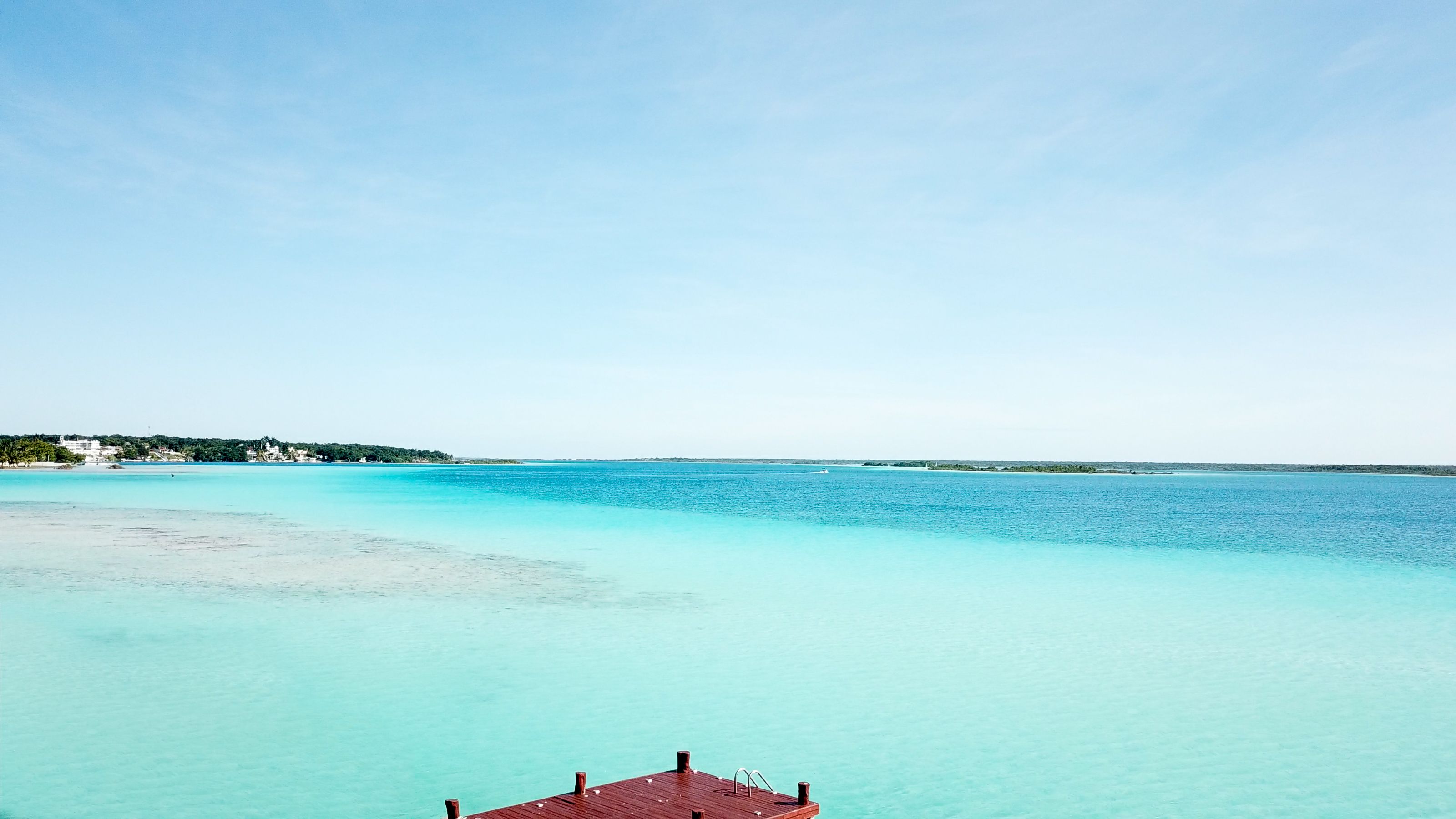
The name comes from the visible color gradations across the water's surface. Stand on the pier at midday and count them: pale jade in the shallows, turquoise over the sandbanks, green-blue where aquatic grasses grow, pure blue in the open channel, teal near the far shore, darker blue over depth, and the near-black cobalt of the deepest sections. The effect is real and it is genuinely striking.
The lagoon is fed by underground springs common to the karst limestone geology of the Yucatán Peninsula. The water is a mix of fresh and slightly brackish, unusually clear, and connected to a larger system of subterranean channels that defines so much of the region's cenote culture. For more on how these underground systems shape the region's tours, read our best cenote tours in Yucatán for 2026.
The Maya recognized the strategic and spiritual value of this water system and settled here for centuries. Fort San Felipe, the colonial fort in Bacalar town, was built by the Spanish in the 17th century to defend against pirate raids along the lagoon's navigable length.
At 42 km long, the lagoon is large enough that different sections feel like different experiences. The northern end near Cenote Cocalitos is shallower and more vibrant in color, while the southern sections near the main town feel wider and deeper. It's one of the water-focused highlights in our 2026 roundup of the best Yucatán tours.
The Four Types of Bacalar Boat Tours
Sailboat
The sailboat is the romantic option and the one most associated with Bacalar's boutique-hotel era. Tours run all day, typically departing around 9:00 or 10:00 a.m. and returning in the late afternoon. Most include lunch, snorkeling gear, and stops at Cenote Cocalitos and one or two other lagoon points. The pace is slow and deliberate: you are not trying to cover distance, you are trying to inhabit the water.
Capacity is usually 6–12 people for group tours, or you can charter the whole boat privately. Group sailboat tours run approximately 2,000–3,500 MXN per person ($100–175 USD). A private charter for the full day runs 12,000–15,000 MXN for the boat, regardless of how many guests you bring (up to the captain's limit).
Sailboats are best for couples, honeymooners, and travelers who want a contained, unhurried experience. They are not the choice for people traveling with young children who need frequent stops or constant activity.
Catamaran
The catamaran offers a similar full-day format to the sailboat but with more deck space, a more social atmosphere, and slightly more stability. Catamarans are faster when motoring between stops, which can mean slightly more ground covered. They tend to attract larger groups and are popular with friend groups and multi-couple bookings.
Pricing for catamaran tours falls in a similar range to sailboats: 2,000–3,500 MXN per person for group tours, with variations depending on what is included. Some catamaran operators include a DJ setup and a cooler of beer, which is either a selling point or a warning sign depending on what you are looking for.
Pro tip: If you book a catamaran specifically for the Cenote Cocalitos stop, confirm in advance that the operator actually anchors there and gives you enough time to swim. Some tours treat Cocalitos as a 20-minute photo stop. The best operators allow 45–60 minutes minimum.
Kayak
Kayak rentals are available from several operators along the lakefront, typically ranging from 200–400 MXN per hour ($10–20 USD). This is the self-guided option and the best one for independent travelers who want to explore the near-shore sections at their own pace. The shallow areas close to town are ideal for kayaking, with clear water, visible bottom, and easy paddling.
Kayaks do not reach Cenote Cocalitos efficiently: the distance is significant and the open-water section can get choppy in the afternoon. If Cocalitos is your priority, take a guided tour. If you want quiet time on the water near town, a kayak rental is excellent value.
Lancha (Motorboat)
The lancha is the community operator option. Local captains run motorboats from the main pier in town, offering 2–3 hour circuits of the lagoon's key points for 300–600 MXN per person ($15–30 USD). These are the most affordable boat tours on the lagoon and they cover the highlights quickly.
Lancha tours are not luxury experiences. You are in a small motorboat with a local captain who may or may not speak English. The tours are efficient, the commentary is minimal, and the stops are brief. For budget travelers or anyone who just wants to see the lagoon without a full-day commitment, a lancha from the pier is entirely adequate.
Pro tip: Lancha captains at the main pier operate on a first-come basis. Arrive before 9:00 a.m. on weekends and Mexican holidays to avoid waiting. On a quiet Tuesday in January, you can negotiate your own circuit with a captain directly.
Cenote Cocalitos: The Tour Stop Worth Planning Around
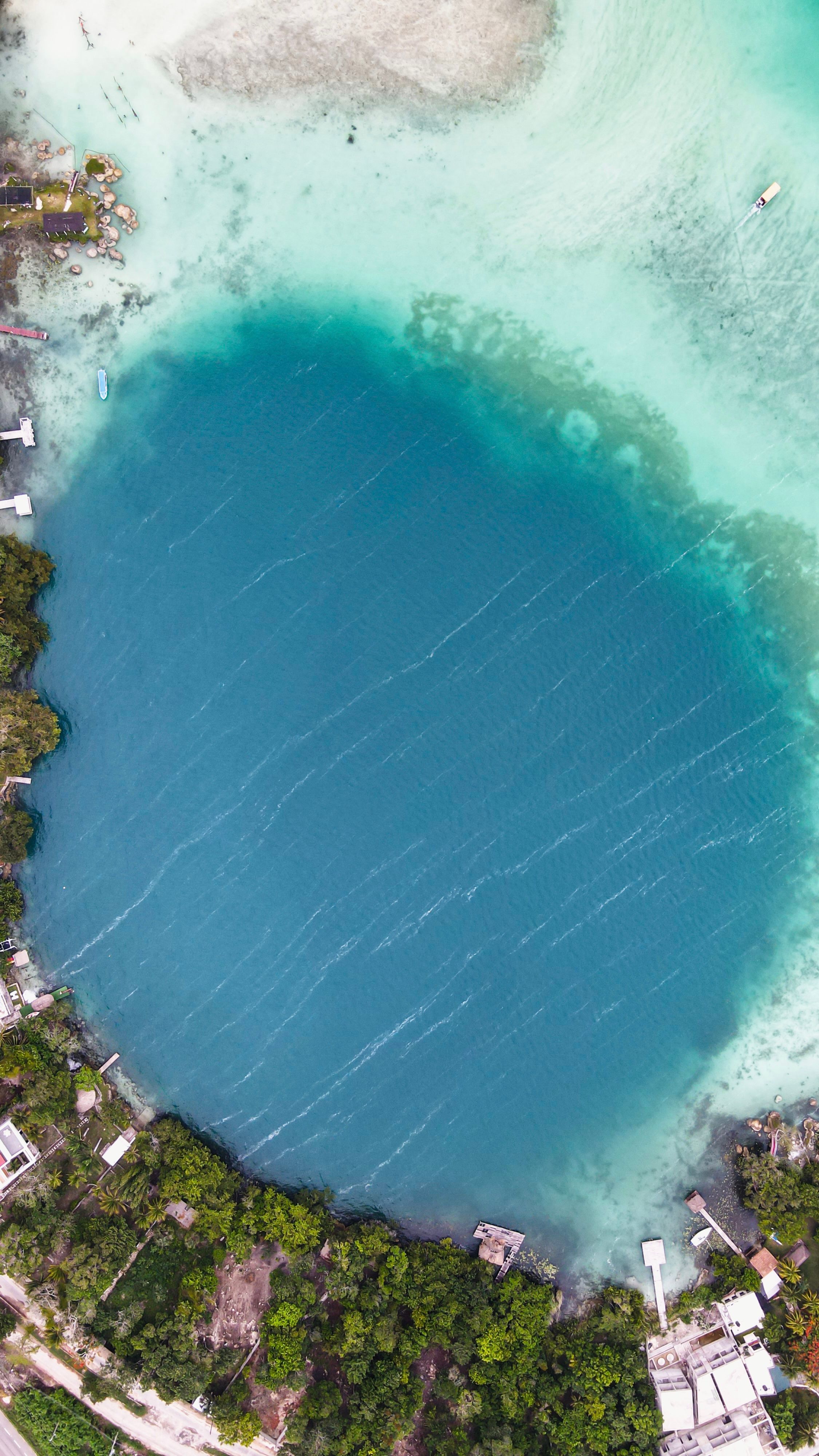
Cenote Cocalitos is located on the western shore of the lagoon, north of Bacalar town. It is technically a series of shallow sinkholes and natural pools connected to the lagoon's edge rather than a single deep cenote. The water is extraordinarily clear, the bottom is sandy and covered with stromatolites (ancient microbial formations that look like dark rocks), and the color in direct midday light is the kind of blue-green that makes you check whether you are actually looking at water.
Swimming at Cocalitos requires some awareness. The stromatolites are among the oldest living organisms on Earth, closely related to the formations that produced Earth's early oxygen-rich atmosphere. Stepping on them causes damage that takes years to recover. Most tour operators brief visitors before entering the water and the rules are non-negotiable.
Entry to Cenote Cocalitos typically costs 100–200 MXN and is included in most guided tour packages. Independent visitors can reach Cocalitos by taking a lancha from the pier, by cycling north along the lagoon road (about 6–7 km), or by taxi. For broader safety practices around cenote swimming, our cenote safety and tour logistics guide covers what every visitor should know before entering any cenote in the Yucatán.
Arrive before 11:00 a.m. if possible. By early afternoon, the site fills with tour groups and the narrow pools become crowded. The morning light is also better for photography.
2026 Pricing: What Things Actually Cost
Here is a clear pricing reference for 2026. All MXN figures are approximate and can vary by operator and season.
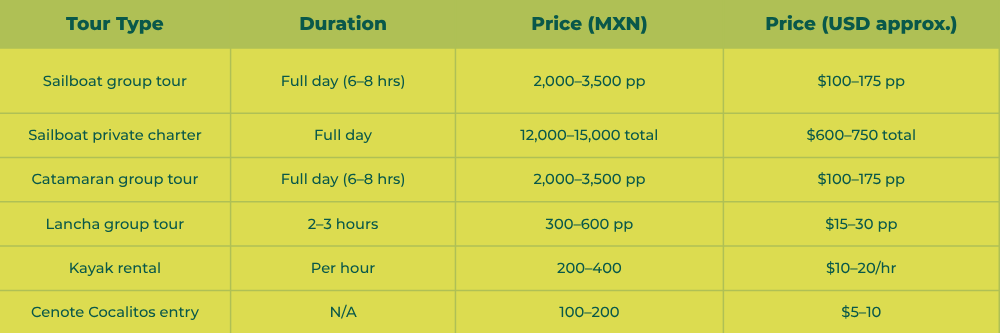
Prices at the pier are negotiable, particularly for lancha tours outside of peak season. Prices for sailboat and catamaran tours booked through operators or hotels are generally fixed. These figures reflect operator rates from the 2024-2025 season; confirm current rates with your operator before booking, as Bacalar pricing has risen year over year.
What the Lagoon Asks of You
A local boat captain our team has worked with in Bacalar runs a sailboat that does the Cenote Cocalitos route. His rule is simple and non-negotiable: no sunscreen unless it is biodegradable, full stop. He keeps a small bin of approved sunscreen on the boat for guests who arrive unprepared, and he charges for it without apology.
Before the first swim stop on a recent trip, a guest pushed back. She had brought her own SPF 50 and did not see what the problem was. He did not argue. He said: "The lagoon is not a swimming pool. What you put in it stays in it." He was not rude about it. He was just done with the conversation.
He is right. The Lagoon of Seven Colors has no outflow to the sea. The water circulates through underground springs but does not flush like a coastal system. Chemical sunscreens, plastics, and pollutants accumulate, and the lagoon has already shown signs of eutrophication in some sections from agricultural runoff.
The practical rules for every visitor:
- Biodegradable sunscreen only. Bring your own or buy it in town before boarding.
- Do not stand on stromatolites at Cocalitos or anywhere else in the lagoon.
- Pack out everything you bring on board. Responsible operators will have trash management on deck.
- Respect the restricted motorized zones. Some sections of the lagoon are protected from motorized watercraft, particularly near ecologically sensitive shores.
SEMARNAT, Mexico's environmental agency, oversees protected water bodies in Quintana Roo including Bacalar. Their guidelines inform what responsible operators enforce on the water. You can read more about national environmental standards at gob.mx/semarnat.
Best Time to Visit Bacalar
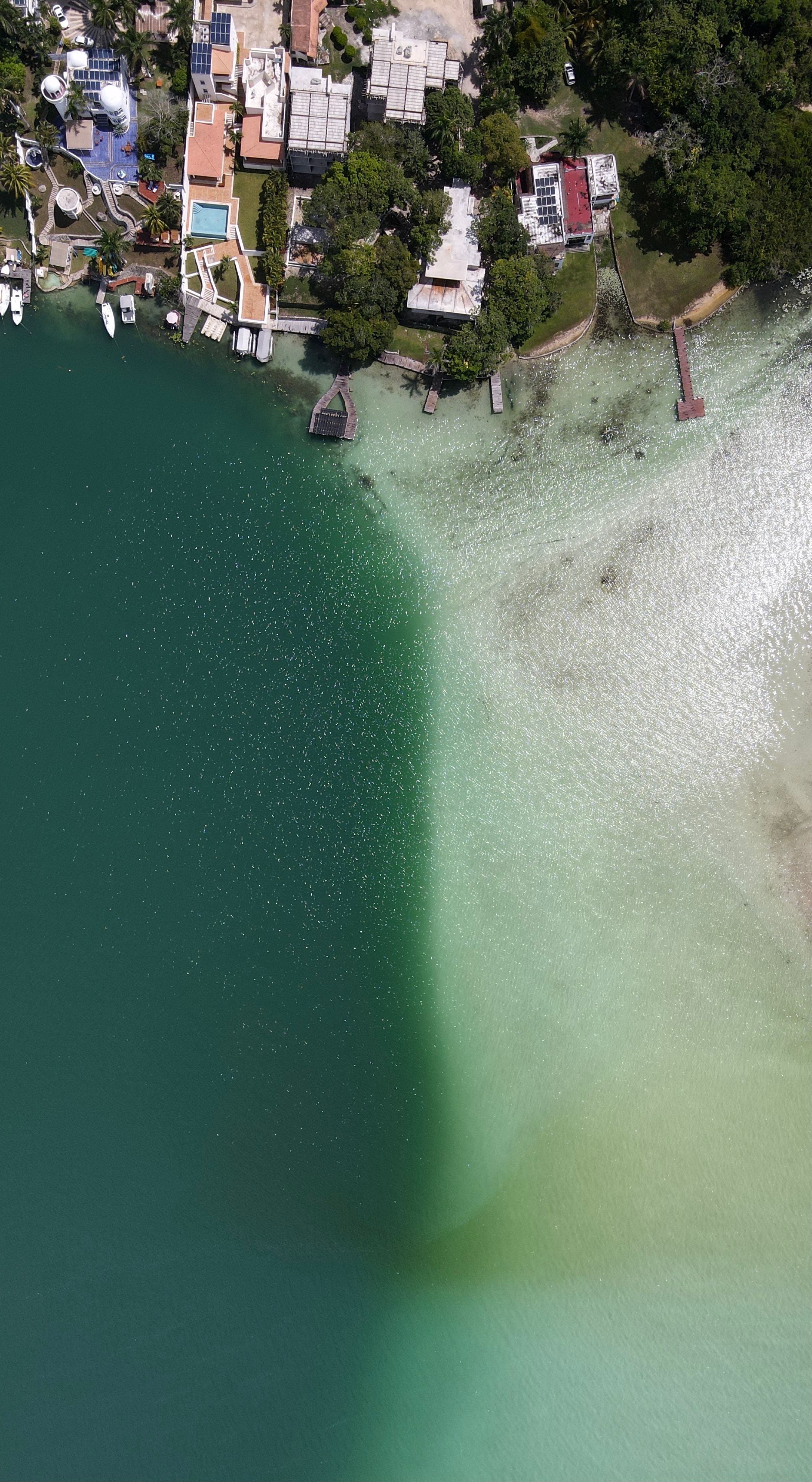
The dry season runs from November through May. This is the best window for boat tours: calm mornings, reliable sunshine, and low humidity. January through March is peak season, with the clearest skies and the most consistent conditions for photography on the water.
The rainy season (June through October) brings afternoon thunderstorms, higher humidity, and occasional rough water that can cancel or shorten boat tours. That said, mornings in the rainy season are frequently clear, and the lagoon's colors can be even more dramatic under stormy light. Prices for accommodation drop significantly in this period, and the town is far less crowded.
Hurricane season overlaps with the rainy season (peak: August through October). Bacalar is far enough inland that major hurricane impacts are less frequent than on the coast, but storms can still affect conditions and access. Check the U.S. State Department's Mexico travel advisory and local weather forecasts before traveling in this window.
For most travelers, November to March hits the best combination of weather, water clarity, and manageable crowd levels. Avoid Semana Santa (Holy Week, the week before Easter) and the Christmas-New Year period unless you have booked well in advance.
Local tip: Bacalar shuts the lagoon down to boats every Wednesday. No sailboats, no catamarans, no lanchas, no kayaks, nothing motorized or paddled. It's a voluntary rest day the local operators agreed to years back to let the water and the stromatolites recover from constant boat traffic, and it's held up better than you'd expect for a self-policed rule in a tourism town. Swimming from shore is still fine, but if your one shot at a boat tour happens to land on a Wednesday, you're out of luck no matter how far in advance you booked. Build your Bacalar days around this before you lock in flights, not after.
Honesty About What Bacalar Has Become
Bacalar has priced out some travelers. A hammock-in-the-water photo from a boutique hotel now runs 3,500 MXN ($175 USD) per night minimum, up from perhaps 800 MXN five years ago. The town that once attracted budget backpackers and long-term slow travelers now caters primarily to couples and groups who have planned in advance and budgeted for a higher-end experience. The transformation is not subtle.
The boat tours remain relatively affordable, which is why they are the part of a Bacalar trip that still feels accessible regardless of budget. A lancha tour for 400 MXN puts you on the same water as the guests at the 6,000 MXN-per-night lakefront villa. That democratization of the actual experience is worth noting.
What has changed is the texture of the town. The small family-run comedores (local restaurants) have been partially replaced by cocktail bars and vegan brunch spots. The long-term travelers who used to shape the social life of the malecón are gone, replaced by influencer content shoots, weekend crowds from Cancún, and a boutique hotel rate card that prices out most Mexican domestic tourists as well as foreign budget travelers.
Bacalar is still one of the most beautiful places in the Yucatán Peninsula, and a day on the lagoon still delivers something most travelers do not forget. Go with accurate expectations and you will not be disappointed. For how a lagoon day works for different traveler types, see our best Yucatán tours for families in 2026 guide, which covers affordability and accessibility.
Bookable Tours
Rutopía works with vetted operators across the Yucatán Peninsula, including southern Quintana Roo. For Bacalar boat tours, we recommend booking through operators who:
- Enforce biodegradable-sunscreen policies
- Provide snorkeling gear and life vests without extra charge
- Allocate at least 45 minutes at Cenote Cocalitos
- Keep group sizes to 12 or fewer per vessel
- Use certified local guides or captains from the Bacalar community
Browse our current Bacalar and southern Quintana Roo tour options at our Mexico tours and packages page. Tailor-made itineraries that include Bacalar start from $3,000 USD per person; a 30% deposit is required 30 days before arrival to secure your booking.
If you are combining Bacalar with other Yucatán stops, our Yucatán itinerary packages for 2026 can help you sequence the trip efficiently, and it fits naturally into our wider Yucatán tours guide.
For travelers weighing whether a private or group tour makes more sense for the lagoon, our Yucatán private tours vs group tours guide lays out the trade-offs clearly.
Heading to Tulum before turning south? See our complete 2026 Tulum ruins tour guide. And for a longer Quintana Roo loop through the biosphere, read our complete Sian Ka'an tours guide.
You can also explore how to book Yucatán tours for 2026 travel for practical booking guidance. Start planning your trip today at our tours and packages page.
FAQ
What is the best boat tour for Bacalar in 2026? For most travelers, a full-day sailboat tour that includes Cenote Cocalitos, lunch, and snorkeling gear is the best single-day experience on the lagoon. It is the most complete introduction to what makes Bacalar distinctive. Budget travelers can get a solid version of the experience on a lancha tour for 300–600 MXN.
How much does a Bacalar boat tour cost? Lancha (motorboat) group tours from the pier cost approximately 300–600 MXN ($15–30 USD) per person for a 2–3 hour circuit. Full-day sailboat or catamaran group tours run 2,000–3,500 MXN ($100–175 USD) per person, typically including lunch and snorkeling. Private sailboat charters cost 12,000–15,000 MXN ($600–750 USD) for the whole boat.
What is Cenote Cocalitos? Cenote Cocalitos is a series of shallow, crystal-clear natural pools on the western shore of Laguna de Bacalar, north of town. It is connected to the lagoon's edge and is one of the most photographed spots in the Bacalar area. Entry typically costs 100–200 MXN. Many boat tours include a stop here.
Can you swim in Bacalar lagoon? Yes, swimming is permitted in most sections of the lagoon, but only with biodegradable sunscreen. Chemical sunscreens are harmful to the lagoon's ecosystem and are prohibited by responsible operators. Do not step on stromatolites at Cenote Cocalitos.
When is the best time to take a Bacalar boat tour? November through May (dry season) offers the most reliable weather and water clarity. January through March is peak dry season. Morning departures (before 10:00 a.m.) are preferable to avoid afternoon wind and heat on the water.
How far is Bacalar from Cancún and Tulum? Bacalar is approximately 3.5 hours from Cancún by car and 2 hours from Tulum. ADO buses connect Cancún to Bacalar (via Chetumal route) in about 4–5 hours. From Tulum, the bus takes approximately 2.5 hours.
Is Bacalar safe to visit in 2026? Bacalar town and the lagoon itself are considered safe for tourists. The area is not in a zone with elevated security concerns. Standard travel precautions apply. Check the U.S. State Department's Mexico travel advisory for current information before traveling.
What sunscreen can you use in Bacalar? Only biodegradable sunscreen is permitted on responsible boat tours and is strongly encouraged everywhere on the lagoon. Most pharmacies and shops in Bacalar town sell biodegradable options. Bring your own to avoid paying inflated boat-deck prices.
Is Bacalar better than Tulum for a 2026 trip? They are different destinations that often complement each other. Tulum is more accessible and has a larger infrastructure for tours and activities. Bacalar is more remote, quieter on the water, and less developed (though rapidly changing). Many travelers do both as part of a southern Quintana Roo loop. See our 2026 Tulum ruins tour guide for comparison.
What else is there to do in Bacalar besides boat tours? Fort San Felipe is a colonial fort and small museum in the town center that takes about an hour to visit. The malecón (lakefront walkway) is worth an evening stroll. A handful of good restaurants and mezcal bars line the main street. Some travelers combine Bacalar with a visit to the Kohunlich Mayan ruins, about 45 minutes west, or connect north into the best ruins tours in Yucatán.
Looking for more Mexico travel resources? Be sure to check out:
Rédigé par
Design your trip to Mexico with a local travel designer. Unique activities and lodging, 100% tailor-made and stress-free.
.webp)


Rejoignez-nous à ce sujet
voyage
Planifiez votre voyage avec nousvoyage
Inscrivez-vous à notre newsletter pour être tenu au courant des nouveautés.
Oups ! Une erreur s'est produite lors de l'envoi du formulaire.
Ready to experience the real Mexico?
Travel with local experts and get hangds-on supoort every step of the way... from planning to arrival.


Your Travel Companion in Mexico, 24/7
We're with you from arrival to departure via WhatsApp for anything you need.
Trusted by thousand of travelers with a 4.9 rating on Google