Personalizar mi viaje


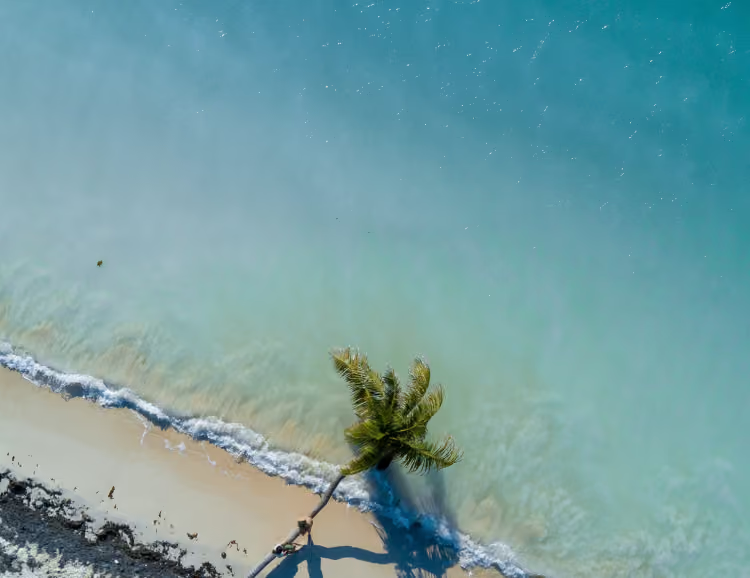
Guía completa de las playas de Oaxaca 2026
Meta descripción: Guía de las playas de Oaxaca: tortugas en Mazunte, el ritmo de Zipolite y la bioluminiscencia en Manialtepec. Logística real y selección de operadores para viajeros en 2026.

Contenido
Destacan nuestro trabajo



Viajes únicos en México.
Hecho a medida para ti.
Solicita tu viajeHecho a medida para ti.
Deja que un guía local te ayude a planificar tu viaje a México
Comience un viaje a medidaLa costa oaxaqueña no es lo que la mayoría imagina al pensar en playas mexicanas. No hay franjas de complejos hoteleros, ni parques acuáticos, ni sistemas todo incluido. Lo que sí ofrece es un litoral de 500 kilómetros frente al Pacífico con rompientes de surf, pequeños pueblos pesqueros, playas de anidación de tortugas marinas, una laguna bioluminiscente y un ritmo pausado que los viajeros de la sierra encuentran perfecto o demasiado tranquilo, según lo que busquen. La costa se encuentra a entre 4 y 6 horas por carretera desde la ciudad de Oaxaca, o a 30 minutos en avioneta, lo que la convierte en una extensión genuina de un viaje a la sierra y no en un destino de excursión de un día. Saber qué playa se adapta a cada viajero marca una diferencia significativa para decidir si la costa es la elección correcta. Si desea integrar esto en un itinerario más amplio por Oaxaca, nuestros planificadores de viajes pueden organizar ambos.
La costa oaxaqueña: qué es y qué no es
La franja costera que visitan la mayoría de los viajeros se extiende aproximadamente desde Puerto Escondido en el noroeste hasta las Bahías de Huatulco en el sureste, unos 120 km de litoral frente al Pacífico. Las playas aquí están expuestas directamente al oleaje abierto, por lo que el surf puede ser potente. El agua es cálida durante todo el año (de 24 a 28 °C). Los pueblos a lo largo de esta costa tienen su propio carácter distintivo: Puerto Escondido es una ciudad de surf con pasado mochilero y una escena gastronómica cada vez más sofisticada; Zipolite es conocida por su ambiente relajado y su playa nudista; Mazunte es un pueblo dedicado a la conservación con alojamientos sencillos y un firme compromiso con la protección de las tortugas; Huatulco es el desarrollo turístico con bahías diseñadas para nadar con mayor tranquilidad.
Lo que la costa oaxaqueña no es: unas vacaciones de playa al estilo de Cancún. No hay grandes complejos hoteleros fuera de Huatulco. La vida nocturna en los pueblos costeros es limitada. El oleaje en la mayoría de las playas principales no es apto para niños pequeños o nadadores con poca experiencia. Esta es una costa para viajeros que buscan un México diferente, no un sustituto del Caribe.
La forma de llegar desde la sierra se detalla en el artículo sobre la excursión a Puerto Escondido, y el contexto completo de la experiencia en Oaxaca se encuentra en el centro de los mejores tours por Oaxaca.
Puerto Escondido: el referente del surf

La identidad de Puerto Escondido gira en torno a la playa Zicatela y su rompiente: una ola rápida y potente que rompe directamente sobre un banco de arena pronunciado, creando el tipo de tubo que aparece en las películas de surf internacionales. No es apta para nadar de forma recreativa. El pueblo de Zicatela, que corre paralelo a la costa, está lleno de tiendas de surf, restaurantes de palapa y alojamientos que van desde hostales con hamacas hasta hoteles boutique bien diseñados.
Las playas más tranquilas para quienes no practican surf se encuentran a 15 minutos a pie o a un corto trayecto en taxi. Puerto Angelito y Carrizalillo son pequeñas calas protegidas con aguas tranquilas ideales para practicar esnórquel. Playa Principal, la playa del pueblo donde la flota pesquera llega cada mañana, es el centro social de la localidad y es lo suficientemente tranquila para las familias.
Puerto Escondido ha cambiado notablemente en los últimos cinco años. Un grupo de talentosos restauradores de la Ciudad de México ha abierto locales gastronómicos de gran nivel en el pueblo: tostadas con influencia oaxaqueña, bares de productos crudos con la pesca del día y coctelerías especializadas en mezcal. Los viajeros que visitaron Puerto Escondido hace diez años y lo recuerdan como un territorio puramente mochilero verán que ha crecido sin perder del todo su esencia.
Ideal para: Surfistas, amantes de la gastronomía aventurera y viajeros que buscan un pueblo costero con suficiente actividad para pasar varios días sin aburrirse.
La recomendación de Rutopia: atrapa tu primera ola
Si siempre has querido aprender a surfear, ¡aprovecha tu estancia y toma una clase! Aprenderás desde cómo dominar el equilibrio y la postura correcta hasta cómo elegir y posicionarte en las olas. También descubrirás cómo leer las condiciones del mar, entender la dinámica de las olas y ejecutar maniobras con confianza y precisión. Zipolite: turismo lento y la playa nudista
Zipolite, a 70 km al este de Puerto Escondido por carretera, es una larga playa con una fuerte resaca y una reputación de décadas como la única playa pública de México donde el uso de ropa es totalmente opcional. El pueblo conserva una energía relajada, bohemia y artística que se ha mantenido constante durante treinta años y no muestra signos de cambiar. El alojamiento consiste principalmente en pequeñas palapas y casas de huéspedes sencillas; el desarrollo de grandes hoteles que ha llegado a Puerto Escondido no ha alcanzado este lugar.
El mar en Zipolite es potente. La playa tiene una pendiente pronunciada, la resaca es real y el sistema de banderas (bandera roja significa peligro; se sabe de nadadores que han tenido serios problemas en esos días) debe tomarse en serio. Es mejor nadar en la zona sur de la playa, más tranquila y cercana al promontorio rocoso.
Lo que atrae a los viajeros a Zipolite en lugar de a otros pueblos costeros es el ritmo. Hamaca. Libro. Cena en una mesa sobre la arena. Repetir. Si eso es lo que buscas, Zipolite es la versión más auténtica de este estilo de vida en la costa oaxaqueña.
Ideal para: Viajeros que buscan desconexión total, una cultura playera de espíritu libre y unos días de bajo costo y sin complicaciones.
Consejo local - Encuentra tu serenidad junto al mar: Si tu objetivo principal es relajarte por completo frente al océano, Zipolite es tu destino. Con su ambiente relajado y sus costas serenas, es el lugar perfecto para disfrutar de tu libro favorito al ritmo relajante de las olas.
Mazunte: tortugas, conservación y el Centro Mexicano de la Tortuga
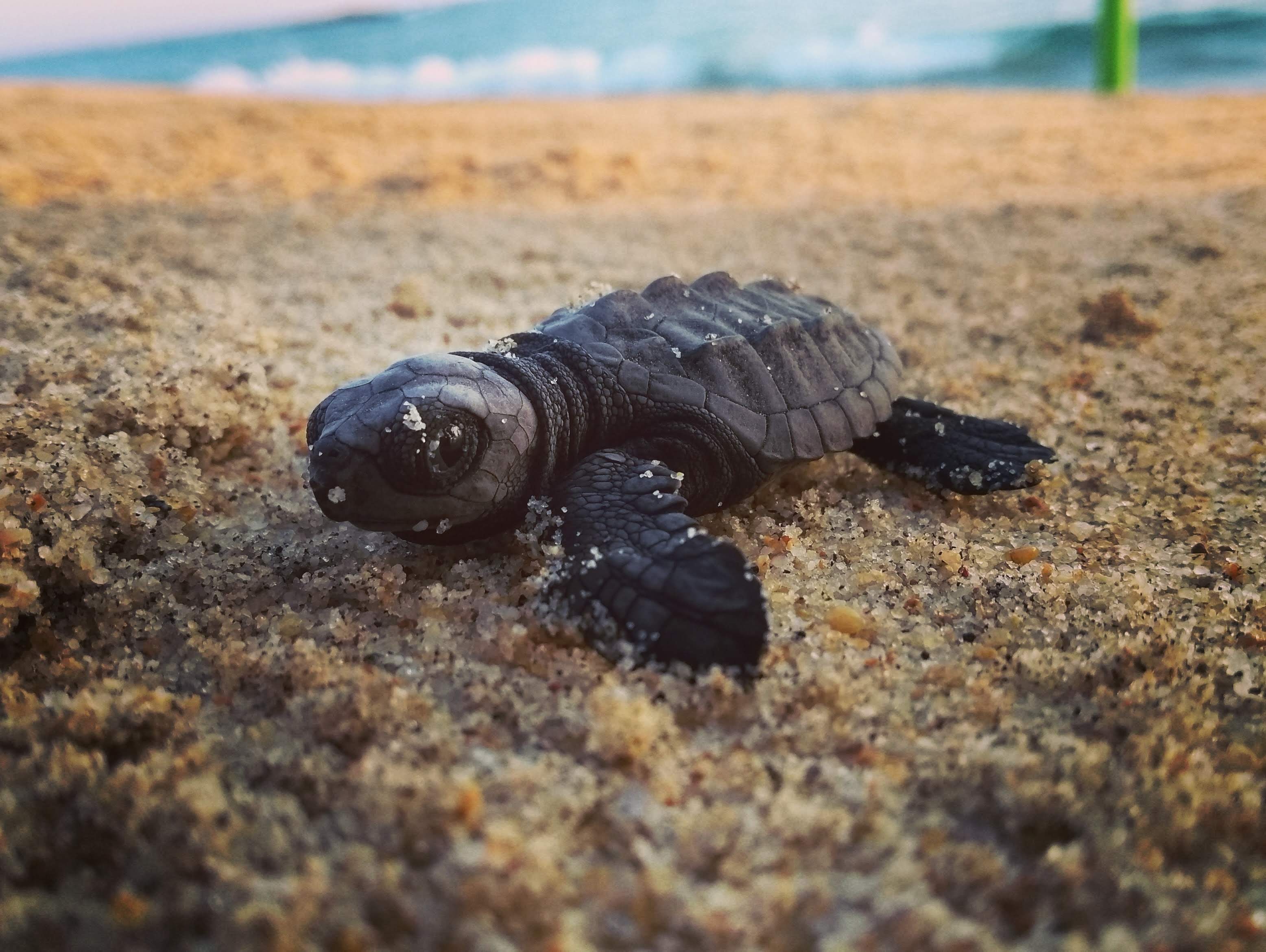
Mazunte se encuentra a 20 minutos en coche al este de Zipolite y tiene una razón de ser diferente: fue un pueblo dedicado al procesamiento de tortugas marinas hasta 1990, cuando México prohibió la caza comercial de tortugas y la comunidad tuvo que reconstruir su economía por completo. Lo logró a través del turismo comunitario, una cooperativa de cosméticos naturales (de la cual The Body Shop se abasteció durante un tiempo) y el Centro Mexicano de la Tortuga, un centro de investigación y exhibición que alberga tortugas marinas vivas de diversas especies en grandes tanques y un corral marino.
La playa de Mazunte es hermosa y apta para nadar en su extremo este. El promontorio de Punta Cometa, a 20 minutos a pie del pueblo, es uno de los puntos más al sur de la costa del Pacífico mexicano y ofrece una puesta de sol que los viajeros consideran una de las mejores de todo el viaje.
Consejo local - La puesta de sol de postal perfecta: No puedes perderte la puesta de sol en Punta Cometa. Te recomendamos llegar temprano para asegurar el mejor lugar, lo que te dará tiempo suficiente para instalarte y capturar esa foto perfecta de postal mientras el sol se oculta en el horizonte.
El desove de las tortugas marinas ocurre en las playas desde junio hasta enero, con eventos de anidación masiva (arribadas) en la cercana playa de Escobilla. Se organizan recorridos nocturnos guiados para observar tortugas a través de operadores de conservación locales; esta es la única forma legal de acercarse a las tortugas que anidan, y los guías saben cómo gestionar el comportamiento de los visitantes para evitar molestar a los animales.
Ideal para: Viajeros interesados en la vida silvestre y la conservación, y aquellos que buscan una playa más tranquila que Puerto Escondido con una experiencia específica como punto central.
Viaja con propósito: apoya la conservación de las tortugas marinas
Recomendamos encarecidamente visitar el Centro Ecoturístico La Escobilla, un proyecto local dedicado a la protección de las tortugas marinas. Aquí, visitarás el corral de incubación y conocerás de primera mano todo su ciclo de vida, desde la anidación y la eclosión hasta la importancia crítica de proteger los huevos contra la caza furtiva.
El punto culminante de la visita es participar en la liberación de tortugas, una experiencia profundamente conmovedora que depende totalmente de los tiempos de la naturaleza. Ver a estas pequeñas crías navegar instintivamente hacia el océano es un momento poderoso de reflexión y conexión con la naturaleza que apoya directamente los esfuerzos de conservación locales.
San Agustinillo: el más tranquilo de los cuatro
San Agustinillo se encuentra entre Mazunte y Zipolite, en una pequeña bahía curva con aguas más tranquilas que las de sus vecinos. Es el más pequeño de los principales pueblos costeros y el más genuinamente tranquilo: cuenta con un puñado de restaurantes, una pequeña franja de hoteles de palapa y una playa apta para nadar durante la mayor parte del año, a diferencia de las zonas de oleaje de Zipolite y Puerto Escondido.
Es posible avistar ballenas desde San Agustinillo durante la temporada de jorobadas (de diciembre a marzo); las ballenas pasan por las aguas cercanas a la costa y se ofrecen recorridos en lancha desde la playa.
Ideal para: familias con niños que necesiten aguas más tranquilas y viajeros que busquen un ambiente costero sin la infraestructura de una ciudad.
Safari marino: descubre una vida marina asombrosa
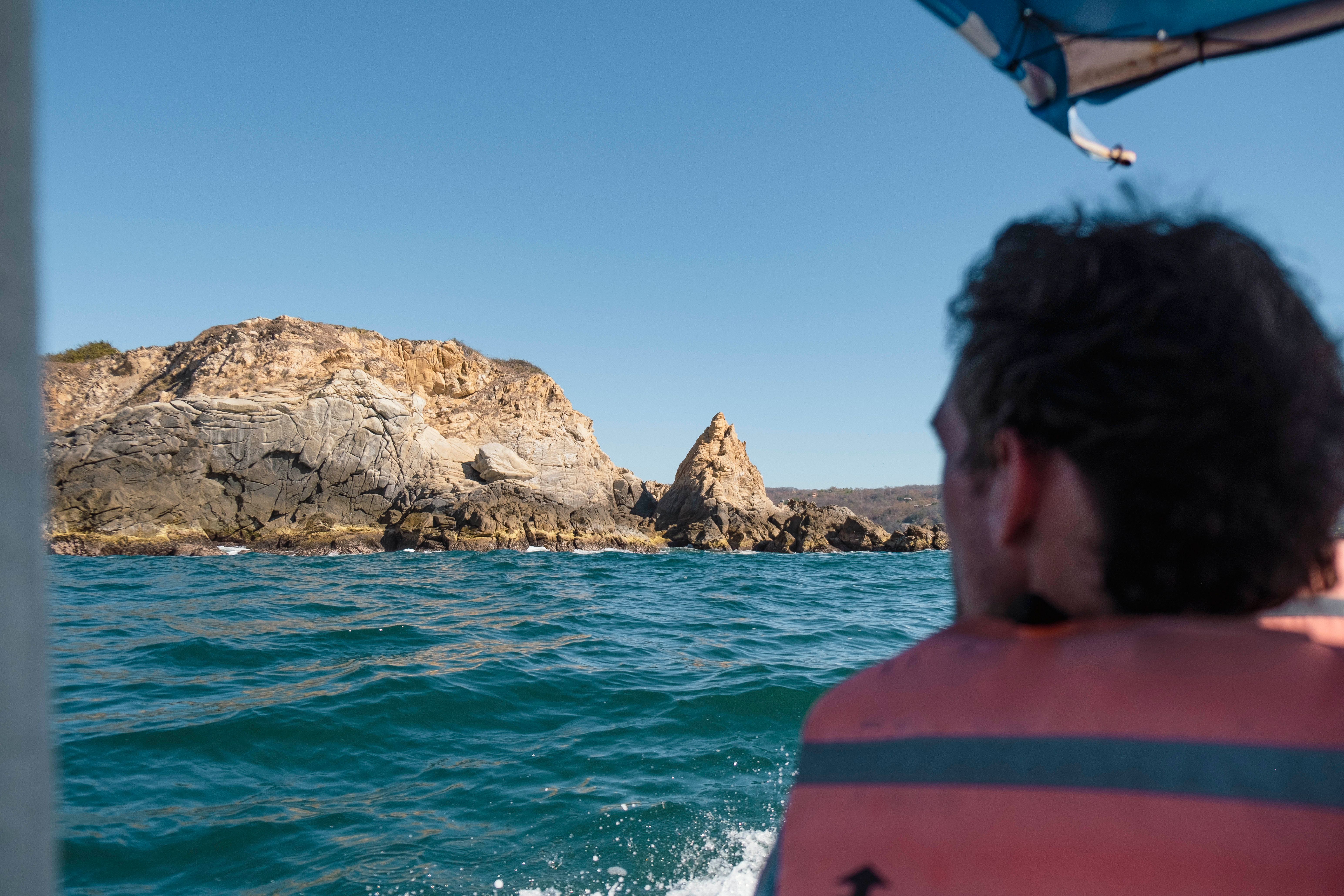
¡Recomendamos encarecidamente realizar un safari en lancha para experimentar de cerca la vibrante vida marina! Dependiendo de la época del año, podrás ver juguetones grupos de delfines saltando junto a la embarcación y tortugas marinas deslizándose por el agua.
Además, si nos visitas durante la temporada de migración invernal (de diciembre a marzo), ¡podrías tener la suerte de presenciar el espectáculo oceánico definitivo: majestuosas ballenas jorobadas saltando y ofreciendo un show impresionante en las cálidas aguas del Pacífico!
Laguna de Manialtepec: logística de la bioluminiscencia
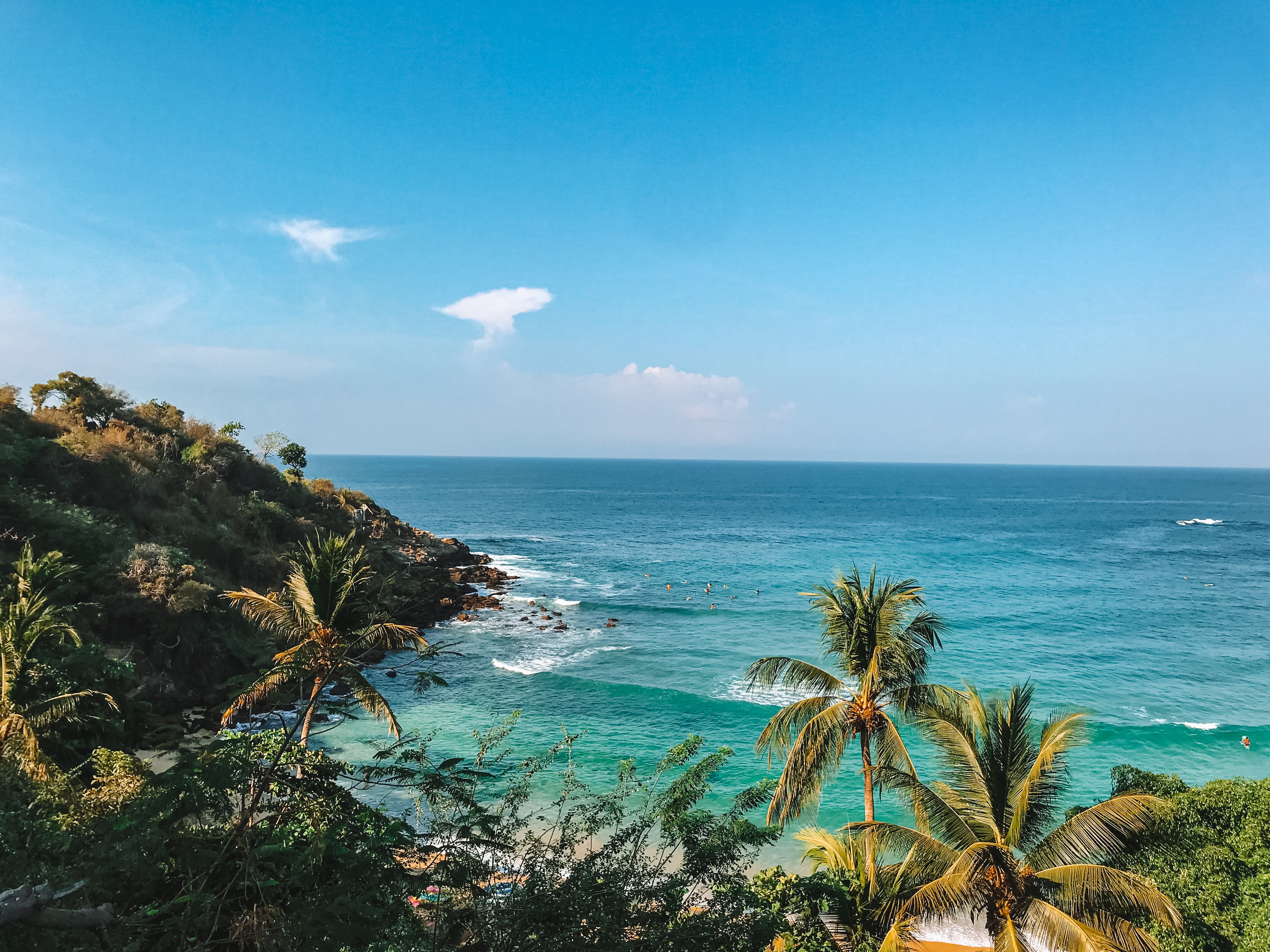
La laguna de Manialtepec, situada a 14 km al oeste de Puerto Escondido, es el principal destino para experimentar la bioluminiscencia en la costa oaxaqueña. Los dinoflagelados que producen esta luz azul verdosa al ser perturbados se concentran en las aguas salobres de la laguna, donde el río se encuentra con el mar. Recorrer la laguna en kayak o en una pequeña embarcación durante la noche, observando cómo el agua se ilumina con cada palada o con el paso del bote, es una experiencia sensorial que, aunque difícil de capturar en fotografías, resulta impresionante en persona.
Logística práctica: los recorridos comienzan al anochecer y duran entre 2 y 3 horas. Las mejores noches son aquellas cercanas a la luna nueva (sin la interferencia de la luz lunar) y durante los meses secos, de abril a junio, cuando la salinidad en la laguna es mayor. La temporada de lluvias (de julio a octubre) provoca una dilución debido a la entrada de agua del río, lo que puede reducir la intensidad del fenómeno. Aunque los tours operan durante todo el año, el periodo de luna nueva en la temporada seca es el momento óptimo.
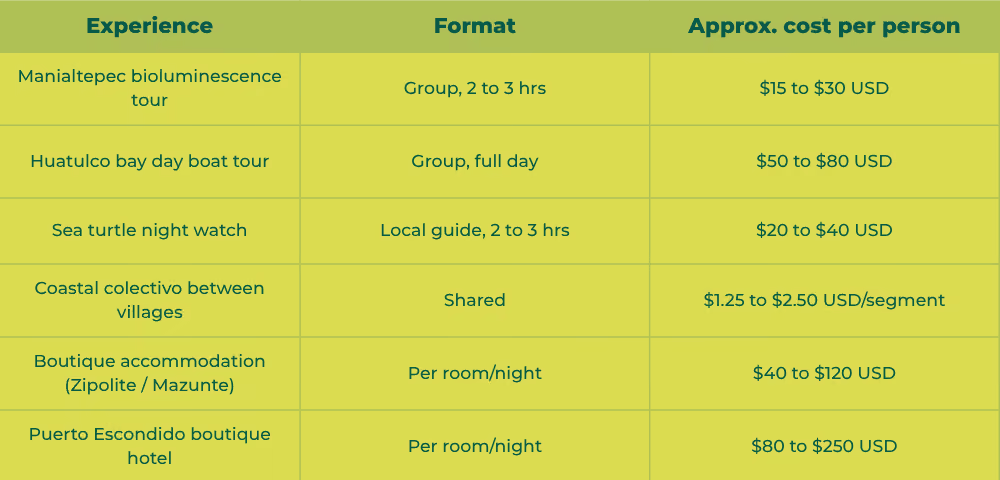
Es recomendable reservar a través de un operador en Puerto Escondido en lugar de intentar ir por cuenta propia; los puntos de acceso a la laguna requieren una embarcación y un guía que conozca dónde se concentran los dinoflagelados cada noche. Los precios oscilan entre 300 y 600 MXN por persona (de 15 a 30 USD).
La mejor opción de Rutopía: kayak entre el resplandor
Para una aventura verdaderamente surrealista, nada supera un tour nocturno en kayak para presenciar la magia de la bioluminiscencia. Mientras remas a través de las aguas oscuras, millones de organismos microscópicos se iluminan con cada movimiento de tu remo, dejando un rastro de neón azul brillante tras tu kayak.
Consejo de experto: Para ver el resplandor en su máximo esplendor, intenta reservar tu tour durante la fase de luna nueva , cuando el cielo nocturno está más oscuro y el agua se convierte en la verdadera protagonista.
No toques el agua durante el recorrido. No porque sea dañino, sino porque los aceites de la piel humana alteran las colonias de dinoflagelados y reducen la intensidad de la luz para todos los que se encuentran en el agua detrás de ti.
Huatulco: si buscas complejos turísticos
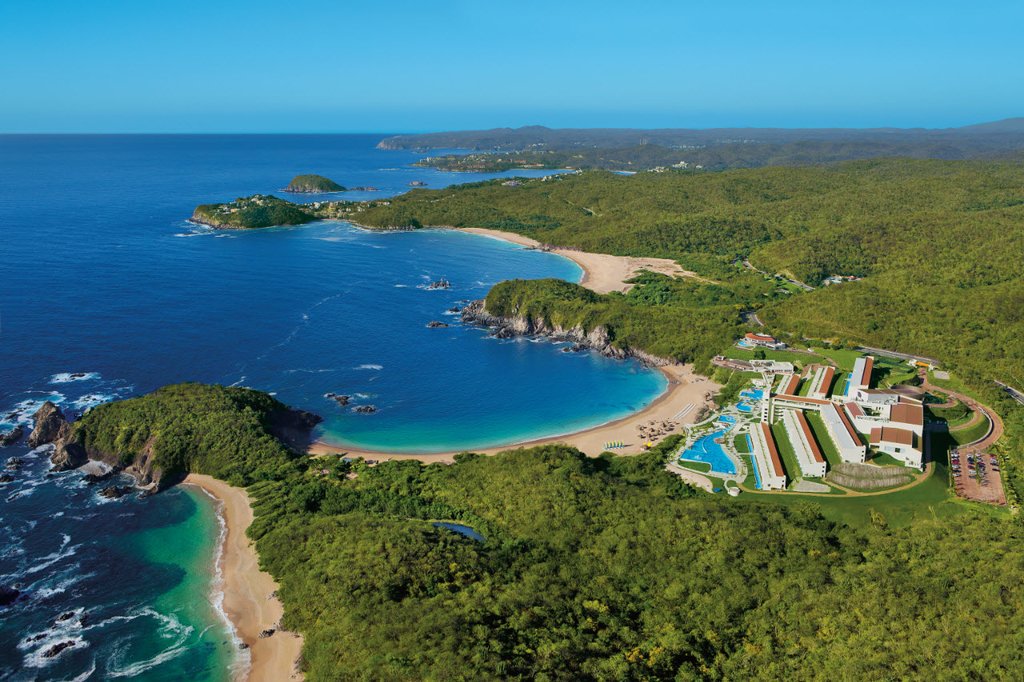
Huatulco se encuentra a 90 km al este de Puerto Escondido y es una propuesta totalmente distinta. FONATUR (la agencia federal de desarrollo turístico de México) lo planificó y desarrolló como destino vacacional en la década de 1980, lo que significa que cuenta con la infraestructura de una zona turística: una marina, múltiples bahías protegidas con aguas tranquilas ideales para practicar esnórquel y nadar en familia, un aeropuerto internacional y una oferta hotelera que va desde opciones de gama media hasta hoteles de cinco estrellas.
Si buscas la infraestructura de un complejo turístico organizado, piscina, aguas garantizadas y servicio a la habitación, Huatulco es el destino correcto en la costa oaxaqueña. Si buscas el carácter auténtico de pueblo costero que ofrecen Zipolite y Mazunte, Huatulco no es el lugar. Ambas son opciones de viaje válidas para distintos tipos de viajeros.
Las bahías de Huatulco (el parque nacional Bahías de Huatulco abarca nueve bahías) son realmente hermosas y el esnórquel en sus sistemas arrecifales es de los mejores y más accesibles del Pacífico mexicano. Los recorridos en barco por las bahías son la actividad estándar para los visitantes y están muy bien organizados.
Ideal para: Familias que necesitan infraestructura turística, viajeros que desean disfrutar de la costa del Pacífico sin el ambiente mochilero y aficionados al esnórquel.
Cómo llegar a la costa desde la ciudad de Oaxaca
Toda la logística se encuentra en el artículo sobre excursiones a Puerto Escondido. Resumen: el avión pequeño (30 minutos) o el vehículo privado (de 5 a 6 horas) son las dos opciones prácticas para la mayoría de los viajeros. El autobús está disponible, pero es lento. Los vuelos comerciales conectan a través de la Ciudad de México tanto con el aeropuerto de Puerto Escondido (PXM) como con el de Huatulco (HUX).
Cuánto tiempo dedicar y cómo organizar el recorrido por las playas
De tres a cuatro noches en la costa son suficientes para experimentar tanto la energía de pueblo surfista de Puerto Escondido como el ritmo más tranquilo de Zipolite o Mazunte. La secuencia estándar: 2 noches en Puerto Escondido (playa de surf, gastronomía, tour a Manialtepec una tarde), y luego trasladarse hacia el este en colectivo o taxi a Zipolite o Mazunte por 1 o 2 noches.
Las camionetas colectivas recorren la carretera costera entre los cuatro pueblos durante todo el día por un costo de 25 a 50 MXN por trayecto. La carretera está pavimentada y el viaje entre Puerto Escondido y Mazunte toma alrededor de 90 minutos con paradas.
Para el itinerario completo que combina la costa con los valles centrales, la guía de paquetes de itinerarios por Oaxaca incluye una plantilla de 10 días que contempla una extensión de 3 noches en la costa.
Excursiones y experiencias costeras reservables
- Tour nocturno de bioluminiscencia en Manialtepec (a través de operadores de Puerto Escondido, reserva local): de 2 a 3 horas, en kayak o lancha. Entre 15 y 30 USD por persona.
- Tour en barco de día para hacer esnórquel en la bahía de Huatulco (GetYourGuide o local): día completo, varias bahías, equipo de esnórquel incluido. Entre 50 y 80 USD por persona.
- Observación nocturna de tortugas marinas, Mazunte (operadores de conservación locales): de 2 a 3 horas, de junio a enero. Entre 20 y 40 USD por persona.
- Extensión personalizada a la costa de Oaxaca (Rutopía): Añadida a un viaje por las tierras altas, logística de vuelos, selección de hoteles en los pueblos costeros. Contáctanos para conocer los precios actuales.
Resumen de precios
Preguntas frecuentes
¿Qué playa es mejor para familias con niños pequeños? San Agustinillo por sus aguas tranquilas, o las bahías protegidas de Huatulco. La cala Carrizalillo en Puerto Escondido es accesible. La playa principal de Zipolite y el oleaje de Zicatela en Puerto Escondido no son adecuados para niños pequeños debido a la fuerza de las olas y las corrientes de resaca.
¿Está garantizada la bioluminiscencia? No. La bioluminiscencia natural varía según el ciclo lunar, las precipitaciones y la salinidad. Un buen operador te dirá con honestidad si las condiciones de esa noche son débiles. La luna nueva junto con la temporada seca ofrecen las mejores probabilidades. Gestionando expectativas: incluso en una noche "tranquila", el fenómeno es visible. En una noche intensa, es extraordinario.
¿Es seguro nadar en Zipolite? En el extremo este de la playa, en las aguas más tranquilas cerca de la punta rocosa, sí. El tramo central de la playa de Zipolite tiene una fuerte resaca y es responsable de un número desproporcionado de ahogamientos en la costa del Pacífico en México. El sistema de banderas de los socorristas es real: nade solo cuando ondeen las banderas verdes o amarillas.
¿Es buena la comida de la costa oaxaqueña? La oferta gastronómica de Puerto Escondido ha mejorado drásticamente en los últimos años; las tostadas de atún fresco y el ceviche de la pesca del día son los platos estrella. Zipolite y Mazunte tienen menos opciones, pero lo que hay (tacos de pescado, jugos naturales, comidas sencillas en palapas) es honesto y bueno. No espere la profundidad culinaria de la ciudad de Oaxaca; eso se queda en los valles centrales.
Looking for more Mexico travel resources? Be sure to check out:
- Los mejores tours en Oaxaca para reservar en 2026
- ¿Valen la pena las excursiones de un día de Puerto Escondido a Oaxaca?
- Cómo planificar tours de naturaleza en Oaxaca en 2026
- Qué saber sobre los paquetes de itinerarios en Oaxaca para 2026
- Los mejores tours en Oaxaca para parejas en 2026
- Los mejores tours en Oaxaca para familias en 2026
Escrito por
Design your trip to Mexico with a local travel designer. Unique activities and lodging, 100% tailor-made and stress-free.
.webp)
Publicaciones relacionadas

Duration:
Blog title heading will go here
Days
Quetzal El Triunfo
Conoce una de las aves más maravillosas y sagradas de América, el Quetzal, en El Triunfo Chiapas y ten el privilegio de observarlo.
Leer más

Duration:
Blog title heading will go here
Days
Oaxaca Family Destination
Oaxaca es un lugar de felicidad donde su gente es tan cálida como su clima, lo que lo convierte en uno de los estados más seguros de México.
Leer más
Duration:
Blog title heading will go here
Days
dia-muertos-con-una-atmosfera-colonial-en-chiapas
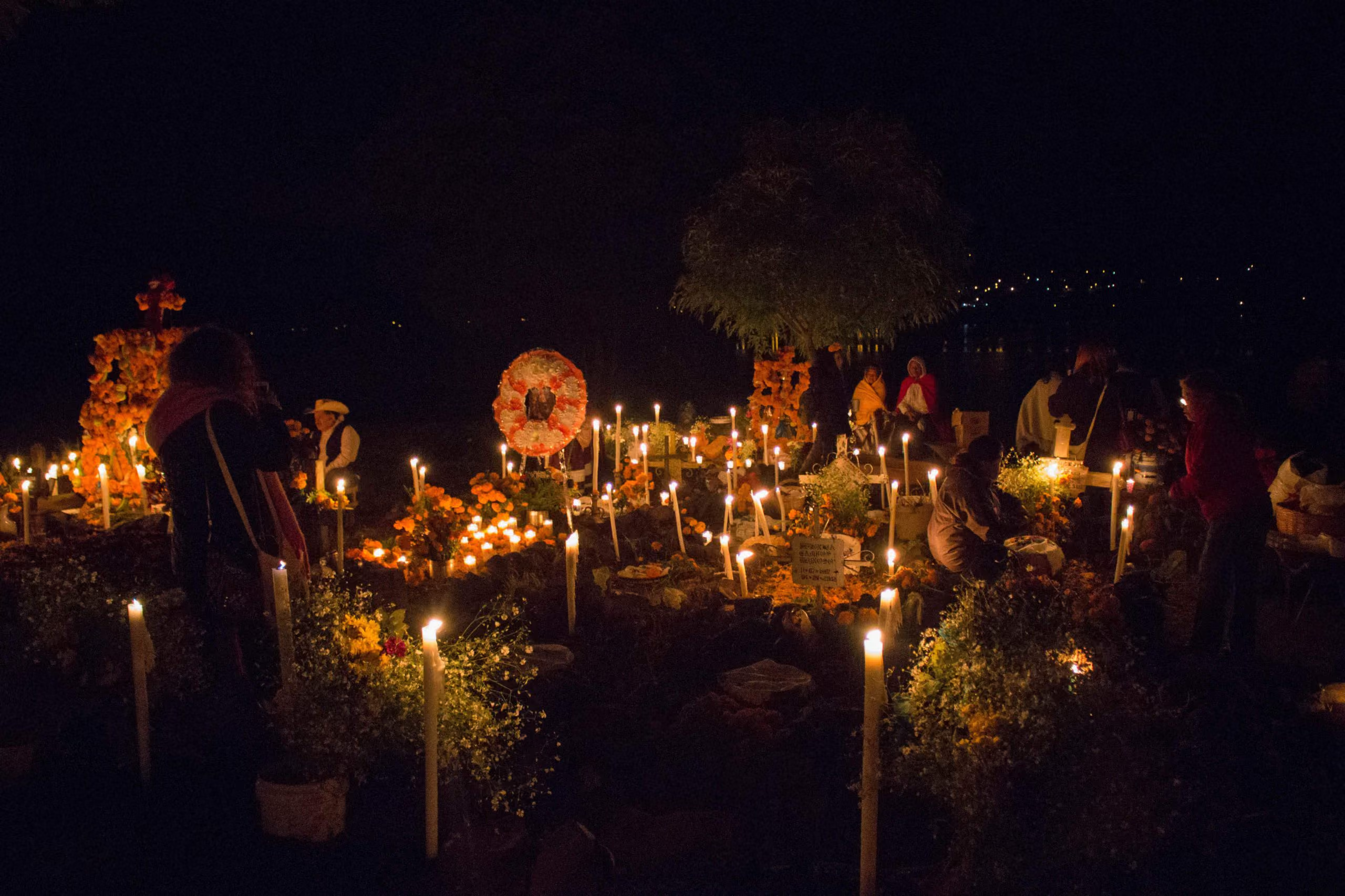
Vive el Día de Muertos en Chiapas, donde la celebración se fusiona con una atmósfera colonial única, llena de tradiciones, colores y rituales ancestrales.
Leer más
Únete a nosotros sobre esto
viaje
Planifica tu viaje con nosotrosviaje
Únete a nuestro newsletter para mantenerte al tanto de novedades y consejos para tus viajes.
¡Vaya! Se ha producido un error al enviar el formulario.
Ready to experience the real Mexico?
Travel with local experts and get hangds-on supoort every step of the way... from planning to arrival.

Your Travel Companion in Mexico, 24/7
We're with you from arrival to departure via WhatsApp for anything you need.
Trusted by thousand of travelers with a 4.9 rating on Google