Personalizar mi viaje


Guía de Teotihuacán 2026 desde la Ciudad de México
Guía de Teotihuacán desde la Ciudad de México: amanecer frente a mediodía, realidades de los viajes en globo y operadores autorizados. Selección de rutas del equipo de Rutopía en CDMX.


Contenido
Destacan nuestro trabajo



Viajes únicos en México.
Hecho a medida para ti.
Solicita tu viajeHecho a medida para ti.
Deja que un guía local te ayude a planificar tu viaje a México
Comience un viaje a medidaTeotihuacán es el sitio arqueológico más visitado de México y uno de los más concurridos del mundo, lo que genera una paradoja: la experiencia que atrae a la gente —estar en la cima de la Pirámide del Sol al amanecer, rodeado solo de montañas y geometría antigua— es cada vez más difícil de conseguir debido a la enorme cantidad de personas que buscan lo mismo. La buena noticia es que la elección del horario está totalmente bajo tu control. Un viajero que llega a las 8:00 a. m. un martes con un guía arqueólogo certificado vive una experiencia distinta a la de alguien que llega a las 11:00 a. m. un sábado en un tour grupal. Esta guía trata sobre cómo tomar esa decisión correctamente. Para un viaje privado a Teotihuacán integrado en tu visita a la Ciudad de México, nuestro equipo puede gestionar la logística de acceso temprano.
Qué es realmente Teotihuacán
Teotihuacán no es un sitio azteca. Este es el error más común y, al corregirlo, cambia por completo la forma en que recorres el lugar. Los aztecas llegaron cuando la ciudad ya estaba abandonada, vacía desde al menos cinco siglos antes de que su propia civilización surgiera. La llamaron "el lugar donde fueron creados los dioses" y peregrinaban hasta allí. No tenían memoria de quién la construyó, y nosotros tampoco con certeza.
Los constructores de Teotihuacán levantaron la tercera pirámide más grande del mundo (la Pirámide del Sol), la Pirámide de la Luna en el extremo norte de la Calzada de los Muertos, y una cuadrícula urbana planificada que cubría 20 kilómetros cuadrados en su apogeo (aproximadamente entre 150 y 250 d. C.), albergando una población estimada de 100,000 a 200,000 habitantes. En aquel momento, era una de las ciudades más grandes del mundo. La cueva que se extiende directamente bajo la Pirámide del Sol —descubierta en 1971 y excavada solo parcialmente— es objeto de investigaciones constantes que siguen transformando lo que sabemos sobre la organización religiosa y política del sitio.
El centro de mejores tours en la Ciudad de México cubre cómo encaja Teotihuacán dentro de una visita más amplia a la CDMX.

Cómo llegar desde la Ciudad de México: las opciones reales
En tour grupal (camioneta compartida): La opción estándar. Los tours salen de varios hoteles y puntos de encuentro en la CDMX, generalmente entre las 8:00 y las 9:00 a. m., llegan al sitio entre las 10:00 y las 10:30 a. m. y ofrecen de 2 a 3 horas de visita antes de regresar. La desventaja: llegas cuando el sitio está más concurrido y dependes del horario del grupo en lugar del tuyo.
En vehículo privado: Sal de tu hotel entre las 6:30 y las 7:00 a. m. para llegar al sitio antes de las 8:00 a. m., hora de apertura al público general. Con un conductor que conozca el estacionamiento de la Puerta 1 (entrada norte, la más cercana a la Pirámide de la Luna), estarás en la Calzada de los Muertos antes de que los autobuses turísticos hayan salido de la CDMX. Este es el formato que garantiza la experiencia que la gente recuerda y recomienda durante años.
En autobús (por cuenta propia): La terminal de autobuses TAPO, en el oriente de la Ciudad de México, ofrece servicios a San Juan Teotihuacán cada 30 minutos. Duración total del trayecto: de 1 a 1.5 horas. Costo: entre 50 y 80 MXN (aprox. 2.50 a 4 USD) por trayecto. Es una opción legítima y económica para viajeros independientes que se sienten cómodos navegando en las terminales de autobuses mexicanas. El autobús te deja en el pueblo, desde donde deberás tomar un taxi o caminar un poco hasta la zona arqueológica.
En Metro + autobús: Metro hasta Indios Verdes (Línea 3) y luego un autobús o combi hacia Teotihuacán. Toma de 2 a 2.5 horas por trayecto. Solo para viajeros con presupuesto muy ajustado; no se recomienda para quienes tienen poco tiempo.
Consejo local: Pasa la noche en Teotihuacán. Si tienes varios días en la Ciudad de México, la mejor opción es pasar una noche en Teotihuacán. Recomendamos ampliamente hospedarse en Villas Arqueológicas Teotihuacán, un hotel ubicado justo en el corazón de la zona, donde podrás disfrutar de una experiencia verdaderamente inmersiva y tranquila antes de que lleguen las multitudes.
El horario: la decisión más importante de todas
El sitio abre a las 8:00 a. m. (verifique los horarios actuales antes de su visita; el INAH ajusta ocasionalmente los horarios de temporada). La Pirámide del Sol está orientada hacia el este, lo que significa que la primera luz de la mañana incide directamente sobre su fachada. A las 8:15 a. m. en un día despejado, estar en la base de la Pirámide del Sol con la luz de la mañana sobre la piedra y sin nadie más alrededor es la experiencia desde la cual se tomaron las fotografías.
Para las 10:30 a. m., el sitio se siente lleno. A las 11:30 a. m. durante un fin de semana, la Pirámide del Sol tiene fila para subir y la Calzada de los Muertos está lo suficientemente concurrida como para tener que esquivar a otros grupos en lugar de caminar libremente. A la 1:00 p. m., el sol está directamente sobre nuestras cabezas y la vasta extensión del sitio, sin sombra, resulta verdaderamente agotadora.
La implicación práctica: llegue a las 8:00 a. m. o acepte que está visitando una versión diferente del sitio. Si no puede llegar a las 8:00 a. m., las 9:00 a. m. en un día laborable es aceptable. Las 11:00 a. m. de un fin de semana es el peor escenario posible en Teotihuacán.
La cuestión de los globos aerostáticos
Los paseos en globo aerostático sobre Teotihuacán al amanecer son muy promocionados y frecuentemente compartidos en Instagram. Aquí está la realidad.
Los paseos son realmente espectaculares en buenas condiciones: de 30 a 40 minutos flotando sobre la Calzada de los Muertos mientras el sol sale detrás de las montañas hacia el este. El sitio arqueológico visto desde esa altitud es extraordinario.
Las variables a considerar: los vuelos dependen de las condiciones climáticas y se cancelan con poca antelación si el viento o la visibilidad son marginales. La salida al amanecer implica dejar su hotel en CDMX entre las 4:00 y las 4:30 a. m. El vuelo dura aproximadamente de 30 a 40 minutos; la experiencia completa, incluyendo transporte, inflado, vuelo y aterrizaje, es de 5 a 6 horas. Los precios oscilan entre 2,200 y 3,500 MXN por persona (de 110 a 175 USD) dependiendo del operador. Entre los operadores se encuentran Globos Teotihuacán y varios otros que operan desde la misma zona de despegue al oeste del sitio.
El compromiso honesto: el globo le ofrece una perspectiva aérea, pero no acceso al sitio durante las mejores horas en tierra. Los viajeros que eligen el globo suelen aterrizar entre las 7:00 y las 7:30 a. m. y luego ingresan al sitio con todos los demás a las 8:00 a. m., lo que significa que lo han visto desde arriba, pero no han tenido la experiencia sin multitudes que brinda el acceso temprano al sitio. Para el viajero que busca una sola experiencia: vaya al sitio temprano. Para el viajero que ya ha visitado el lugar y desea una nueva perspectiva: el globo es una opción razonable.

Para una experiencia única y completa: vuelo en globo + tour en bicicleta
Si busca una forma verdaderamente única y fuera de lo común de conquistar Teotihuacán, ¡no se pierda esta aventura! Prepárese para pedalear en un emocionante tour en bicicleta de aproximadamente 10 km, donde descubrirá la mística Ruta de los Murales, un antiguo observatorio natural y las vistas más impresionantes de la Ciudad de los Dioses. Para cerrar con broche de oro, visitará el taller de una apasionada familia de artesanos locales; allí, descubrirá los secretos de la obsidiana y cómo la transforman en piezas de arte, todo mientras deleita su paladar con una degustación de auténtico pulque y deliciosos productos elaborados a base de xoconostle, el fruto de cactus más icónico de la región.
Guías certificados y su valor añadido
El INAH certifica guías específicamente para Teotihuacán. Un guía acreditado en Teotihuacán ha aprobado exámenes de conocimientos arqueológicos específicos del sitio y está al tanto de los hallazgos de las excavaciones actuales. Lo que aportan de forma sustancial:
Los descubrimientos continuos en el Túnel de la Serpiente Emplumada (el sistema de túneles excavado bajo la pirámide de Quetzalcóatl, hallado en 2003 y aún en proceso de excavación) cambian lo que sabemos sobre el sitio cada pocos años. Un buen guía acreditado ofrece el estado actual del conocimiento en lugar de la versión de los libros de texto de los años 80.
La interpretación de tallas y relieves específicos —en la pirámide de Quetzalcóatl, donde las cabezas de serpiente emplumada se alternan con una deidad de la lluvia en un patrón que codifica información astronómica— requiere a alguien que haya estudiado la iconografía específicamente, no a un generalista que haya visitado el sitio muchas veces.
Puede contratar a un guía acreditado en la entrada del sitio; la asociación de guías mantiene un módulo cerca de cada puerta. Las tarifas están fijadas: aproximadamente de 600 a 1,200 MXN (de 30 a 60 USD) por un recorrido de 2 horas para un grupo de hasta 6 personas. Reservar con antelación a través de un operador turístico que especifique un arqueólogo acreditado ofrece resultados más consistentes que contratar en la puerta.
Qué ver y en qué orden
La secuencia recomendada para una visita de 3 horas:
Entre por la Puerta 1 (norte) y avance hacia el sur a lo largo de la Calzada de los Muertos. La Pirámide de la Luna está directamente frente a usted al entrar; comience aquí cuando haya menos gente y la luz sea mejor en la cara norte.
Suba a la Pirámide de la Luna (actualmente abierta para subir a sus terrazas inferiores; la cima está restringida). Desde la segunda plataforma, se puede ver toda la extensión de la Calzada de los Muertos hacia el sur: esta es la fotografía emblemática de Teotihuacán, mejor que cualquier otra que pueda tomar desde la Pirámide del Sol, ya que la propia Pirámide del Sol aparece en el encuadre.
Camine hacia el sur por la Calzada de los Muertos pasando los conjuntos habitacionales y las estructuras de plataformas más pequeñas. Estas áreas residenciales, donde vivía la población común de la ciudad, son la parte menos visitada del sitio y la más informativa para comprender cómo funcionaba realmente Teotihuacán como ciudad.
La Pirámide del Sol se encuentra en el lado este de la Calzada, aproximadamente a la mitad del camino. Súbala. Los 248 escalones son empinados; la vista desde la cima abarca todo el sitio y el Valle de México. Reserve de 30 a 40 minutos para el ascenso y el descenso.
Continúe hacia el sur hasta el conjunto de la Ciudadela, donde se encuentra la pirámide de Quetzalcóatl. La fachada tallada aquí —cabezas de serpiente emplumada en alto relieve— es la talla en piedra decorativa más fina del sitio y recibe menos atención que las pirámides. Dedíquele 20 minutos.
El museo del sitio se encuentra al sur de la Ciudadela y alberga artefactos originales, incluidos murales del conjunto habitacional de Tetitla, herramientas de obsidiana y el contexto de los hallazgos recientes de la excavación del Túnel. 30 a 45 minutos.
La Calzada de los Muertos: qué significa realmente el nombre
Fueron los españoles quienes le dieron el nombre. Cuando los aztecas describieron las estructuras que bordeaban la calzada a los cronistas españoles, estos las interpretaron como túmulos funerarios o tumbas, de ahí el nombre "Miccaotli" (Calzada de los Muertos) en náhuatl. La arqueología moderna ha determinado que no eran tumbas, sino plataformas ceremoniales y complejos residenciales. El nombre perduró a pesar de ser incorrecto.
Recorrer los 2 kilómetros de longitud de la Calzada desde la Pirámide de la Luna hasta la Ciudadela toma unos 20 minutos a paso normal. La mayoría de los tours cubren la sección norte, que es más corta; caminar el trayecto completo te lleva a una parte del sitio que se siente realmente alejada de las multitudes.
Logística práctica: entrada, costos y qué llevar
Entrada: El INAH cobra aproximadamente 90 MXN (4.50 USD) por la entrada general. El sitio cuenta con cuatro puertas numeradas (la Puerta 1 está al norte, cerca de la Pirámide de la Luna; la Puerta 2 es la Ciudadela; la Puerta 3 está cerca del estacionamiento principal; la Puerta 5 es la entrada al Museo). Los tours grupales suelen usar la Puerta 3; los vehículos particulares deberían dirigirse a la Puerta 1 para seguir el mejor orden de visita.
Qué llevar: Mínimo 2 litros de agua (el sitio tiene vendedores, pero los precios son altos y las filas lentas). Protección solar y sombrero: el sitio está completamente abierto, a 2,300 metros de altitud, sin sombra en las pirámides ni en la calzada principal. Calzado cómodo con buen agarre: los escalones de las pirámides están desgastados y son empinados. Una chaqueta ligera si llegas temprano por la mañana, cuando la temperatura puede estar entre 12 y 15°C.
Qué no llevar: Es posible que debas dejar las mochilas grandes en la entrada durante los periodos de mayor afluencia. Viaja ligero.
Fotografía: Sin restricciones. El uso de drones requiere un permiso especial del INAH y trámites previos; no vueles un dron sin el permiso correspondiente.
Consejo local: Viaja ligero y lleva efectivo. Recomendamos encarecidamente llevar una mochila pequeña, ya que no se permiten bolsas grandes dentro del sitio. Empaca solo lo esencial: una botella de agua reutilizable, gafas de sol, sombrero y protector solar. Además, asegúrate de llevar efectivo por si deseas comprar recuerdos durante el recorrido.
Combinar con otras paradas
Teotihuacán + Basílica de Guadalupe: La Basílica, el sitio religioso más visitado de México y hogar de la tilma de Juan Diego —que los católicos mexicanos consideran que lleva la imagen de la Virgen de Guadalupe—, se encuentra a 15 km al norte de la Ciudad de México, en la ruta hacia Teotihuacán. Una parada aquí antes o después de visitar el sitio añade de 1 a 1.5 horas y permite conocer una dimensión completamente distinta de la vida religiosa y cultural mexicana. La mayoría de los tours combinados de un día incluyen esta visita.
Teotihuacán + Tlatelolco (Plaza de las Tres Culturas): Las ruinas aztecas de Tlatelolco, al norte de la Ciudad de México, son más pequeñas que las de Teotihuacán pero tienen una gran carga histórica: fueron el escenario de la última resistencia azteca frente a los españoles en 1521 y de la masacre de estudiantes en 1968. Una visita por la tarde después de Teotihuacán, de 30 a 45 minutos, ofrece un contrapunto aleccionador a la historia antigua de la mañana.
Teotihuacán + Monasterio de Acolman: Un monasterio agustino del siglo XVI situado a 5 km del sitio, con una excelente fachada plateresca y una muestra de arquitectura colonial temprana que pocos turistas conocen. Una parada de 20 minutos.

Tours disponibles para reserva
- Acceso temprano privado a Teotihuacán con arqueólogo del INAH (Viator): Camioneta privada, salida a las 7:00 a.m. desde CDMX, guía arqueólogo certificado, 3 horas en el sitio. Aproximadamente de $150 a $220 USD para dos personas.
- Teotihuacán en grupo pequeño con parada en la Basílica (GetYourGuide): Grupo de 8 a 12 personas, salida a las 8:00 a.m., incluye ambos sitios. Aproximadamente de $60 a $95 USD por persona.
- Globo aerostático + Mañana en Teotihuacán (Globos Teotihuacán o similar): Salida al amanecer desde CDMX (4:30 a.m.), vuelo en globo y entrada al sitio después. Aproximadamente de $110 a $175 USD por persona.
- Día personalizado y privado en Teotihuacán (Rutopía): Salida antes del amanecer, elección de guía del INAH, opción de añadir la Basílica o Tlatelolco. Contáctanos para consultar precios actuales
Resumen de precios

Preguntas frecuentes
¿Puedo subir a la Pirámide del Sol? Sí, a partir de 2026. La Pirámide de la Luna permite el acceso a las terrazas inferiores; la cima de la Pirámide de la Luna está restringida. La Pirámide del Sol se puede subir por completo. Consulta las normas de acceso actuales del INAH antes de tu visita, ya que periódicamente se realizan cierres temporales por conservación.
¿Es el sitio accesible para viajeros con movilidad reducida? La Calzada de los Muertos es plana y está pavimentada. Las pirámides no son accesibles. El museo del sitio sí lo es. El conjunto de la Ciudadela tiene terreno irregular en algunas zonas. Se puede realizar un recorrido a nivel de suelo por la Calzada y los conjuntos habitacionales sin necesidad de subir escalones, cubriendo así la mayor parte del valor histórico del lugar.
¿Cuánto tiempo se necesita para visitar Teotihuacán? Una visita enfocada de 3 horas cubre el circuito principal: Pirámide de la Luna, Calzada de los Muertos, Pirámide del Sol, la Ciudadela y el museo. Una visita relajada de 4 a 5 horas te permite dedicar más tiempo a los conjuntos habitacionales y explorar las secciones del sur, menos concurridas.
¿Vale la pena ir sin guía? La experiencia física (las pirámides, la escala, la vista) se puede disfrutar sin guía. Sin embargo, el significado detrás de lo que observas —lo que la cueva bajo la Pirámide del Sol nos revela sobre la función religiosa del sitio, o lo que la mica encontrada en un conjunto específico sugiere sobre el comercio a larga distancia— no es evidente. Contratar a un guía certificado, aunque sea por 90 minutos, transforma por completo lo que te llevas de la visita.
Looking for more Mexico travel resources? Be sure to check out:
- Los mejores tours en la Ciudad de México para reservar en 2026
- Cómo funcionan los tours privados en Ciudad de México en 2026
- Los mejores tours de un día en Ciudad de México para viajeros en 2026
- Contratar un conductor y guía privado en Ciudad de México
- Los mejores paquetes de itinerarios en Ciudad de México para viajes en 2026
- Zona arqueológica de Teotihuacán del INAH
Escrito por
Design your trip to Mexico with a local travel designer. Unique activities and lodging, 100% tailor-made and stress-free.
.webp)
Publicaciones relacionadas
Duration:
Blog title heading will go here
Days
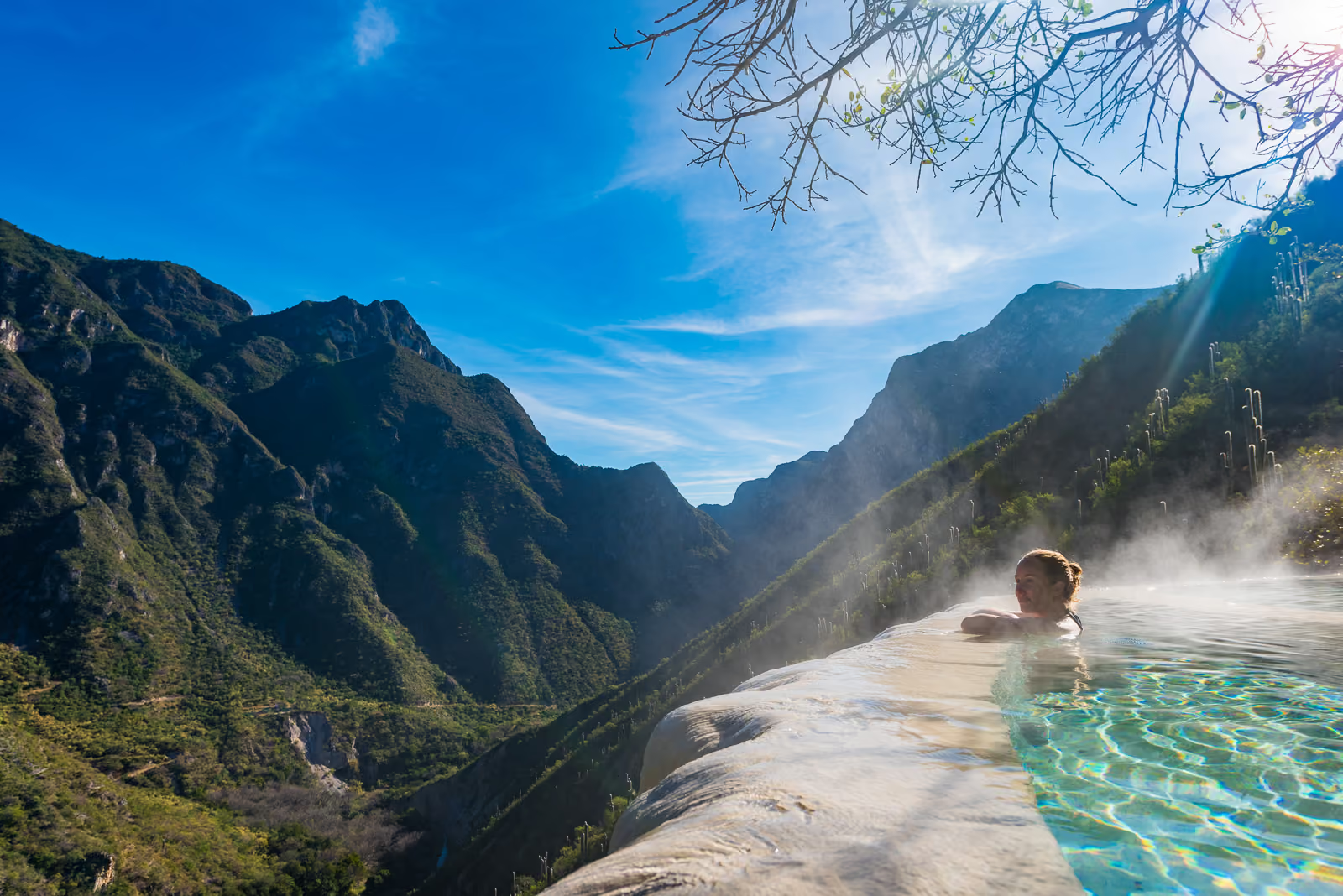
Hot Springs Mexico
Las aguas termales tienen beneficios para nuestro cuerpo y mente, además de ser una experiencia natural increíble, ven y descubre dónde puedes visitarlas.
Leer más
Duration:
Blog title heading will go here
Days
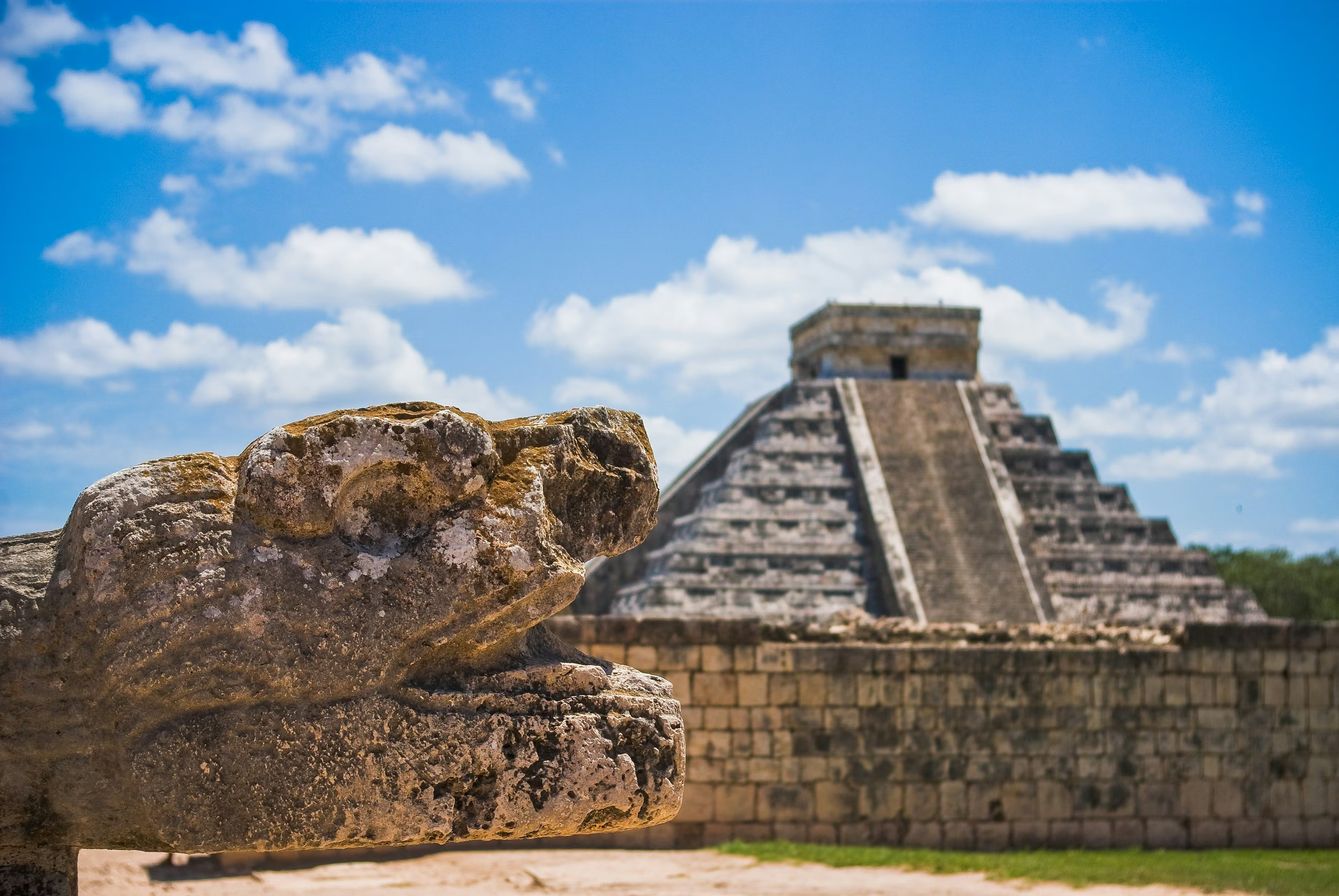
A Chichén Itzá Tour Guide From Cancún, Tulum And Playa
Chichén Itzá tour guide from Cancún, Tulum and Playa del Carmen: drive times, crowd-free hours and cenote combos. From our Yucatán trip team.
Leer más
Duration:
Blog title heading will go here
Days
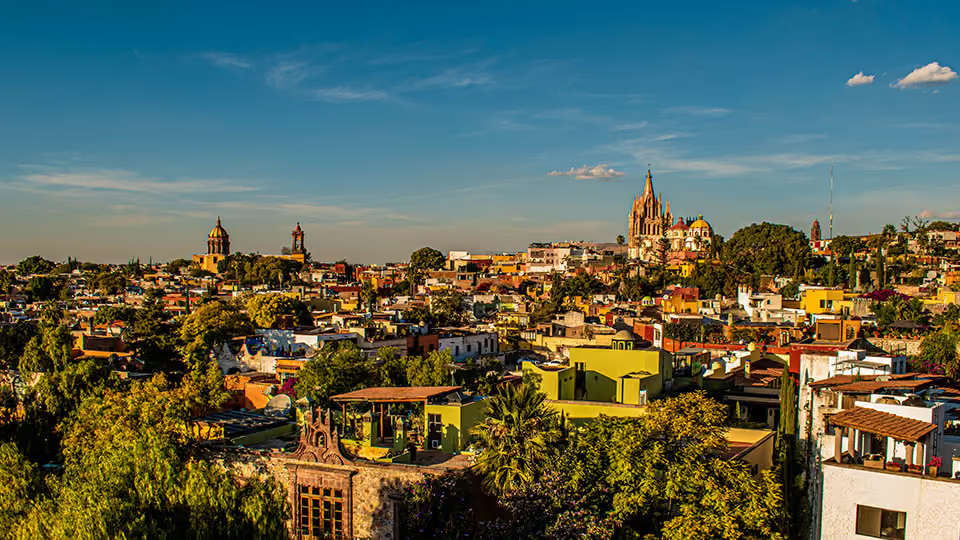
Mysterious Alleys San Miguel
Caminar sin rumbo por las calles de San Miguel de Allende es una actividad que garantiza un tiempo de relajación y aventura.
Leer más
Únete a nosotros sobre esto
viaje
Planifica tu viaje con nosotrosviaje
Únete a nuestro newsletter para mantenerte al tanto de novedades y consejos para tus viajes.
¡Vaya! Se ha producido un error al enviar el formulario.
Ready to experience the real Mexico?
Travel with local experts and get hangds-on supoort every step of the way... from planning to arrival.


Your Travel Companion in Mexico, 24/7
We're with you from arrival to departure via WhatsApp for anything you need.

Trusted by thousand of travelers with a 4.9 rating on Google