Customize my trip


Is Mexico Safe For Tours In 2026?
Meta description: Is Mexico safe for tours in 2026? Regional risk notes, what State Dept advisories mean for travelers, and how Rutopía vets every route we book.


Content
They highlight our work



Unique trips in Mexico.
Tailor made for you.
Request your tripTailor made for you.
Let a local guide help you plan your trip to Mexico
Start tailor-made tripQuick summary: is mexico safe for tours at a glance
- Mexico is 32 states with dramatically different risk profiles, a blanket yes or no is the wrong question.
- Key tourist states (Yucatán, Oaxaca, Mexico City, Quintana Roo, Chiapas highlands, Baja California Sur) sit at U.S. State Department Level 2, the same tier as France, Germany, and the United Kingdom.
- Yucatán state consistently records one of the lowest homicide rates in all of Mexico, well below the national average according to INEGI data.
- Level 3 and Level 4 states cluster in border corridors and specific cartel regions: Tamaulipas, Colima, Sinaloa, Michoacán, Guerrero, and Zacatecas. Responsible tour operators do not route through these areas.
- Rutopía's vetting process runs four layers: multi-government advisory checks, weekly partner check-ins, real-time road and bloqueo monitoring, and a named local contact at every overnight stop.
- Registering with the U.S. State Department's STEP program before you travel is free, takes five minutes, and gives emergency notification to the nearest embassy if something happens.
Is Mexico safe for tours in 2026? For the regions most travelers visit, Mexico City, Oaxaca, the Yucatán, Chiapas highlands, and the central Pacific, yes, with the same common-sense precautions you'd use in any mid-sized city anywhere in the world. Risk in Mexico is deeply regional, and a good tour operator routes around the states where the State Department flags real concerns. Start your route on the Mexico tours packages page, then read on for the 2026 breakdown. The Mexico tours hub for 2026 travel is a useful companion read.
The short answer: Mexico safety is regional

Mexico is 32 states, and treating it as one safety story is the single most common mistake travelers make. Mexico City, Oaxaca, Yucatán, Quintana Roo south of Cancún, Chiapas highlands, and Baja California Sur (La Paz) run safety profiles comparable to mid-sized U.S. and European cities: watch your bag, skip empty streets after midnight, use Didi or Uber. Border states, and specific corridors in Tamaulipas, Sinaloa, Michoacán, Guerrero, and Zacatecas, carry a different risk tier that responsible tour operators route around entirely.
In 15-plus years of running tours across Mexico, the Rutopía team has not run a route through the states currently at the highest advisory tier. That is not a marketing line, it is how the business works. The best Mexico tours to book for 2026 travel hub is built only from regions we have actively vetted, and every itinerary we quote sits inside corridors our partners know well.
The framing matters here. When a first-time traveler reads a headline about violence in Mexico and cancels a Oaxaca food tour, they are responding to information that describes a different geography than the one they were about to visit. That gap between perception and regional reality is the main thing we try to close in this article.
What the U.S. State Department advisories actually mean
The U.S. State Department uses a four-level travel advisory system, and every Mexican state carries one. Level 1 is "exercise normal precautions." Level 2 is "exercise increased caution." Level 3 is "reconsider travel." Level 4 is "do not travel." As of the most recent update to the official Mexico travel advisory, the majority of tourist-facing states sit at Level 2, which is the same tier as France, Germany, and the United Kingdom.
Level 3 and Level 4 states cluster along the northern border and in a handful of cartel-corridor regions: Tamaulipas, Colima, Sinaloa, Michoacán, Guerrero, and Zacatecas, with portions of others flagged. Responsible operators do not route through Level 4 areas. Travelers should also check the Smart Traveler Enrollment Program (STEP) and register before the trip. Advisories shift; read the current version, not a 2023 article on Reddit. Our Mexico cultural tours guide stays inside Level 2 states for every stop.
One nuance worth flagging: a state-level advisory does not mean the risk is uniform across that entire state. Oaxaca state at Level 2 includes the city, the central valleys, and the Sierra Norte, all of which are comfortable, but also includes mountain corridors near the Guerrero border, which are not. Reading the advisory's sub-state notes matters as much as reading the headline level.
A region-by-region 2026 safety read

Here is how we read Mexico by region in early 2026, in plain terms.
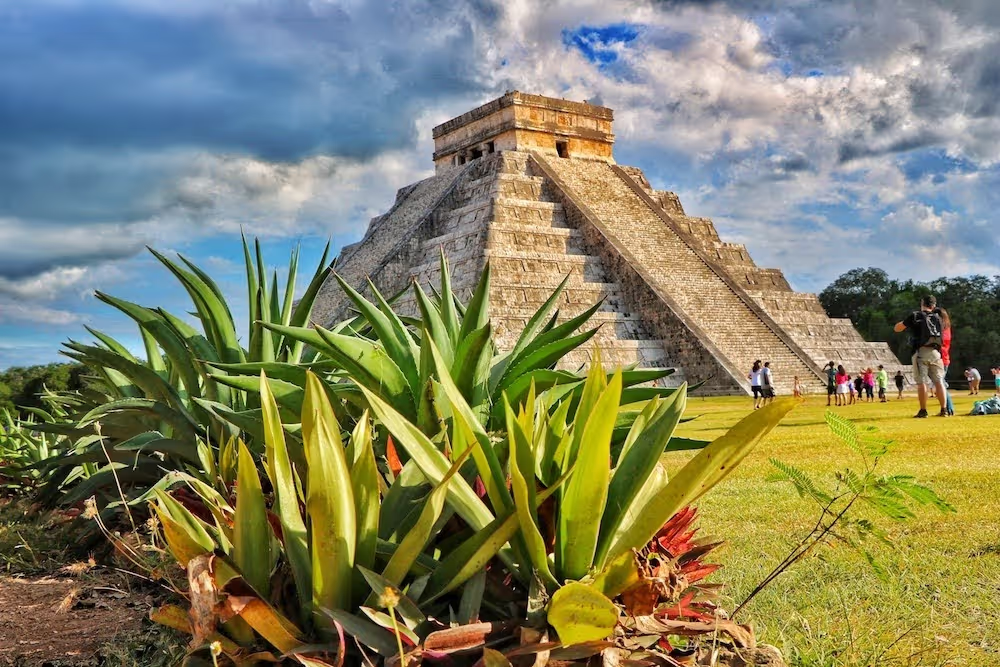
Yucatán state is among the safest states in Mexico, not just by Mexican standards, but by global comparison. Mérida's homicide rate is consistently lower than most U.S. state capitals, and INEGI data places Yucatán well below the national average year after year. The archaeological zone circuit (Chichén Itzá, Uxmal, Kabah, Ek Balam) is high-traffic and well-monitored. The main inconveniences here are heat, crowds at peak-hour Chichén Itzá, and cenote-circuit traffic on weekends.
Oaxaca sits at Level 2 with practical caution. The city, the central valleys (Mitla, Monte Albán, the mezcal villages), Sierra Norte, and coastal Puerto Escondido are comfortable for independent and guided travel alike. Inland mountain roads near the Guerrero border are not routed by good operators, and we do not use them.
Chiapas is Level 2 with region-specific notes. San Cristóbal de las Casas, Palenque, Agua Azul, the Sumidero canyon, and Comitán are normal travel destinations. The road to Guatemala past Comitán and parts of the Lacandón frontier benefit from a local briefing before you go. The Chiapas drive from San Cristóbal to Agua Azul can run five hours with topes, fog, or occasional teachers' bloqueos. That is inconvenience, not danger, but bring snacks and expect the day to run long.
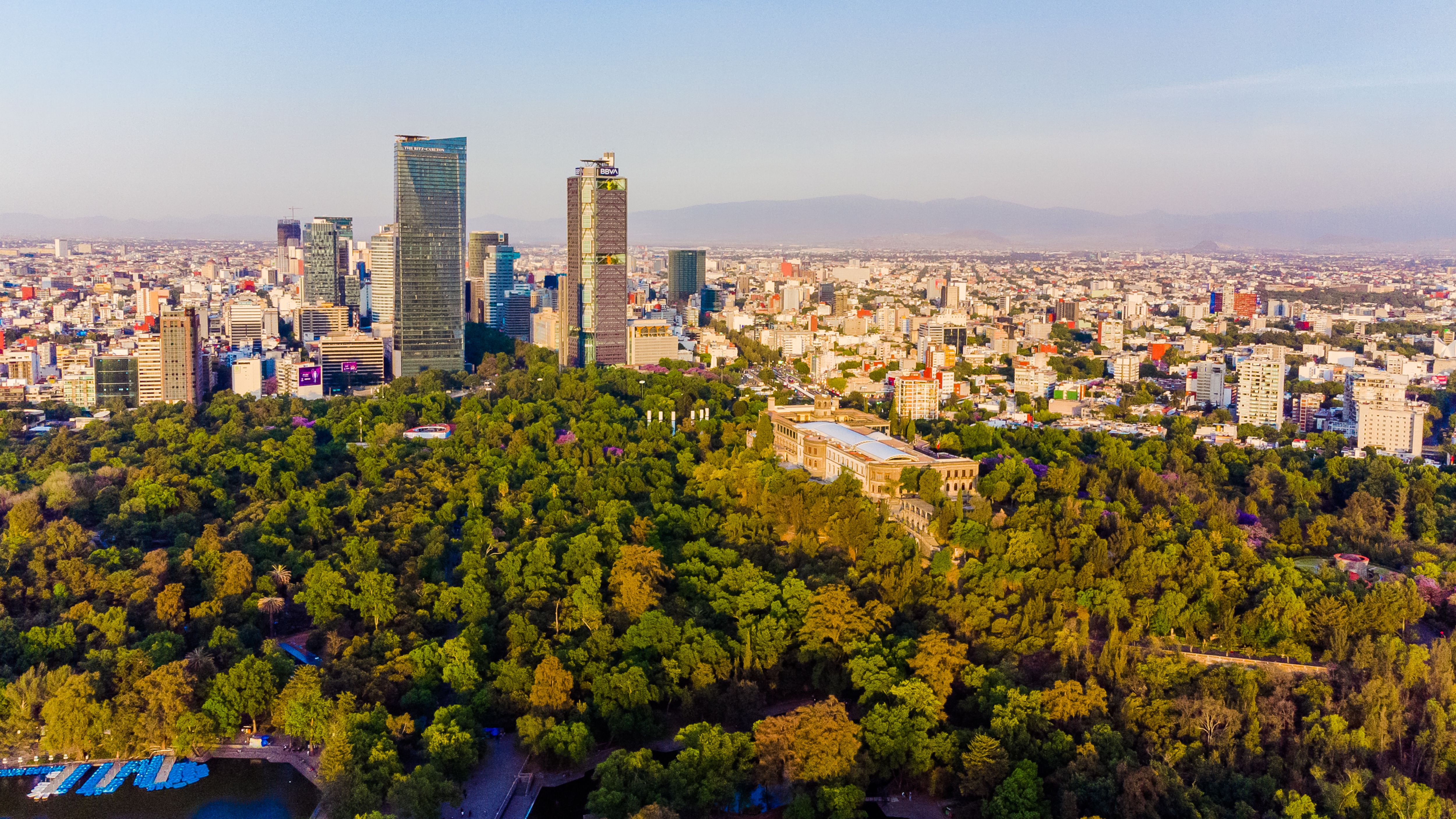
Mexico City is Level 2 and feels like it. The tourist-facing neighborhoods (Condesa, Roma Norte, Centro Histórico, Coyoacán, San Ángel, Polanco) are walking-friendly day and night with normal precautions. Rideshare is safe and well-established; street taxis hailed blind at night are not recommended. The metro is functional and inexpensive, and most locals use it without incident, though pickpocketing on crowded lines (Lines 1 and 2 especially) is a known issue.
Quintana Roo (Tulum, Playa del Carmen, Bacalar, Isla Mujeres) is Level 2. The widely reported resort-zone incidents of recent years have been isolated and rarely involve tourists. Bacalar in particular is one of the most relaxed destinations in the country.
Baja California Sur (La Paz, Todos Santos, the cape corridor) is Level 2 and very comfortable for road-trippers and small-group tours.
See the Oaxaca and Chiapas itinerary guide for the routing we use, and the CDMX and Yucatán itinerary for the gentler first-trip shape.
Pro tip: Before your trip, register with the U.S. State Department's STEP program. It is free, takes five minutes, and enrolls you to receive real-time alerts for your destination. If an emergency occurs, the nearest U.S. embassy already has your contact information. Canadian and UK travelers have equivalent programs (Registration of Canadians Abroad, and the Foreign, Commonwealth and Development Office's travel registration service). Doing this before you pack is the single lowest-effort safety step with the highest return.
How a real tour company vets a route

Vetting a route is not a single check, it is an ongoing process. Rutopía's internal version has four layers: (1) current State Department, Canadian, and UK advisories for every state on the route, (2) check-ins with our regional partners (drivers, community hosts, village councils) the week of travel, (3) real-time monitoring of road-closure and bloqueo reports from local news outlets like El Universal and Milenio, and (4) a named local contact on the ground in every overnight stop.
A driver-guide we work with out of Tuxtla Gutiérrez calls our office the day before a group arrives with two pieces of information: whether the road to San Cristóbal is clear of bloqueos, and whether the Sunday market in the highlands is running normally. That phone call is the most important safety tool we have in the region, far more useful than a PDF from the State Department. The Mexico private tours guide explains how 24/7 local support is wired into every itinerary.
The difference between a tour booked through a vetted local operator and a trip assembled from booking.com hotels and Viator day tours is not just comfort, it is the depth of on-the-ground intelligence behind every logistical call. When something shifts (a road closes, a community event blocks access, a local partner flags unusual activity), we reroute. That flexibility is built into the private and small-group model. The small-group vs private tour comparison explains when each model makes the most sense.
At Rutopía, one of our greatest strengths is flexibility. In February, following the tensions linked to the capture of El Mencho, we had a mother and daughter from Canada scheduled to travel to the Guadalajara region just two weeks later. Rather than exposing them to uncertainty, our team completely redesigned their itinerary at no additional cost. Instead of visiting Guadalajara and Nayarit, they discovered Puebla and Oaxaca where they could enjoy their trip with peace of mind.
What travelers should watch for on the ground

Three things move a trip from routine to uncomfortable: night driving on intercity roads, ATM use at night, and rideshare shortcuts.
Night driving between cities in Mexico is a firm no for good operators. Headlights, livestock, and potholes are the main risks, not people. Any competent driver-guide will build itineraries so the group is inside the next overnight stop before dark. If an agency or driver is proposing a long intercity run after sunset, that is a flag.
ATM use: go during bank hours and use machines inside bank lobbies when possible. Standalone ATMs in convenience stores and market areas are where card-skimming incidents cluster. Withdraw enough to cover a day or two so you are not making frequent small withdrawals.
Rideshare: use Didi or Uber in cities. Do not hail street taxis blind, especially after midnight. The risk is not usually personal safety, it is overcharging and route scams that leave you arguing over a fare at an unfamiliar intersection at 1am.
Carry a color copy of your passport and leave the original in your hotel safe. At San Juan Chamula in Chiapas, photography inside the church is forbidden and enforced; the village entry fee and the rule are non-negotiable, and travelers who ignore it are escorted out promptly. That is the texture of most "incidents" travelers report from Mexico: rule violations, not danger. Best tours in Mexico for first-timers has the broader etiquette and practical prep list.
Pro tip: When withdrawing cash from Mexican ATMs, always decline the machine's offer to convert the transaction to your home currency, this is called Dynamic Currency Conversion (DCC), and the exchange rate it applies is significantly worse than what your own bank gives you. Hit "charge in pesos" every time, and let your home bank handle the conversion. This alone saves most travelers 5–8% on every ATM transaction.
Bookable tours in vetted-safe regions
A short cross-section of real 2026 tours running inside well-vetted corridors:
- Viator, Yucatán: Uxmal and Kabah archaeological day tour from Mérida, $85 to $140 per person.
- GetYourGuide, CDMX: Teotihuacán, Basilica, and Tlatelolco small-group tour from Mexico City, $55 to $95.
- Airbnb Experiences, Oaxaca: half-day cooking class with a local home cook in San Martín Tilcajete, approximately 1,150 MXN per person, cash preferred.
- Rutopía, multi-region: custom 14-day Mexico City, Oaxaca, Chiapas, and Yucatán itinerary from the Mexico tours packages page, with private transport and 24/7 on-trip support throughout.
A fuller side-by-side of options and costs is on the 2026 Mexico tours hub. For cost planning across these corridors, the Mexico tours cost guide breaks down what private, small-group, and self-guided options actually run. For family-specific safety notes, see best Mexico family tours for kids in 2026.
FAQ on Mexico tour safety
Is Cancún airport safe to fly into in 2026? Yes. Cancún airport (CUN) is the highest-volume international airport in Latin America after Mexico City and runs to international standards. Quintana Roo state sits at Level 2. Most reported issues are pre-paid taxi scams at the arrivals curb; book a transfer through your tour operator or use an app-based rideshare from the terminal.
Can I do Oaxaca or Mexico City independently after a tour? Yes. Both cities are comfortable for solo and independent travel with city-standard precautions. Stick to the central neighborhoods, use rideshare at night, and you will be fine. Mexico City in particular has seen a real increase in solo female travelers who move around confidently during the day and evenings in Condesa, Roma, and Centro.
Are tourists ever the target of cartel violence? Almost never. The incidents that make international headlines are concentrated in border states and cartel-corridor regions that tour operators do not route through. The U.S. State Department has consistently noted that tourist-facing regions are not the target of cartel activity. The math here matters: millions of international tourists visit Mexico City, Oaxaca, and Yucatán every year, and the overwhelming majority have uneventful, positive trips.
Is it safe to rent a car and drive yourself in Mexico? For certain routes, yes, and many travelers do it successfully. The Yucatán peninsula and Baja California is very driver-friendly: roads are well-marked, the distances between sites are manageable, and signage in English appears near the major archaeological zones. The Oaxaca central valleys (Mitla, Monte Albán, the mezcal villages) are also comfortable for self-drivers. The rules that apply to guided tours apply to self-drivers too: no intercity driving at night, no crossing into Level 3 or Level 4 states, and always use toll roads (cuotas) over free roads where both options exist. Toll roads are maintained better and have more consistent lighting and signage.
What is the difference between how Rutopía routes and a DIY trip? The core difference is real-time local intelligence. When you put a trip together yourself, you are working from static information: a guidebook, a blog post, a TripAdvisor thread. Our partners call us the week of travel with current conditions. If a bloqueo is running on the Chiapas road, we know before the group boards the van and we have a contingency. A self-directed traveler finds out when they hit the roadblock. Neither scenario is necessarily dangerous, but the operator model narrows the gap between what you planned and what you get.
What should I know about travel insurance for Mexico? Get a policy that covers medical evacuation. Mexico's private hospitals in tourist cities are generally good, but a serious incident in a remote area (a hiking accident in the Sierra Norte, for example) could require helicopter transport to a hospital with the right equipment. Medical evacuation coverage typically costs $10 to $20 added to a standard travel insurance policy and the payout ceiling on a real evacuation can reach $100,000 USD or more. Read the fine print on adventure activities if your itinerary includes anything outside standard sightseeing.
What are the biggest safety mistakes first-time visitors make? Four recurring ones: (1) driving intercity roads at night, (2) using standalone ATMs in poorly lit areas, (3) hailing street taxis after midnight instead of using rideshare apps, and (4) carrying the original passport around rather than a copy. A fifth, less obvious one: drinking tap water. Bottled or filtered water for drinking and tooth brushing is the standard, even in good hotels. Busy street-food stalls with high turnover are often cleaner than hotel buffets, what to watch is water, ice at unmarked vendors, and raw preparations at very low-traffic spots.
What happens if something goes wrong on a Rutopía trip? We have a 24/7 contact line that connects directly to the regional team, not a call center. If a traveler has a medical issue, a driver knows where the nearest appropriate clinic or hospital is and takes them there. If a road closes, the contingency routing is discussed with the driver-guide and the traveler together, in real time. We do not hand travelers a laminated sheet and tell them to call a 1-800 number. The Mexico private tours guide goes into how that on-trip support is structured, and the guided Mexico itineraries planner explains how we build contingency time into every day.
In Rutopia’s proposals, personalized 24/7 assistance may look like just one small line. But after the journey, it is often what travelers value most.
Because peace of mind does not only come from staying in a beautiful hotel or joining an unforgettable activity. It comes from knowing that someone local, trusted, and fully dedicated to your trip is there at every step by anticipating small issues before they happen, smoothing out logistics behind the scenes, and stepping in if a delicate situation arises.
For many travelers, this is what makes Mexico feel not only extraordinary, but truly comfortable to explore.
Should I worry about food and water safety? Drink bottled or filtered water, including for brushing teeth, regardless of hotel tier. For food: the general rule is that high-turnover street stalls (the kind with a line of locals at noon) are safe and often the best meals on the trip. The risk profile goes up at very low-traffic spots with food that has been sitting, and at buffets where proteins cycle slowly. Oaxaca's food scene in particular is world-class, and eating adventurously, tlayudas, memelas, chapulines, mole negro, is part of what makes the trip.
Looking for more Mexico travel resources? Be sure to check out:
Written by
Design your trip to Mexico with a local travel designer. Unique activities and lodging, 100% tailor-made and stress-free.
.webp)
Join us on this
journey
Plan your trip with usjourney
Join our newsletter to stay up to date on features and releases.
Oups ! Une erreur s'est produite lors de l'envoi du formulaire.
Ready to experience the real Mexico?
Travel with local experts and get hangds-on supoort every step of the way... from planning to arrival.


Your Travel Companion in Mexico, 24/7
We're with you from arrival to departure via WhatsApp for anything you need.
Trusted by thousand of travelers with a 4.9 rating on Google