Customize my trip


How To Find Real Mexico Eco Tours In 2026
Mexico eco tours past the greenwashing: small-scale operators, real conservation funding and wild places worth your travel dollars in 2026.

.jpg)
Content
They highlight our work


Unique trips in Mexico.
Tailor made for you.
Request your tripTailor made for you.
Let a local guide help you plan your trip to Mexico
Start tailor-made tripQuick summary: mexico eco tours at a glance
- A real eco tour has four non-negotiable traits: small group size, named local guides, transparent conservation practices, and operations inside natural protected areas.
- CONANP manages 182 natural protected areas across Mexico covering more than 90 million hectares, so "we operate near a protected area" tells you almost nothing. The operator's permits and community ties tell you everything.
- Certifications that carry real weight:, GSTC criteria, Mexico's Norma Mexicana NMX-AA-133, and CONANP lodge designations inside biosphere reserves.
- Price range: expect to pay 20 to 40 percent more than a standard day tour, roughly $55 to $210 per person depending on activity, location, and group size.
- The top regions for serious eco travel in Mexico are Sian Ka'an, Calakmul, the Sierra Norte of Oaxaca, and Yucatán's cenote belt around Homún.
- Eco trips work as self-drive itineraries, driver-guided private journeys, or hybrids, the mode of transport matters far less than the operator you use at each stop.
- The honest trade-off: most jungle and biosphere-reserve lodges are remote. Flights to get there carry a carbon cost that no eco-lodge on the ground fully neutralizes. A real operator acknowledges this.
Real Mexico eco tours in 2026 share four traits: small group sizes, named local guides, transparent conservation funding, and operations inside recognized protected areas like UNESCO biosphere reserves. Greenwashing is the noise. The signal is specificity. Start your search with the Mexico tours packages page, then use the filters below to separate the real thing from the marketing. The Mexico tours hub for 2026 travel lays out the full regional menu if you are still choosing where to go.
What separates a real eco tour from greenwashing
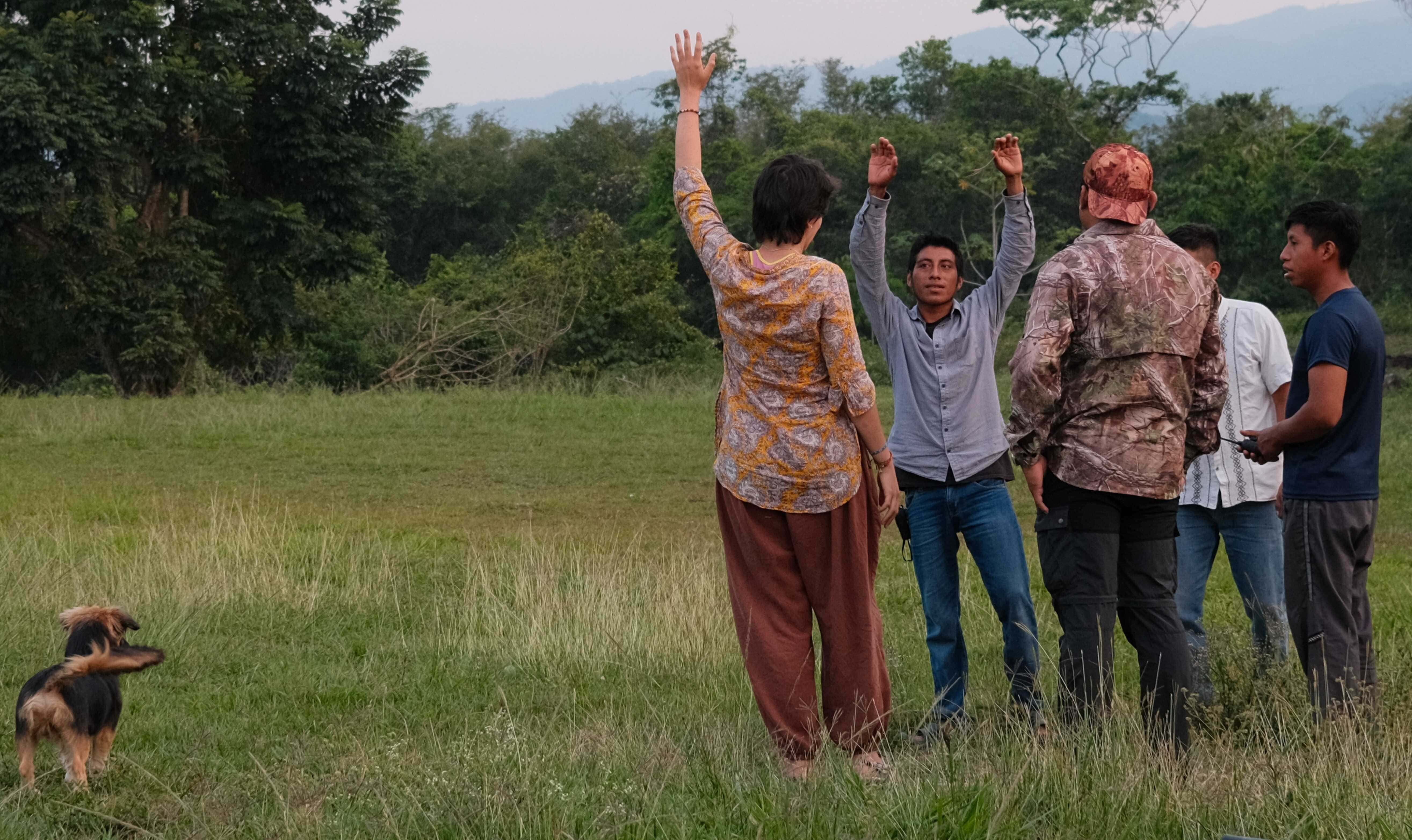
A real eco tour has three things a greenwashed one does not: a cap on group size, a local-community revenue share you can see on paper, and a guide who lives in the region and can tell you which butterflies are arriving in April. Small scale is not a style choice. The biology does not support fifty people on a cenote dock, and a genuine operator knows that.
Watch the language. "Eco" stapled onto a resort's kids-club page is marketing. "Our boats are capped at eight guests, with SEMARNAT permits for 2026, and 10 percent of revenue goes to the Amigos de Sian Ka'an monitoring program" is not. Real operators give you numbers, names, and permit references without being asked. Our 2026 sustainable tourism deep-dive walks through the funding math in more detail.
The 182 protected natural areas that CONANP oversees cover more than 90 million hectares, a staggering proportion of Mexico's land and sea. But that scale means "we operate near a protected area" has almost no filtering power. Dozens of tour buses park at the gates of biosphere reserves every morning. What filters is whether the operator only arrives at the destination from a completely different town and only knows the theory of the place or if you’re being guided by a local guide whose stories are not only about the animals and the plants but also about how he’s spent his childhood there, enjoying and protecting that land.
Certifications that actually mean something
There is no single global eco stamp that settles the question, but a handful of certifications carry real weight in Mexico. The Global Sustainable Tourism Council (GSTC) criteria are the international baseline most serious operators align with. Locally, the Norma Mexicana NMX-AA-133 certifies genuine ecotourism operations and is used by CONANP for lodges inside biosphere reserves.
Membership in The International Ecotourism Society (TIES) signals alignment with the field's published principles. UNESCO's World Network of Biosphere Reserves is worth cross-checking when an operator claims to work "inside a biosphere," since the claim is specific and verifiable. None of these certifications is perfect. Stacked together, they filter out the loudest greenwashing. The best Mexico tours to book for 2026 travel hub flags which Rutopía partners carry which.
Five questions to ask any eco tour operator
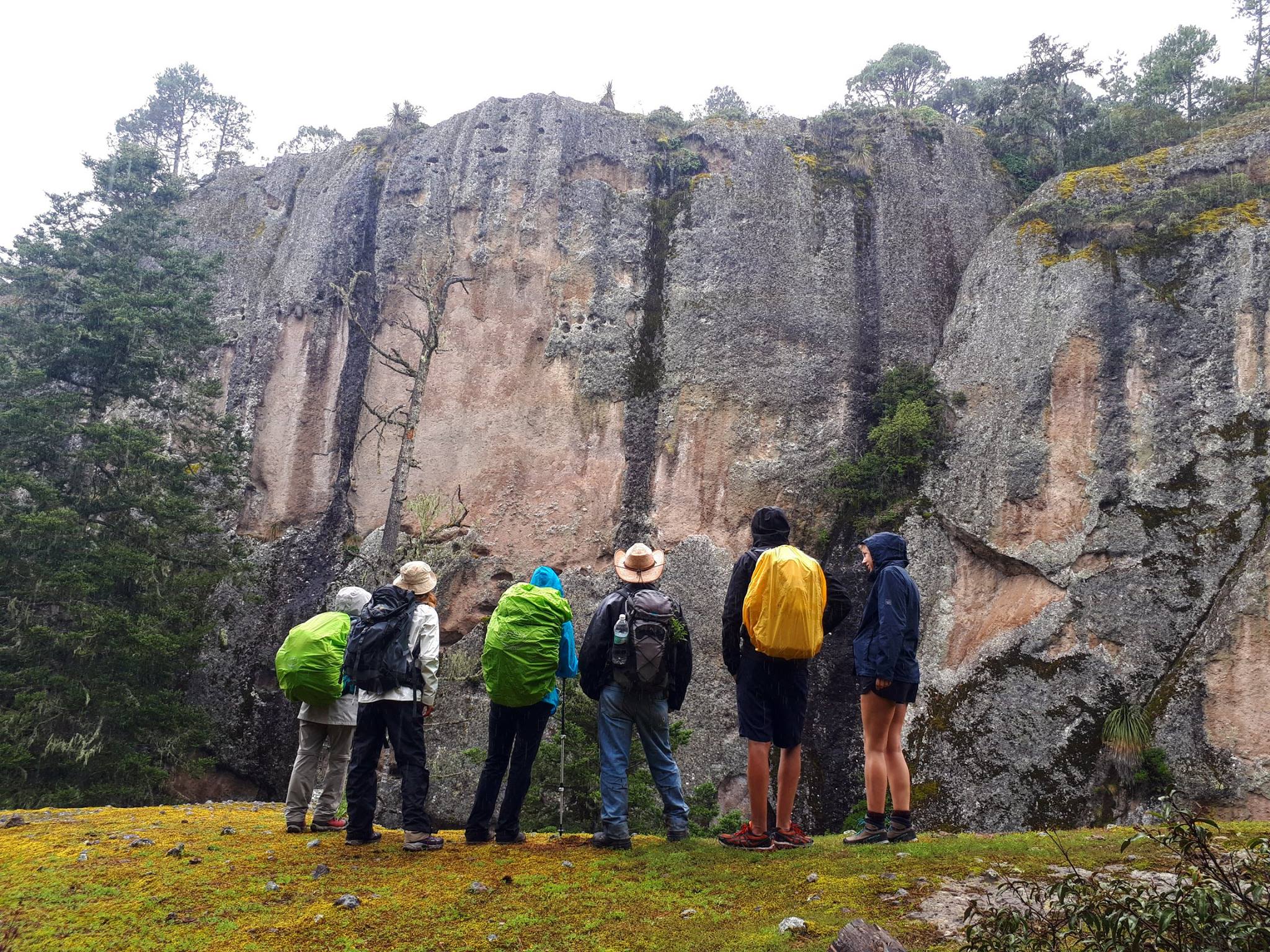
Use these questions when you are evaluating an operator you have not worked with before. The answers tell you more than any brochure.
- What is your maximum group size, and do you combine groups?
- Who owns the lodge or boat? (If the answer is a family or a community cooperative, that is the signal.)
- What percentage of revenue stays in the host community, and how is that tracked?
- Are your guides certified by SECTUR or CONANP for the region you operate in?
- What is the single biggest environmental trade-off of your trip, and what are you doing about it?
That last one is the litmus. A real operator has an answer ready: fuel use for boats, water draw at a jungle lodge, road construction, carbon from flights. A greenwashed one goes quiet. Pair those questions with the framework in our how much Mexico tours cost in 2026 guide so you can read the pricing alongside the ethics, and the how Mexico private tours work in 2026 explainer for how a single-operator trip can build in this level of transparency.
Pro tip: Every SEMARNAT permit issued to a tour operator inside a biosphere reserve has a reference number. You can cross-check it through SEMARNAT's public registry at gob.mx/semarnat. Ask the operator for their permit number before you book. A real operator sends it in the same message as their price quote. If they ask why you want it, that tells you something too.
Named eco regions and lodges worth the trip

Four regions anchor the serious eco map in Mexico.
Sian Ka'an Biosphere Reserve (Quintana Roo) is a UNESCO-listed reserve of lagoons, mangroves, and jungle south of Tulum. Small-boat tours through Community Tours Sian Ka'an, based in Muyil, are capped, locally run, fund reserve monitoring and local educational efforts. Getting here is straightforward by rental car from Tulum, which makes it one of the more accessible self-drive eco regions in the country. Rutopía pre-books the community guides and lodge nights so you show up with everything confirmed and no improvised entry queues.
Calakmul Biosphere Reserve (Campeche) is the country's largest tropical forest reserve: jaguar tracking, howler monkeys, and Maya ruins that see a fraction of Chichén Itzá's crowds. Río Bec Dreams and Hotel Puerta Calakmul are the small-scale options that take conservation seriously. Both are accessible by rental car from Campeche city or from the Yucatán highway network, and both publish their community revenue splits.
Pro tip: Calakmul is best experienced in the first two hours after dawn. The canopy cools overnight, coatis and birds are active, and animal tracks in the clay roads are fresh. Plan to be at the reserve entrance at opening time, which means overnighting at one of the nearby lodges rather than driving in from Campeche city on the day. The dry season, November through April, gives the clearest tracks and least mud on the forest trails.
Sierra Norte of Oaxaca, the cloud-forest highlands known as the Pueblos Mancomunados, is a network of eight villages that co-manage community ecotourism through Expediciones Sierra Norte. Hiking, mountain biking, and birding days run at rates that flow directly to the village assembly. The Sierra Norte is reachable by rental car in about two hours from Oaxaca city, with good road conditions to Benito Juárez and Cuajimoloyas. A driver-guide from Oaxaca is an equally solid option if you prefer someone to narrate the cloud-forest ecology on the way up.
Local tip: Take at least 3 days to really walk the region and forget about time. And also if you really wanna learn about the real impact of your trip ask your guide how tourism has impacted their community and be ready to listen to some heartwarming stories.
Homún's cenote belt (Yucatán) is the alternative to the Tulum cenote circuit: a family-run cenote near the town of Homún operates with hard life-vest rules and a fee that stays in the community. Entry prices at community cenotes in this belt run around 100 to 200 MXN. The area sits about 40 kilometers southeast of Mérida and is one of the easiest self-drive half-days on any Yucatán itinerary. Combine it with Uxmal for a day that balances conservation tourism and Maya archaeology without doubling back.
The Chiapas Lacandón rainforest sits in a separate category with its own ethical frame, covered in our Mexico adventure tours guide and the full Oaxaca and Chiapas itinerary plan.
Bookable eco tours we trust in 2026
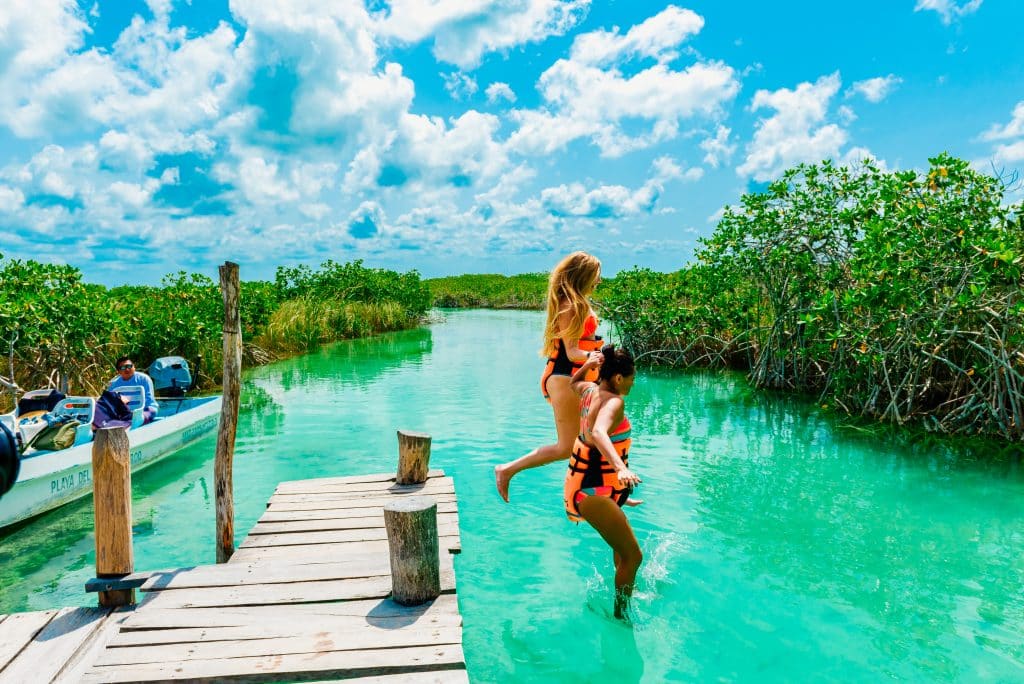
Four 2026 tours that meet the small-scale, real-conservation filter.
- Viator, Sian Ka'an small-boat: Sian Ka'an biosphere reserve tour from Tulum, capped groups, $140 to $210 per person.
- GetYourGuide, Yucatán cenotes: Homún cenote bike circuit, community-run, $55 to $95 per person; smaller operators only.
- Airbnb Experiences, Sierra Norte: hiking and cloud-forest birding in the Pueblos Mancomunados with a licensed local guide, $65 to $110 per person, half-day.
- Rutopía, multi-reserve: custom 10-day Oaxaca Sierra Norte plus Chiapas jungle plus Yucatán biosphere itinerary from the Mexico tours packages page.
Each of these can run as a self-drive trip where you handle the driving, we handle the guide bookings, lodge confirmations, and permit logistics. Or we can add a driver-guide who covers the whole route. The distinction is yours to make based on how you travel, not on what fits a pre-set tour format. Our small-group vs private tour comparison and the private tours explainer both get into the mechanics.
The fullest cluster view is on the best Mexico tours to book for 2026 travel hub, including how eco routes interlock with cultural and adventure trips. Eco-minded couples and first-trip travelers can also scan the best Mexico honeymoon tours to book in 2026 and the first-timers guide for how to weave eco days into a gentler route.
FAQ on Mexico eco tours
Are eco tours more expensive than standard tours? Sometimes, modestly. Small group caps mean higher per-person costs than mass day trips; you might pay 20 to 40 percent more than a bus-to-Chichén-Itzá day. The extra goes into guide quality, group size, and community revenue share. See how much Mexico tours cost in 2026 for full brackets.
What is the best time of year for eco tourism in Mexico? It depends on the region. For jungle and biosphere-reserve trips in Calakmul and Chiapas, November through April offers dry trails, better wildlife visibility, and manageable heat. For whale shark swimming at Holbox or Isla Mujeres, the window is June through mid-September. Monarch butterfly season in Michoacán runs roughly late November through early March. The Sierra Norte of Oaxaca is year-round viable, though cloud forest can mean cool, wet days from June through October. Our when to book Mexico tours guide maps all of these windows by region.
Which region is best for first-time eco travelers? Sian Ka'an and the Yucatán cenote belt around Homún. Both are accessible from well-served airports (Cancún and Mérida), community tourism infrastructure is established and visitor-friendly, and the logistics are forgiving for people who have never done a biosphere-reserve trip before. The first-timers guide pairs well here for calibrating expectations on what a structured first Mexico trip looks like.
Can I do a self-drive eco trip in Mexico? Yes, and for several of the best regions it is straightforward. Calakmul is accessible by car from the Campeche or Yucatán highway network. The Sierra Norte of Oaxaca is about two hours from Oaxaca city on good roads. Homún is a 40-minute drive from Mérida. Sian Ka'an's community access points near Muyil are reachable on paved road from Tulum. What matters for an eco trip is not how you arrive, it is which operator you use for guided activities once you get there. Rutopía can pre-book community guides and reserve-permitted activities at each stop so you travel at your own pace while we handle the logistics.
Is solo eco travel possible in Mexico? It is, and it is often excellent. Community ecotourism operations in the Sierra Norte and Sian Ka'an regularly accommodate solo travelers joining small groups. A solo traveler on a Rutopía custom itinerary can structure each guided day as a join-in community tour rather than paying a private-group premium for every activity. The honest caveat: remote jungle lodges in Calakmul or Chiapas can feel isolated for a solo first-timer. Our team can talk you through which stretches are better joined and which are fine alone.
Is swimming with whale sharks at Holbox ethical? It can be. Stick to SEMARNAT-permitted operators, confirm the eight-guest boat cap, and verify that sunscreen is biodegradable. Avoid operators that chum the water or allow touching. Our Mexico adventure tours roundup and when is the best time to book Mexico tours both cover the whale shark window and which operators have maintained their permits cleanly.
Are captive-dolphin experiences eco? No. Captive cetacean experiences do not meet any serious ecotourism definition, and Rutopía does not include them in any itinerary. The Mexico family tours guide covers the wildlife alternatives that work well for kids without involving captive animals.
What should I pack for a jungle or biosphere-reserve trip? The essentials are lightweight long sleeves and trousers for mosquito protection, reef-safe sunscreen (required inside most biosphere reserves), a headlamp, water purification tablets or a filtered bottle, and broken-in walking shoes rather than hiking boots for most trails. Rubber boots for wet-season cenote or mangrove trips are usually provided by the operator. Ask about them when you book. A small daypack with a rain cover handles the rest. Overpacking for these trips is common; heavy luggage is a liability at community lodges without luggage storage.
How do I combine an eco trip with a regular cultural tour? Easily, and the combination often makes for a stronger itinerary than either alone. A standard pairing: two to three days in Oaxaca city for markets and mezcal, then two to three days in the Sierra Norte for cloud-forest hiking, then back to the valley for a cooking class in a village. In the Yucatán, Mérida as a cultural base pairs well with a day at the Homún cenote belt and an overnight at a hacienda before heading south to Uxmal. Our cultural tours guide, the Oaxaca and Chiapas itinerary, and the Mexico City and Yucatán itinerary all show how eco days slot into longer cultural routes without feeling like a detour.
How do I verify a lodge is really community-owned? Ask for the community name, the cooperative name, and a reference person. Real community lodges answer in 24 hours with all three. They also post financial splits on-site at the lodge, usually in a laminated sheet near the reception desk. The Mexico cultural tours guide has more on how to read a community visit honestly.
Looking for more Mexico travel resources? Be sure to check out:
Written by
Design your trip to Mexico with a local travel designer. Unique activities and lodging, 100% tailor-made and stress-free.
.webp)


Join us on this
journey
Plan your trip with usjourney
Join our newsletter to stay up to date on features and releases.
Oups ! Une erreur s'est produite lors de l'envoi du formulaire.
Ready to experience the real Mexico?
Travel with local experts and get hangds-on supoort every step of the way... from planning to arrival.


Your Travel Companion in Mexico, 24/7
We're with you from arrival to departure via WhatsApp for anything you need.
Trusted by thousand of travelers with a 4.9 rating on Google